
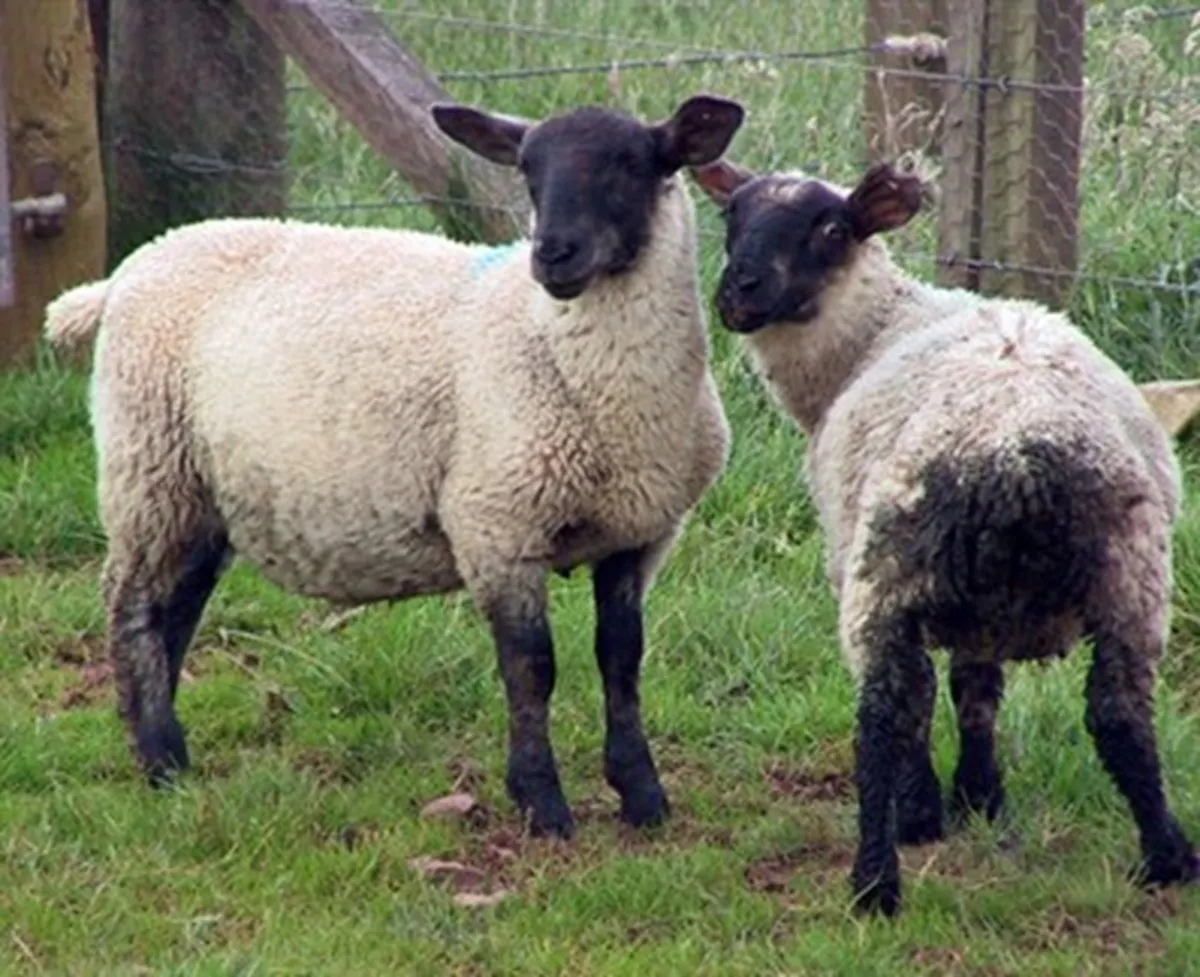
Nematodirus in Lambs: What to Look Out for This Spring
Nematodirus is one of the main parasite risks for young lambs in spring. It can hit fast, affect groups of lambs at once, and cause serious setbacks if not dealt with in time.
The good news is that it’s predictable and with the right approach, it can be managed effectively.
Why Nematodirus Matters
Unlike most gut worms, Nematodirus has a mass hatch in spring, meaning lambs can be exposed to large numbers of infective larvae over a short period.
Lambs at greatest risk are:
- Around 6–12 weeks old
- Grazing pasture previously used by lambs
- Starting to eat significant amounts of grass
Outbreaks can result in:
- Sudden scour and dehydration
- Reduced growth rates and poor thrive
- Death in severe untreated cases
What Signs Should You Look Out For?
Nematodirus tends to appear suddenly and may affect several lambs at once. Watch for:
- Watery diarrhoea (scour)
- Dullness or lambs lagging behind the group
- Weight loss or hollow appearance
- Dirty back ends
Rapid deterioration can occur, so early recognition is important.
When is the Risk Highest?
Risk is driven by weather conditions rather than the calendar alone.
Infective larvae emerge from the eggs following:
- A cold period over winter, followed by
- A sustained rise in spring temperatures
This often results in peak risk between April and June, although timing can vary and may be earlier in the year if conditions are favourable.
Regional parasite forecasts (such as those provided through industry monitoring systems) should be used to help guide risk assessment and timing.
Diagnosis – Don’t Rely on Faecal Egg Counts Alone
Faecal egg counts may be misleading early in an outbreak because disease is caused by immature larval stages before egg production begins.
Diagnosis is therefore usually based on:
- Age of lambs
- Grazing history
- Seasonal risk and forecast data
- Clinical signs
Where disease is suspected, veterinary advice should be sought promptly to confirm diagnosis and rule out other causes such as coccidiosis, which may occur in lambs at a similar age.
Control: A Targeted, Sustainable Approach
Control should follow SCOPS principles, focusing on reducing disease risk while protecting wormer effectiveness.
1. Use Forecasts to Inform Risk
- Monitor local parasite forecasts
- Use these alongside farm-specific grazing history
- Time interventions based on confirmed risk periods rather than routine schedules
2. Grazing Management
- Higher risk: pasture grazed by lambs in the previous year
- Lower risk: “clean” pasture such as silage aftermath or new leys
- Where possible, move lambs to reduce exposure during peak risk periods
3. Targeted Treatment (Where Necessary)
Treatment should only be used where there is a clear risk or evidence of disease, based on:
- Forecast information
- Clinical signs
- Veterinary or SQP advice
When treatment is required:
- Weigh lambs accurately to avoid underdosing
- Treat affected groups promptly
- Follow veterinary or product label guidance at all times
4. Responsible Use of Anthelmintics
In line with SCOPS, NOAH, and Teagasc principles:
- Use medicines only when necessary and justified
- Always follow label instructions or veterinary direction
- Avoid unnecessary or routine treatments
- Integrate grazing management and monitoring wherever possible
- Monitor treatment effectiveness where appropriate
Responsible use helps reduce the development of anthelmintic resistance and protects long-term flock health.
Key Points to Remember
- Nematodirus is seasonal and highly predictable
- Young lambs on contaminated pasture are most at risk
- Faecal egg counts may not detect early disease
- Forecasting, grazing management, and veterinary guidance are essential
- Treatments should be targeted, justified, and responsibly used
Final Note
Always consult your veterinary practitioner or suitably qualified advisor when making treatment decisions. Any animal health products must be used responsibly and strictly in accordance with label instructions and current industry guidelines.
Nematodirus in Lambs: What to Look Out for This Spring
Nematodirus is one of the main parasite risks for young lambs in spring. It can hit fast, affect groups of lambs at once, and cause serious setbacks if not dealt with in time.
The good news is that it’s predictable and with the right approach, it can be managed effectively.
Why Nematodirus Matters
Unlike most gut worms, Nematodirus has a mass hatch in spring, meaning lambs can be exposed to large numbers of infective larvae over a short period.
Lambs at greatest risk are:
- Around 6–12 weeks old
- Grazing pasture previously used by lambs
- Starting to eat significant amounts of grass
Outbreaks can result in:
- Sudden scour and dehydration
- Reduced growth rates and poor thrive
- Death in severe untreated cases
What Signs Should You Look Out For?
Nematodirus tends to appear suddenly and may affect several lambs at once. Watch for:
- Watery diarrhoea (scour)
- Dullness or lambs lagging behind the group
- Weight loss or hollow appearance
- Dirty back ends
Rapid deterioration can occur, so early recognition is important.
When is the Risk Highest?
Risk is driven by weather conditions rather than the calendar alone.
Infective larvae emerge from the eggs following:
- A cold period over winter, followed by
- A sustained rise in spring temperatures
This often results in peak risk between April and June, although timing can vary and may be earlier in the year if conditions are favourable.
Regional parasite forecasts (such as those provided through industry monitoring systems) should be used to help guide risk assessment and timing.
Diagnosis – Don’t Rely on Faecal Egg Counts Alone
Faecal egg counts may be misleading early in an outbreak because disease is caused by immature larval stages before egg production begins.
Diagnosis is therefore usually based on:
- Age of lambs
- Grazing history
- Seasonal risk and forecast data
- Clinical signs
Where disease is suspected, veterinary advice should be sought promptly to confirm diagnosis and rule out other causes such as coccidiosis, which may occur in lambs at a similar age.
Control: A Targeted, Sustainable Approach
Control should follow SCOPS principles, focusing on reducing disease risk while protecting wormer effectiveness.
1. Use Forecasts to Inform Risk
- Monitor local parasite forecasts
- Use these alongside farm-specific grazing history
- Time interventions based on confirmed risk periods rather than routine schedules
2. Grazing Management
- Higher risk: pasture grazed by lambs in the previous year
- Lower risk: “clean” pasture such as silage aftermath or new leys
- Where possible, move lambs to reduce exposure during peak risk periods
3. Targeted Treatment (Where Necessary)
Treatment should only be used where there is a clear risk or evidence of disease, based on:
- Forecast information
- Clinical signs
- Veterinary or SQP advice
When treatment is required:
- Weigh lambs accurately to avoid underdosing
- Treat affected groups promptly
- Follow veterinary or product label guidance at all times
4. Responsible Use of Anthelmintics
In line with SCOPS, NOAH, and Teagasc principles:
- Use medicines only when necessary and justified
- Always follow label instructions or veterinary direction
- Avoid unnecessary or routine treatments
- Integrate grazing management and monitoring wherever possible
- Monitor treatment effectiveness where appropriate
Responsible use helps reduce the development of anthelmintic resistance and protects long-term flock health.
Key Points to Remember
- Nematodirus is seasonal and highly predictable
- Young lambs on contaminated pasture are most at risk
- Faecal egg counts may not detect early disease
- Forecasting, grazing management, and veterinary guidance are essential
- Treatments should be targeted, justified, and responsibly used
Final Note
Always consult your veterinary practitioner or suitably qualified advisor when making treatment decisions. Any animal health products must be used responsibly and strictly in accordance with label instructions and current industry guidelines.