Nematodirosis
Quick Facts
The Impact of Nematodirosis
Nematodirosis is a disease caused by the roundworm Nematodirus battus.
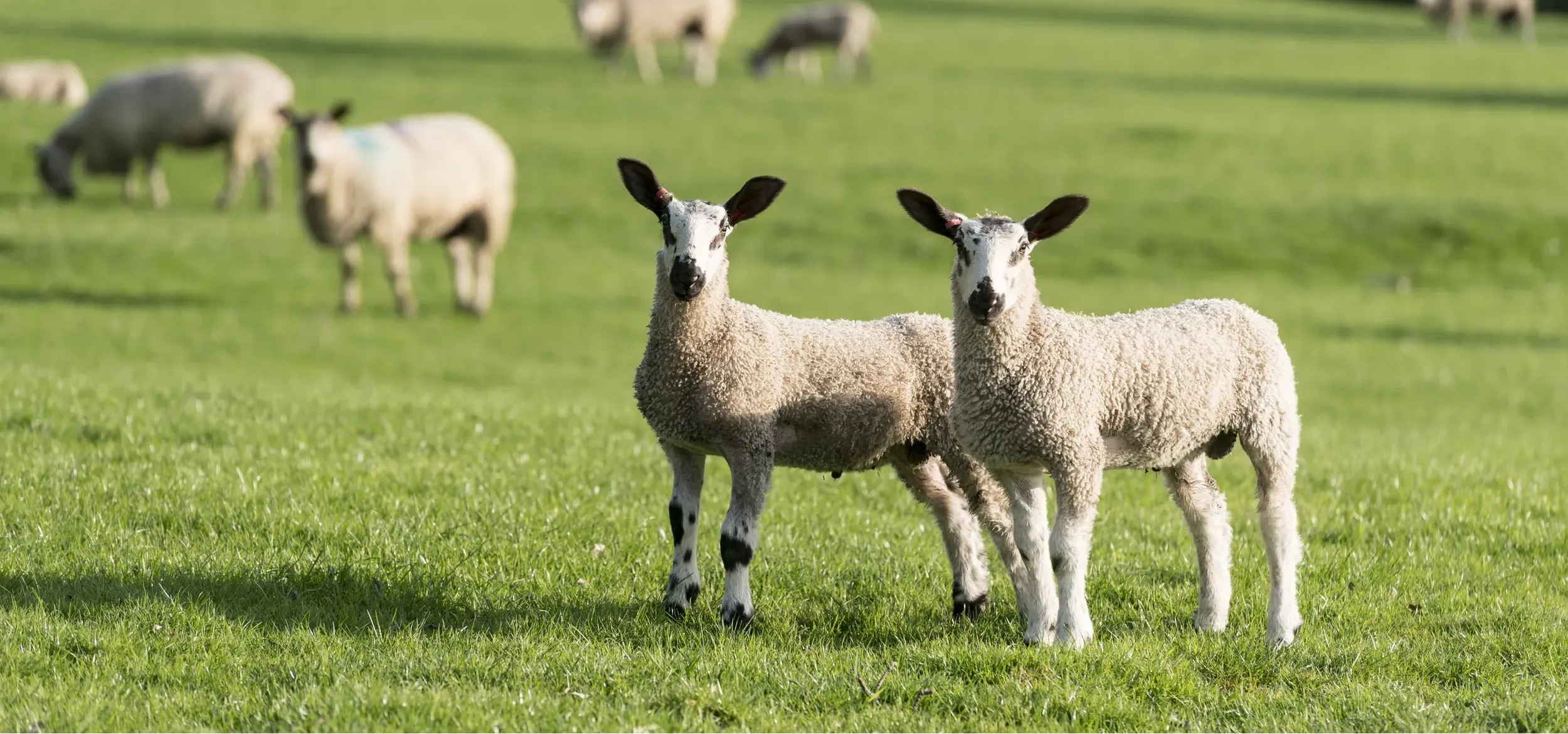
It mainly affects young lambs during spring while grazing pasture that carried lambs the previous year. Outbreaks can develop rapidly and may present as sudden deaths, often in well-grown lambs before any other clinical signs are observed.
Disease Impact
- Mortality rates can be high, with up to 5% of the lamb crop dying within days.
Why Nematodirus Is Different
Older lambs and adult sheep develop immunity to Nematodirus battus, so disease occurs when young lambs ingest eggs shed by the previous year's lambs.
These eggs are extremely hardy and survive over winter on pasture. Following a period of cold weather, rising temperatures trigger rapid development into infective larvae.
A gradual hatch allows lambs to develop immunity naturally. However, if weather conditions trigger a mass hatch at the same time young lambs begin grazing, severe outbreaks can occur.
Unlike most gut worms, N. battus causes damage during the larval stage. As a result, lambs can develop clinical disease before eggs appear in faecal egg counts (FECs).
Farmers should therefore rely on the Nematodirus hatch forecast and knowledge of pasture contamination when assessing risk and deciding on treatment timing.
Although faecal egg counts should not be relied upon for treatment decisions, they remain useful because Nematodirus eggs are easy to identify and can help monitor infection levels and detect co-infections, particularly in flocks with extended lambing periods.
How Infection Occurs

A mass hatch of infective larvae can be triggered when:
- A period of cold weather is followed by
- Temperatures rising above approximately 10°C
Because outbreaks are highly weather-dependent, Nematodirus forecasts are an excellent tool for assessing risk.
Forecasts are updated daily and predict when mass hatching is likely to occur. Risk varies significantly across the country and can even differ locally, so it is important to continually assess the risk on your own farm.
Which Lambs Are Most at Risk?
Risk is highest when:
- Lambs graze pasture that carried lambs during the previous grazing season.
- Weather conditions favour a mass hatch of larvae while lambs are at the susceptible age.
- Lambs are between 6 and 12 weeks of age (although lambs forced to graze earlier may be at risk before six weeks).
- Concurrent disease is present, such as coccidiosis.
Where lambs are exposed gradually to low numbers of larvae, they will usually develop immunity relatively quickly.
Signs of Nematodirosis
Clinical signs often appear suddenly in lambs aged 6 to 12 weeks and include:
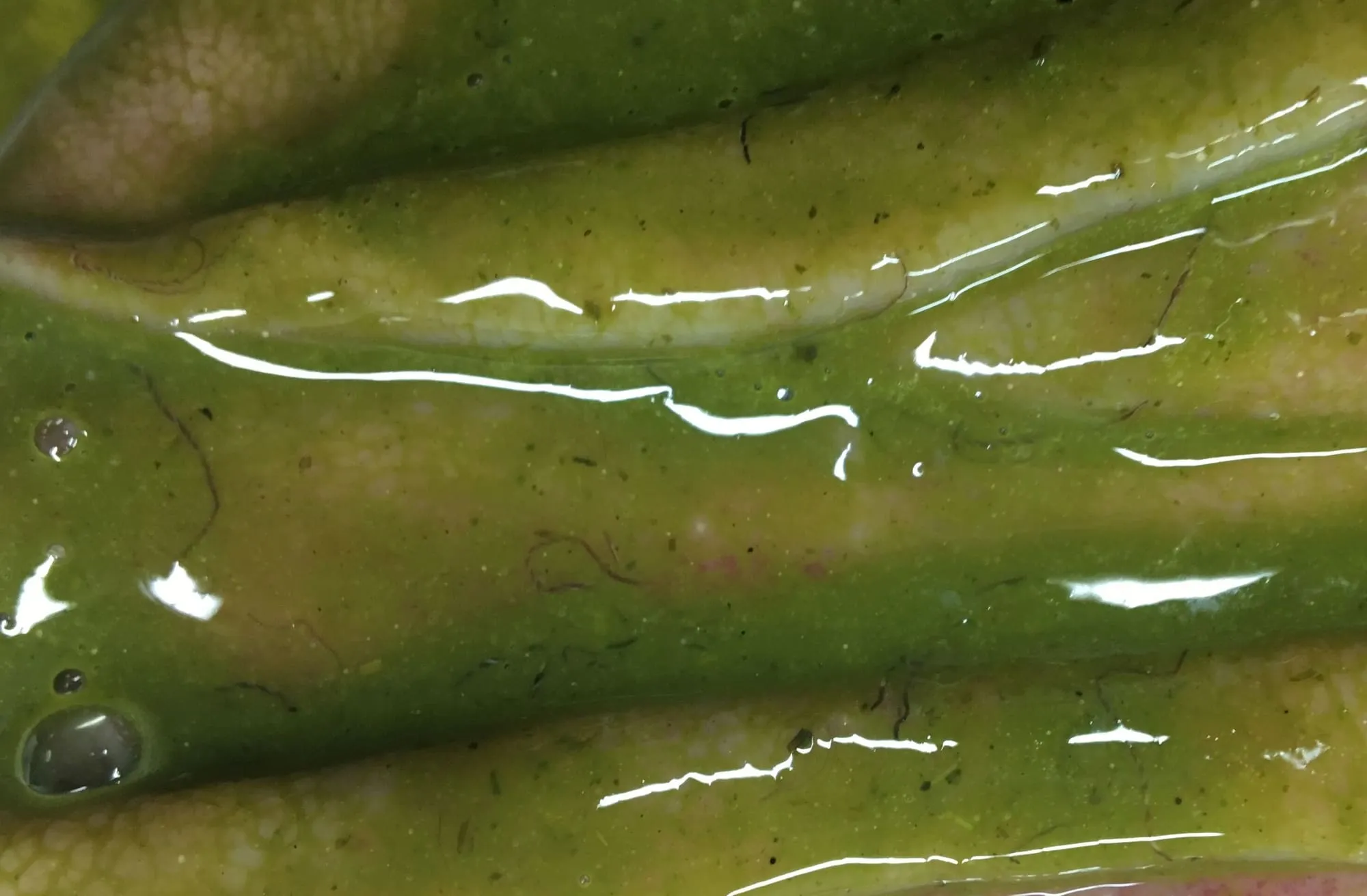
- Profuse watery diarrhoea
- Rapid dehydration
- Lambs gathering around water troughs
- Loss of body condition
- Weakness
- Sudden death in severe cases
Because these signs can resemble coccidiosis, additional diagnostic testing may be required to confirm the cause.
Monitoring and Diagnosis
Because disease is primarily caused by immature larvae, faecal egg counts are often unreliable during the early stages of an outbreak.
Diagnosis usually relies on:
- Lamb age (6 to 12 weeks)
- Field grazing history
- Weather conditions and seasonal forecasts
- Clinical signs
Your vet may also recommend laboratory testing where diagnosis remains uncertain.

Controlling Nematodirus
Assess Grazing History
- Fields grazed by lambs the previous year usually present the highest risk.
- Most farms use the same fields each year for ewes and young lambs. Consider whether alternative fields can be used in consecutive years.
Use Seasonal Forecasts
- Forecasts are an excellent and reliable tool for identifying peak hatching periods based on weather conditions.
- Where possible, move lambs onto low-risk grazing (pasture not grazed by lambs the previous year) before the expected mass hatch.
Time Treatment Carefully
- Treatment should be timed when lambs are likely to be ingesting large numbers of infective larvae.
Use an Appropriate Wormer
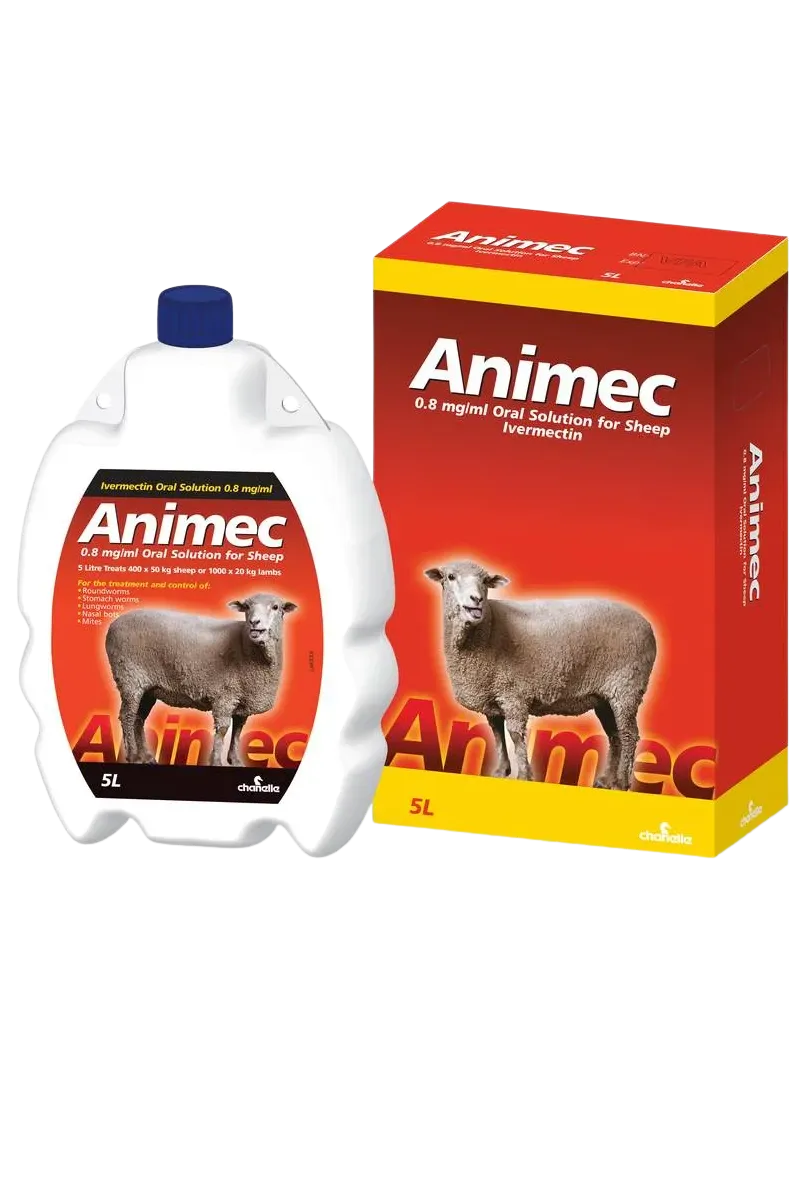
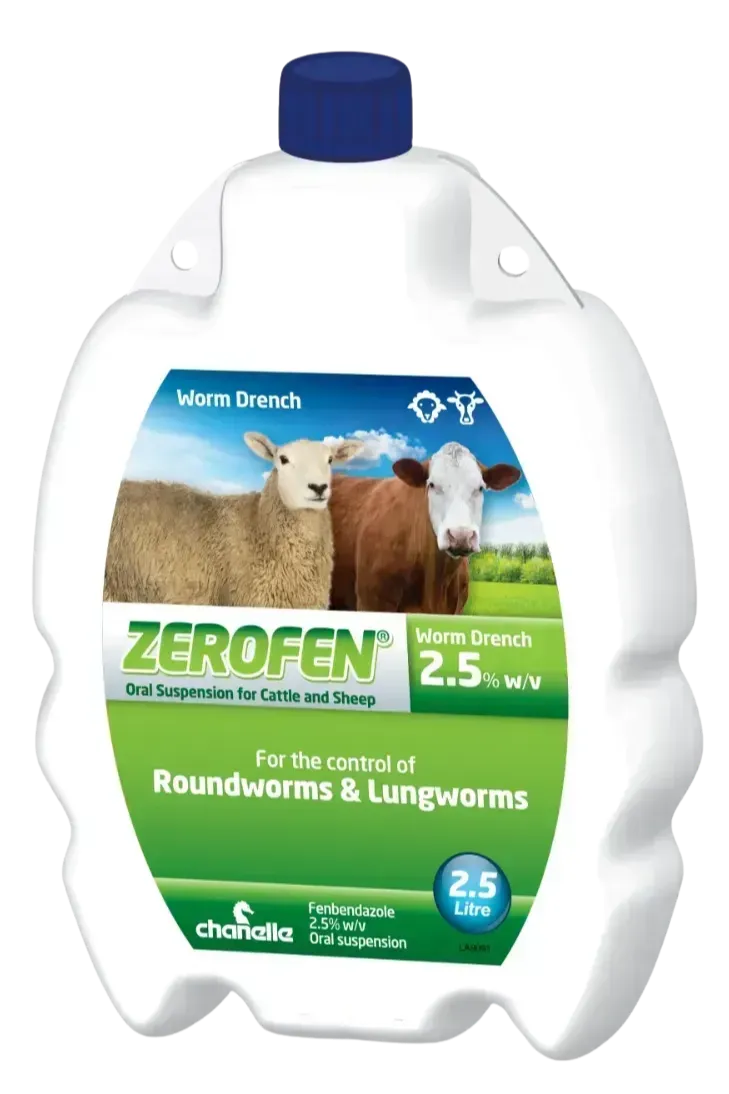
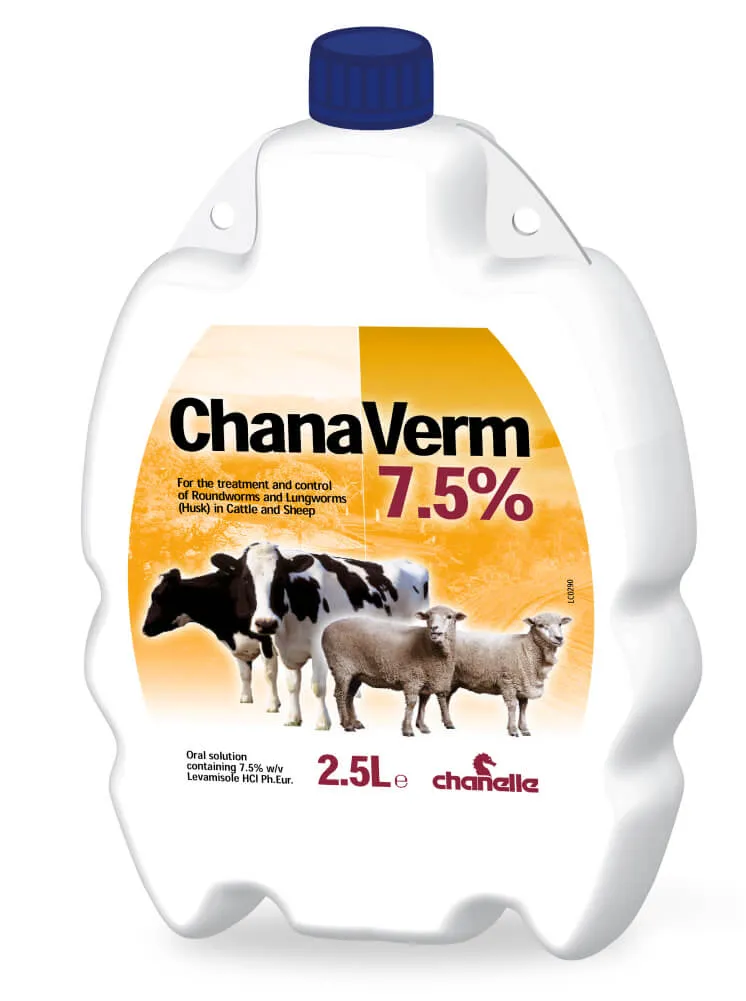
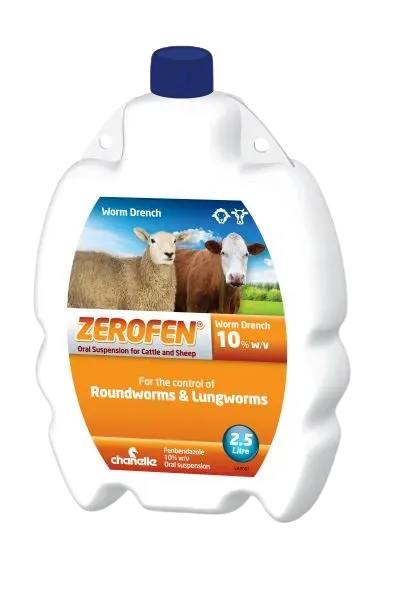
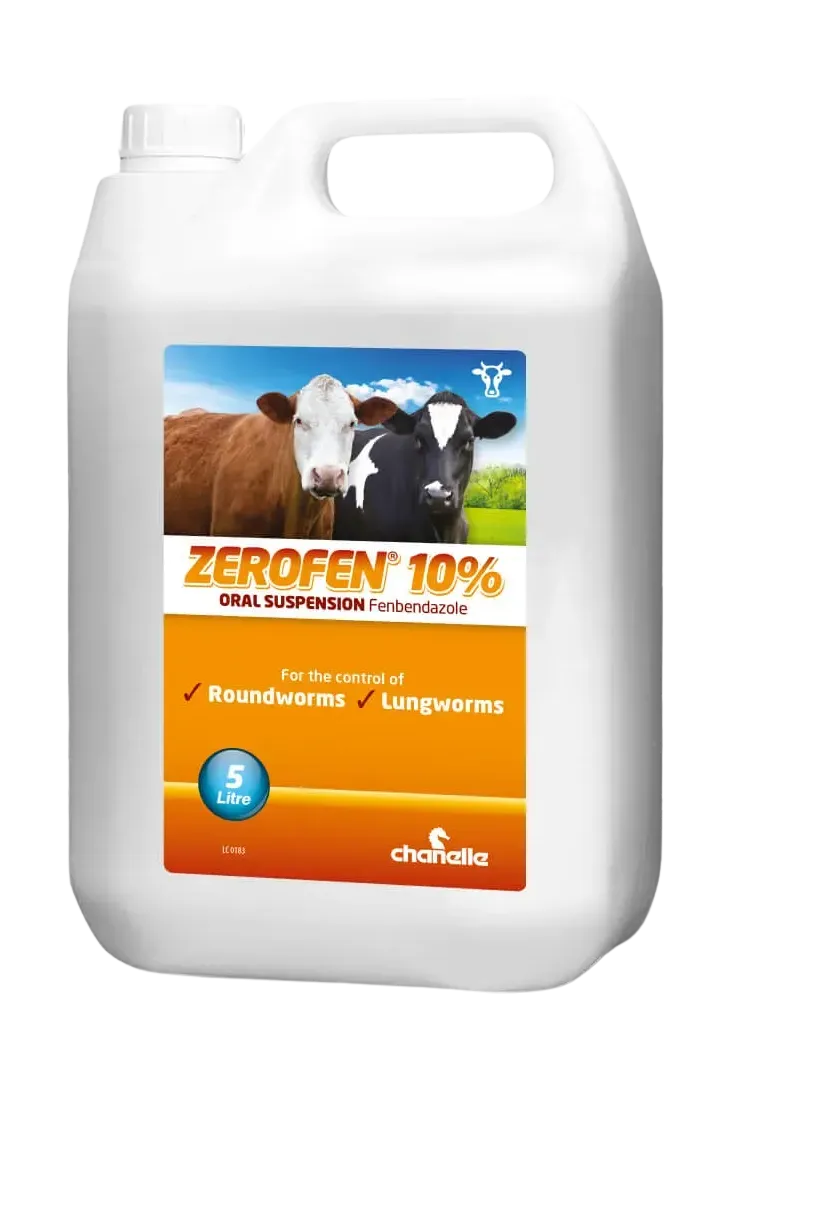
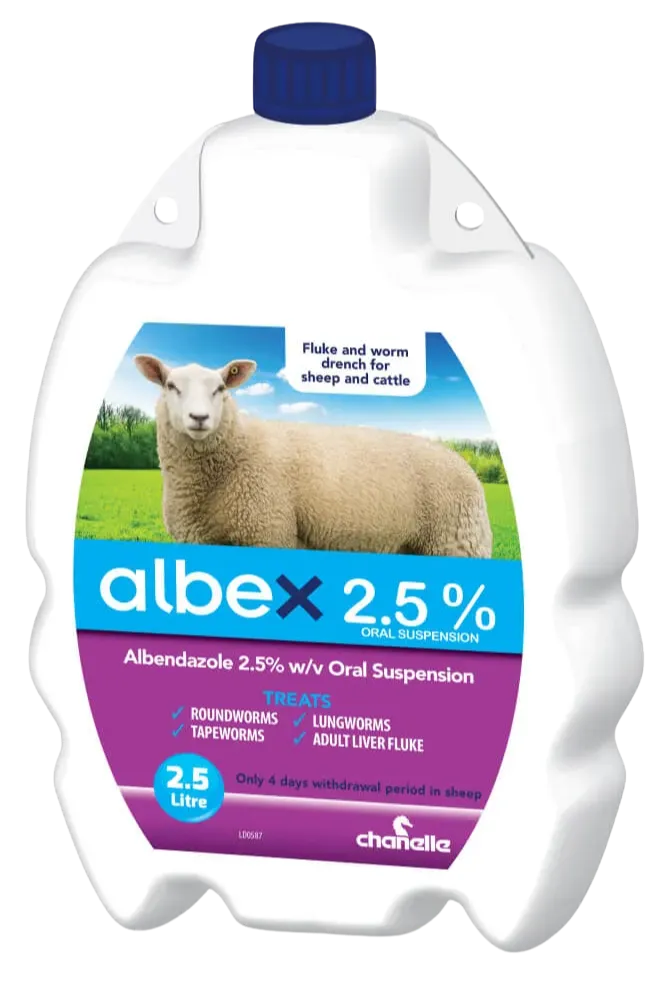
- Benzimidazole (white, Group 1) wormers remain the recommended first-line treatment because resistance in Nematodirus remains low.
- A post-treatment faecal sample should be collected 7 to 10 days after treatment, as isolated cases of suspected resistance have been reported.
- If faecal egg counts identify other worm species alongside Nematodirus, discuss with your vet which wormer is most appropriate for your flock.
Products


.webp)






Blog


.webp)

More Diseases
Know the solution.


CPD for SQPs & Vets
Sharpen your knowledge

DOsing Best Practices
Get the dose right every time