Lice, Mange and Flies in Cattle
Quick Facts
Introduction
Lice, mange mites and flies are the main external parasites that trouble cattle in the UK and Ireland. Lice and mange are usually most significant during the housing period, while flies are mainly a problem in grazing cattle during the warmer months.
Light infestations are common and often don't cause obvious problems in healthy cattle, but heavier burdens should always be investigated. They may indicate underlying issues such as poor nutrition, overcrowding, disease or housing problems that are allowing parasites to spread and multiply easily.
Effective control depends on spotting the signs early, identifying the parasite involved and using the right treatment at the right time.
The Impact of Ectoparasites
These parasites can affect both welfare and performance.
Heavy burdens can lead to:
- Reduced feed intake and poorer growth
- Lower milk yield
- Hair loss, skin damage and secondary infection
- Anaemia in severe sucking louse infestations
- Reduced grazing time and fly avoidance behaviour at pasture
Lice in Cattle
Lice are permanent parasites of cattle and spend their whole life cycle on the host. They are most common in winter, particularly in housed cattle, because thicker winter coats and close contact create ideal conditions for spread and multiplication.
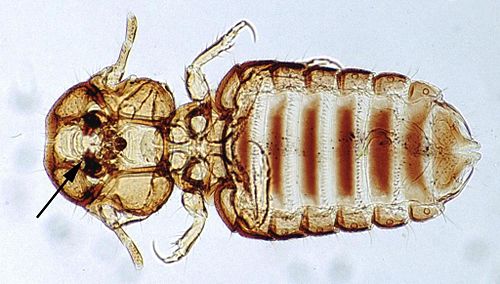
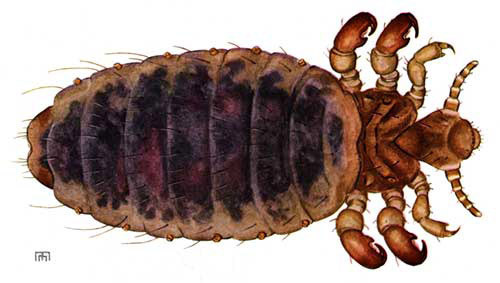
There are two main types of lice in cattle: chewing lice and sucking lice.
The most common louse is the chewing louse, Bovicola bovis, which feeds on skin debris and hair. Sucking lice such as Linognathus vituli, Haematopinus eurysternus and Solenopotes capillatus feed on blood.
Low burdens are often of little significance in healthy cattle, but heavier infestations cause irritation, rubbing and patchy hair loss, alongside restlessness which can impact time spent feeding. Where sucking lice are present in large numbers, affected animals may become weak or anaemic. Disease caused by lice is called pediculosis.
Because lice are passed on mostly by direct animal-to-animal contact, problems tend to build during housing. Cattle that are already doing poorly are more likely to carry heavy burdens, and new stock can bring lice into a herd if they are not checked and quarantined first.
In one Irish study, lice were detected in 94% of beef herds visited, while in Great Britain 18% of beef herds reported lice, highlighting how common infestations can be.
Mange in Cattle
Mange is caused by mites living on or in the skin, leading to dermatitis, irritation and hair loss. Several mite species can affect cattle, but chorioptic mange, caused by Chorioptes bovis, is the most common form seen in the UK and Ireland.
Chorioptic mange usually affects the tail head, lower legs and udder area. Signs include:
- Scurf
- Crusting
- Hair loss
- Rubbing
Severity can vary considerably between animals.
Sarcoptic mange is less common but can be more severe. It can cause:
- Intense itching
- Thickened skin
- Extensive crusting
It should always be investigated promptly with veterinary input.
Mite populations, like lice, are usually highest during winter housing. Unlike lice, some mite species can survive away from the animal for a period of time, meaning contaminated housing, bedding or equipment may play a role in reinfection.
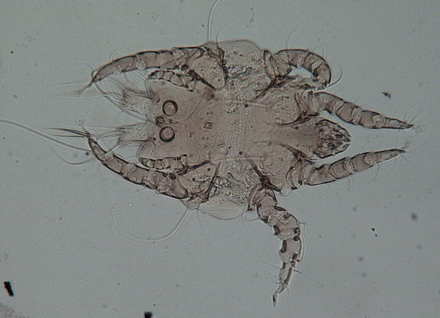
Flies in Cattle
Flies are the main summer ectoparasites of cattle. They cause irritation and behavioural disruption, and some species can also spread disease, including:
- Summer mastitis
- New Forest Eye
- Bluetongue (in some regions)
There are many species of fly that can affect cattle in the UK and Ireland.
Biting flies feed on blood, while non-biting flies, also known as nuisance flies, feed on tears, saliva, sweat or secretions around wounds.
Both types can be highly irritating, reducing grazing time and leading to:
- Bunching
- Head shaking
- Tail swishing
- General restlessness
Fly challenge is usually greatest from late spring through to early autumn, especially in warm, still conditions and around moist, dirty areas.
Good hygiene, manure management and targeted fly control can all help reduce fly pressure.
Diagnosis and Monitoring
Diagnosis begins with careful observation of cattle and attention to seasonal risk.
Lice and mange should be suspected in housed cattle showing rubbing, itching, poor coats or patchy hair loss, particularly from mid-winter onwards. If ectoparasite treatments are not given at housing, stock should be checked a couple of months later, as this is often when problems become visible.
Lice can usually be seen with the naked eye by parting the coat, especially in pale-coated animals or around affected areas. Distinguishing chewing lice from sucking lice can help inform treatment choice, while mites may require veterinary investigation and skin scrapes for diagnosis.
It is also important to look beyond the parasites themselves. Heavy lice burdens are often associated with underlying issues in husbandry, nutrition or health, so a broader herd review is worthwhile where infestations are severe or recurrent.

Treatment and Control
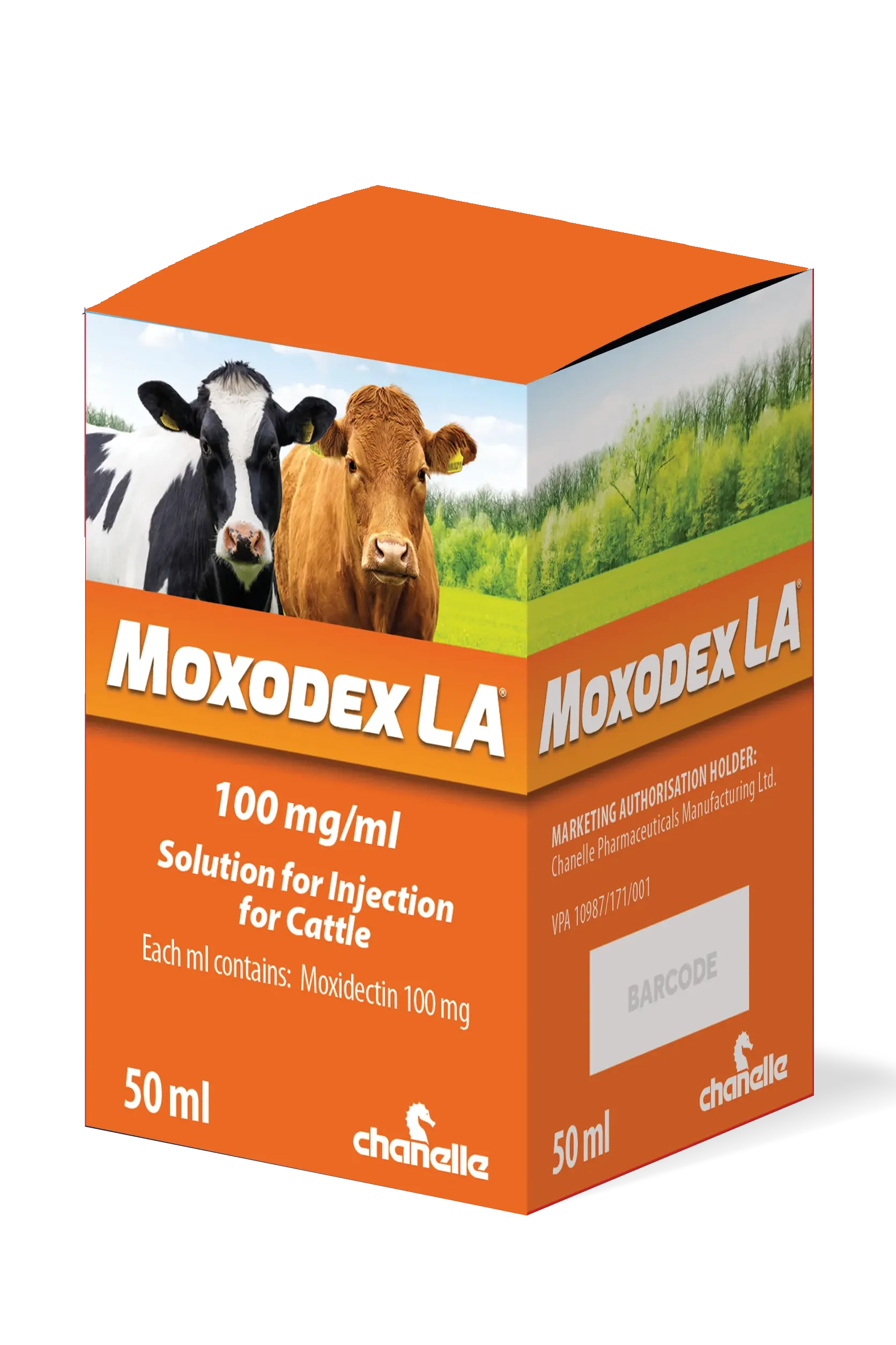
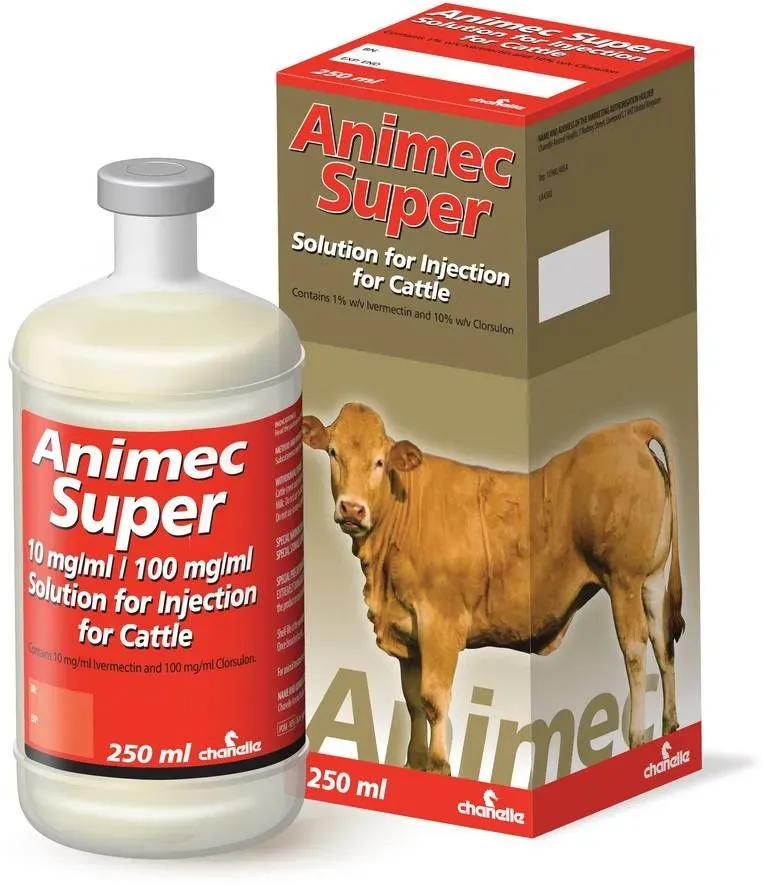
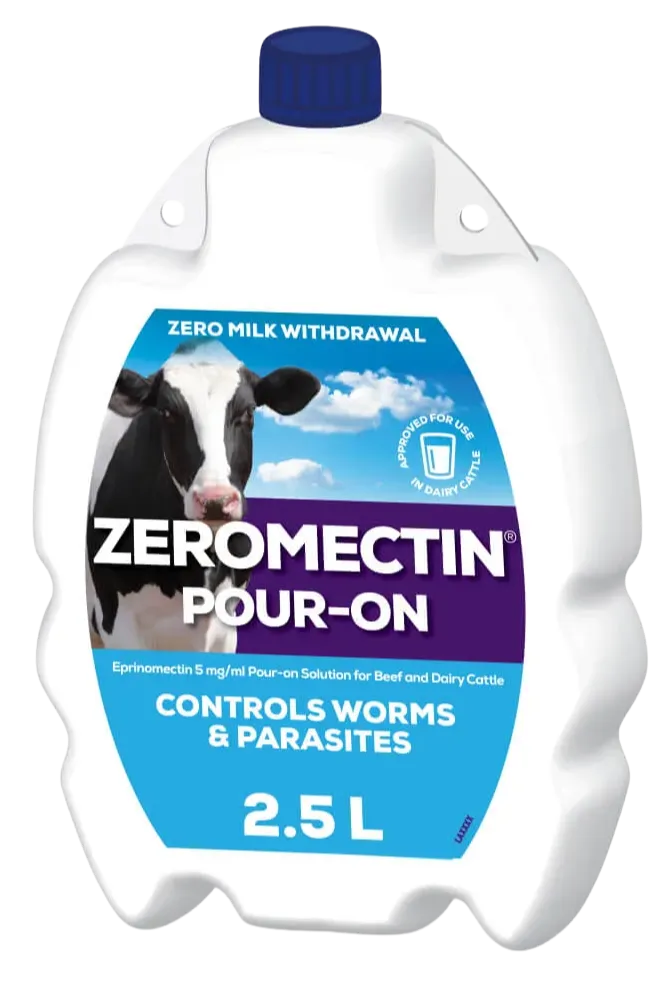
Treatment should be based on the parasite present, the severity of the problem and whether there is also a need to treat internal parasites. Your vet or SQP/RAMA will be able to advise the best treatment for your farm.
Key control measures include:
- Confirm the parasite involved before treating, especially where mange is suspected.
- Treat all in-contact cattle where a group treatment is needed, and avoid mixing treated and untreated animals.
- Use the right product for the parasite present.
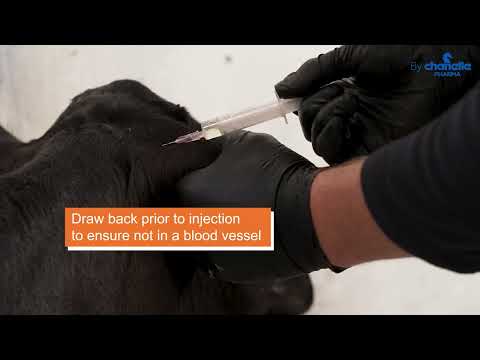
- Apply products accurately and dose to the correct weight, as poor technique and underdosing increase the risk of failure.
- Check whether a second treatment is needed, as some products do not kill eggs.
- Investigate treatment failures properly, considering reinfection, poor application, untreated contacts and possible resistance.
- Improve the environment with good ventilation, clean bedding and adequate space.
- Check overall herd health in case of underlying disease.
- Use good biosecurity by checking, isolating and, where needed, treating incoming stock before they join the main group.
References
- McKiernan F, O'Connor J, Minchin W, O'Riordan E, Dillon A, Harrington M, Zintl A. A pilot study on the prevalence of lice in Irish beef cattle and the first Irish report of deltamethrin tolerance in Bovicola bovis. Irish Veterinary Journal. 2021;74(1):20.
- Lihou K, Wall R. Prevalence and distribution of lice on sheep and cattle farms in Great Britain. Veterinary Parasitology. 2021;294:109444.
Products






Videos








Blog




.webp)
.webp)





More Diseases
Know the solution.


CPD for SQPs & Vets
Sharpen your knowledge

DOsing Best Practices
Get the dose right every time