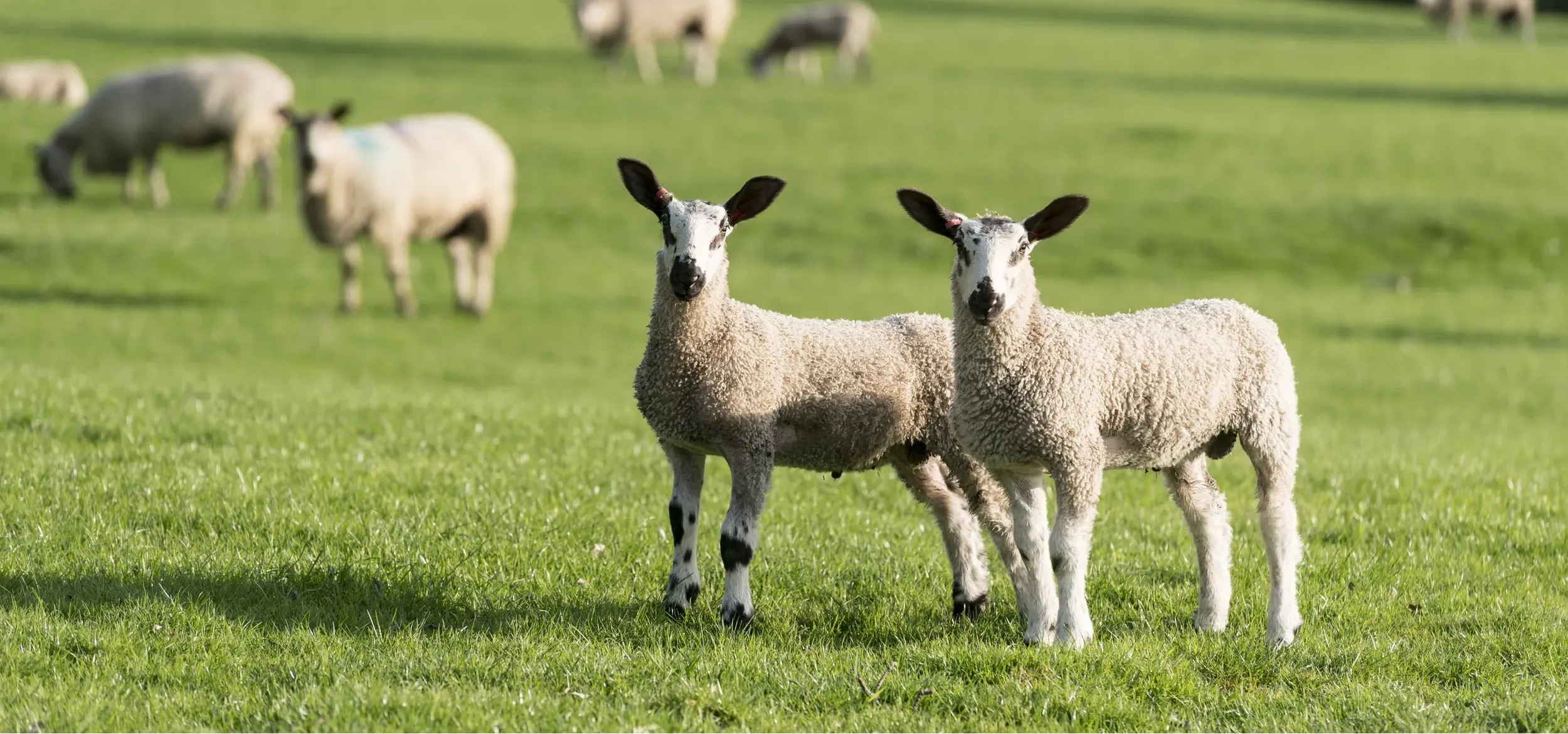
Liver Fluke in Sheep
Quick Facts
The Impact of Liver Fluke
Liver fluke is a parasitic disease caused by Fasciola hepatica. It is one of the most economically important parasites affecting grazing livestock across the UK and Ireland.
The parasite damages the liver as immature fluke migrate through the organ before later feeding within the bile ducts.
Losses can occur through:
- Poor feed conversion
- Reduced growth rates
- Liver condemnation at slaughter
- Increased susceptibility to other diseases
Fluke infection is strongly influenced by weather, grazing conditions and the presence of mud snails, which act as the parasite's intermediate host.
Economic Impact
In sheep, liver fluke can cause:
- Sudden death in acute infections
- Reduced meat production by up to 30%
- Reduced ewe productivity
How Does Infection Occur?
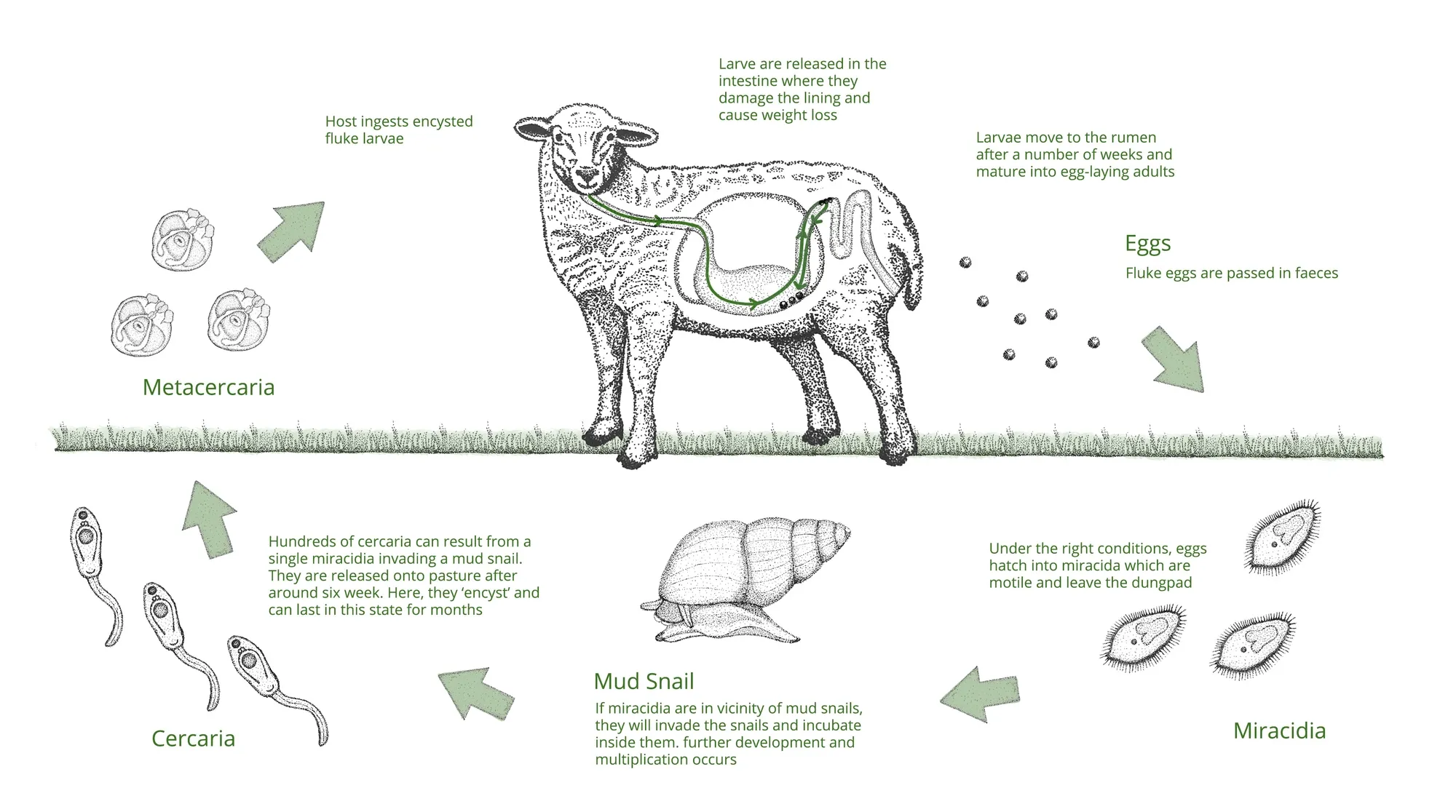
The lifecycle of Fasciola hepatica requires a mud snail as an intermediate host, where larvae continue their development.
What Impacts Fluke Risk?
The fluke challenge varies greatly between years, between farms and even between different fields on the same farm.
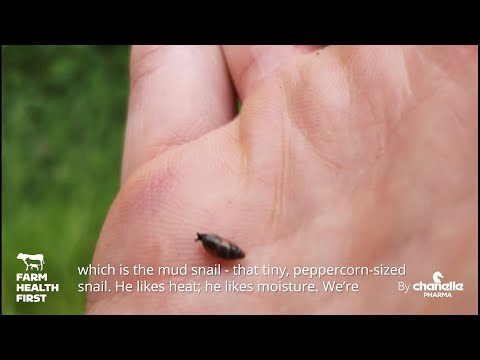
Fluke transmission depends on the mud snail (Galba truncatula). These snails thrive in wet, boggy ground, making poorly drained fields, muddy gateways and areas around water troughs important fluke hotspots.
Warm, wet conditions increase both snail populations and parasite development, which is why fluke risk is increasing with changing weather patterns.
Clinical Signs of Fluke in Sheep
Sheep are generally more susceptible to severe liver fluke disease than cattle. Large numbers of immature fluke migrating through the liver can cause acute disease and sudden death, particularly during autumn.
Acute Fluke (Typically July to December)
- Pale mucous membranes (anaemia)
- Weakness
- Sudden death
- Abdominal pain
Sub-acute Fluke (Typically October to January)
- Rapid weight loss
- Pale mucous membranes (anaemia)
- Bottle jaw (fluid swelling beneath the jaw)
Chronic Fluke (Typically January to April)
- Progressive weight loss
- Poor appetite
- Pale mucous membranes (anaemia)
- Bottle jaw (fluid swelling beneath the jaw)
- Diarrhoea
- Reduced productivity
Diagnosing Liver Fluke
Diagnosis may involve several different tests.
Faecal Egg Counts (FECs)
- Egg detection confirms adult liver fluke infection.
- Eggs usually only appear 10 to 12 weeks after infection.
Blood Antibody ELISA Test
- Detects antibodies against liver fluke.
- Can identify exposure earlier than faecal egg counts.
Coproantigen ELISA Test
- Detects liver fluke antigens in faeces before egg production begins.
Your vet will combine test results with farm history and seasonal risk when diagnosing liver fluke infection.
Flukicide Treatments
Several active ingredients are available for controlling liver fluke:
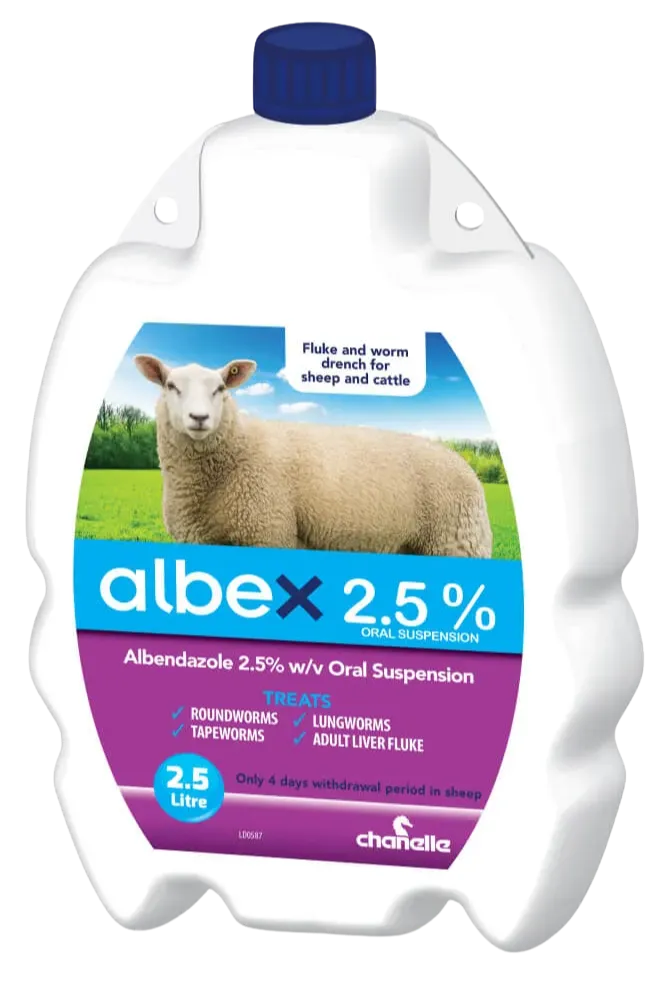
- Albendazole
- Oxyclozanide
- Nitroxynil
- Closantel
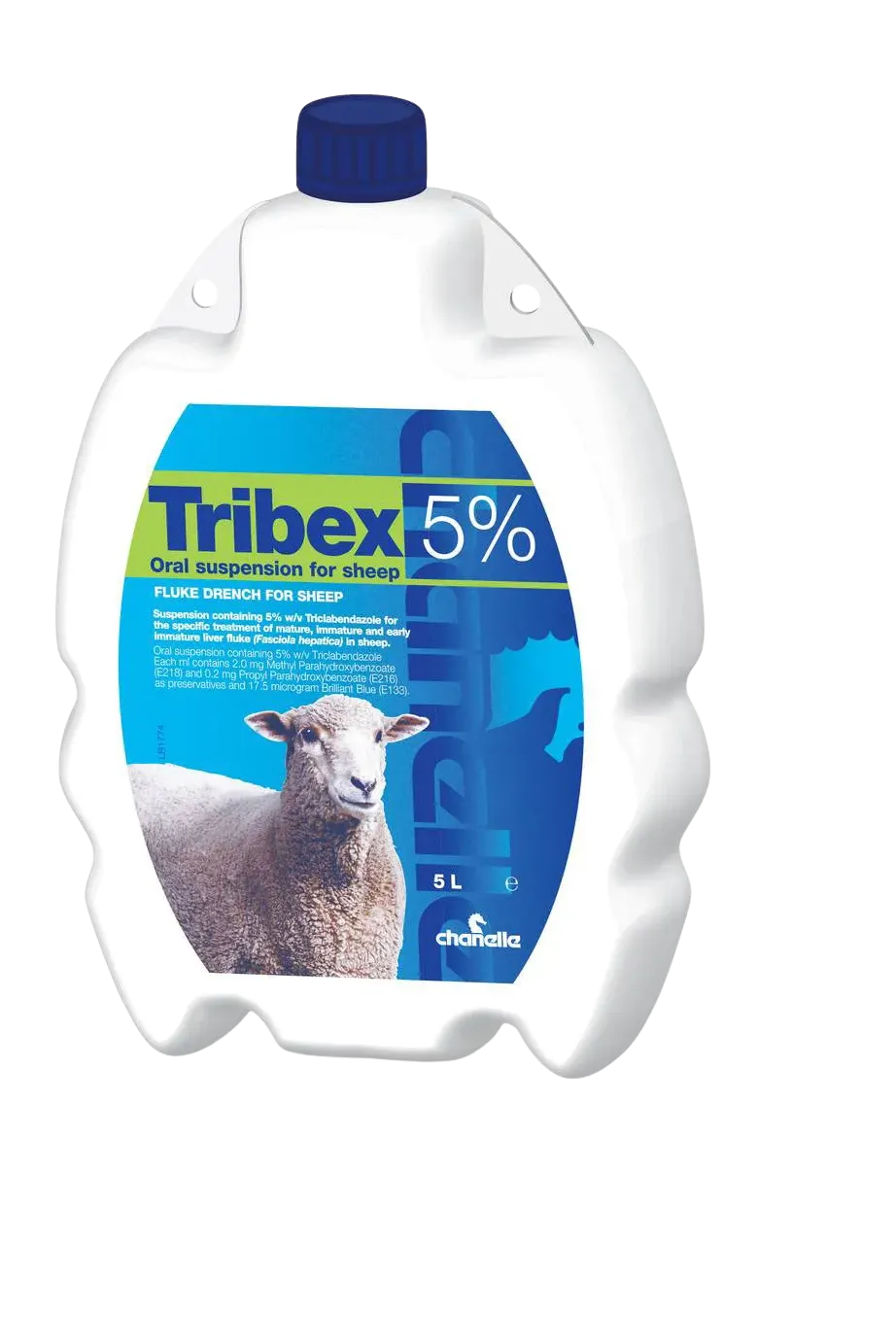
- Triclabendazole (TBZ)
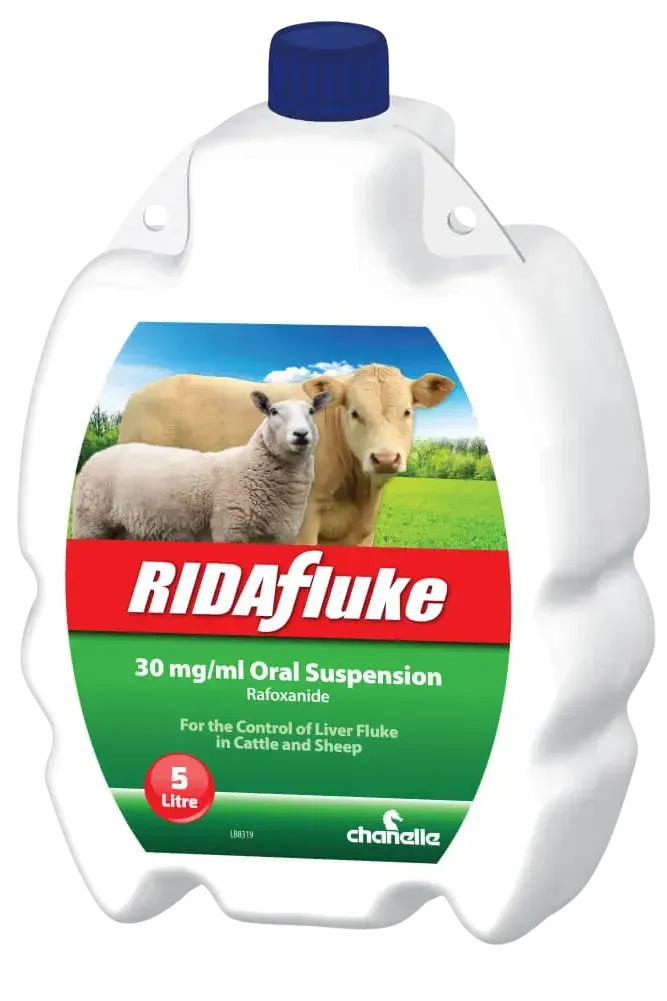
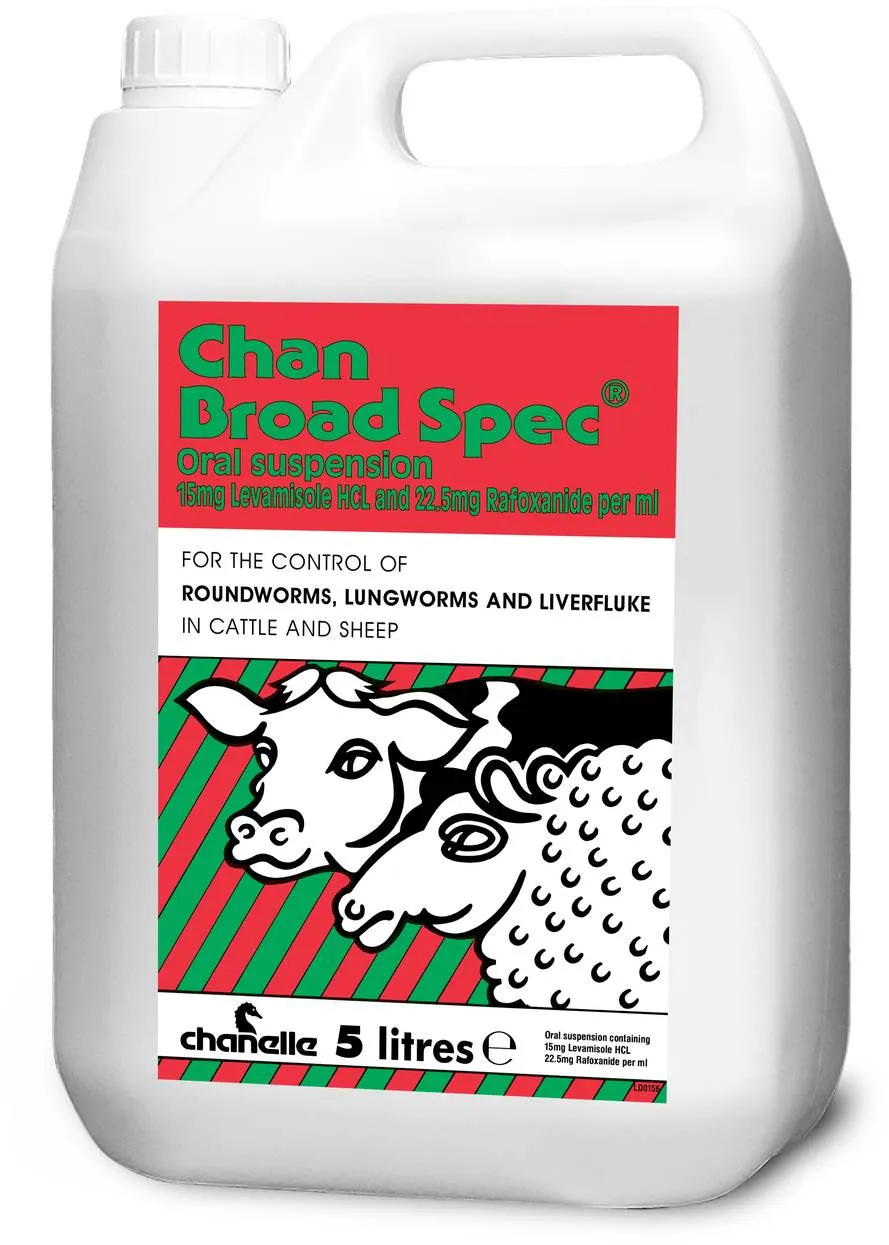
- Rafoxanide
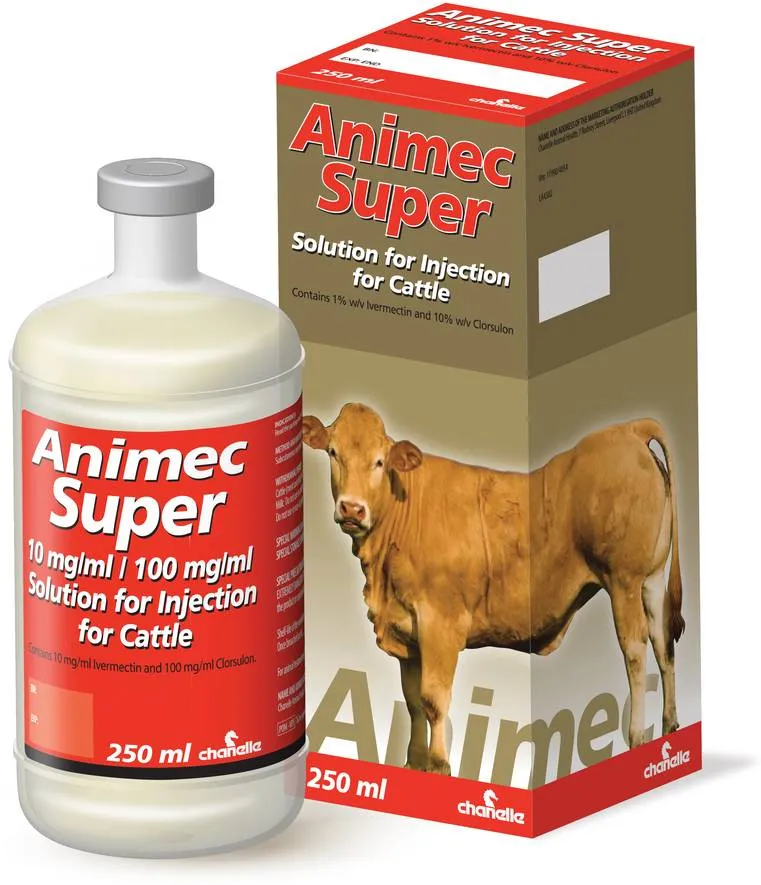
- Clorsulon
Different products target different stages of the parasite. Treatment choice should therefore be based on:
- Time of year
- Parasite stage present
- Resistance risk
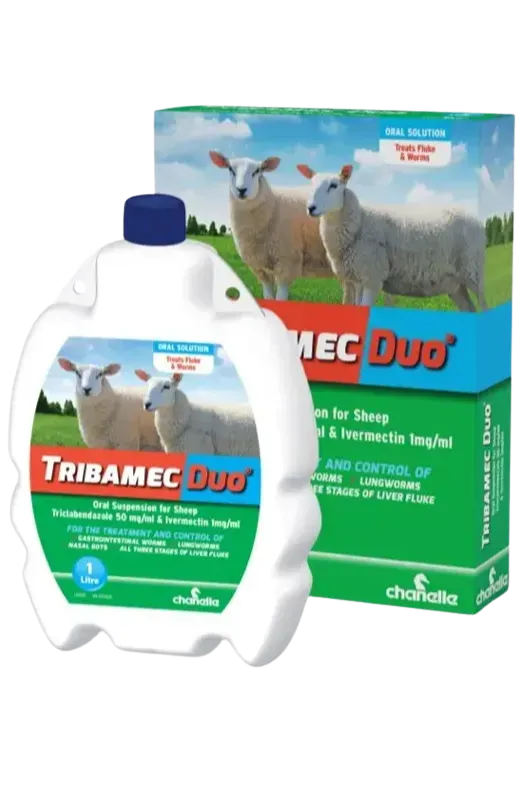
Triclabendazole is the only active ingredient effective against all immature and adult stages of liver fluke. However, resistance has been reported in both the UK and Ireland, making responsible treatment use essential.
Sustainable Fluke Control
Key principles include:
Assess and Manage Grazing Risk
Map your farm
- Identify wet areas and mud snail habitats on pasture.
- Consider previous grazing history for cattle and sheep.
Reduce exposure
- Fence off high-risk wet areas where possible.
- Choose alternative grazing where appropriate.
Use Diagnostics
- Testing helps determine whether infection is present and guides treatment timing.
Target Treatments
- Avoid unnecessary treatments to reduce resistance pressure.
Work With Your Vet
- Veterinary advice helps develop a fluke control plan suited to your farm.
Rumen Fluke
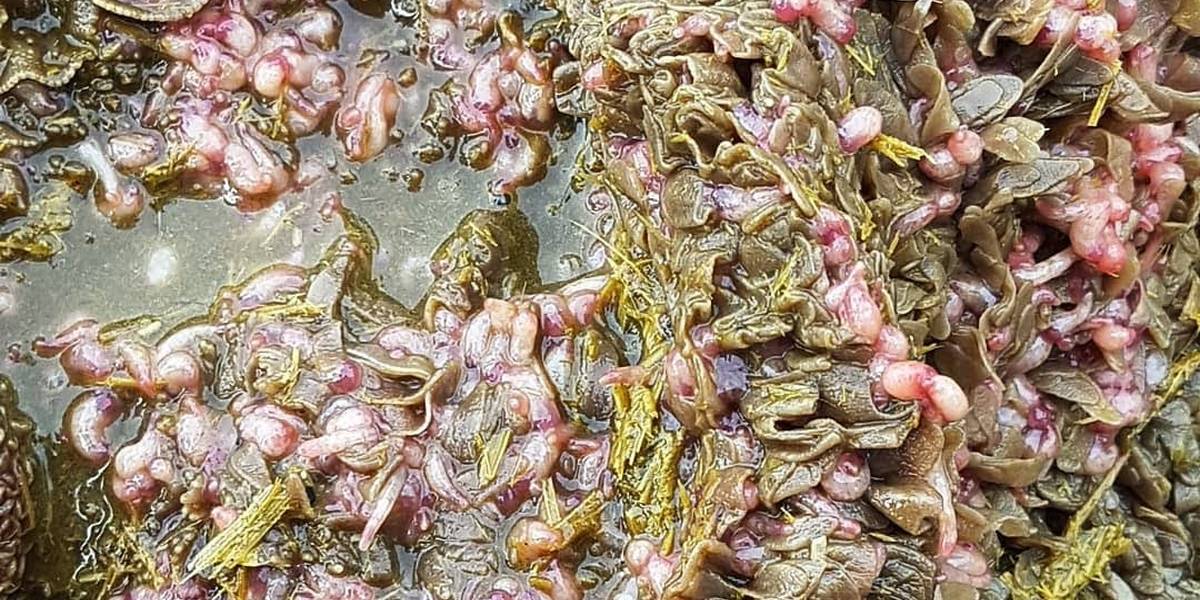
The presence of rumen fluke (Calicophoron daubneyi) in the UK and Ireland is increasingly recognised. Studies from Ireland indicate that it is now widespread, although its clinical significance remains debated.
Rumen fluke shares a similar lifecycle to liver fluke, including the use of the mud snail as an intermediate host. As a result, where rumen fluke is present, liver fluke is usually present as well.
In general, rumen fluke is considered an incidental finding in sheep, and adult fluke are not clinically significant. There have, however, been rare cases of inflammation of the small intestine caused by large numbers of immature fluke.
At present, no products are specifically licensed for rumen fluke in the UK. However, research, including Animal Health Ireland guidance, indicates that oxyclozanide is effective against both immature and adult stages.
Treatment decisions should always be made in consultation with your vet and following an appropriate diagnosis.
Oxyclozanide is an important medicine on farms where triclabendazole-resistant liver fluke is present. Using it specifically to treat rumen fluke should only be undertaken on veterinary advice and where there is strong evidence that rumen fluke is causing disease.
Products


.webp)

Videos














Blog










More Diseases
Know the solution.


CPD for SQPs & Vets
Sharpen your knowledge

DOsing Best Practices
Get the dose right every time