What Should You Know About Faecal Sampling - Part 1
Collecting and interpreting faecal samples
We are receiving lots of queries on faecal sampling at present.
They play a key role in animal health planning and management on farms and it's vital we understand how to get the most from them.
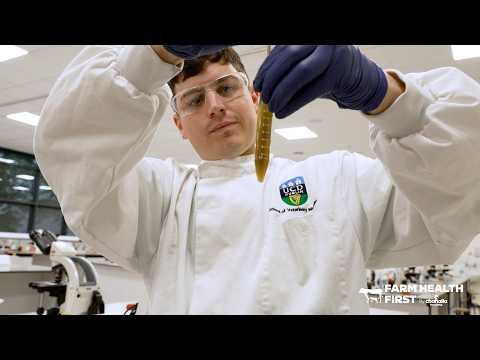
A basic faecal sample involves preparing a sample and visually identifying parasites based on the appearance of their eggs or oocysts.
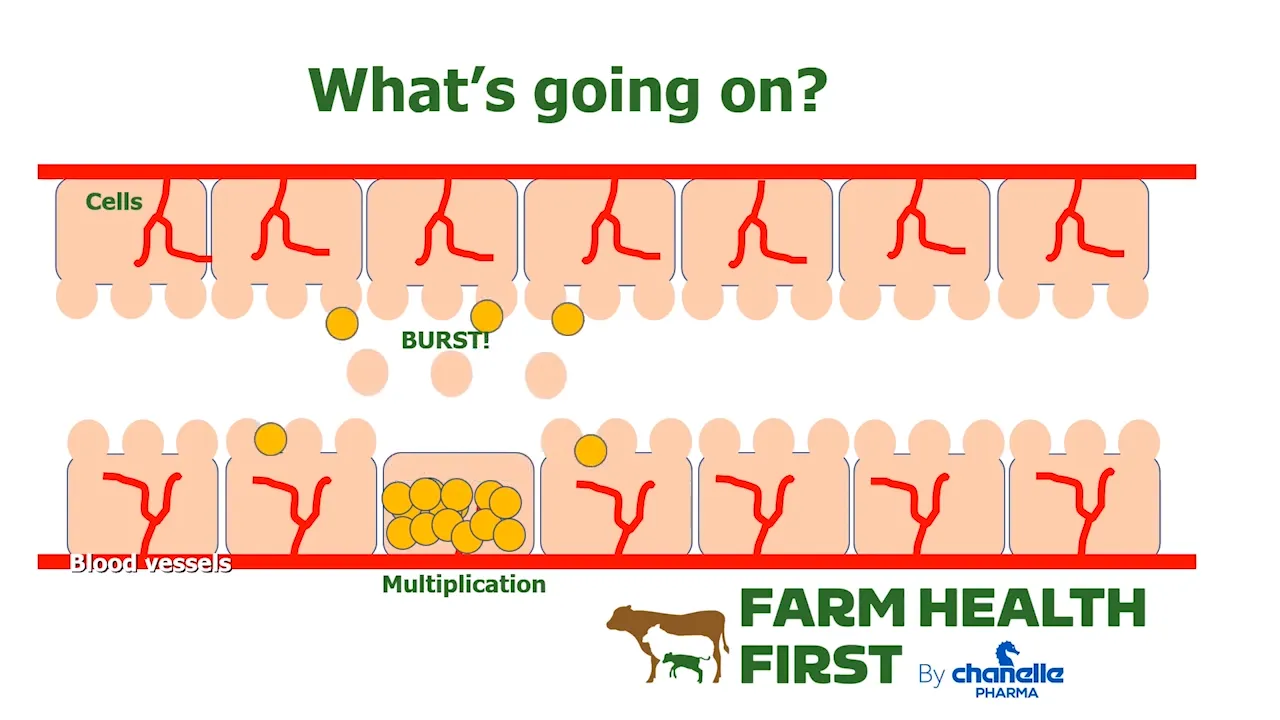
The four main things we look for in a basic ruminant FEC sample are coccidia, stomach or gut worms, Nematodirus spp. and Moniezia spp. (ruminant tapeworm).
With coccidia and stomach or gut worm, we can tell that they're there, but not which species is there. For both parasites, certain species can be more dangerous than others - particular with coccidia where most species are harmless but a small number are deadly.
Nematodirus is easy to identify as its eggs are much larger than other gastrointestinal worms.
Tapeworm eggs are identifiable too, though the parasite is largely harmless.
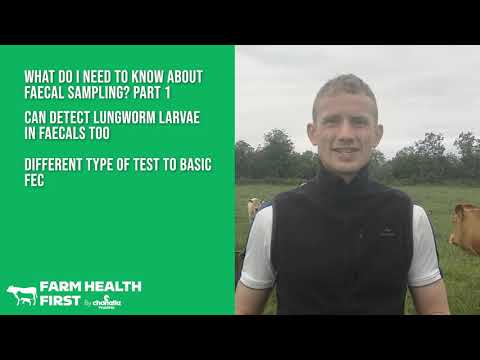
The test to detect lungworm larvae (not eggs in this case as these hatch inside the animal) is different and known as a Baermann test.
There are two ways we can test for liver fluke using faeces - a sedimentation test to look for eggs, or a coproantigen test which is becoming more popular and involves looking for immune 'signals' that the animal has recently encountered, or is encountering, a fluke infection.
Learn more
Collecting and interpreting faecal samples
We are receiving lots of queries on faecal sampling at present.
They play a key role in animal health planning and management on farms and it's vital we understand how to get the most from them.
A basic faecal sample involves preparing a sample and visually identifying parasites based on the appearance of their eggs or oocysts.
The four main things we look for in a basic ruminant FEC sample are coccidia, stomach or gut worms, Nematodirus spp. and Moniezia spp. (ruminant tapeworm).
With coccidia and stomach or gut worm, we can tell that they're there, but not which species is there. For both parasites, certain species can be more dangerous than others - particular with coccidia where most species are harmless but a small number are deadly.
Nematodirus is easy to identify as its eggs are much larger than other gastrointestinal worms.
Tapeworm eggs are identifiable too, though the parasite is largely harmless.
The test to detect lungworm larvae (not eggs in this case as these hatch inside the animal) is different and known as a Baermann test.
There are two ways we can test for liver fluke using faeces - a sedimentation test to look for eggs, or a coproantigen test which is becoming more popular and involves looking for immune 'signals' that the animal has recently encountered, or is encountering, a fluke infection.
Learn more



Newsletter









































































Blog






































.webp)
.webp)
.webp)
.webp)
.webp)
.webp)
.webp)
.webp)
.webp)

.webp)



.webp)





.webp)
.webp)


.jpeg)













.webp)



%2520-%2520What%2520is%2520coccidiosis_%25200-27%2520screenshot.webp)




.webp)






.webp)



CPD for SQPs & Vets
Sharpen your knowledge

DOsing Best Practices
Get the dose right every time