What Should You Know About Faecal Sampling - Part 2
Collecting and interpreting faecal samples
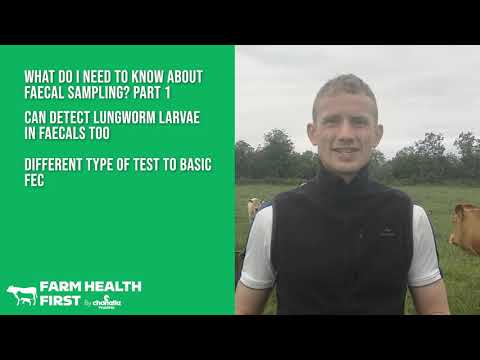
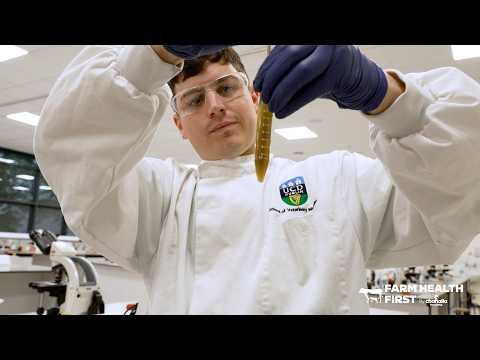
Following on from last week, this week's video looks in further detail at the popular diagnostic tool.
The presence of eggs or oocysts in a faecal sample tells us that the lifecycle of the parasite has completed in the animal and/or we have adult parasites present. Adults, or mature parasites, are the stage that reproduces.
However, it's important to note that earlier stages of a parasite can be present in the animal and doing damage/affecting performance, without any presence in faecal samples.
So, a clear faecal sample is not a guarantee that the animal is parasite-free, just that there are no adult parasites present.
Often, the immature stages of a parasite's lifecycle can be more damaging that the adult stages - liver and rumen fluke being excellent examples.
To get around this we time our faecal sample strategically - based on knowing the length of a parasite lifecycles or time since animal has been last exposed to potentially infective pastures (e.g. weeks post-housing) - or simple repeat sampling.
Whan taking a faecal sample, a rule of thumb is that we should hear or see the faeces hit the ground - freshness is important. If you are unsure, check the faeces is warm with a gloved hand.
Ask the lab/vet/company running the analysis for you, they will likely send you out sampling pots or advise you on what to use.
Ideally, send the samples off the same day you collect them.
Don't freeze and ideally don't refrigerate the sample before sending.
Learn more
Collecting and interpreting faecal samples
Following on from last week, this week's video looks in further detail at the popular diagnostic tool.
The presence of eggs or oocysts in a faecal sample tells us that the lifecycle of the parasite has completed in the animal and/or we have adult parasites present. Adults, or mature parasites, are the stage that reproduces.
However, it's important to note that earlier stages of a parasite can be present in the animal and doing damage/affecting performance, without any presence in faecal samples.
So, a clear faecal sample is not a guarantee that the animal is parasite-free, just that there are no adult parasites present.
Often, the immature stages of a parasite's lifecycle can be more damaging that the adult stages - liver and rumen fluke being excellent examples.
To get around this we time our faecal sample strategically - based on knowing the length of a parasite lifecycles or time since animal has been last exposed to potentially infective pastures (e.g. weeks post-housing) - or simple repeat sampling.
Whan taking a faecal sample, a rule of thumb is that we should hear or see the faeces hit the ground - freshness is important. If you are unsure, check the faeces is warm with a gloved hand.
Ask the lab/vet/company running the analysis for you, they will likely send you out sampling pots or advise you on what to use.
Ideally, send the samples off the same day you collect them.
Don't freeze and ideally don't refrigerate the sample before sending.
Learn more



Newsletter

































































Blog























.webp)
.webp)
.webp)
.webp)
.webp)
.webp)
.webp)
.webp)
.webp)

.webp)


.webp)




.webp)
.webp)


.jpeg)











.webp)


%2520-%2520What%2520is%2520coccidiosis_%25200-27%2520screenshot.webp)




.webp)






.webp)



CPD for SQPs & Vets
Sharpen your knowledge

DOsing Best Practices
Get the dose right every time