Coccidiosis in Sheep
Quick Facts
The Impact of Coccidiosis
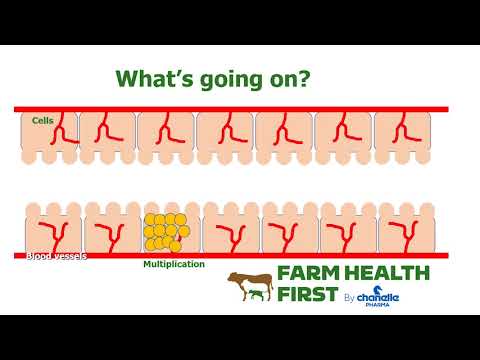
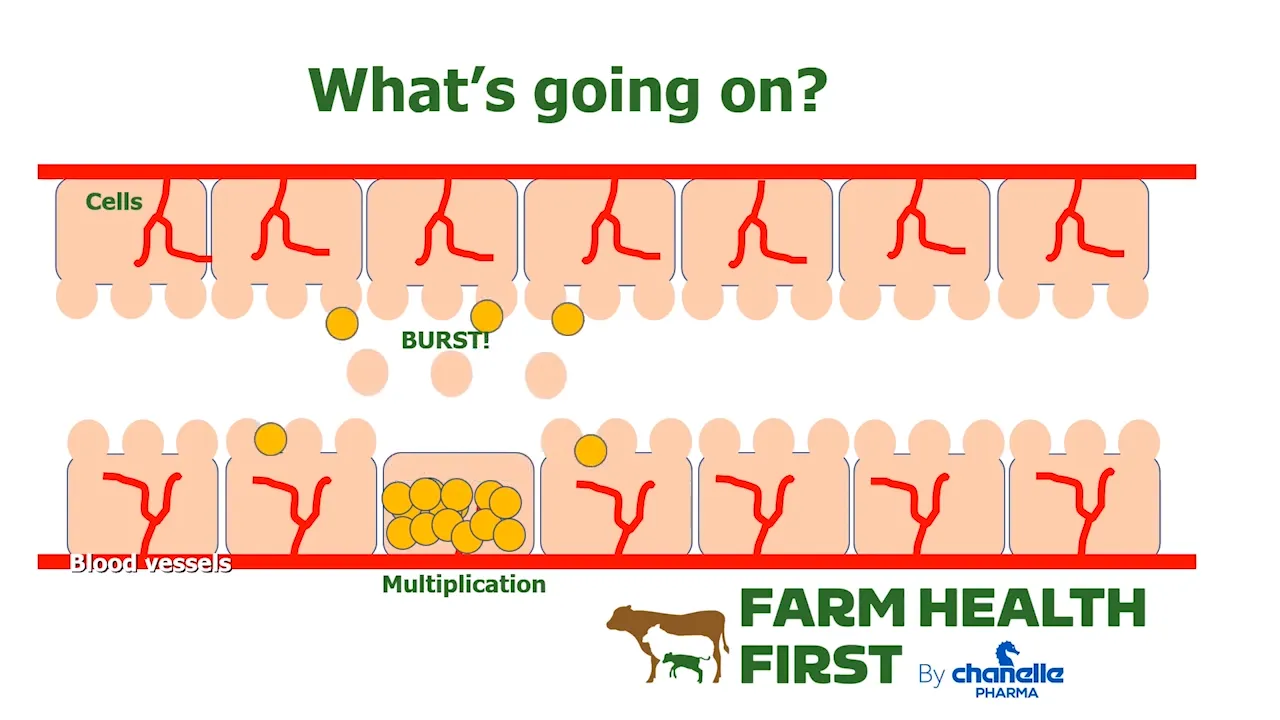
Coccidiosis is a common and costly disease of young livestock, including lambs. It damages the lining of the gut, reducing nutrient absorption and growth.
Clinical disease can cause:
- Scour (sometimes with blood)
- Ill thrift and poor growth
- Increased susceptibility to other diseases
- In severe cases, death
However, subclinical disease is much more common and causes the greatest financial damage on farm.
What Causes Coccidiosis?
Coccidiosis is caused by coccidia, microscopic protozoal parasites, which all ruminants kept under normal conditions will encounter.
The main pathogenic species affecting lambs are:
- Eimeria ovinoidalis
- Eimeria crandallis
It is important to remember:
- Coccidia are host-specific. Sheep coccidia do not infect cattle, and cattle coccidia do not infect sheep.
- Many non-pathogenic coccidia species can be found in healthy animals without causing disease.
- Disease occurs when pathogenic species are present in high numbers, particularly in young or stressed animals.
- Coccidia oocysts (eggs) are highly resistant and can survive for long periods in housing and at pasture, including over winter. They also thrive in damp conditions.
Understanding how coccidiosis spreads, which animals are most at risk, and how to manage housing, grazing and treatment strategies is key to reducing losses and improving growth rates.
How Does Coccidiosis Spread?
Adult sheep act as carriers, while lambs become infected by ingesting oocysts as they graze and explore their surroundings.
As the lambing season progresses, infected lambs shed increasing numbers of oocysts into the environment, allowing contamination levels to build rapidly.
Most coccidia species have a pre-patent period of approximately 21 days, which is the time between ingestion of the parasite and shedding of new oocysts in the dung.
Disease outbreaks commonly occur following stressful events such as bad weather or weaning.
Immunity and Disease Risk
Under natural conditions, young animals are exposed to low levels of coccidia. This causes only minor gut damage, which is easily repaired, while helping the animal develop immunity.
However, disease can develop rapidly when:
- Environmental contamination with pathogenic coccidia species is high.
- Naïve animals, often immunocompromised due to age or other stressors, are exposed.
Coccidiosis is most commonly seen in intensively reared systems, particularly indoors, but it can also occur at pasture where lambs congregate around heavily contaminated areas such as creep feeders and water troughs.
Clinical Signs in Lambs
Disease is typically seen in lambs between 4 and 6 weeks of age.
Signs include:
- Profuse scour, sometimes containing mucus, blood or a foul smell
- Dirty back ends
- Straining and discomfort, sometimes with rectal prolapse
- Inappetence and dullness
- Long-term poor growth
- Death is uncommon but can occur
Diagnosing Coccidiosis in Lambs
Nematodirosis can present with very similar signs during the early stages of disease.
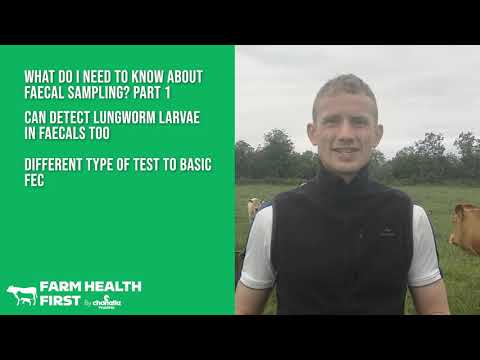
Faecal Egg Counts (FECs)
- Faecal egg counts are essential for making an accurate diagnosis.
Many diseases can cause chronic poor thrive in lambs, so veterinary investigation is important to ensure the correct diagnosis and treatment.
Preventing Coccidiosis in Lambs
Good control relies on reducing environmental contamination while protecting susceptible animals.
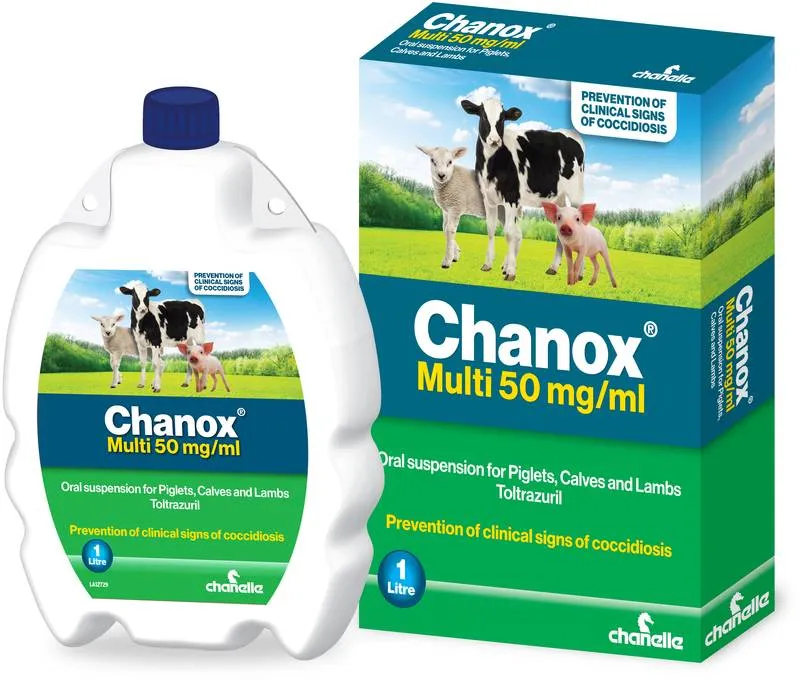
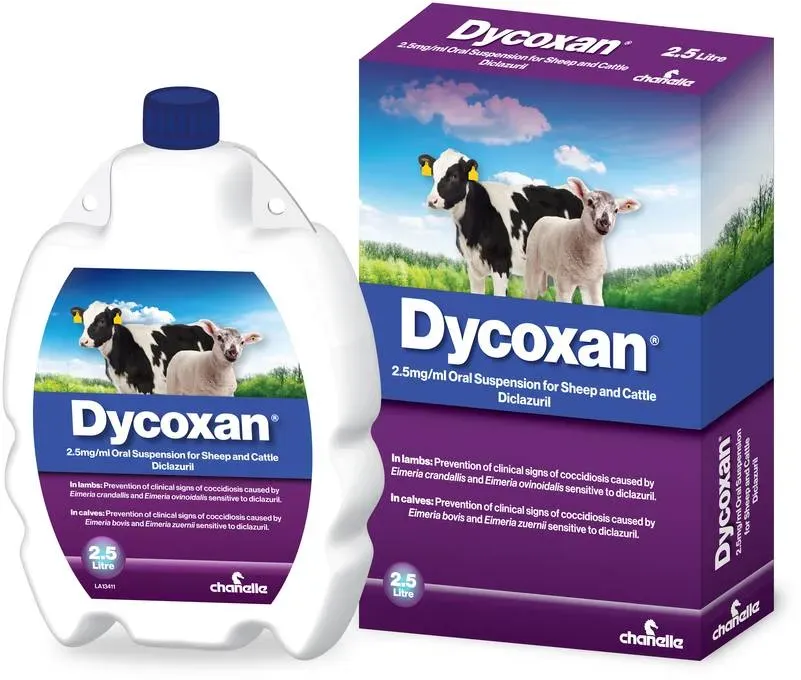
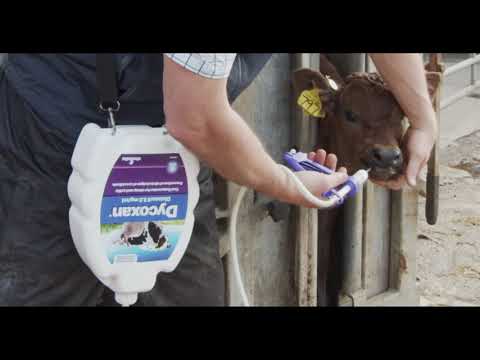
Speak to your vet about timely preventative treatment with either diclazuril or toltrazuril to help prevent disease and reduce environmental contamination on your farm.
Coccidiostats can also be added to feed under veterinary prescription as an alternative control measure. This approach relies on all youngstock consuming a consistent amount of feed each day but does not allow animals to develop their own immunity through natural exposure.
Managing a Disease Outbreak
Before treating, ensure coccidiosis is the most likely cause, as many conditions can cause scour and poor thrive. If your farm has a known history of coccidiosis, treatment should begin as soon as clinical signs are observed.
Treatments such as diclazuril and toltrazuril should always be combined with appropriate management and control measures.
Supportive Care
Under veterinary guidance:
- Rehydration and electrolyte therapy tailored to the individual animal.
- NSAIDs for sick lambs where appropriate.
Environmental Control
- Thoroughly clean and disinfect pens, water troughs and feeders.
- Ensure the disinfectant used is effective against Eimeria species.
- Isolate scouring lambs.
- If lambs are at pasture, move them onto clean grazing where possible.
References
- Daugschies, A., et al. (2007). Veterinary Parasitology, 149, 199-206.
- Platzer, B., et al. (2005). Veterinary Parasitology, 129, 1-9.
- Romero, J., et al. (2013). Veterinary Parasitology, 193, 277-280.
- Scala, A., et al. (2014). Small Ruminant Research, 120, 242-246.
- Enemark, H. L., et al. (2015). Parasitology Research, 114, 201-212.
- Mundt, H. C., et al. (2009). Parasitology Research, 105, 141-150.
- Diaferia, M., et al. (2013). Parasitology Research, 112, 163-168.
Products

Videos













Blog
.webp)
.webp)
.webp)
.webp)
.webp)
.webp)






%2520-%2520What%2520is%2520coccidiosis_%25200-27%2520screenshot.webp)

More Diseases
Know the solution.


CPD for SQPs & Vets
Sharpen your knowledge

DOsing Best Practices
Get the dose right every time