Lungworm in Cattle
Quick Facts
Introduction
Lungworm (Dictyocaulus viviparus) is a major cause of respiratory disease in grazing cattle across the UK and Ireland.
Often called husk or hoose because of the characteristic cough, infection can lead to rapid performance losses, respiratory distress and, in severe cases, death, particularly in youngstock.
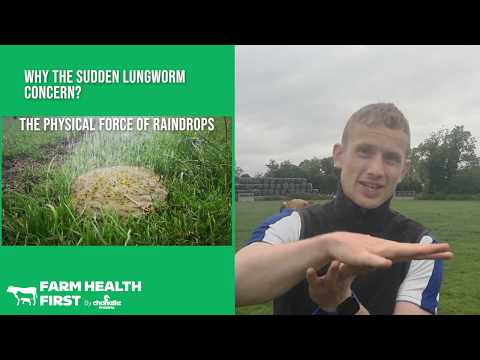
Outbreaks typically occur later in the grazing season but are highly unpredictable. Risk increases during warm, wet conditions, when infective larvae spread rapidly from dung onto pasture.
The Impact of Lungworm
Lungworm most commonly affects cattle exposed for the first time at grazing, although outbreaks in adult cattle are becoming increasingly common.
Estimated costs include:
- UK: Severe outbreaks cost approximately £50-£100 per animal
- Ireland: Dairy herd outbreaks are estimated to cost €159-167 per cow
Losses arise from:
- Reduced milk yield
- Reduced growth rates
- Treatment costs
- Death in severe cases
Even mild infections can have a lasting impact on growth, milk yield and overall performance.
How Infection Occurs

Lungworm larvae are ingested during grazing and migrate from the gut to the lungs, where they mature into egg-laying adult worms. Eggs hatch into larvae, which are coughed up, swallowed and passed out in the dung.
The larvae continue developing within the dung pats before moving onto surrounding pasture.
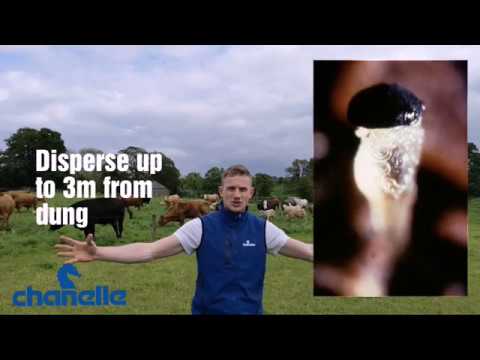
A fungus called Pilobolus, which grows on dung pats, helps spread infective larvae. Larvae attach themselves to fungal spores that are then dispersed by breezes.
The complete lifecycle takes approximately 3 to 4 weeks.
Grazing a heavily contaminated pasture for even a single day can be enough to cause disease.
Animals Most at Risk
Cattle develop immunity to lungworm through natural exposure, typically by around 18 months of age. However, this immunity declines over time if it is not naturally boosted.
Disease is most commonly seen in:
- Autumn-born suckler calves during their first summer and autumn at grass
- Spring-born dairy calves
Adult dairy herds may also experience outbreaks, particularly where replacement animals:
- Were housed when younger
- Received prolonged-release worming products that prevented normal exposure to parasites
Reinfection Syndrome
Adult cattle with partial immunity may develop reinfection syndrome when larval challenge is high.
This results from an immune reaction to migrating larvae within the lungs and can cause:
- Severe coughing
- Sudden drop in milk yield
Larvae are usually not present in the faeces. Diagnosis is therefore based on:
- Farm history
- Clinical signs
- Raised eosinophil counts in blood samples
Signs of Lungworm
Lungworm infection causes inflammation of the airways (bronchitis) and damage to lung tissue, leading to reduced performance and increasing the risk of secondary bacterial pneumonia.
Acute Disease
Signs include:
- Sudden milk yield drop in dairy herds
- Severe respiratory distress (open-mouth breathing with neck extended)
- Deep, rattling cough
- Rapid loss of body condition
- Collapse when animals are moved
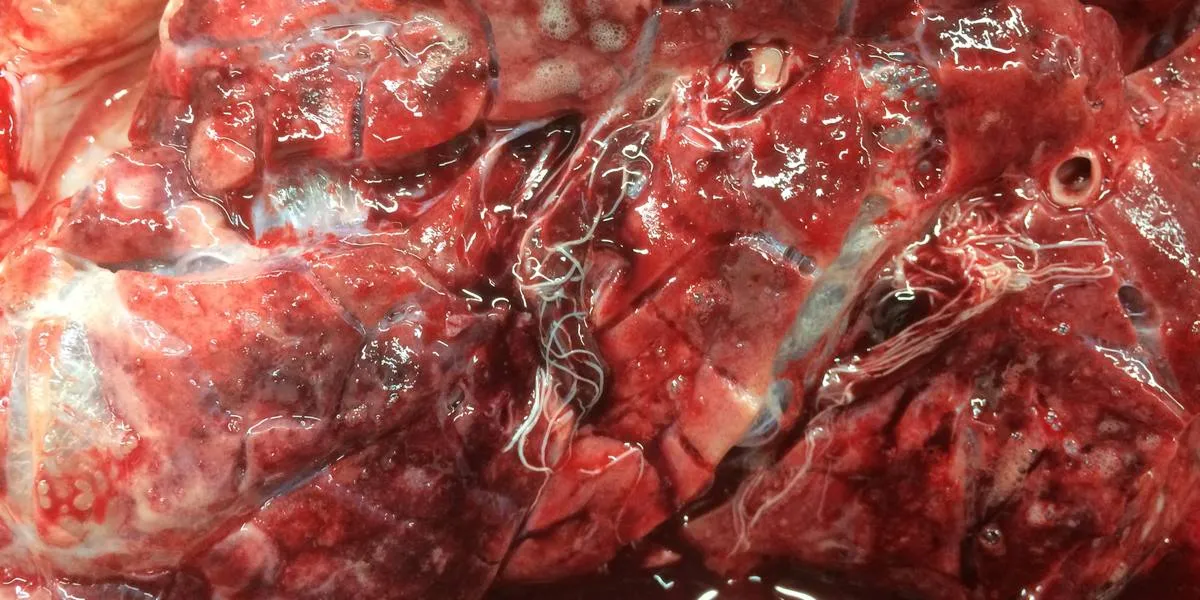
- Post-mortem findings of large numbers of lungworms in the airways with severe lung damage
Moderate (Sub-acute) Disease
Signs include:
- Increased respiratory rate
- Persistent cough
- Poor performance
- Milk yield reduction in dairy herds
If left untreated, both acute and moderate disease can result in death.
Mild (Sub-clinical) Infection
Signs may include:
- Occasional coughing within the group
- Increased coughing after gathering or moving cattle
- Reduced milk yields in dairy herds
Monitoring and Diagnosis
Early detection is essential. Monitor cattle carefully for the first signs of coughing, particularly during the second half of the grazing season or after moving cattle onto fresh pasture.
Faecal Tests
- Standard faecal egg counts (FECs) are not useful for lungworm.
- Dung samples can be tested for lungworm larvae using the Baermann test.
- This test takes approximately 24 hours and should not delay treatment during an outbreak.
Milk Tests
- Bulk milk ELISA testing can help monitor lungworm exposure in dairy herds.
- It is not useful during outbreaks, as antibodies remain elevated for several months after infection.
Treatment of Lungworm
In the event of an outbreak, rapid treatment at the first signs of disease is essential.
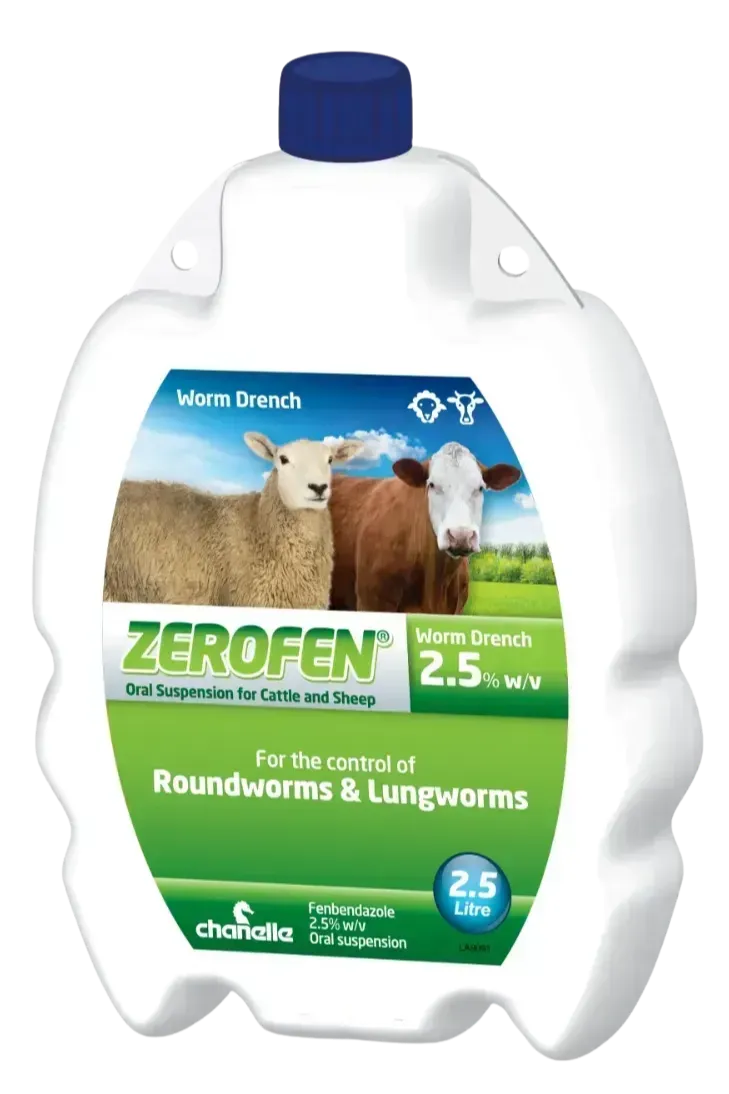
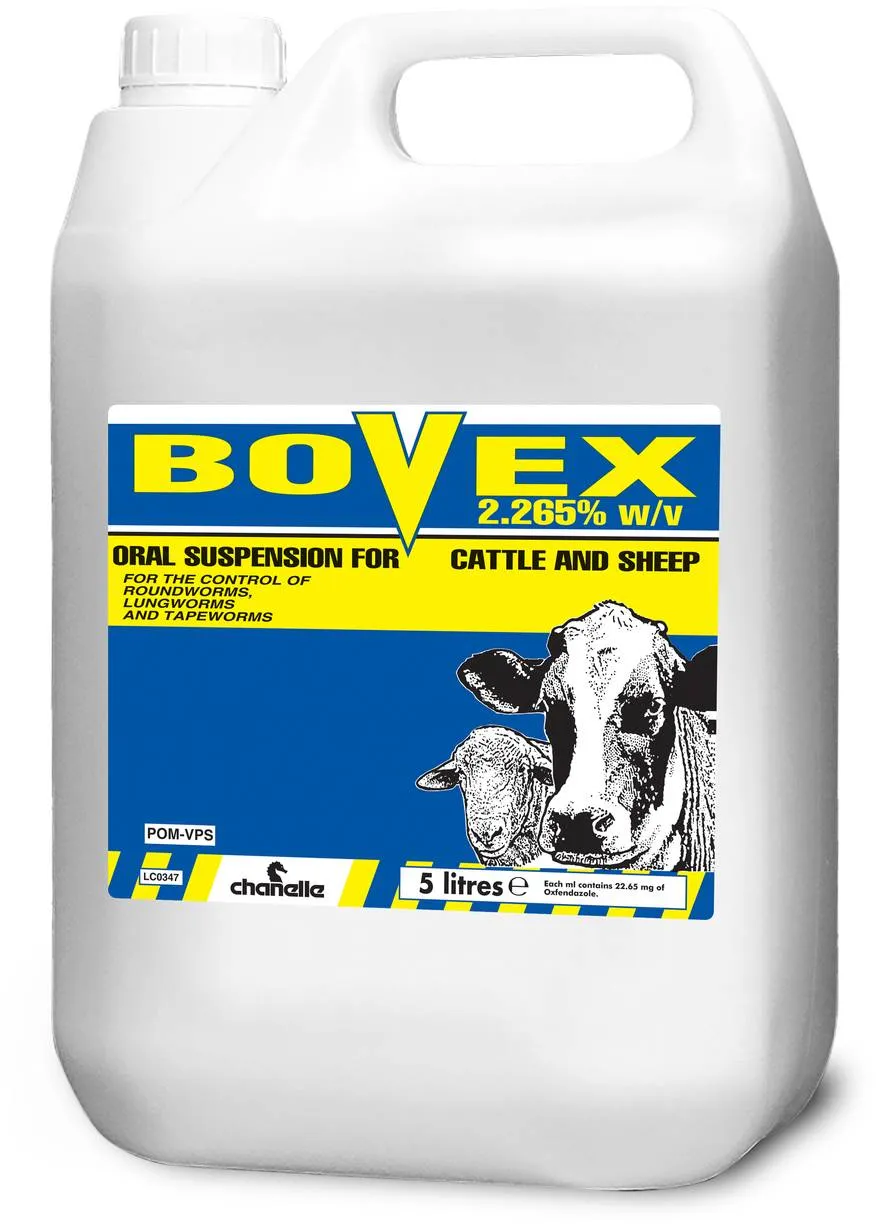
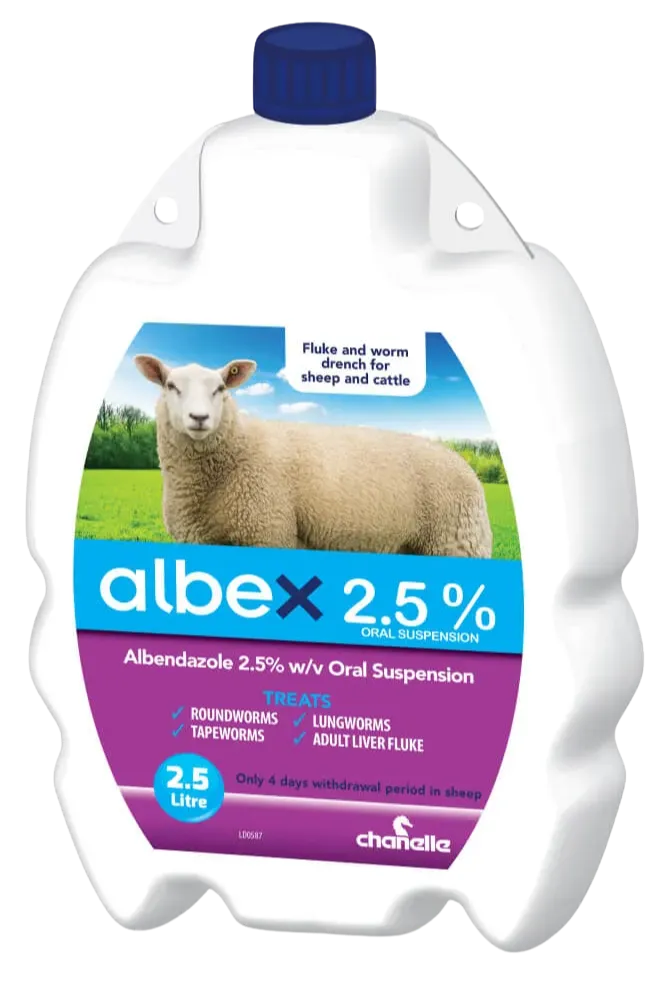
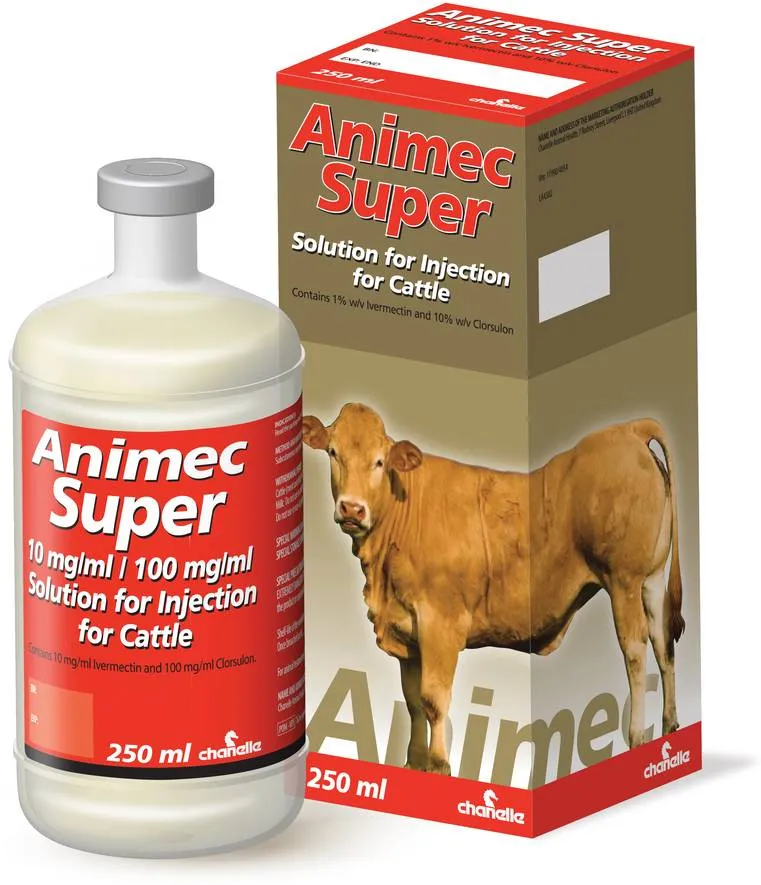
Effective treatments include:
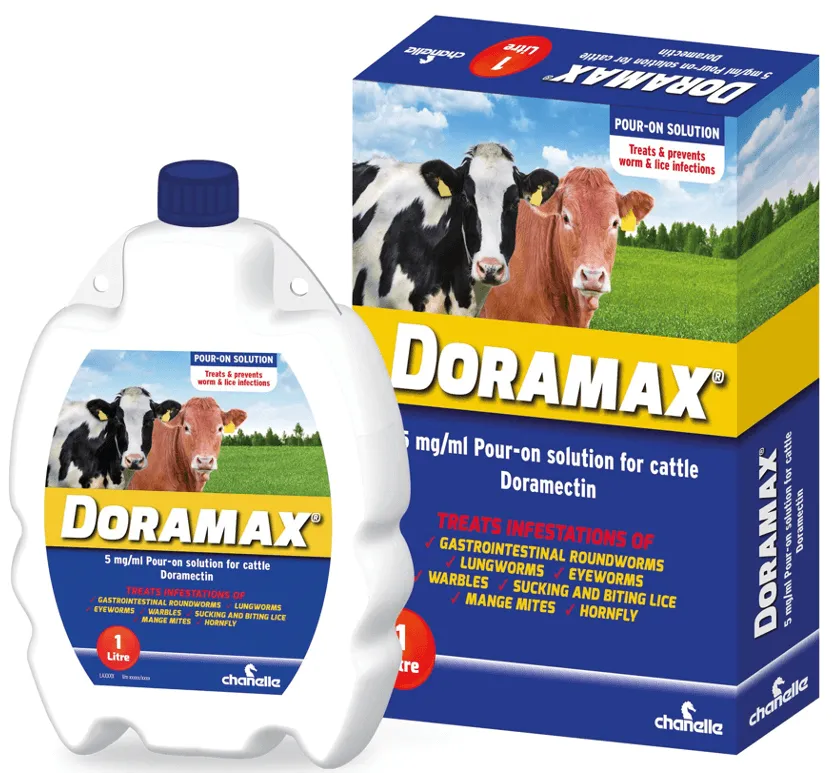
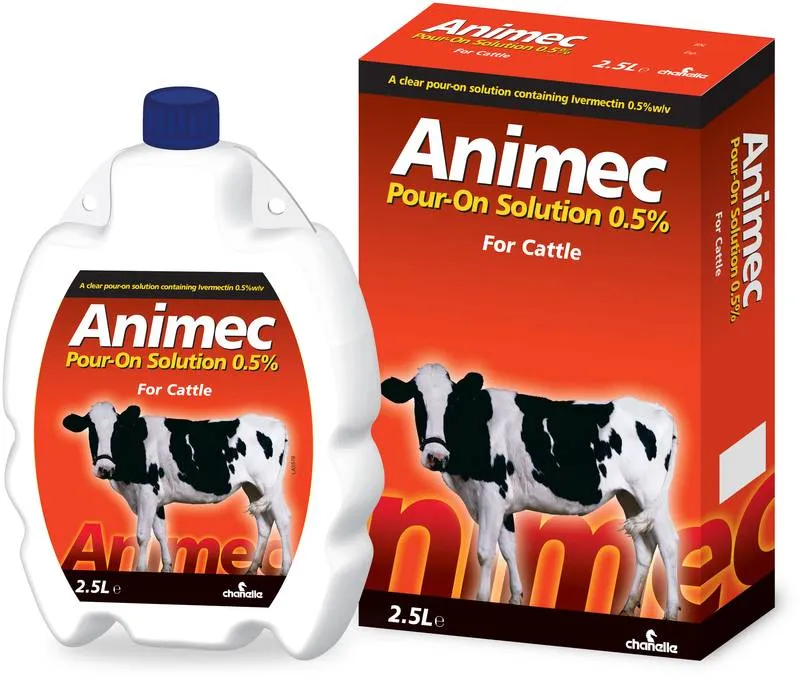
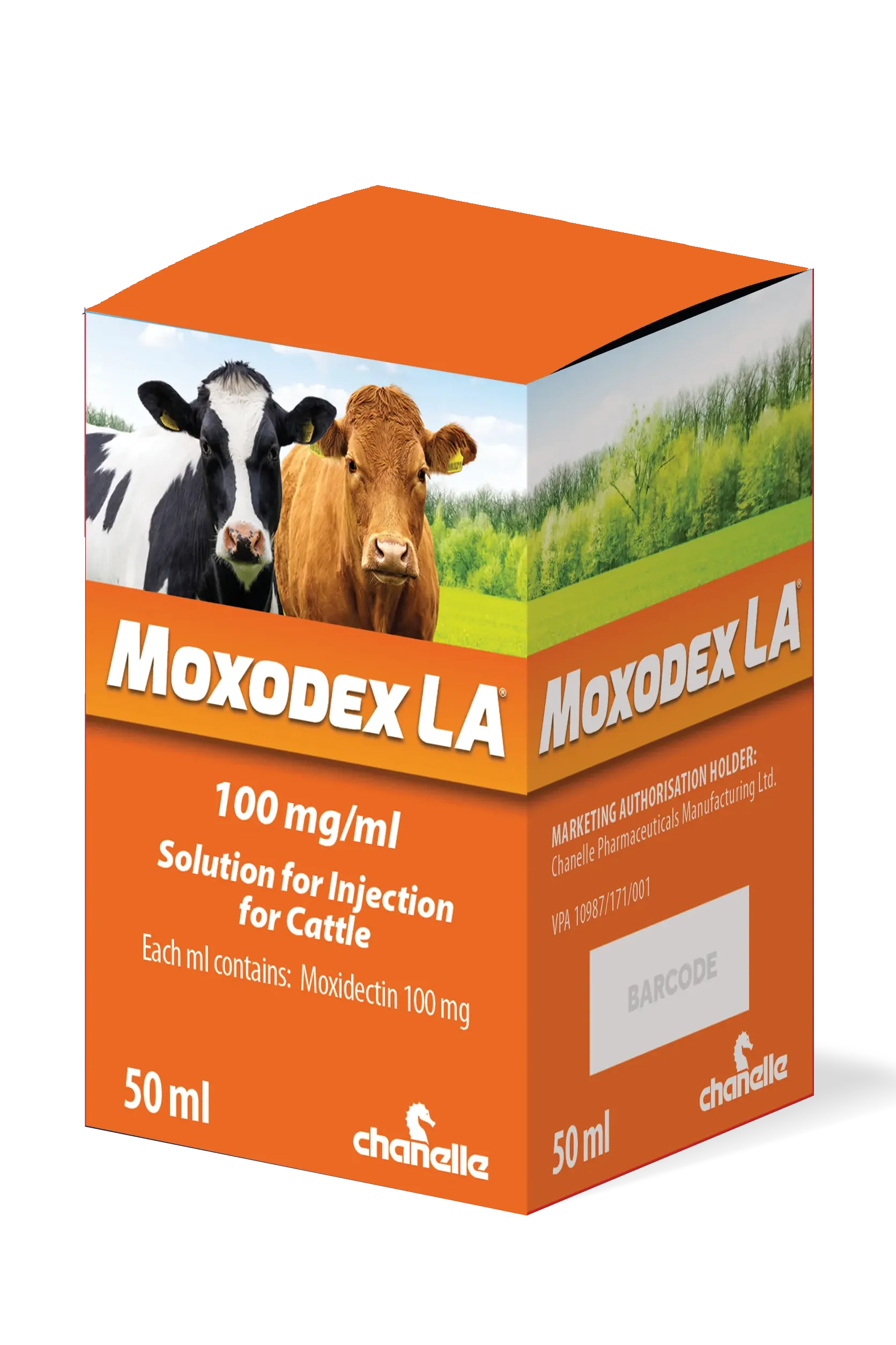
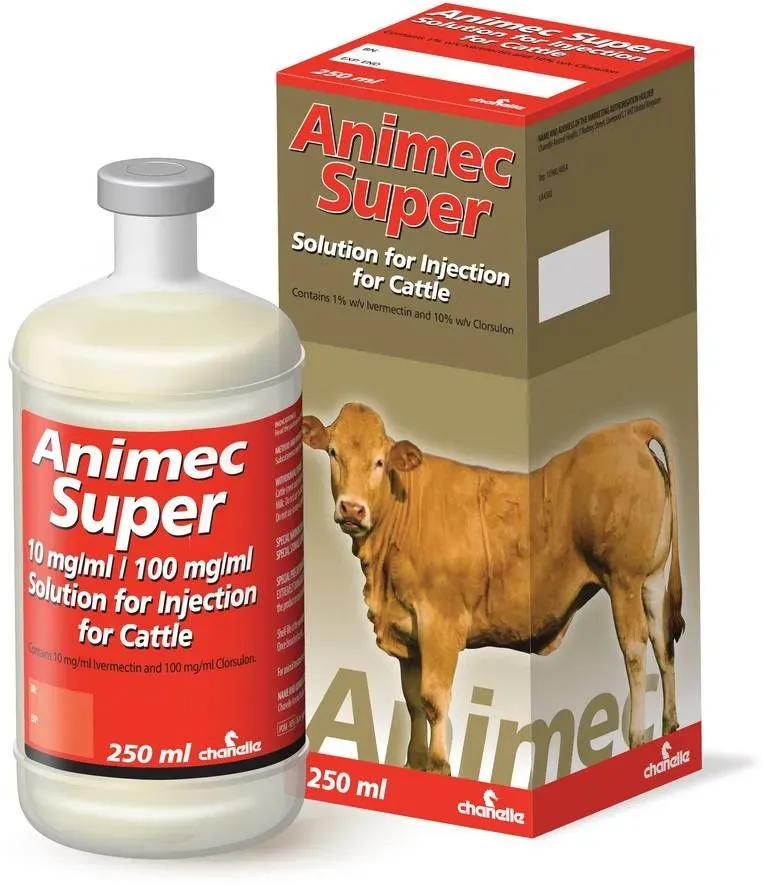
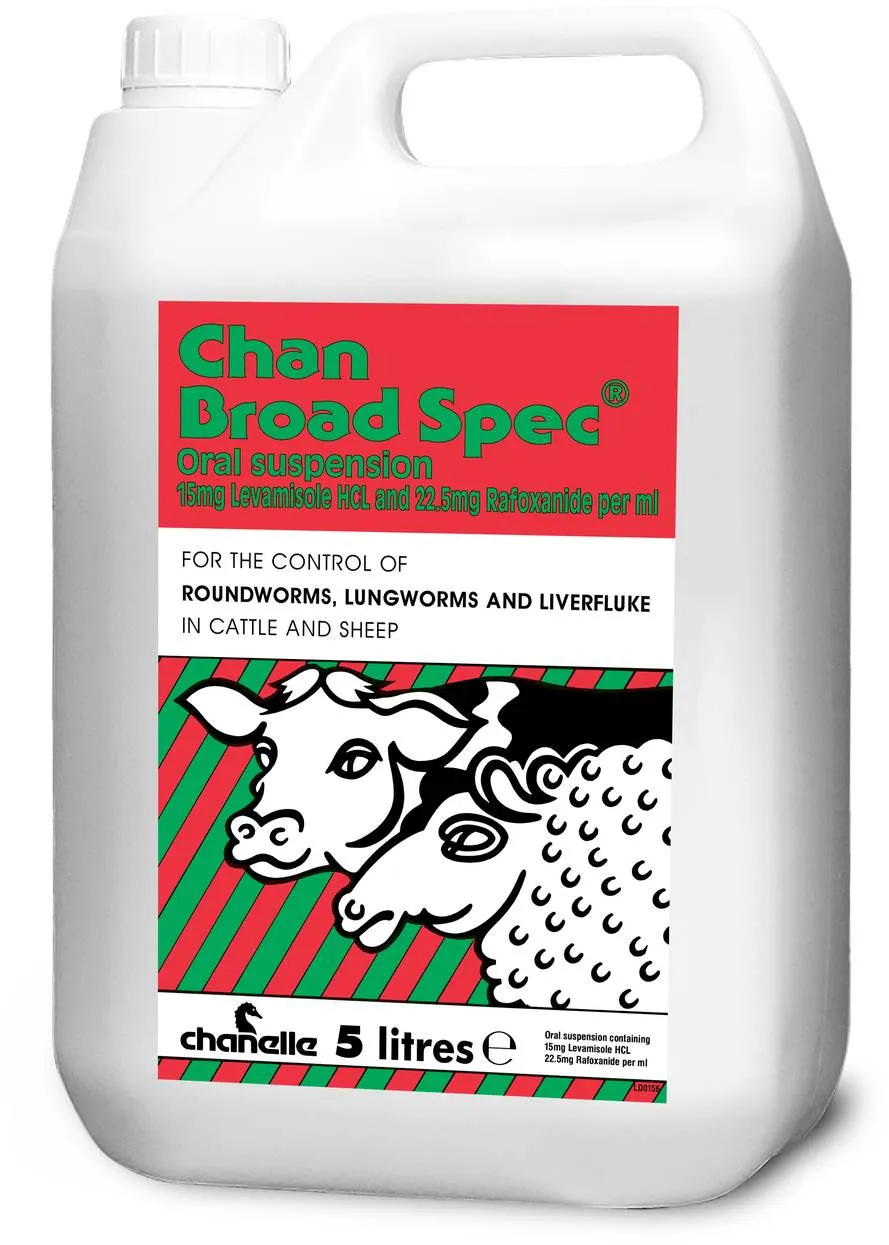
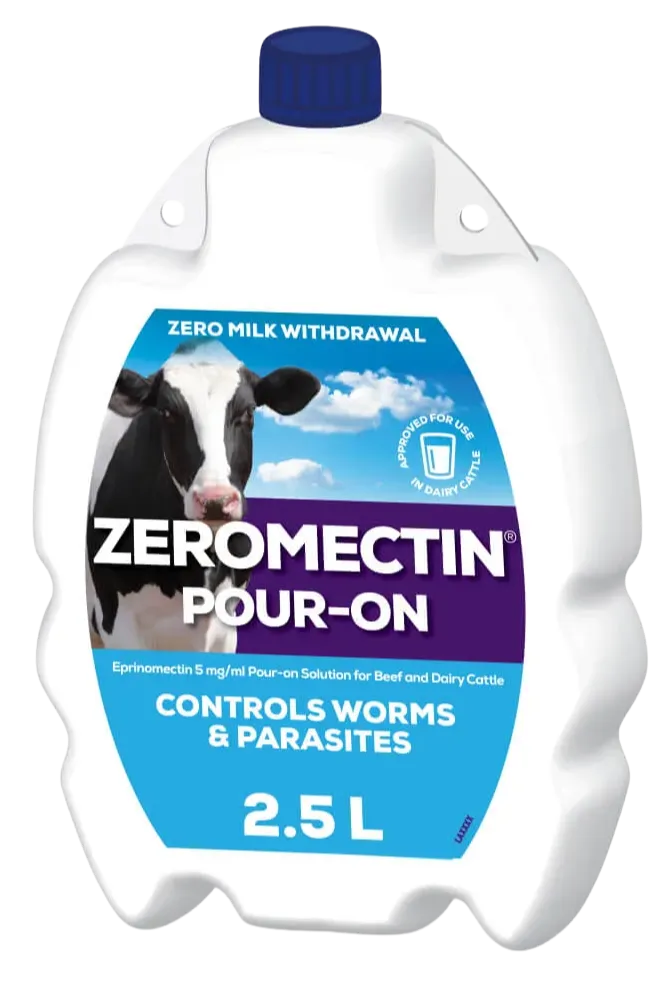
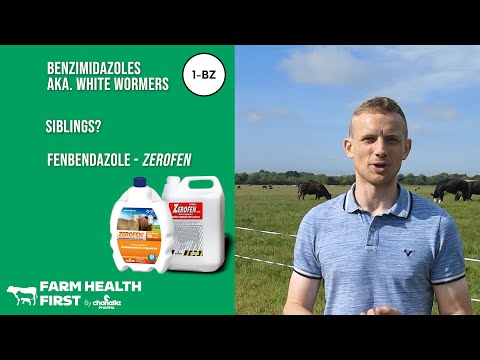
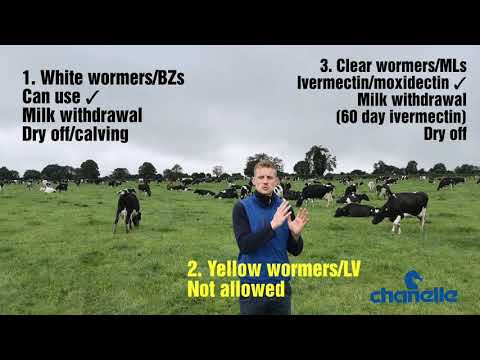
- Group 1 wormers
- Group 2 wormers
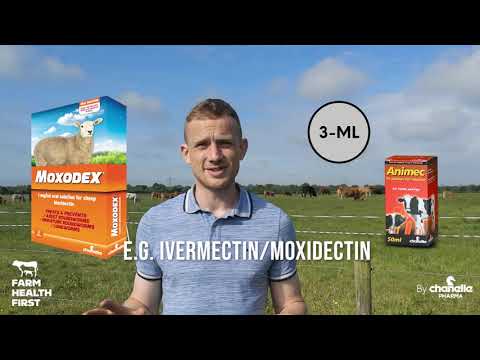
- Group 3 wormers
Discuss with your vet which product is most appropriate depending on the severity of disease.
Additional supportive care may include:
- Anti-inflammatory drugs in severe cases.
- Inflammation may temporarily worsen as adult worms are killed by treatment.
- Antibiotics where secondary bacterial infections are present.
- Calm, quiet handling to minimise stress in affected animals.
Control and Prevention of Lungworm
COWS and Animal Health Ireland recommend a sustainable, evidence-based approach to parasite control.
Key principles include:
- Avoid excessive use of wormers, as this can reduce the development of natural immunity.
- Maintain some natural exposure where appropriate.
- Avoid routine blanket worming. Base decisions on risk assessment and clinical need.
- Where lungworm has previously occurred, identify high-risk pastures.
- Turn first-season grazing calves onto clean pasture where possible (pasture not grazed by cattle the previous year).
- Consider vaccination as part of an integrated parasite-control programme.
- Vaccination is particularly well suited to autumn-born calves, as the full course can be completed before turnout.
- It can be more difficult to implement successfully in spring-calving herds but is still worth considering.
- Watch for local husk/hoose risk warnings.
- Work with your vet, SQP or RAMA to develop an appropriate control plan for your herd.
Products





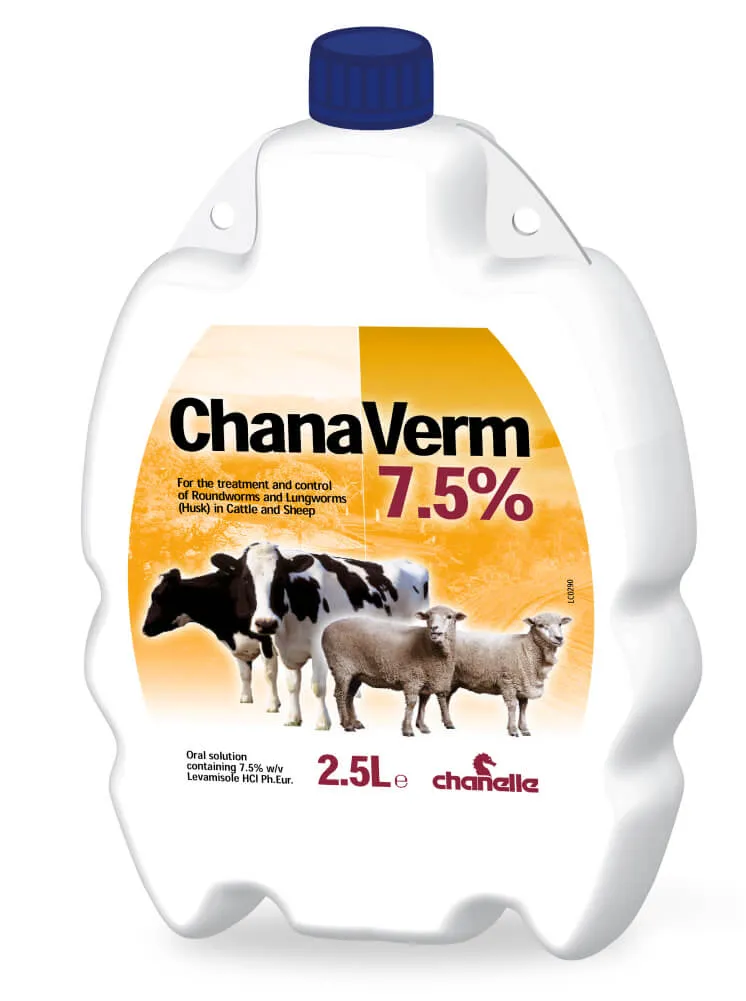
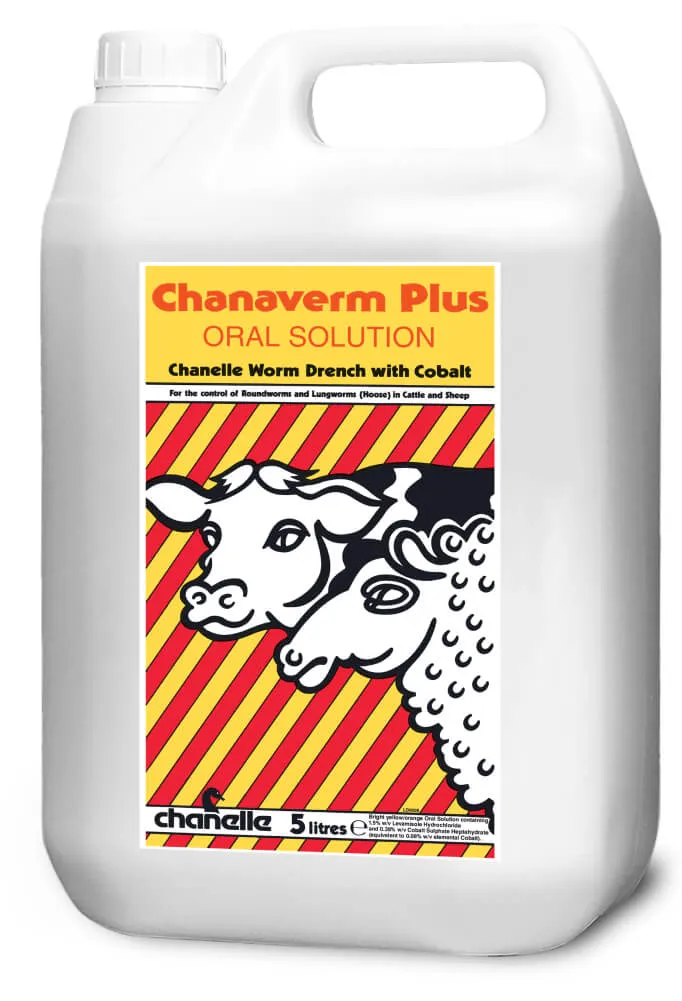

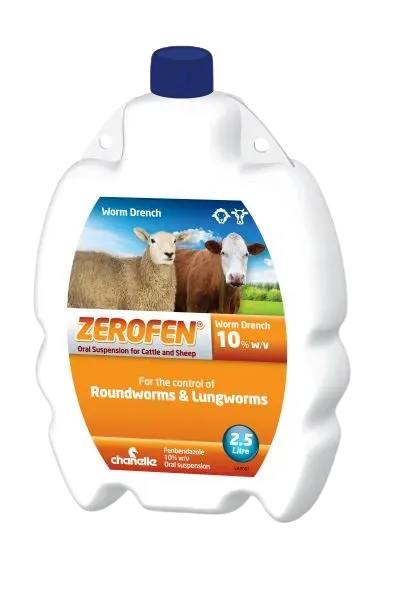
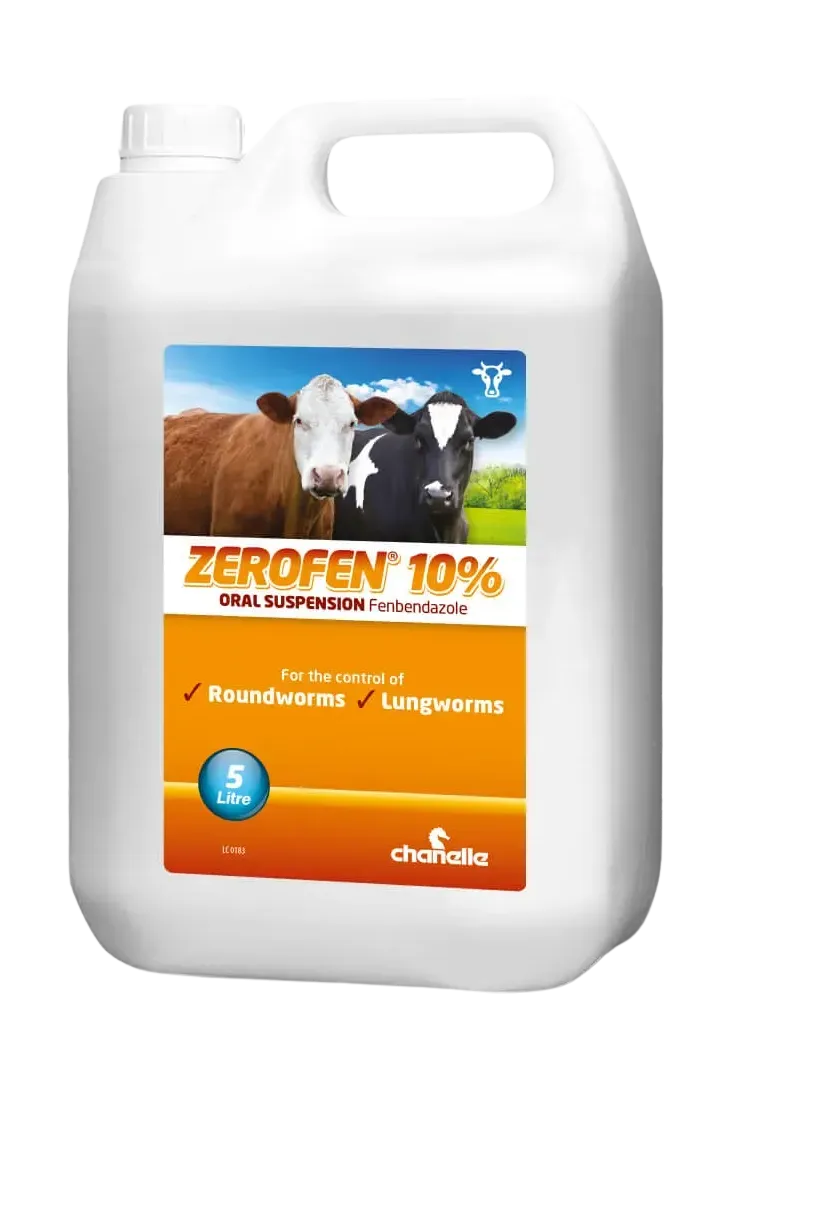
.webp)






















Blog





.webp)
.webp)

.webp)














More Diseases
Know the solution.


CPD for SQPs & Vets
Sharpen your knowledge

DOsing Best Practices
Get the dose right every time