Cattle Housing Checklist: When to Treat for Liver Fluke, Worms and Lice
As the weather cools and autumn settles in, beef and dairy farmers face a critical management milestone: the cattle housing period. Moving livestock from pasture to the sheds provides an ideal opportunity to reset their health status for winter. However, when it comes to parasites, achieving a successful housing transition requires a targeted, strategic approach rather than routine, blanket treatments.
By focusing on precise treatment timing, understanding parasite lifecycles, and following COWS (Control of Worms Sustainably) guidelines, you can protect animal welfare, help prevent resistance, and safeguard winter margins.
The housing health checklist: Preparation is key
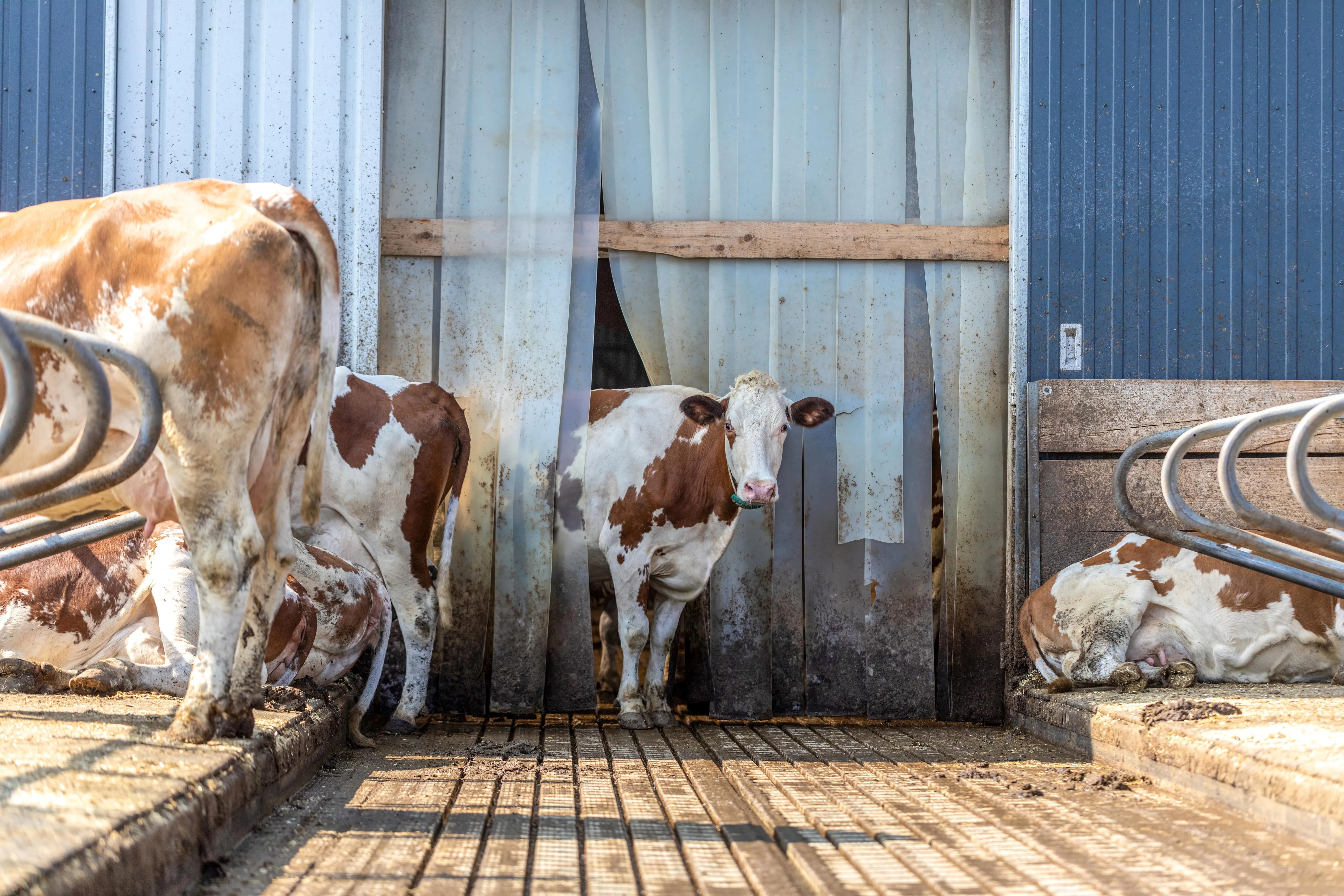
Before shutting the gates, your winter housing checklist should be fully ticked off. A clean environment combined with stock preparation is your first line of defence against disease, particularly for recently weaned calves, first-season grazers and animals that have had a challenging grazing season.
- Ventilation and space: Clean, well-ventilated housing reduces humidity, slowing external parasite replication and minimising pneumonia risks. Check stocking densities to ensure adequate lying space, feed access and airflow.
- Clean out, clean start: Thoroughly clean and disinfect pens before stock arrival to reduce the background load of bacteria and parasites.
- Clean water access: Indoor winter diets drastically increase water demand, requiring adequate trough space and functional flow rates.
- Diagnostic screening: Test before you treat. Use pooled faecal egg counts, coproantigen dung tests or bulk milk samples to help determine parasite burdens, discuss the most appropriate monitoring for your farm with your vet.
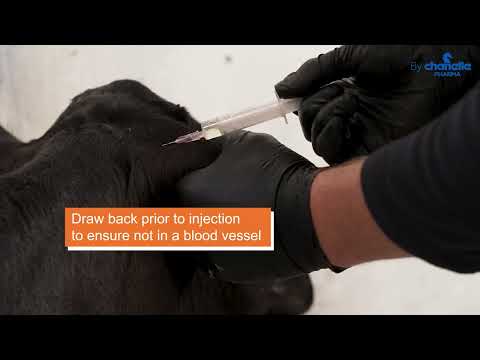
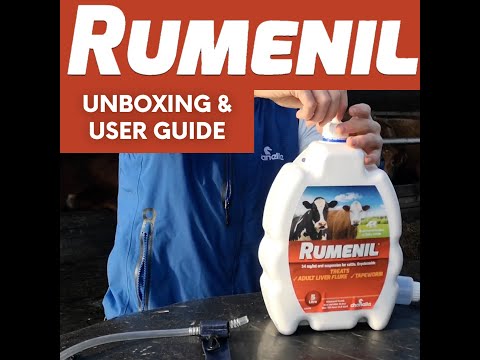
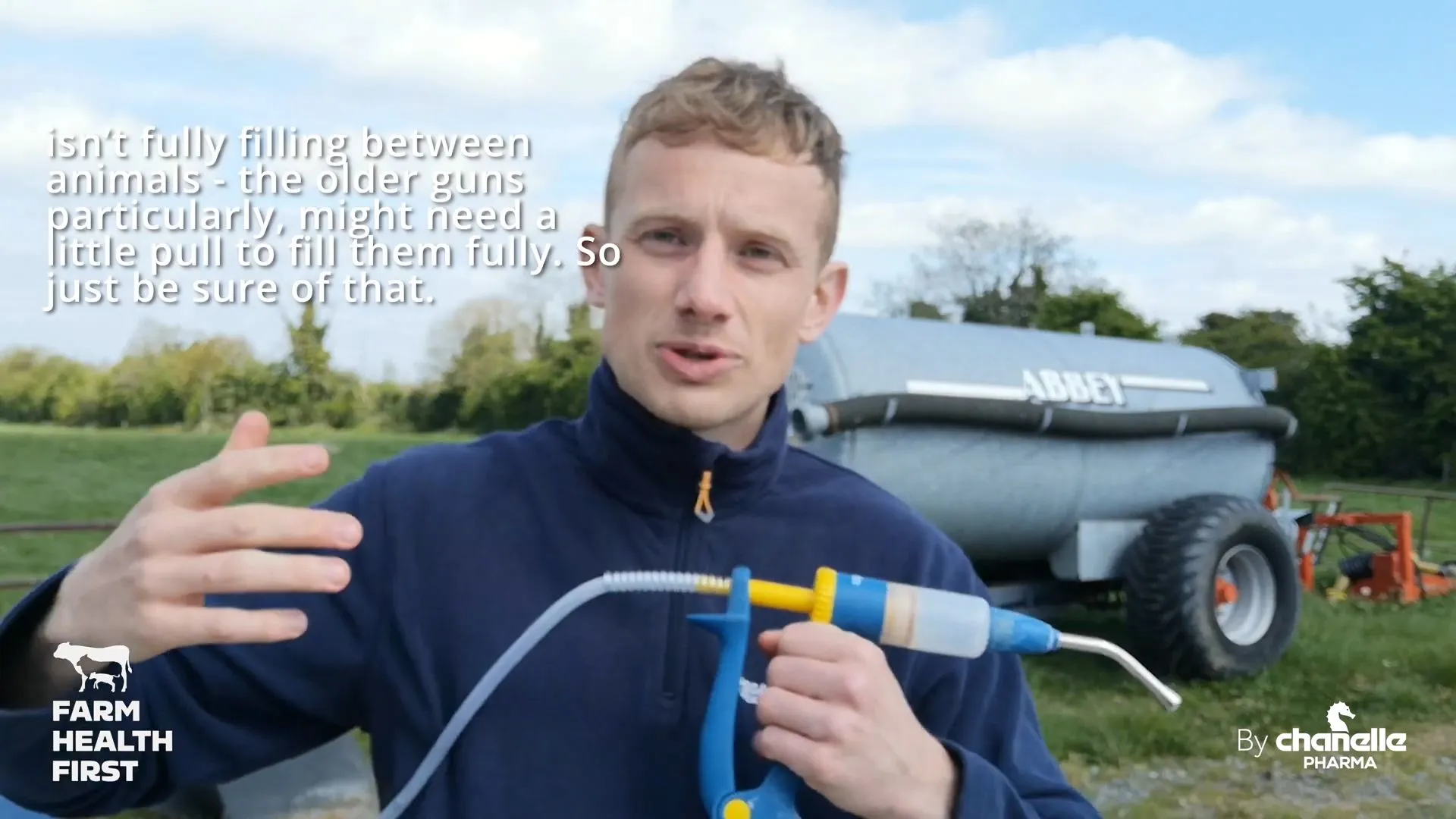
- Calibrate dosing guns: Ensure equipment delivers precise volumes to avoid underdosing, which accelerates parasite resistance.
- Weigh a representative group of cattle and dose to the heaviest in the group.
Should cattle be treated for liver fluke at housing?
Not automatically. Whether treatment is needed, and when, depends on the farm’s fluke risk, the likely stage of fluke present and the product selected.
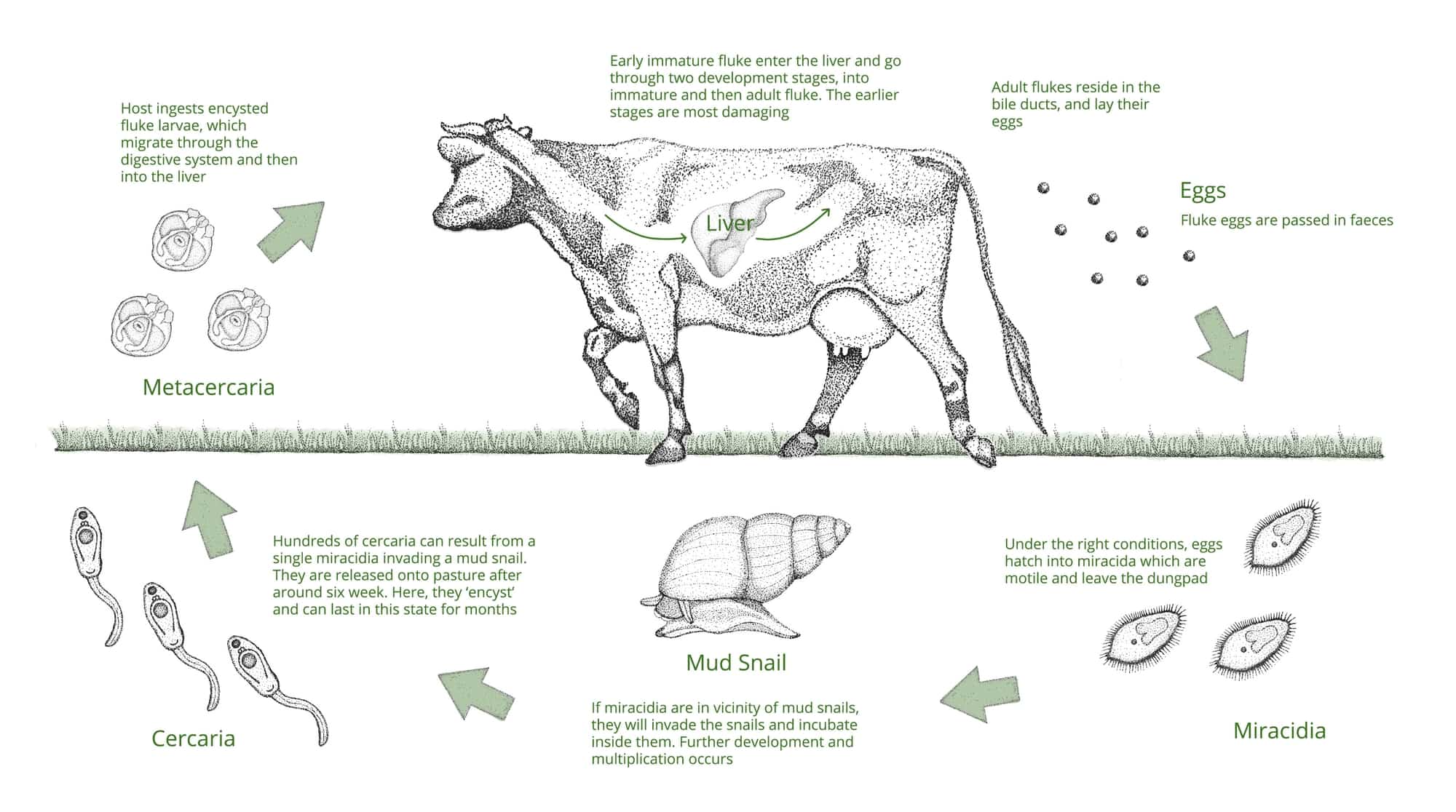
To treat liver fluke, Fasciola hepatica, effectively, you must target the correct developmental stage. Cattle ingest infective fluke cysts while grazing damp pastures during late summer and autumn. Once inside, the parasite undergoes a distinct journey:
- Early immature stage (Weeks 1–5): Larvae move through the intestinal wall into liver tissue, causing damage.
- Immature stage (Weeks 6–11): Fluke tunnel through the liver, draining vital nutrients and causing chronic inflammation.
- Adult stage (Weeks 12+): Mature parasites settle in the bile ducts, laying thousands of eggs daily.

Why does fluke-treatment timing matter?
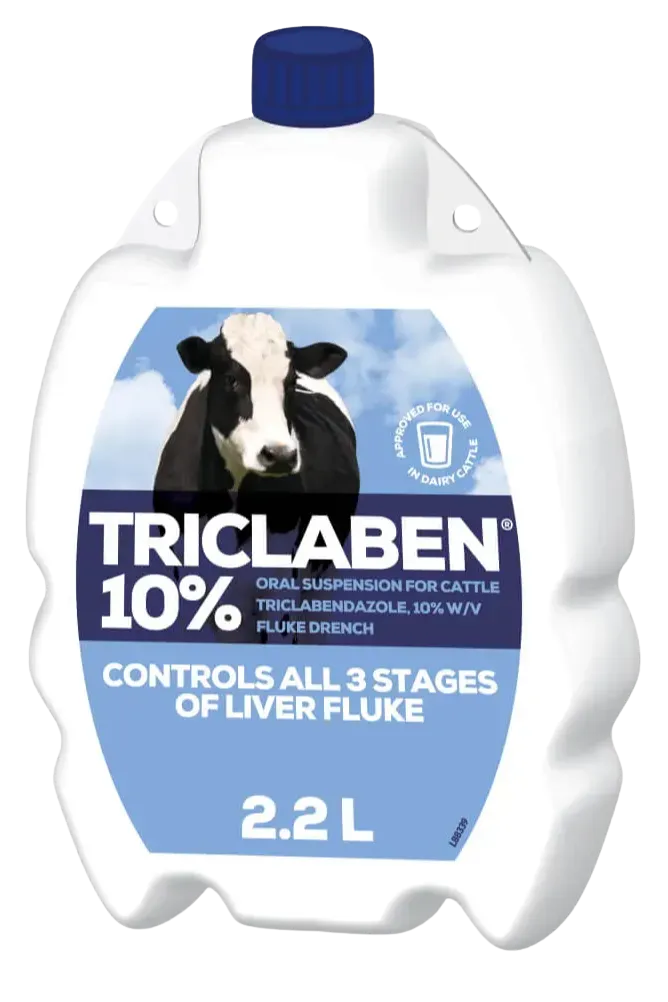
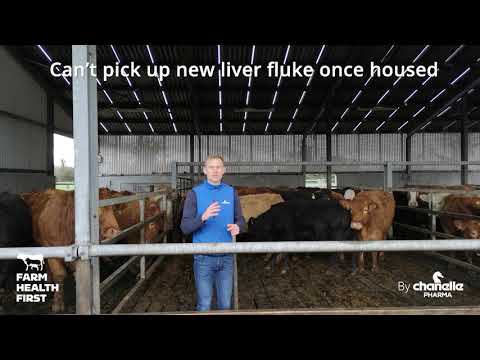
Different flukicides work against different stages of liver fluke. Many flukicides (adulticides) only kill mature, adult flukes. If you treat cattle immediately on housing day, you could leave these early stages of liver fluke still active, allowing them to continue destroying tissue and lowering daily liveweight gains throughout winter. Often, by delaying your fluke dose, you allow immature parasites to grow into a stage vulnerable to your chosen product.
Work with your vet, SQP or RAMA to select a treatment strategy that fits your grazing history, diagnostic results, previous treatment performance, product licence and milk/meat withdrawal requirements.

Should cattle be treated for external parasites, gut worms and lungworm at housing?
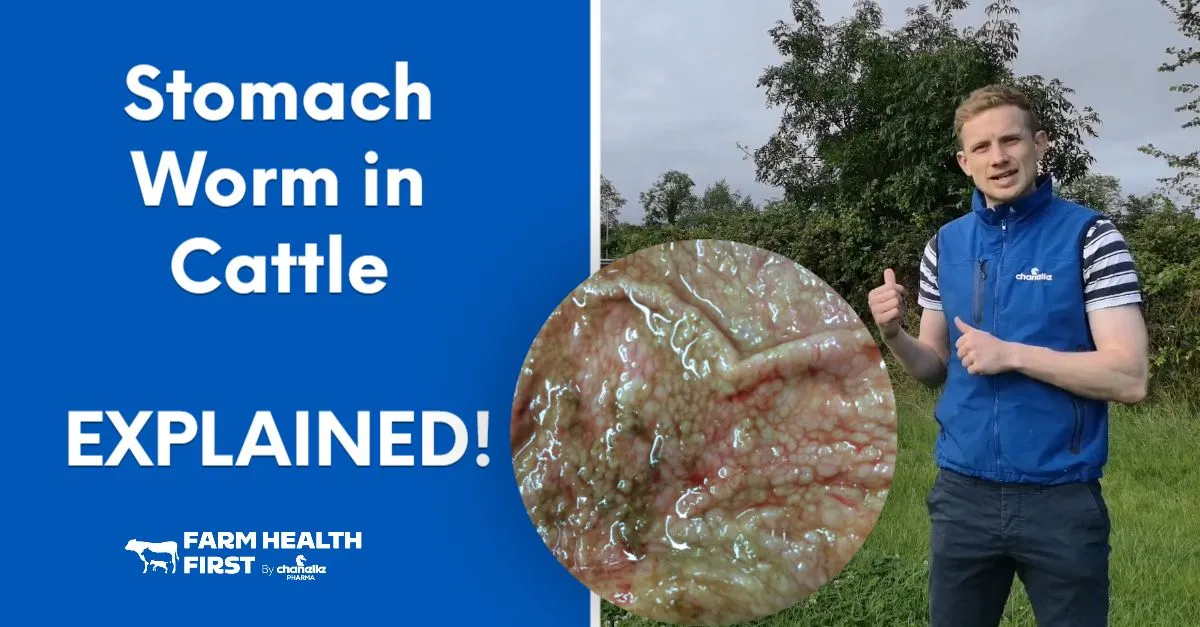
Housing is a good time to review gut worms, lungworm and external parasites.
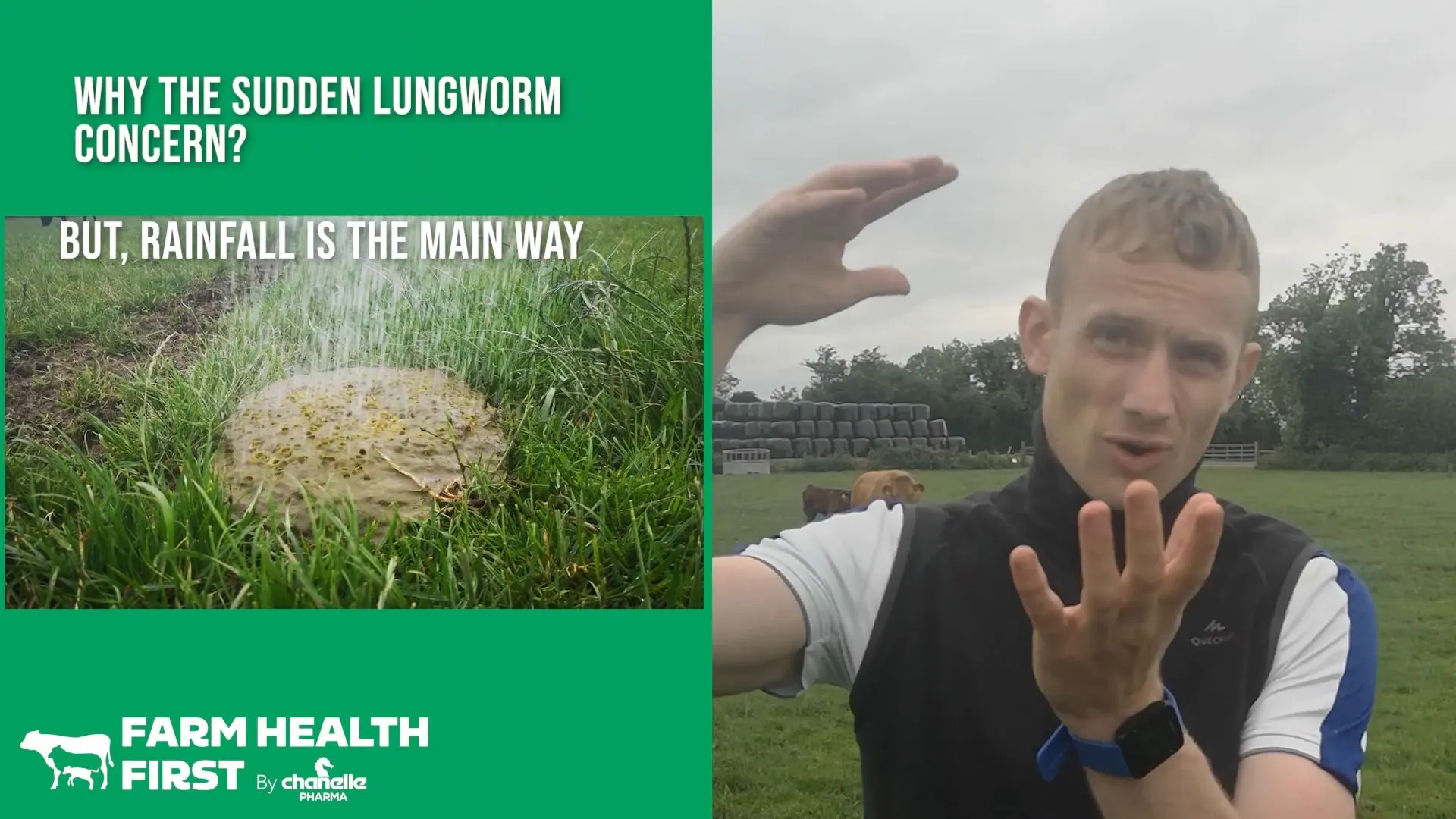
Cattle acquire gut worms and lungworm while grazing, but the effects of these infections may become more apparent around weaning and housing. Reviewing growth rates, grazing history, previous treatments and any signs of coughing, scour or poor thrive can help identify the groups that need treatment or further investigation.
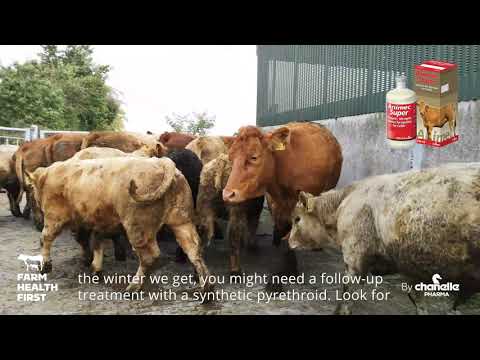
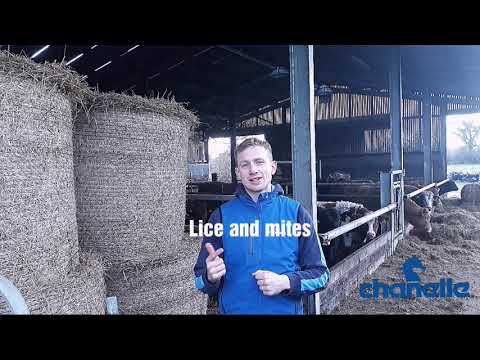
Warm, crowded sheds allow biting and sucking lice, and mange mites to spread rapidly. Look out for rubbing, hair loss, skin irritation, restlessness and cattle damaging gates or pen fittings through persistent scratching.
First-season grazers are usually the priority group because they have not yet developed strong immunity.
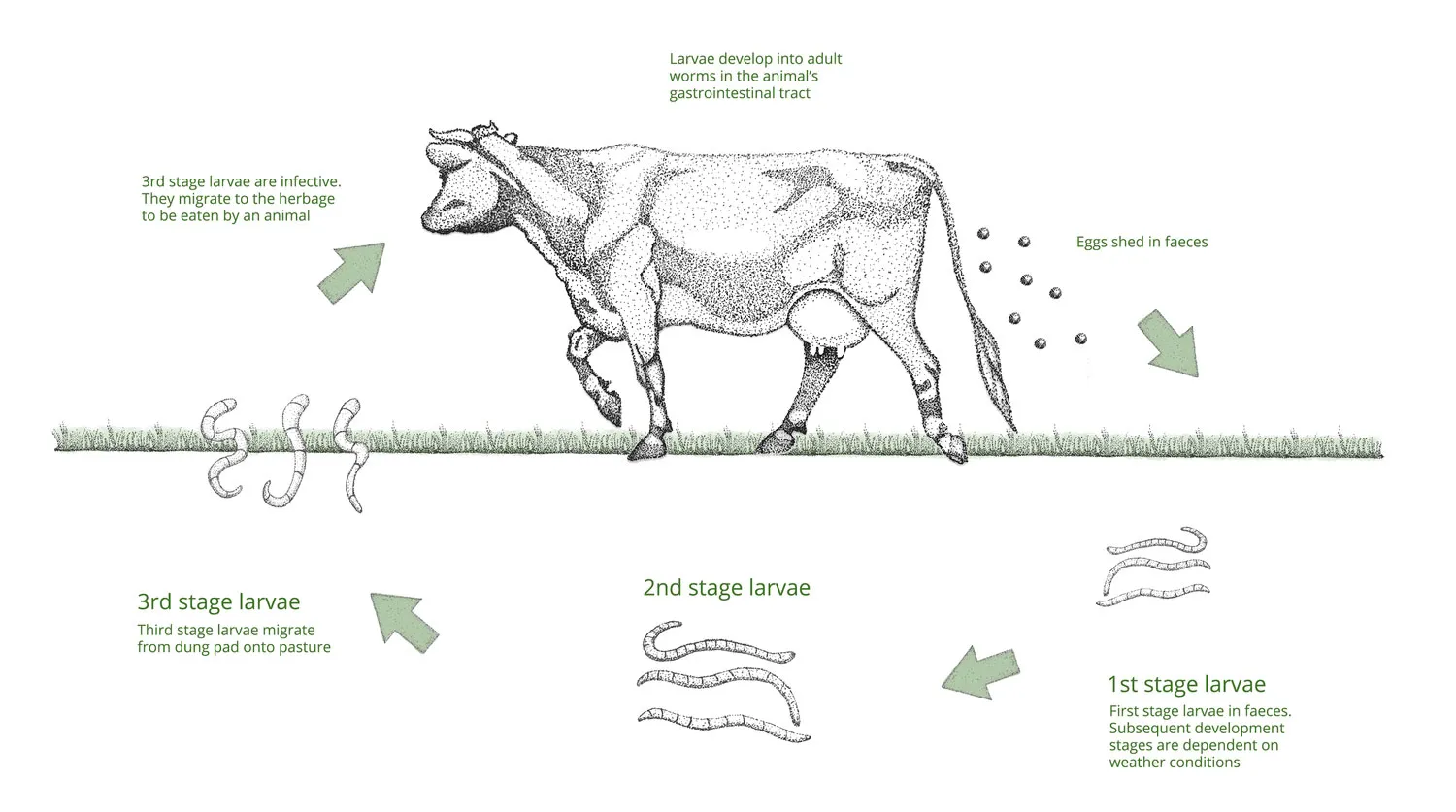
Why doramectin can be useful at housing
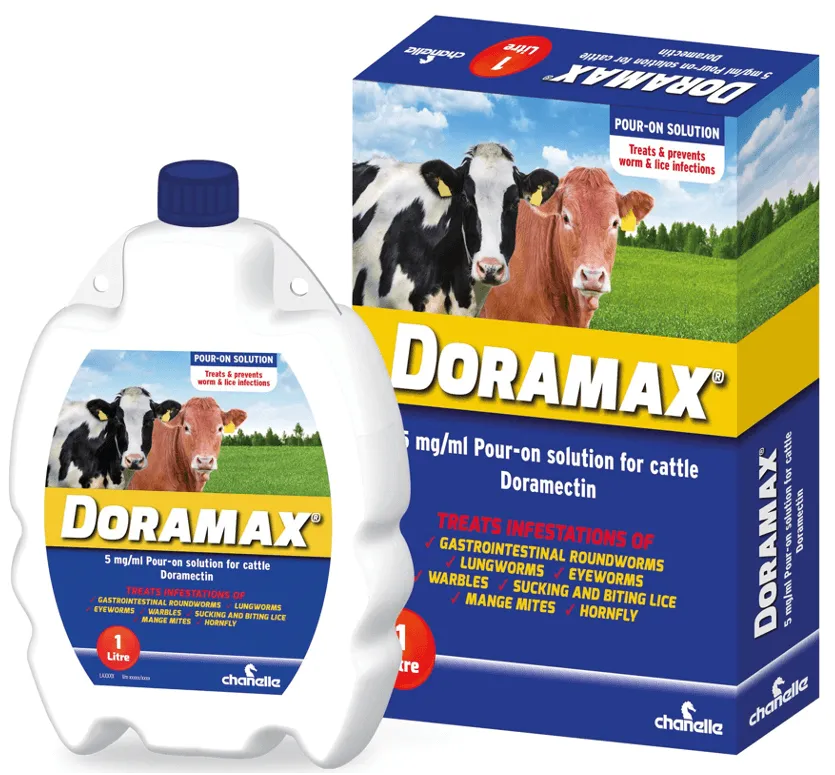
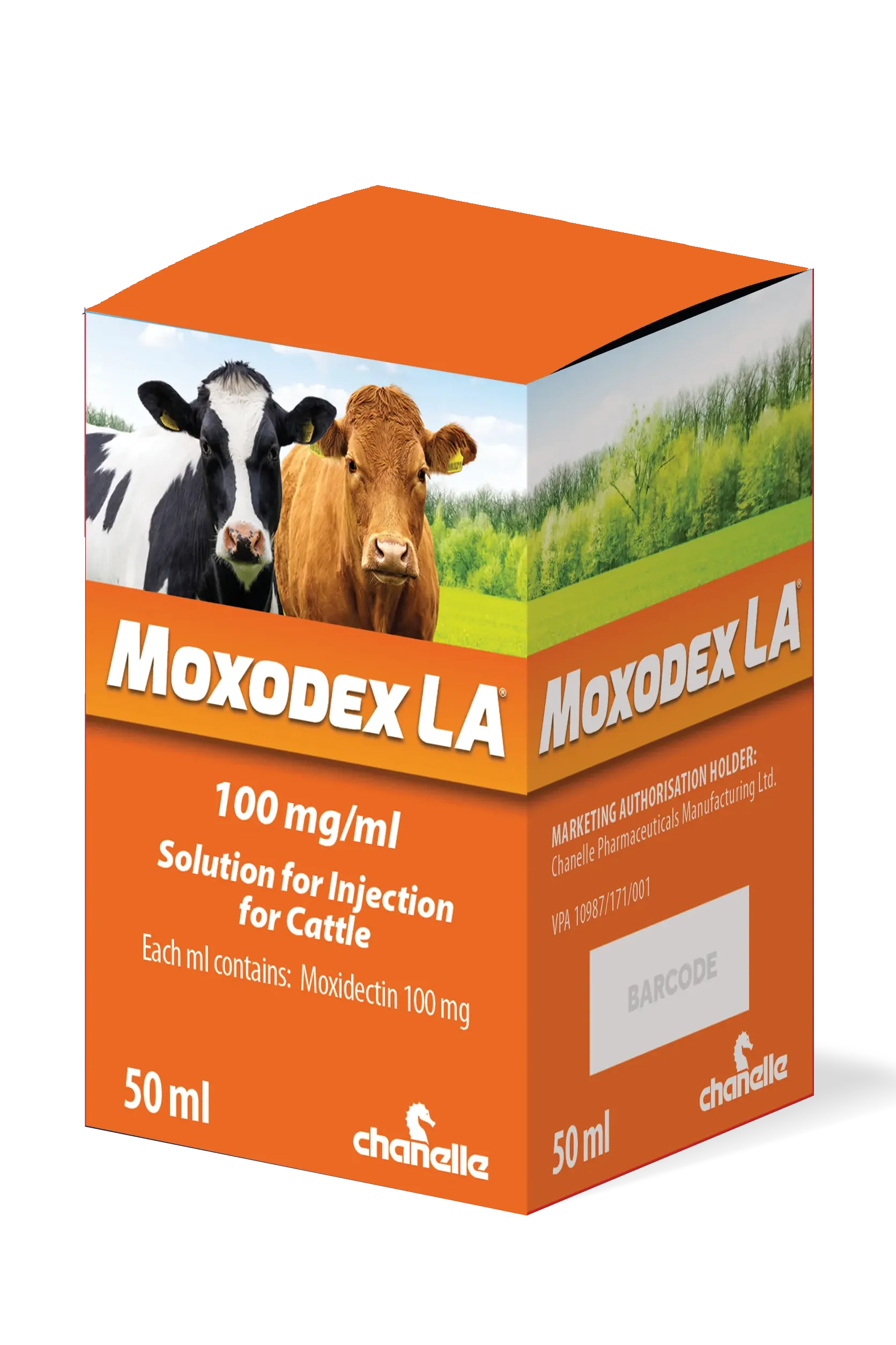
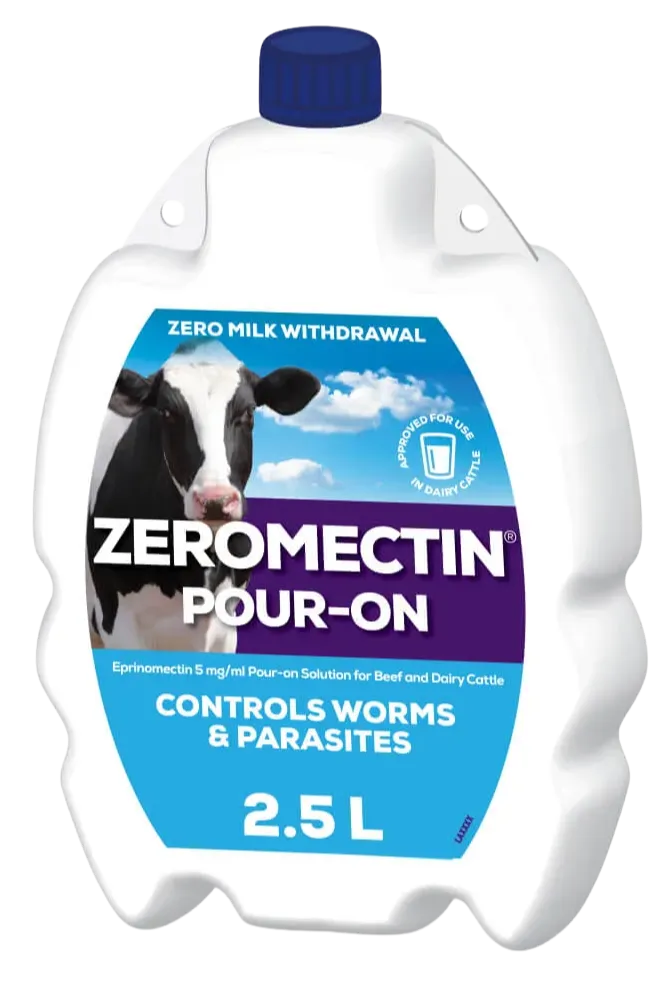
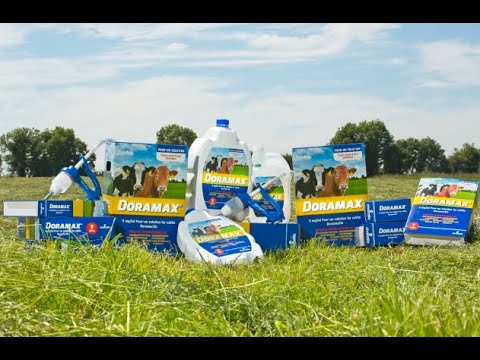
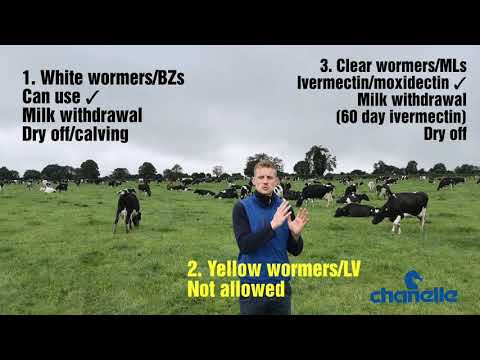
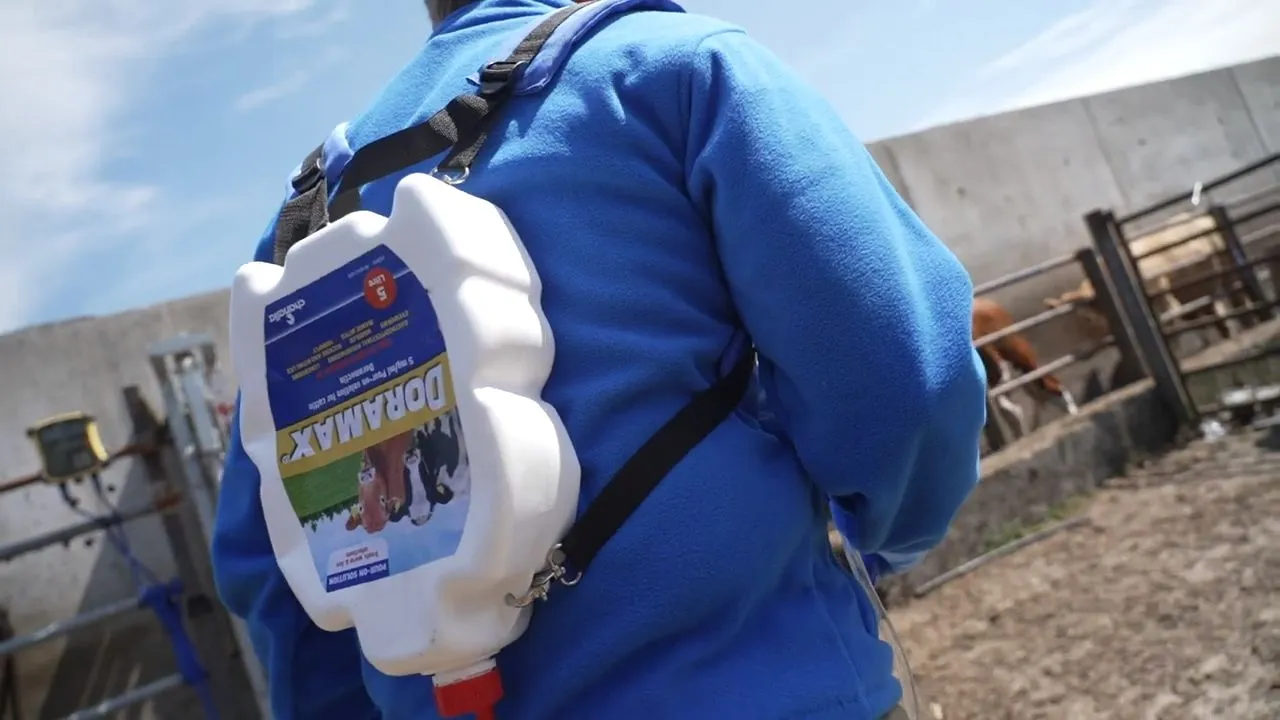
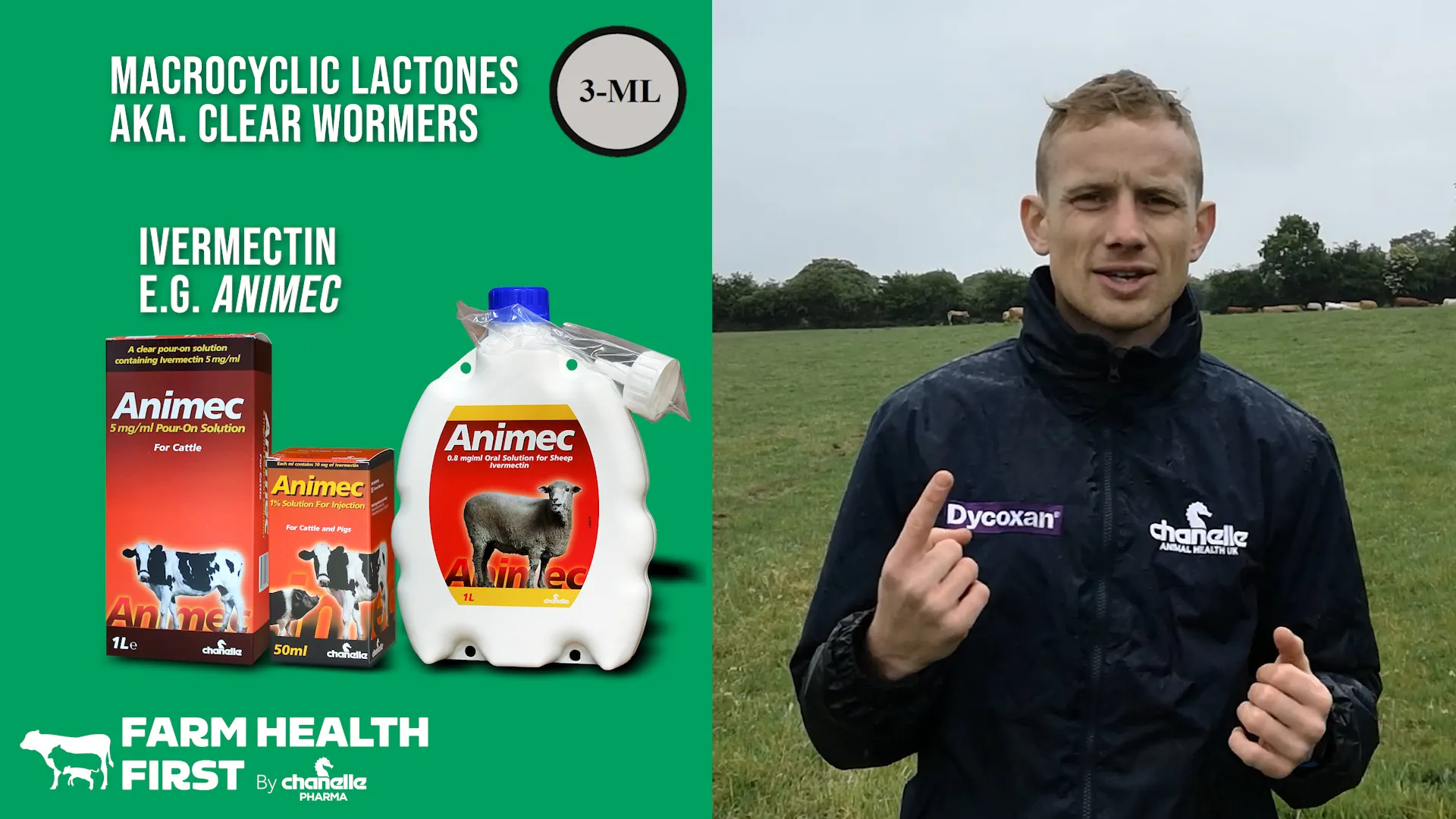
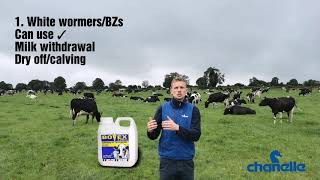
Doramectin, like other Group 3, or clear, macrocyclic lactone actives can be a useful option at housing. When treatment is indicated, it can help address susceptible gut worms and lungworm acquired during the grazing season, while also supporting control of external parasites such as lice and mange in housed cattle, without automatically combining treatment with a flukicide.
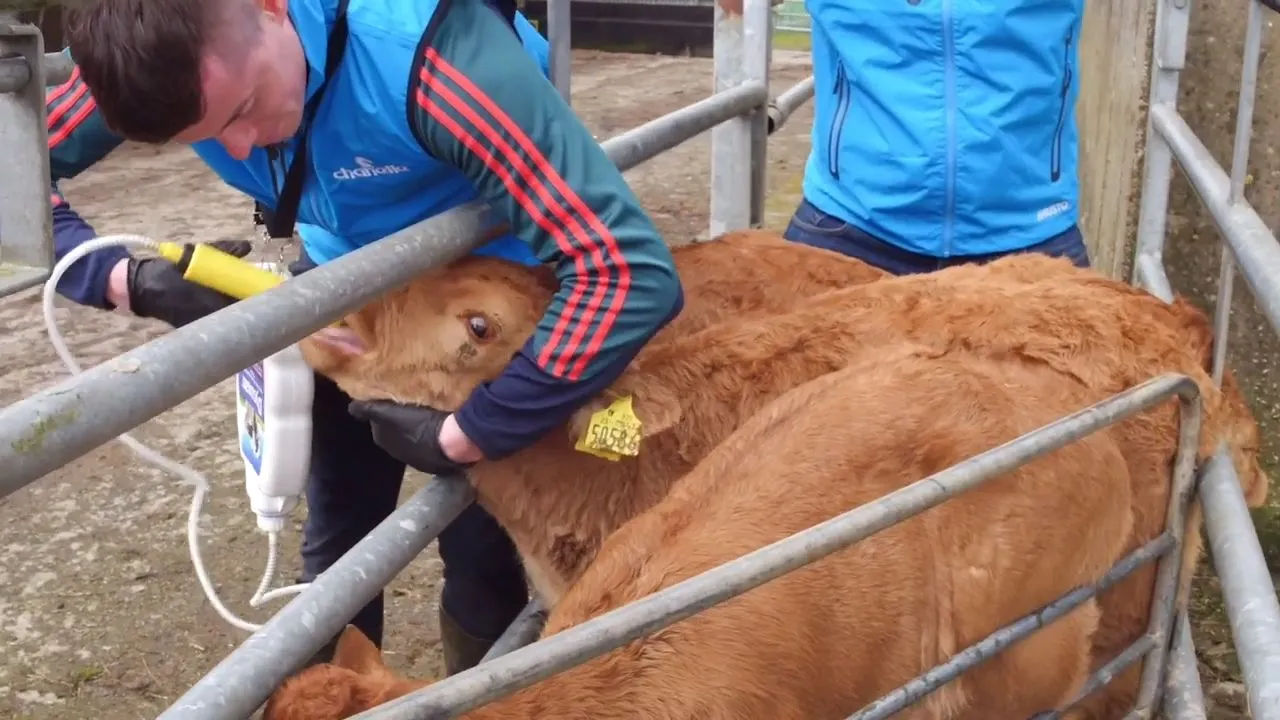
As with any parasite treatment, weigh cattle accurately, calibrate equipment, follow label and withdrawal requirements, and discuss resistance-management decisions with your vet, SQP or RAMA.
Housing-period parasite-control guide
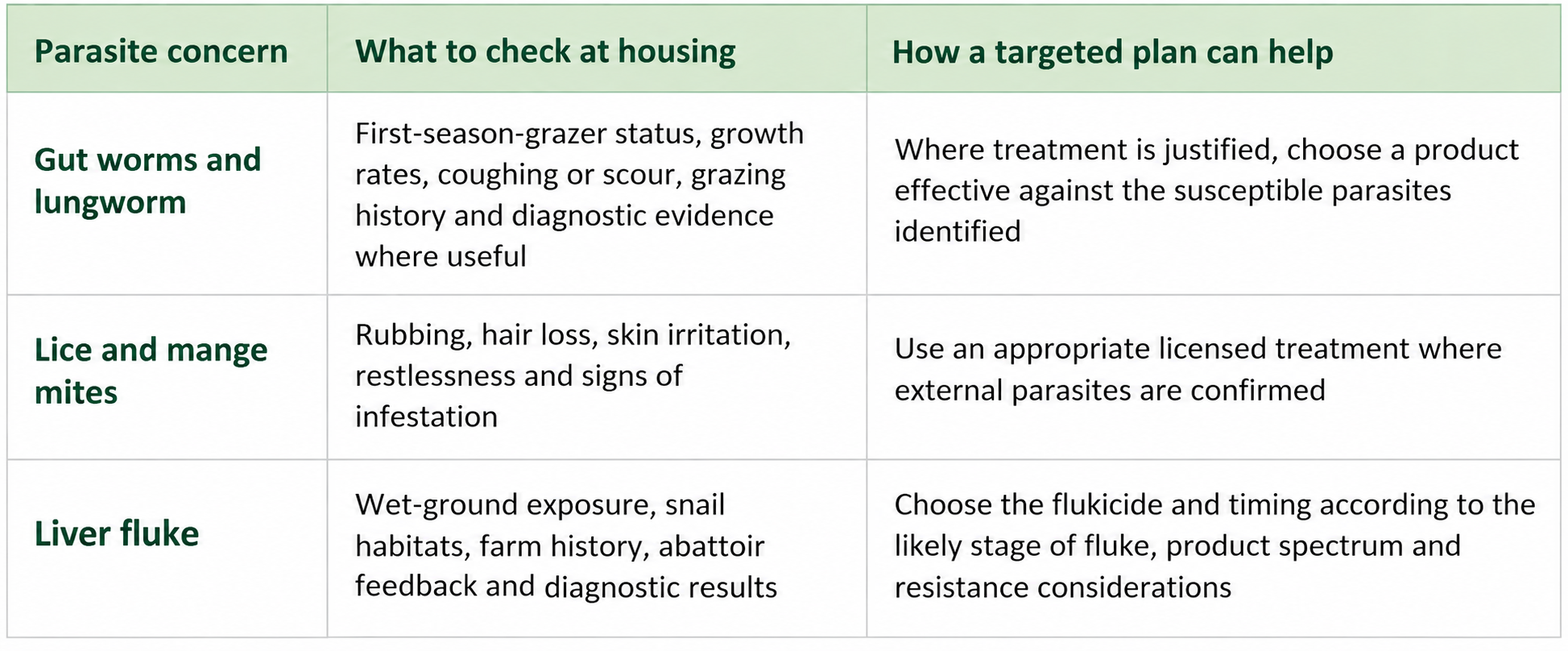
A practical autumn parasite plan
Before cattle are housed, sit down with the vet, SQP or RAMA and review:
- Which groups are at greatest risk: first-season grazers, bought-in cattle, dairy youngstock or finishing animals.
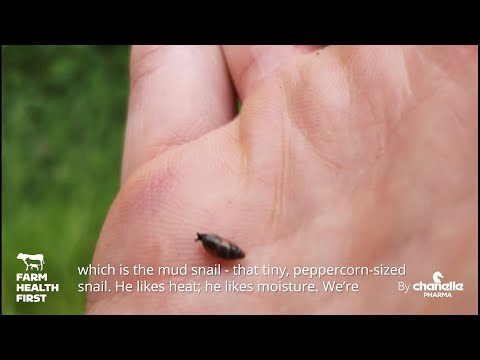
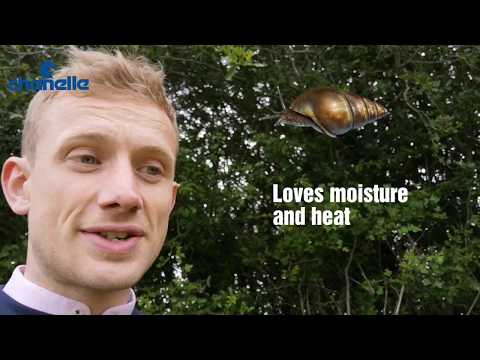
- Which fields carried the highest fluke risk, particularly wet or snail-prone pasture.
- Daily liveweight gains, diagnostic results where appropriate, coughing or scour history and treatments used during the grazing season.
- Evidence of fluke from diagnostics, abattoir returns or previous years.
- Whether lice or mange are present.
- Product efficacy, resistance history, administration method and withdrawal periods.
- What needs to be monitored between housing and turnout.
Handling worms and external parasites effectively with a targeted, evidence-led plan is more likely to set your herd up for a highly productive winter and protect performance.
Speak to your vet, SQP or RAMA to review parasite risk, treatment history, diagnostics, product choice and put the right plan in place for the housing period.
For more information on gutworms in cattle, click here.
For more information on liver fluke in cattle, click here.



Newsletter
Products




Videos












Blog












.webp)
.webp)
.webp)
.webp)
.webp)
.webp)
.webp)
.webp)
.webp)

.webp)

.webp)



.webp)
.webp)


.jpeg)





.webp)

%2520-%2520What%2520is%2520coccidiosis_%25200-27%2520screenshot.webp)



.webp)




.webp)


CPD for SQPs & Vets
Sharpen your knowledge

DOsing Best Practices
Get the dose right every time