Pre-Housing Worming in Cattle: When and How to Treat
Plan now, save later: Pre-housing worming in cattle made simple
As some areas of the UK and Ireland continue to bake and summer edges into its final stretch, it’s easy to think the heavy lifting is done for the year. But for cattle, the weeks ahead are some of the most important for setting them up for a healthy, productive winter.
The period before housing can make or break animal performance over the colder months. A little forward planning now can mean fewer problems, better growth rates, and less stress later on.
Which parasites matter before housing cattle?
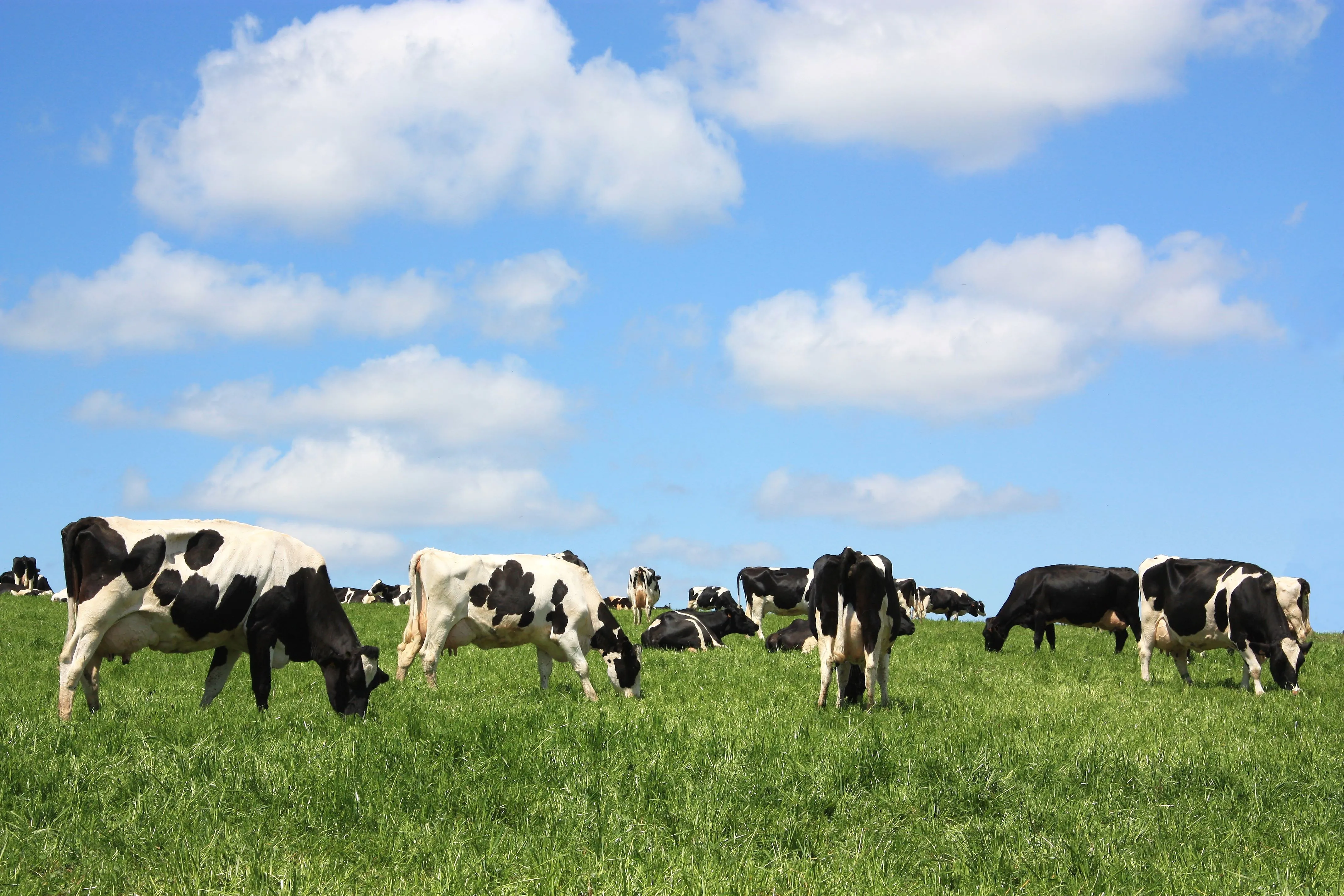
Late summer and early autumn are prime times for parasites to build up on pasture.
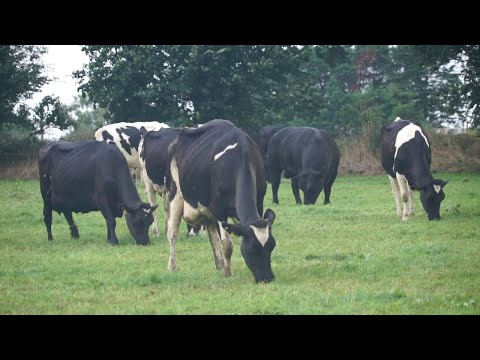
Grazing cattle are exposed to:
- Gastrointestinal worms (e.g. Ostertagia, Cooperia)
- Lungworm (Dictyocaulus viviparus)
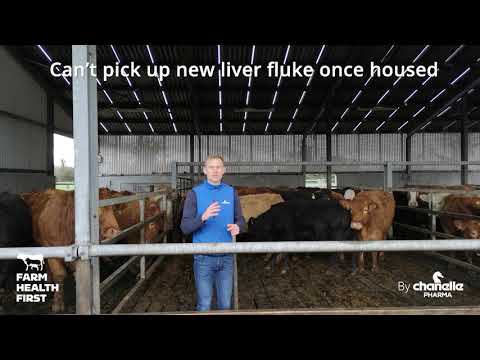
As cattle approach housing, external parasites such as lice and mange, also need consideration. Liver fluke risk should also be assessed, using farm history and risk and appropriate diagnostic testing.
Which cattle may benefit from a pre-housing treatment?
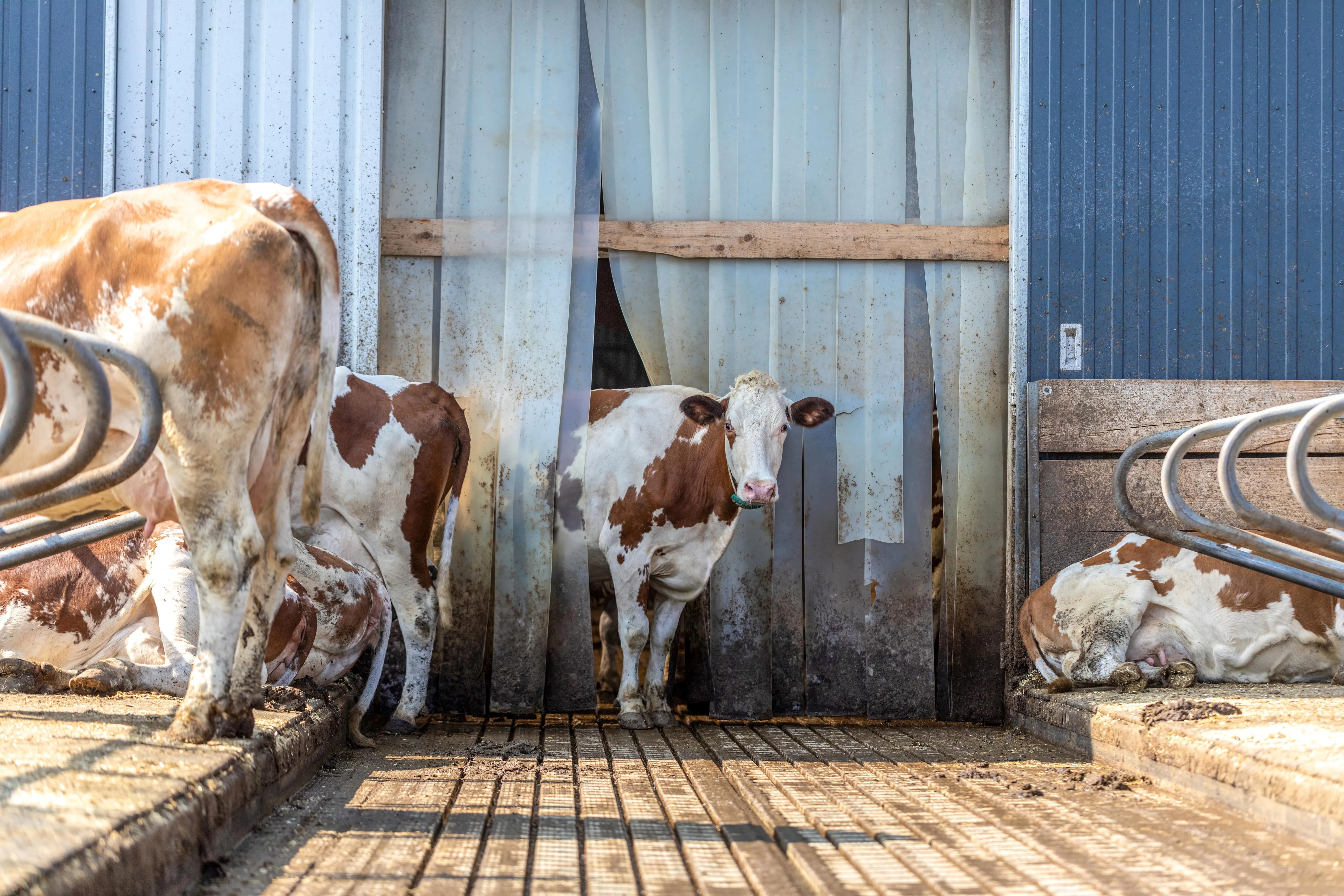
Gutworms and lungworm are picked up at grass, and their effects can carry through into the winter period. Housing day can be stressful for cattle, bringing animals indoors changes their environment, diet, and social dynamics. If they’re already battling significant internal or external parasites, the stress can tip the balance, leading to reduced performance, slower weight gain, and increased susceptibility to disease. Even subclinical infections, where signs aren’t obvious, can have a big impact on production and health.
Once housed, cattle are also in closer contact, which can make external parasites, such as lice, easier to spread.
Not all cattle will need treating, but certain groups may benefit from a pre-housing dose:
- First-season grazers: These younger animals are more susceptible to gutworms and lungworm.
- Second-season grazers: With a history of parasite challenge, poor performance or high-risk grazing.
- Cattle showing signs such as coughing, scour, poor coat condition, or reduced weight gain: Possible indicators of parasite burden.
- Animals grazing high-risk pastures: Including fields grazed by youngstock in previous years, known parasite challenge or high stocking pressure.
Monitoring growth rates, grazing history, faecal egg counts (FECs) and clinical signs can help ensure treatments are targeted where they are most likely to deliver a benefit.
Which wormer group is suitable for pre-housing treatment in cattle?
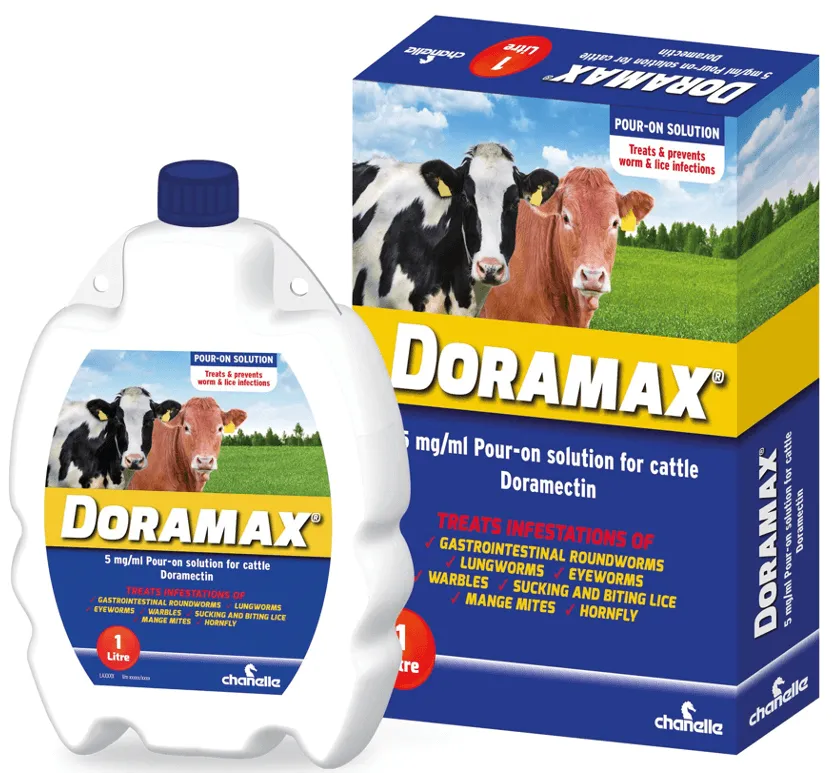
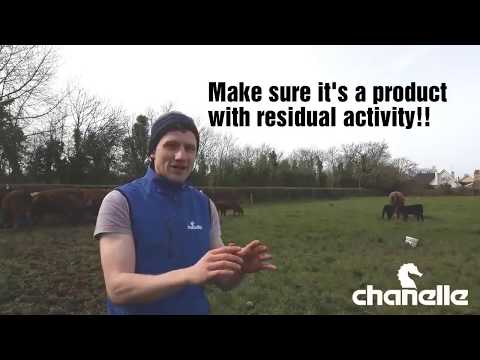
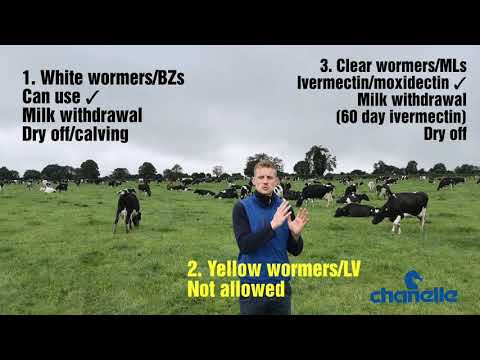
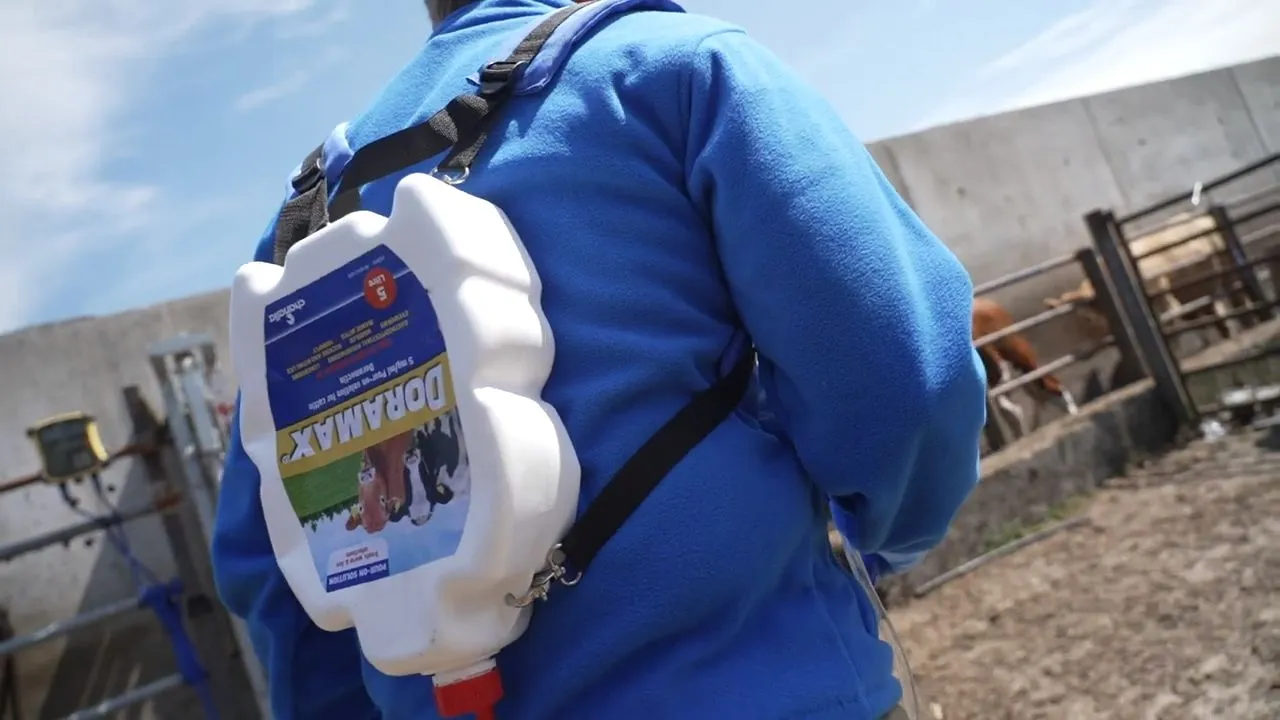
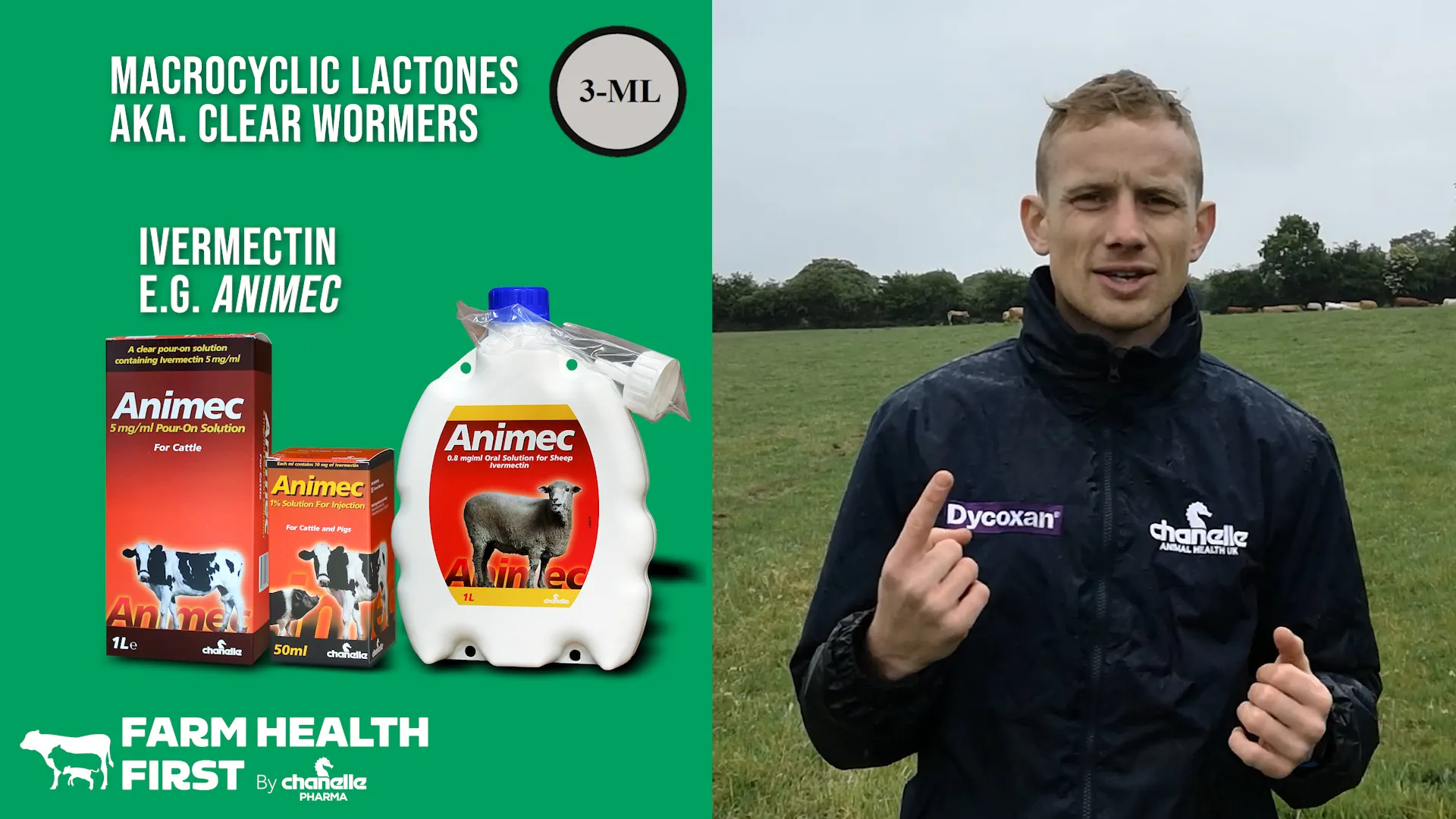
When appropriate, treating with a Group 3 clear wormer with persistent activity around five weeks before housing can help manage gutworm and lungworm risk while cattle complete their final weeks at grass.
This is especially important for lungworm control, as cattle can bring infections picked up during grazing into the housing period. The resulting respiratory disease can be costly and difficult to manage.
Why use a Group 3 (clear) wormer with persistent activity?
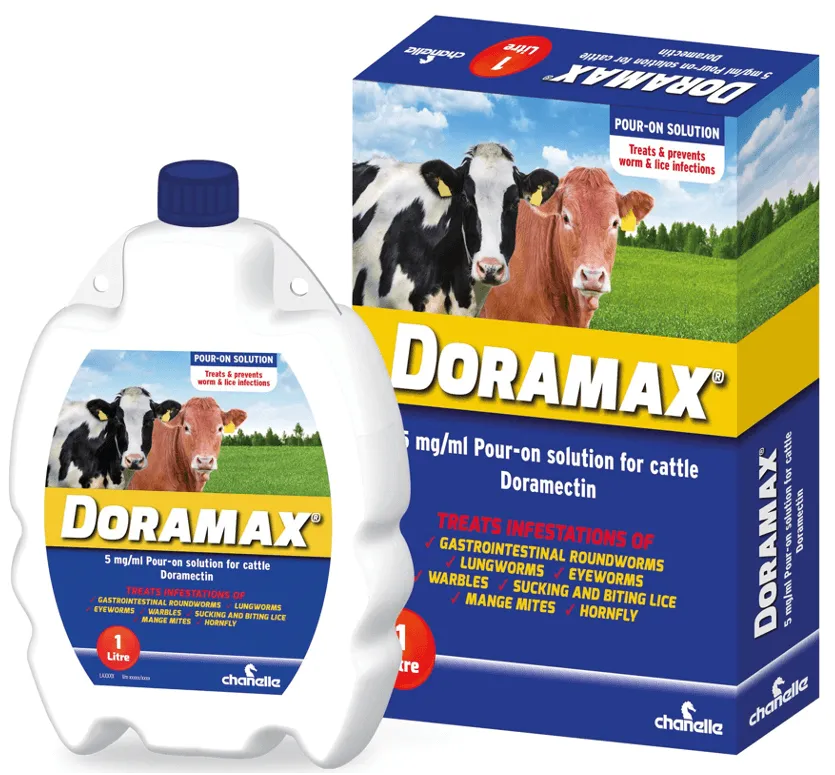
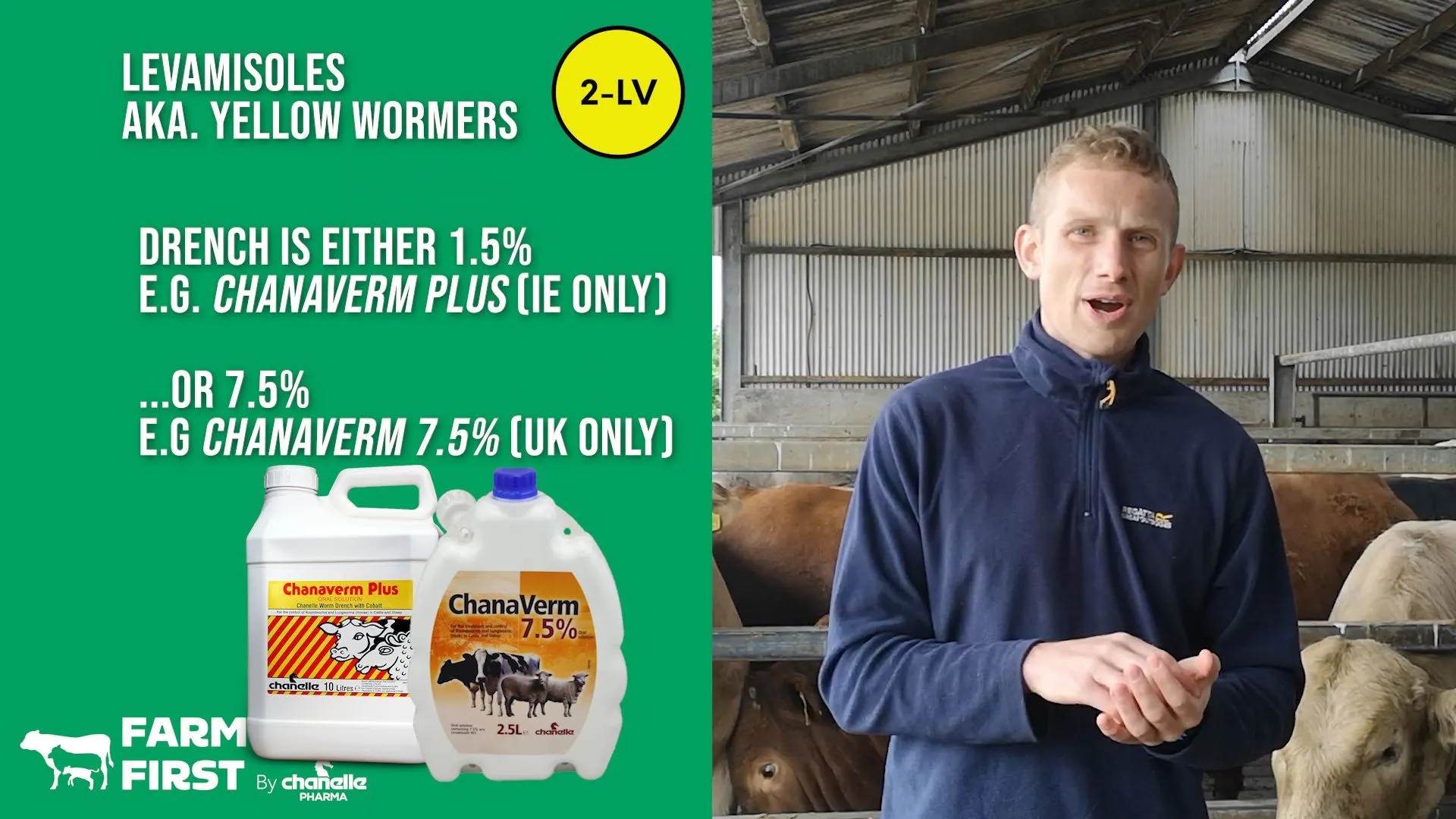
- Appropriate cover before housing: A suitable Group 3 clear wormer can treat gutworms and lungworm. Some products may also be licensed for external parasite control. Always check the product label for the target parasites.
- Reduced re-infection risk: Treated cattle spend their last few weeks at grass with a much lower parasite burden, so they’re less likely to pick up new infections before housing, with additional protection against reinfection when a product has licensed persistent activity.
- Better winter performance: Cattle enter housing cleaner, healthier, and ready to make the most of winter rations.
The right product and timing will depend on your farm’s risk, the parasites being targeted and treatment history. Speak to your vet or SQP before treating.
What are the benefits of pre-housing worming in cattle?
Where treatment is appropriate, treating cattle approximately five weeks before housing can help to:
- Reduce gutworm and lungworm burdens in at-risk cattle before housing and before growth is compromised.
- Help reduce pasture contamination during the final weeks at grass.
- Avoid additional stress on housing day by removing the need for extra handling.
- Maximise performance when feed costs are high and margins are tight.
By reducing parasite pressure now, you’re giving cattle the best chance to convert feed efficiently and maintain condition through the housing period. Parasite control isn’t just about reacting to problems, it’s about preventing them. By acting now, you’re not only protecting animal health but also safeguarding your farm’s productivity and profitability.
Healthy cattle are better placed to maintain growth, make efficient use of winter rations and avoid setbacks over winter. That starts with a bit of forward thinking in late summer.
Before you tick ‘housing prep’ off your list, review parasite control with your vet or SQP. A plan tailored to your cattle, grazing history and parasite risk can help protect performance through the housing period.



Newsletter
Products






Videos















Blog









.webp)
.webp)
.webp)
.webp)
.webp)
.webp)
.webp)
.webp)
.webp)

.webp)

.webp)



.webp)
.webp)


.jpeg)





.webp)

%2520-%2520What%2520is%2520coccidiosis_%25200-27%2520screenshot.webp)



.webp)




.webp)



CPD for SQPs & Vets
Sharpen your knowledge

DOsing Best Practices
Get the dose right every time