Doramectin Versus Other Active Ingredients
How doramectin compares
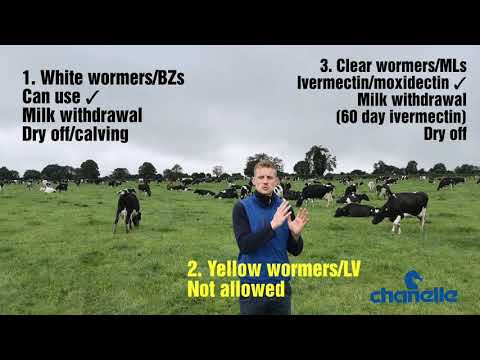
There are three classes, or families, of wormer classes for cattle:
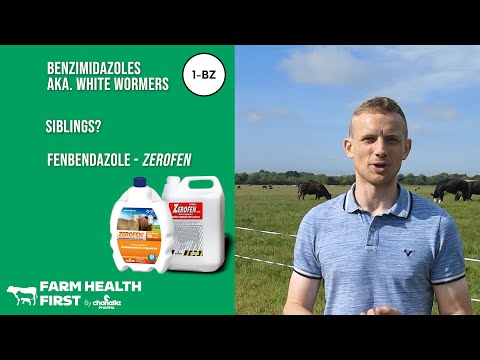
- Benzimidazoles (1-BZs) or ‘white wormers’
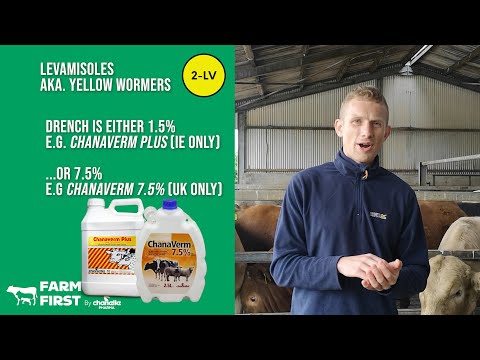
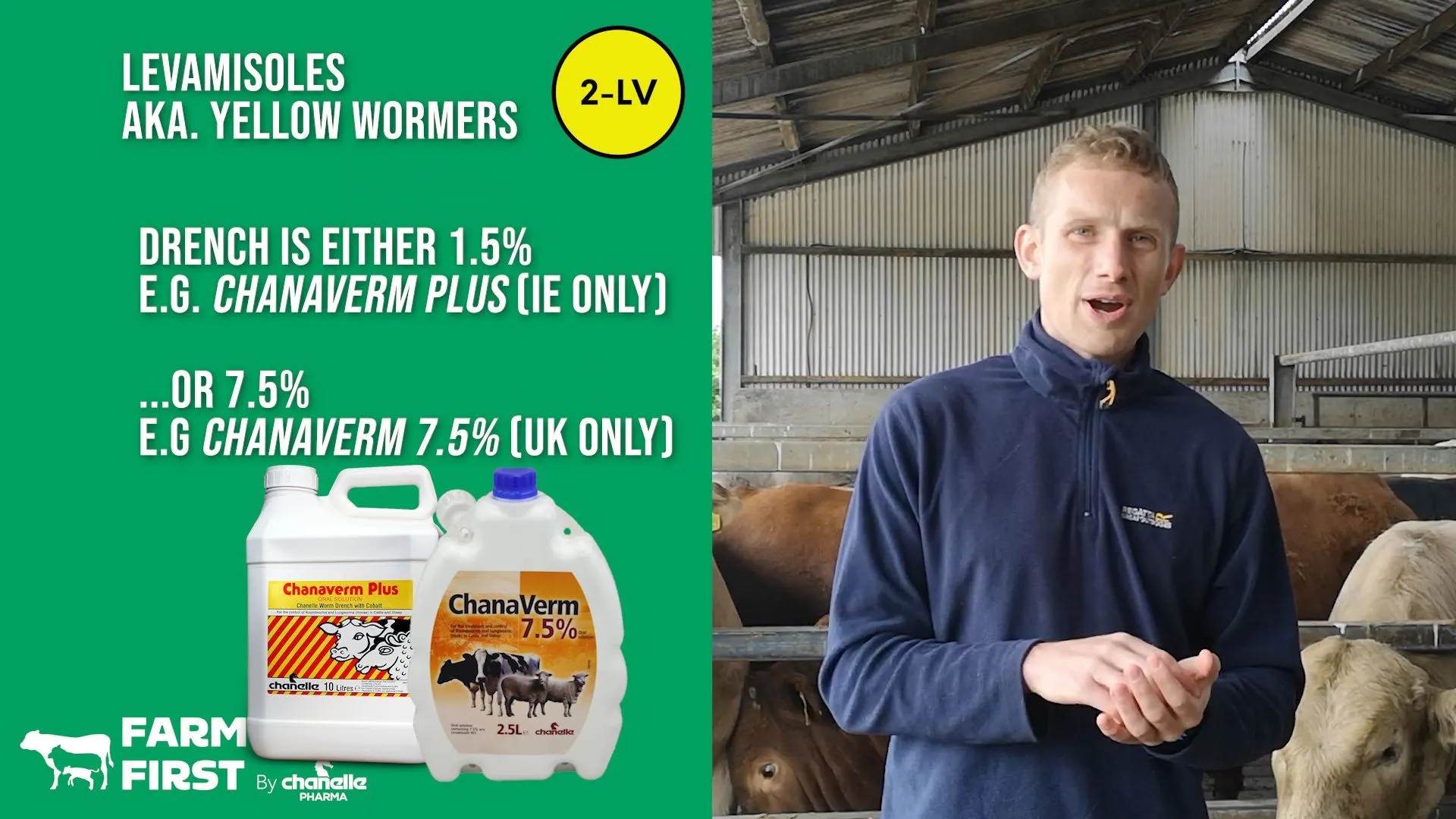
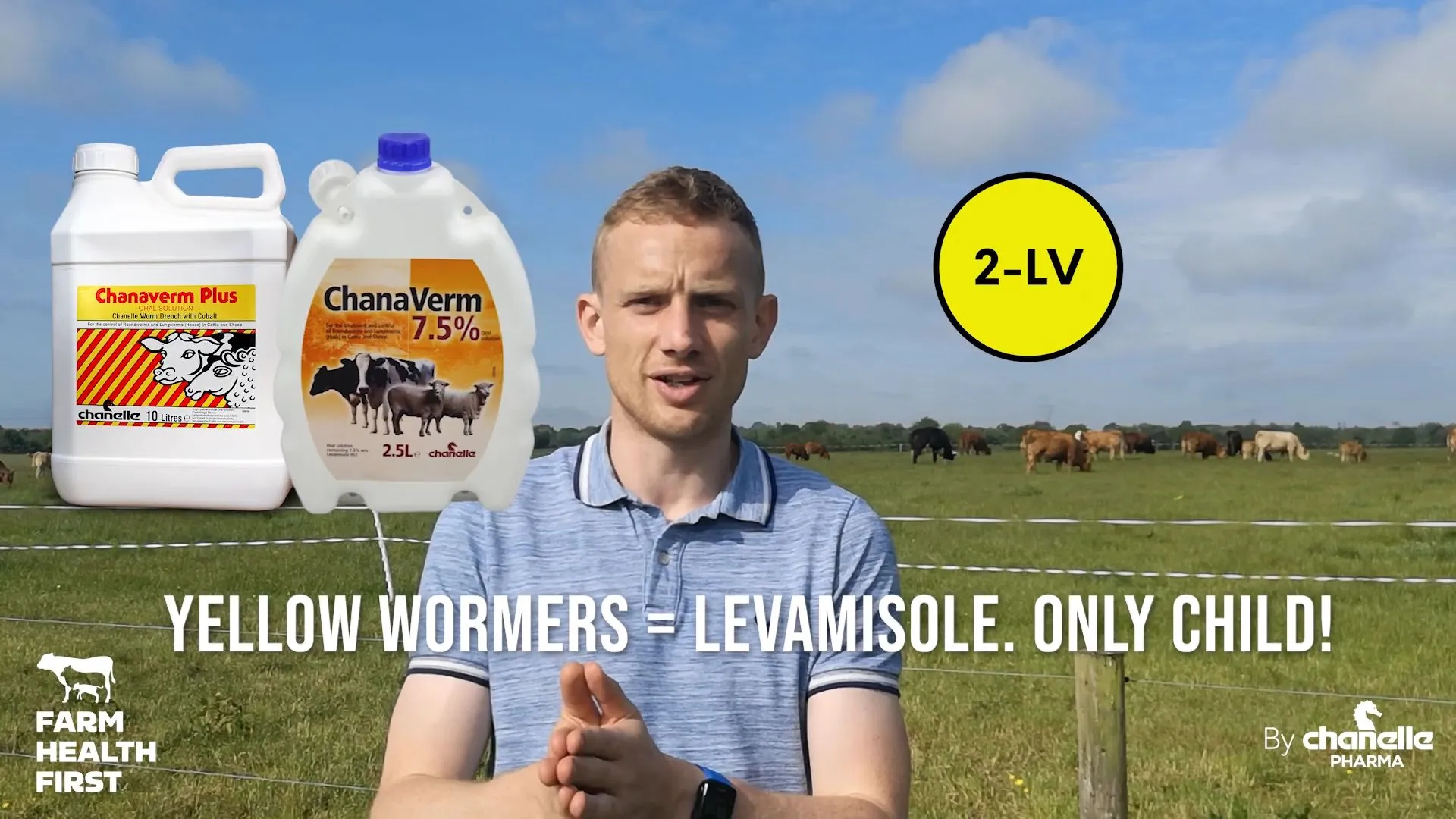
- Levamisole (2-LV) or ‘yellow wormers’
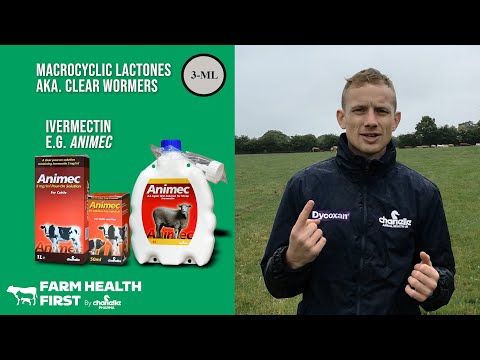
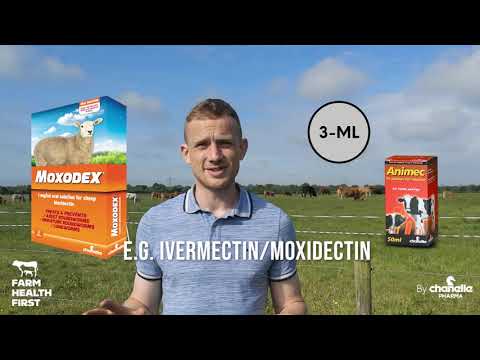
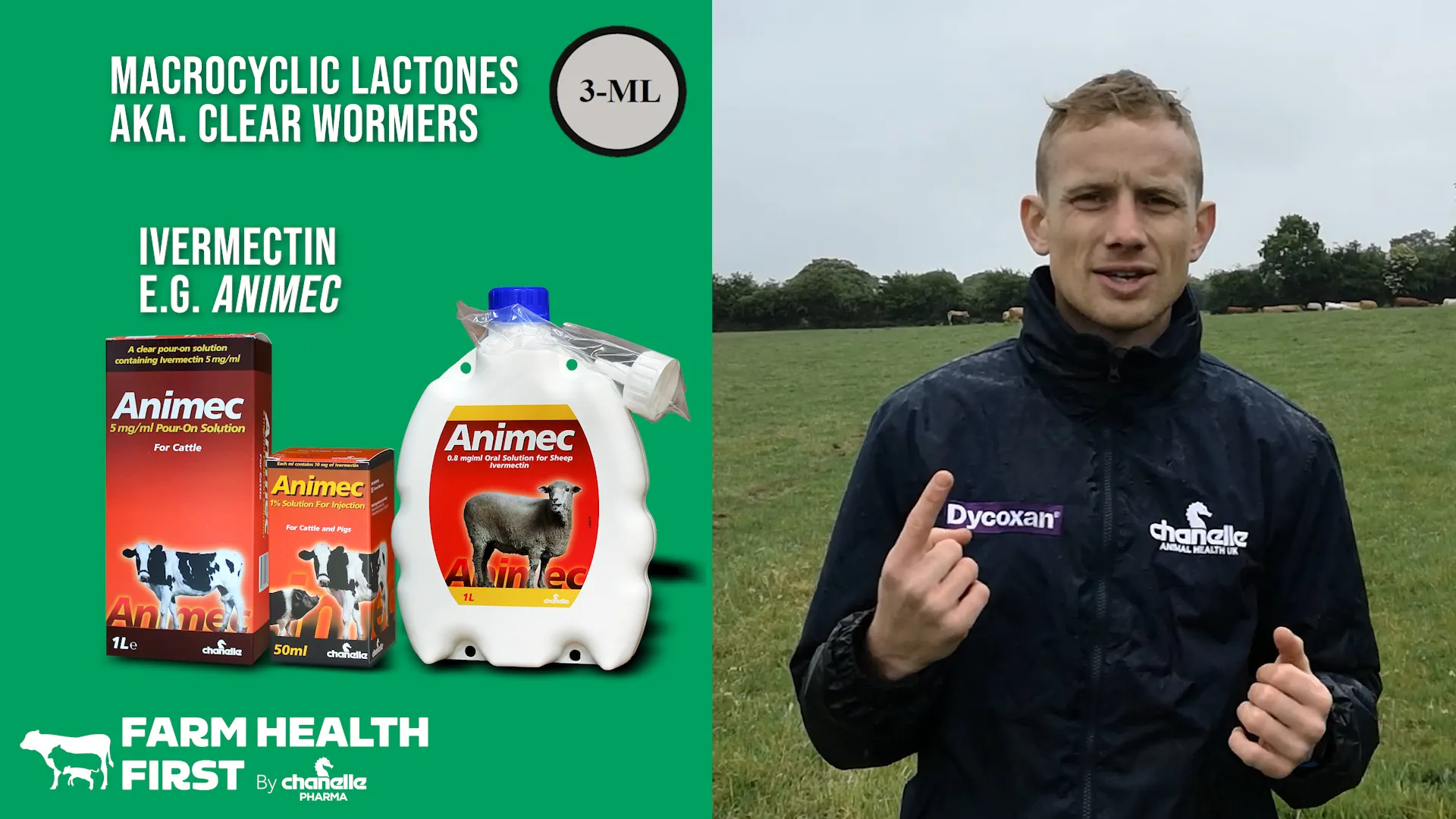
- Macrocyclic lactones (3-ML) or ‘clear w
Think of the above three classes as families, with specific active ingredients being siblings in each family. It’s important to note that an active sits in a certain class because of its chemical structure and mode of action, not its physical colour or appearance.
Like siblings in a family, actives in a given worm class are broadly similar, but boast subtle differences.
In the macrocyclic lactone class for cattle, all of the members have some efficacy against external parasites like lice and mites, as well as internal worms such as lungworm and stomach worm. They are also available in formats (injectable and pour-on) that the other classes are not and offer persistent activity against reinfection when used. These three characteristics are unique to the clear wormer class.
Cattle wormer active ingredients in the clear wormer class include:
Abamectin
Is doramectin different?
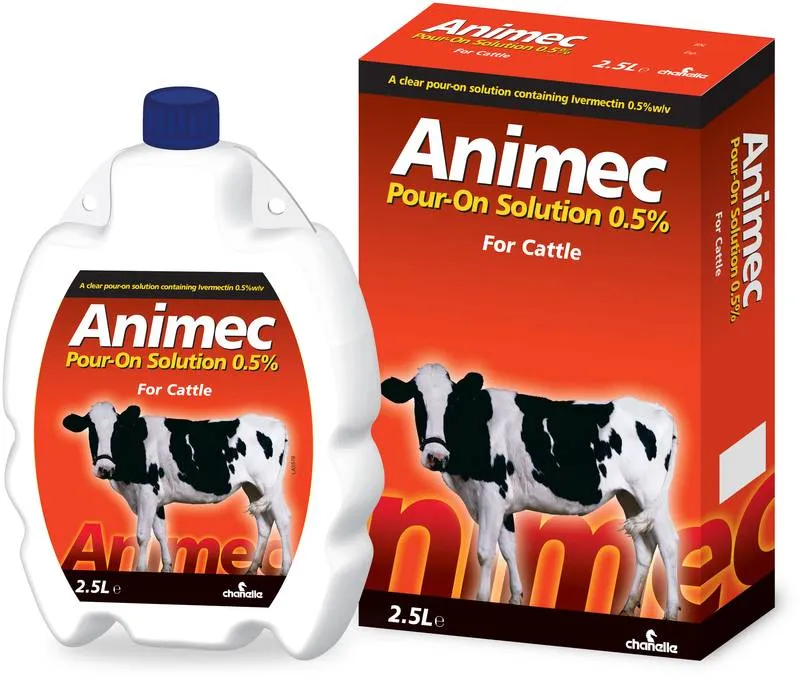
Doramectin is similar in chemical structure to ivermectin, eprinomectin and abamectin, but from a practical point of view it boasts a longer level of licenced persistent activity than these ingredients in the same format.
On farm, this means less treatment and handlings are required.
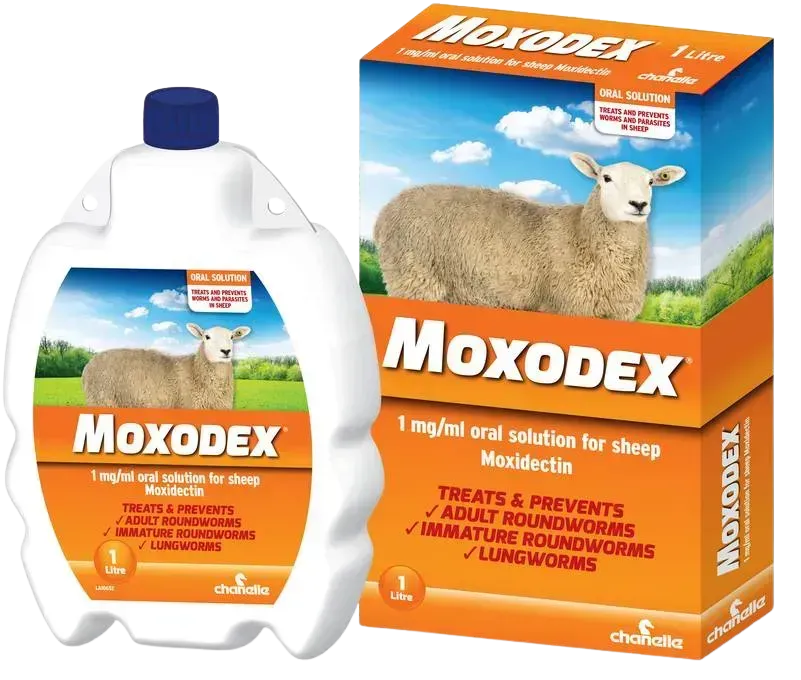
Moxidectin differs slightly in chemical structure from all other macrocyclic lactones and offers similar levels of persistency against certain parasites.
However, in the same format, doramectin has a longer list of indications for persistent activity against important parasites in cattle, namely lice and mites.
How doramectin compares
There are three classes, or families, of wormer classes for cattle:
- Benzimidazoles (1-BZs) or ‘white wormers’
- Levamisole (2-LV) or ‘yellow wormers’
- Macrocyclic lactones (3-ML) or ‘clear w
Think of the above three classes as families, with specific active ingredients being siblings in each family. It’s important to note that an active sits in a certain class because of its chemical structure and mode of action, not its physical colour or appearance.
Like siblings in a family, actives in a given worm class are broadly similar, but boast subtle differences.
In the macrocyclic lactone class for cattle, all of the members have some efficacy against external parasites like lice and mites, as well as internal worms such as lungworm and stomach worm. They are also available in formats (injectable and pour-on) that the other classes are not and offer persistent activity against reinfection when used. These three characteristics are unique to the clear wormer class.
Cattle wormer active ingredients in the clear wormer class include:
Abamectin
Is doramectin different?
Doramectin is similar in chemical structure to ivermectin, eprinomectin and abamectin, but from a practical point of view it boasts a longer level of licenced persistent activity than these ingredients in the same format.
On farm, this means less treatment and handlings are required.
Moxidectin differs slightly in chemical structure from all other macrocyclic lactones and offers similar levels of persistency against certain parasites.
However, in the same format, doramectin has a longer list of indications for persistent activity against important parasites in cattle, namely lice and mites.



Newsletter
Products

















Blog












.webp)
.webp)
.webp)
.webp)
.webp)
.webp)
.webp)
.webp)
.webp)

.webp)


.webp)




.webp)
.webp)


.jpeg)









.webp)


%2520-%2520What%2520is%2520coccidiosis_%25200-27%2520screenshot.webp)



.webp)




.webp)

CPD for SQPs & Vets
Sharpen your knowledge

DOsing Best Practices
Get the dose right every time