Blog
Farm Vet Emma's October update

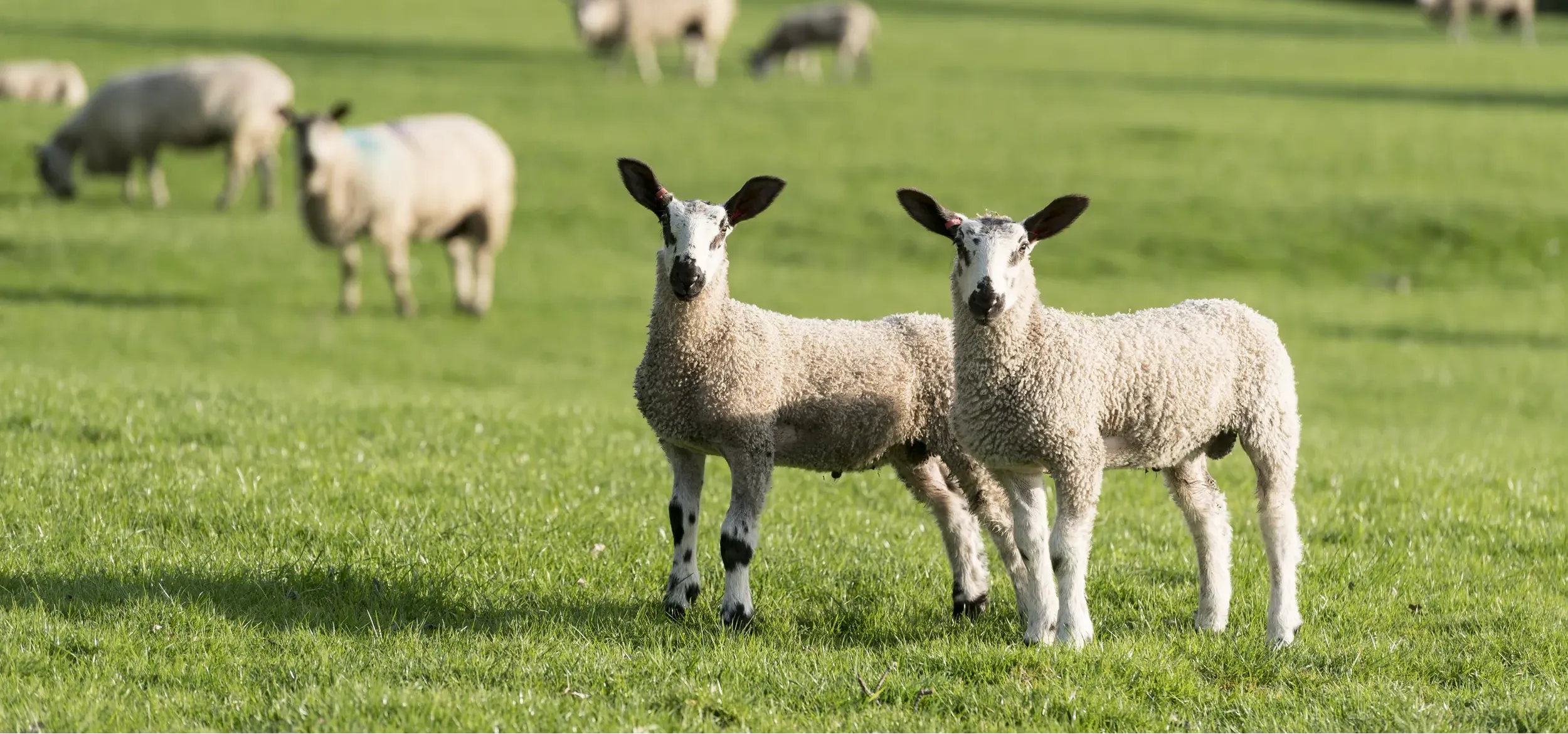
The back end is when a lot of next year’s problems quietly start, so here’s what I’d be doing on the farm right now.
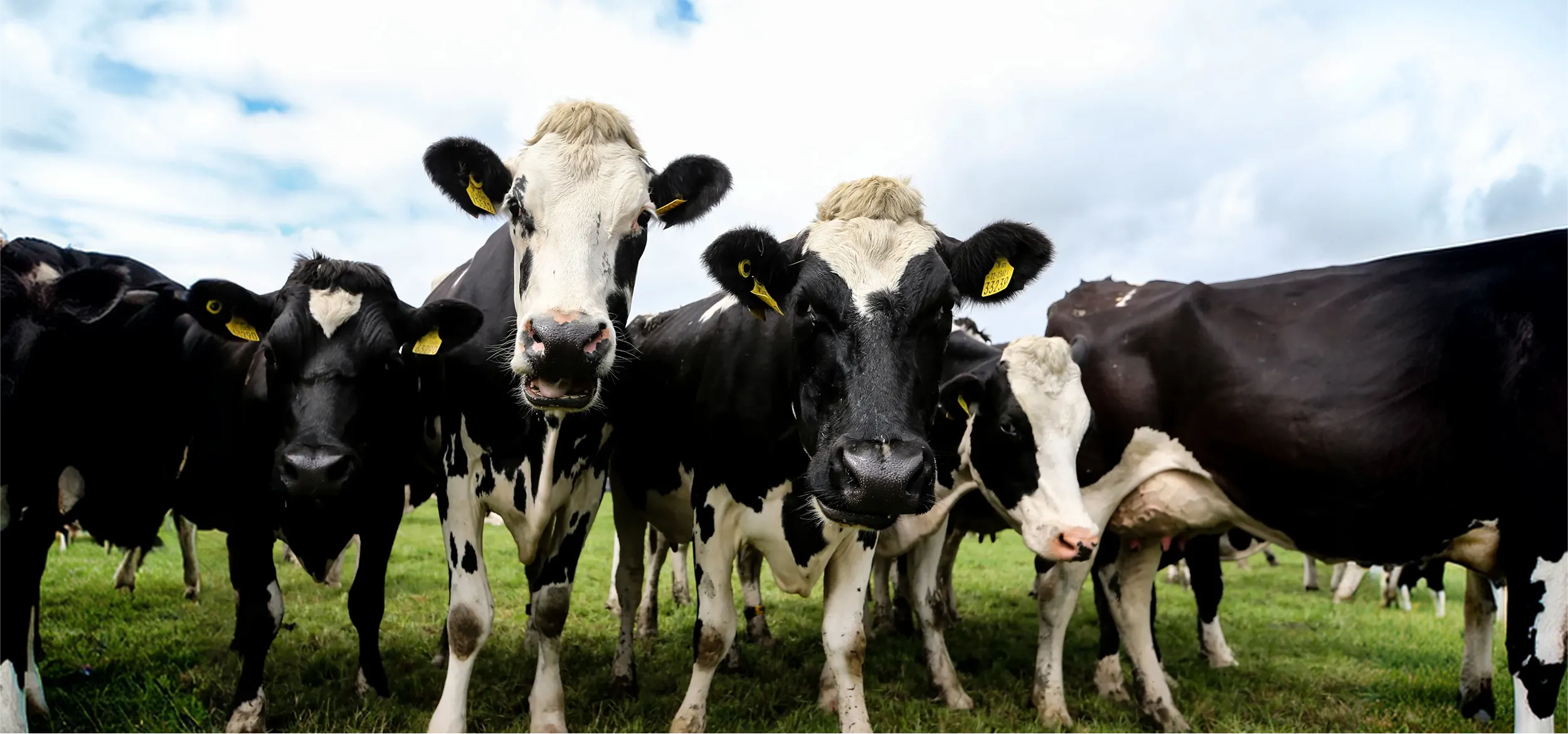
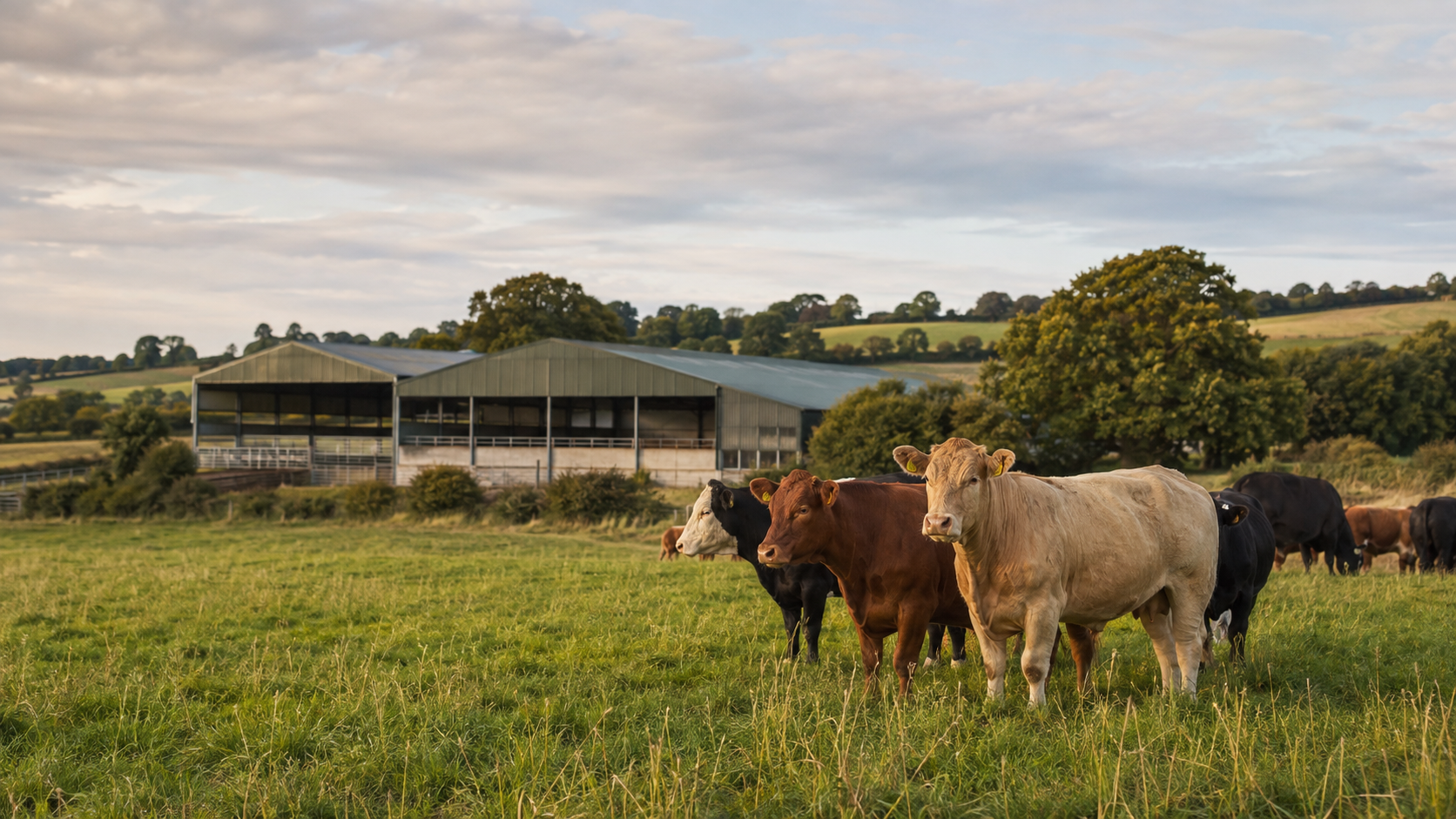
Cattle
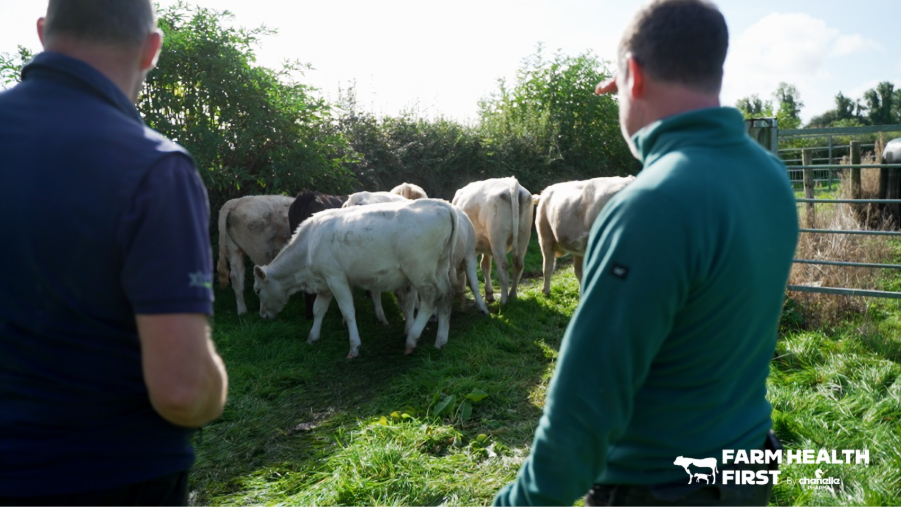
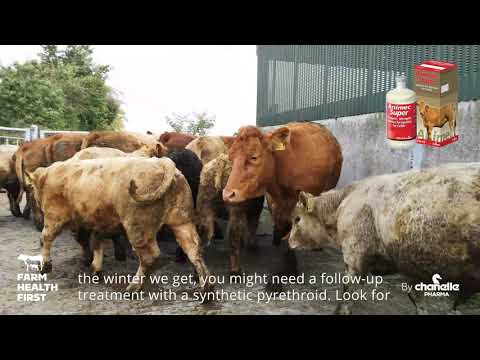
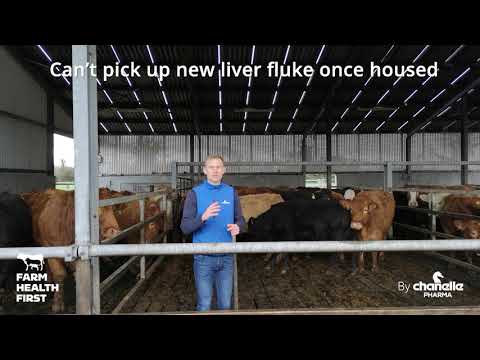
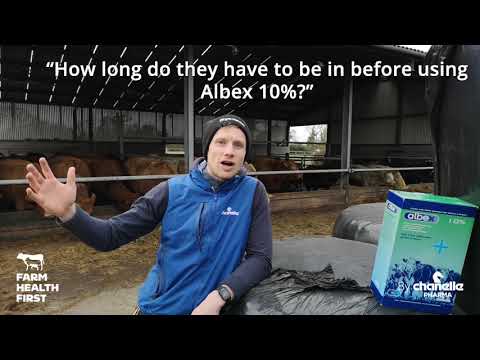
- Write down the day each group stopped grazing. Your fluke treatment timing counts from that date, not from when you remember to dose. Some treatments only work on adult fluke, which in housed cattle means waiting 10 to 12 weeks after housing.
- Weigh and condition score them going in. You’ll want accurate weights for any treatment over the winter, and a baseline to see whether they’re actually thriving.
- Check for lice. Part the hair along the neck and back. If you treat, do the whole group at once and don’t add untreated cattle afterwards.
- Walk the shed on a still day. It should be well ventilated without being draughty.
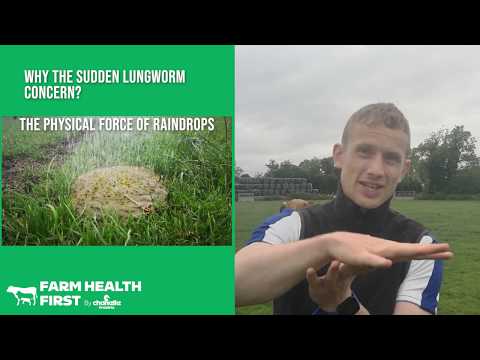
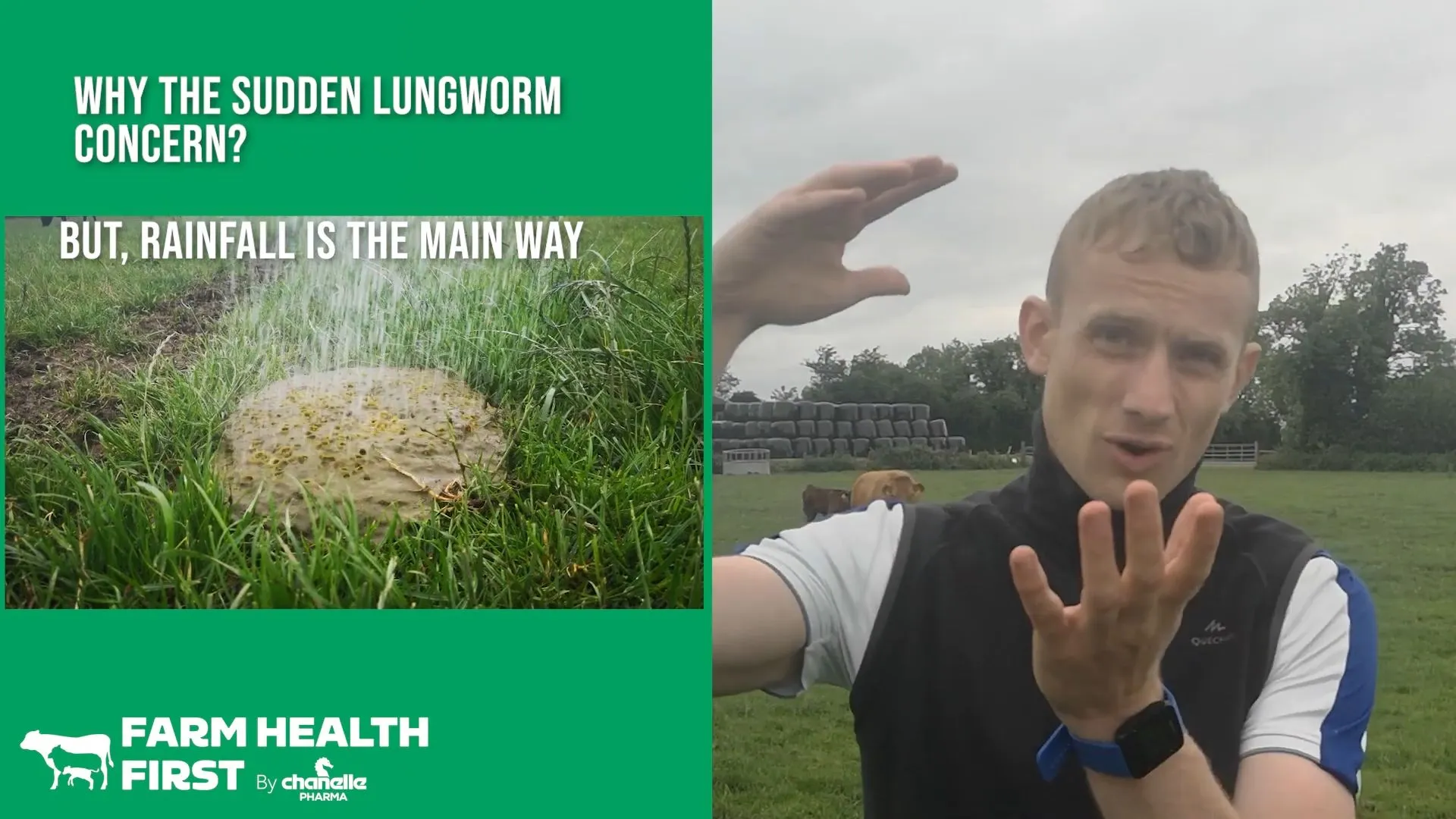
- Listen at feeding time. A cough in the first weeks inside could be lungworm picked up at grass or the start of pneumonia. They need different treatments, so ring your vet rather than guess.
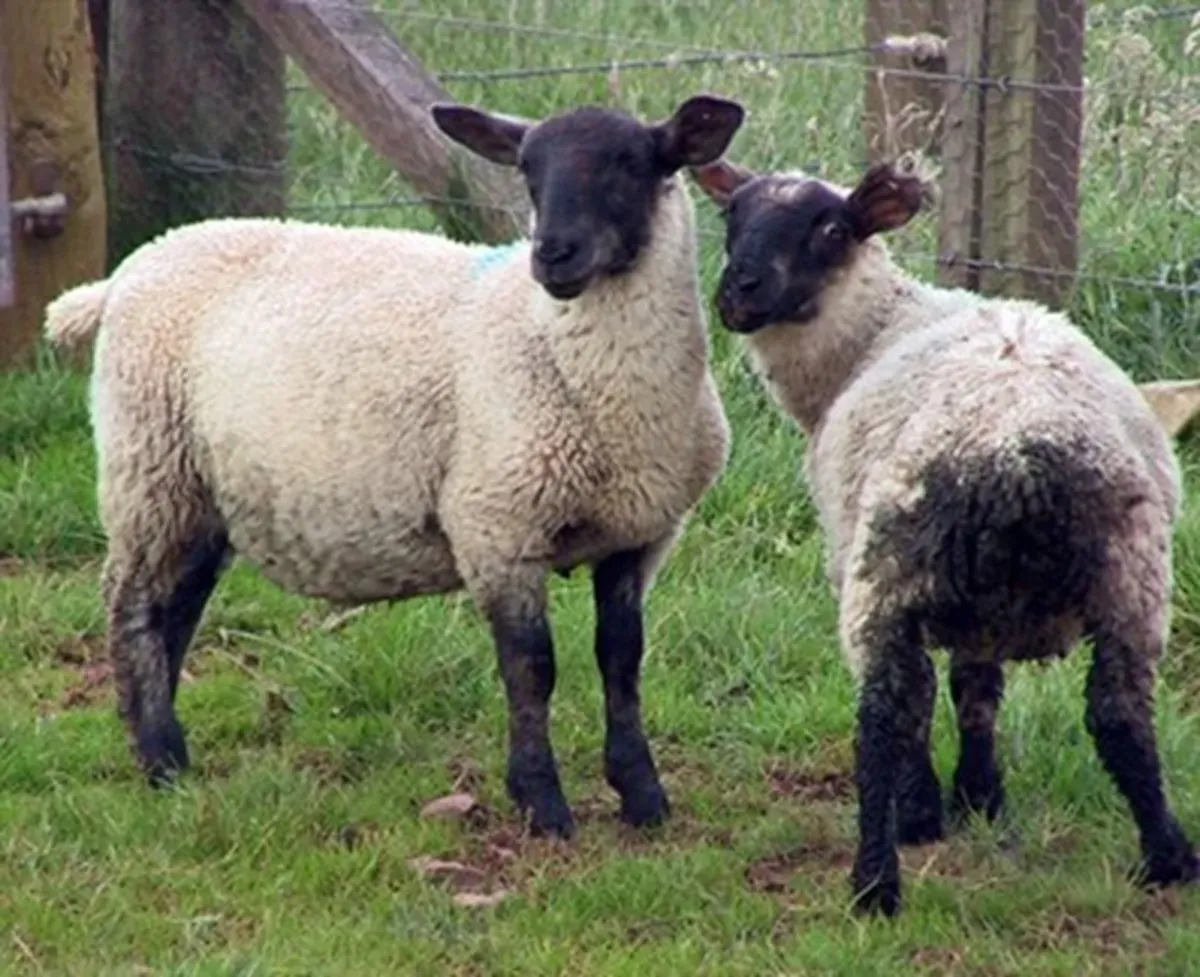
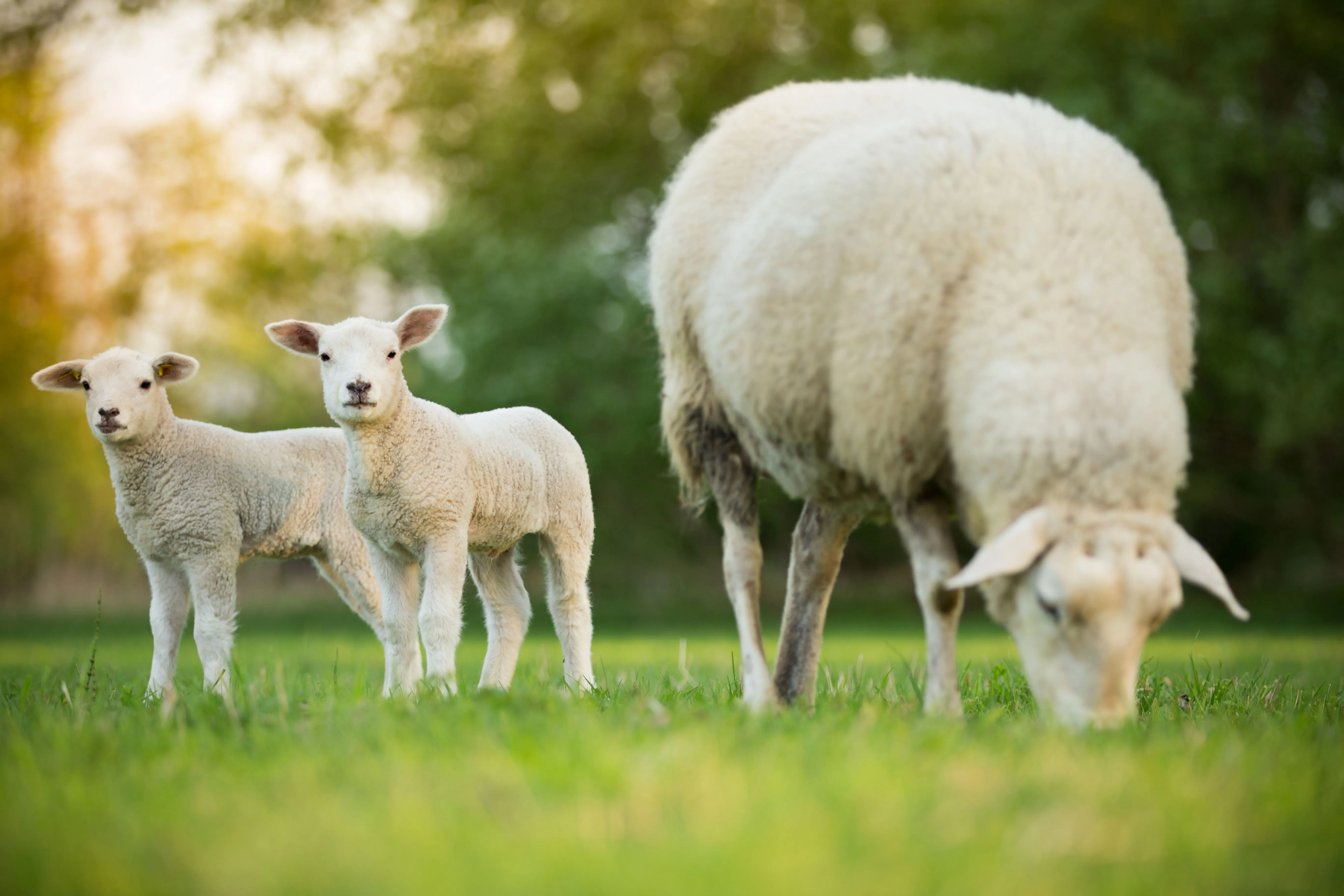
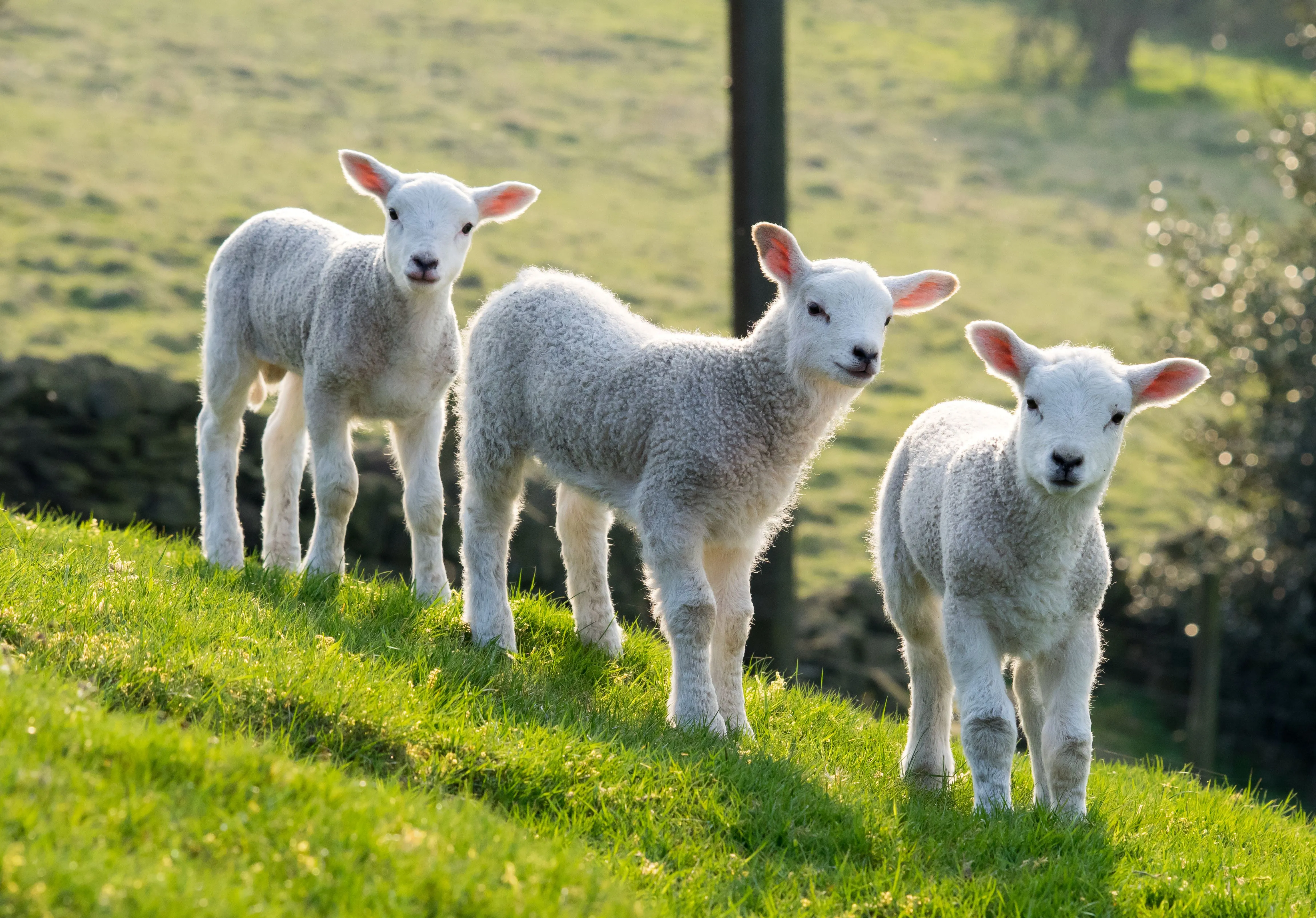
Sheep
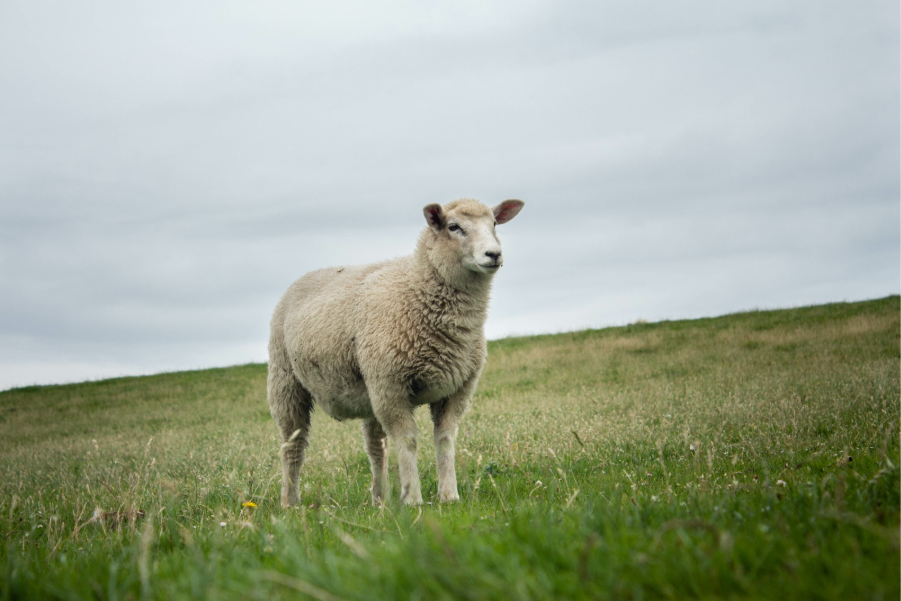
- Don’t ignore a sudden death. Acute fluke often shows up as a dead sheep first. Get a post-mortem done.
- Keep sheep off the wettest ground where you can. That’s where fluke is picked up.
- Watch condition through tupping.
- Keep an eye on the rams. Lame or thin rams work less, so check feet and condition through the season.
- Quarantine anything you buy in, with a fluke plan agreed with your vet.
To continue watching Emma's updates, click here.
The back end is when a lot of next year’s problems quietly start, so here’s what I’d be doing on the farm right now.
Cattle checklist
- Write down the day each group stopped grazing. Your fluke treatment timing counts from that date, not from when you remember to dose. Some treatments only work on adult fluke, which in housed cattle means waiting 10 to 12 weeks after housing.
- Weigh and condition score them going in. You’ll want accurate weights for any treatment over the winter, and a baseline to see whether they’re actually thriving.
- Check for lice. Part the hair along the neck and back. If you treat, do the whole group at once and don’t add untreated cattle afterwards.
- Walk the shed on a still day. It should be well ventilated without being draughty.
- Listen at feeding time. A cough in the first weeks inside could be lungworm picked up at grass or the start of pneumonia. They need different treatments, so ring your vet rather than guess.
Sheep checklist
- Don’t ignore a sudden death. Acute fluke often shows up as a dead sheep first. Get a post-mortem done.
- Keep sheep off the wettest ground where you can. That’s where fluke is picked up.
- Watch condition through tupping.
- Keep an eye on the rams. Lame or thin rams work less, so check feet and condition through the season.
- Quarantine anything you buy in, with a fluke plan agreed with your vet.
To continue watching Emma's updates, click here.



Newsletter
Stay one step ahead this farming season
Get practical animal health advice, seasonal alerts and on-farm tips straight to your inbox.





























Blog
Related Blogs











































CPD for SQPs & Vets
Sharpen your knowledge
Free, accredited CPD modules covering parasite control, disease management and product use.
Stay current and meet your professional requirements.

DOsing Best Practices
Get the dose right every time
Clear dosing guidance for the full Chanelle Pharma range. Accurate dosing means better outcomes for the animal and better value for the farmer.