Blog
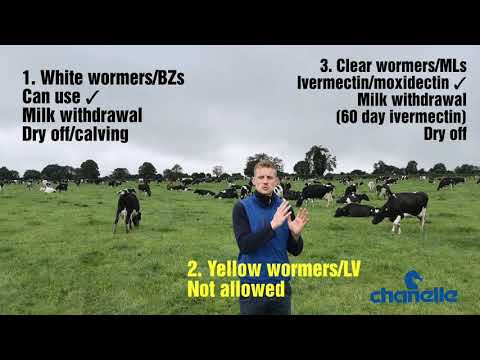
Wormer Classes for Cattle and Sheep - White Wormers
Understanding white wormers
Last week we introduced the concept of wormer classes - outlining what exactly a wormer class is and what they kill.
This week we delve deeper in the first class, the benzimidazoles or 'white wormers'.
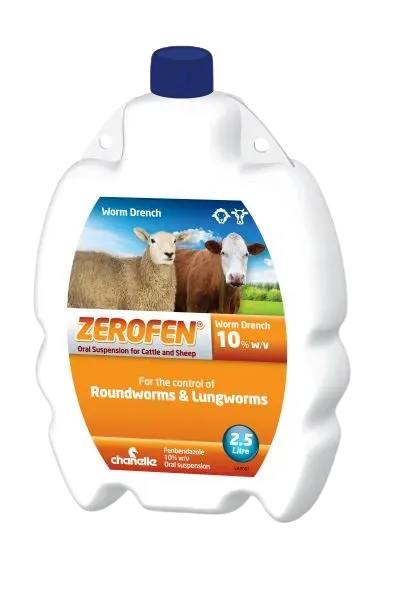
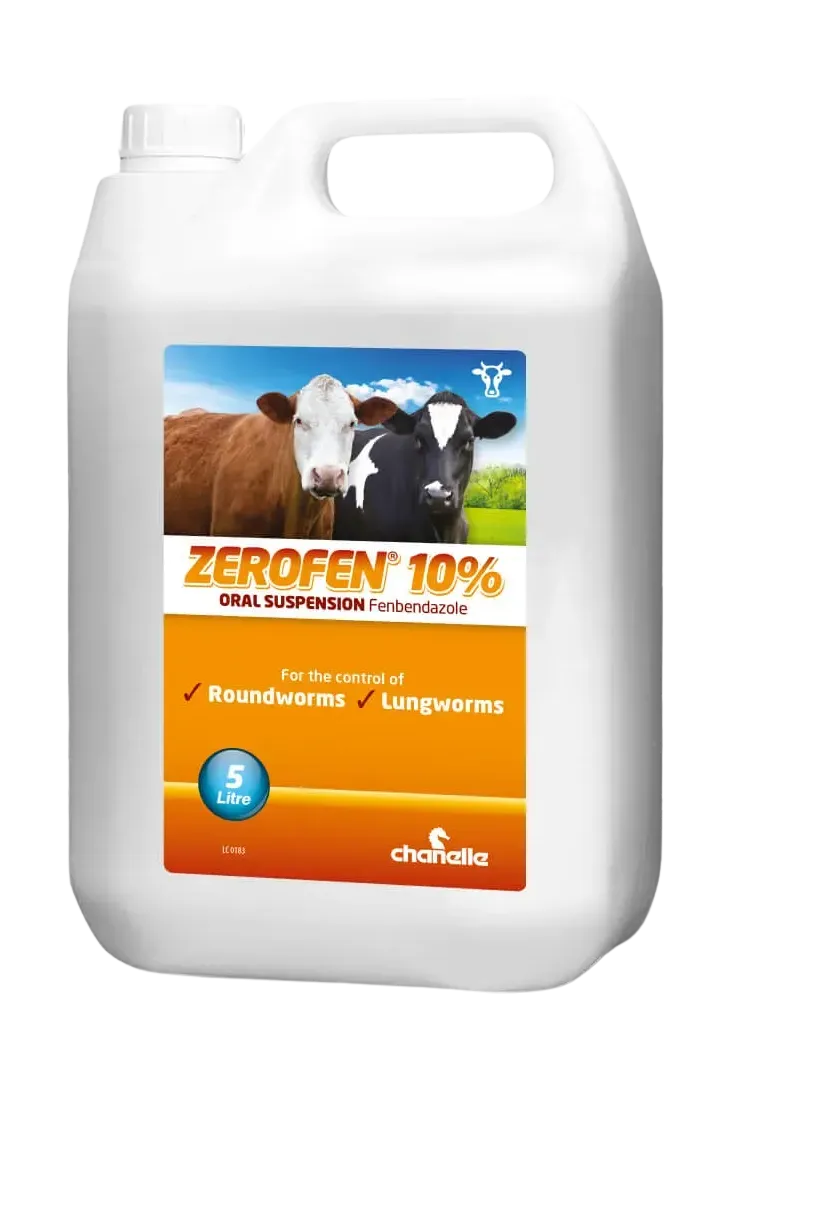
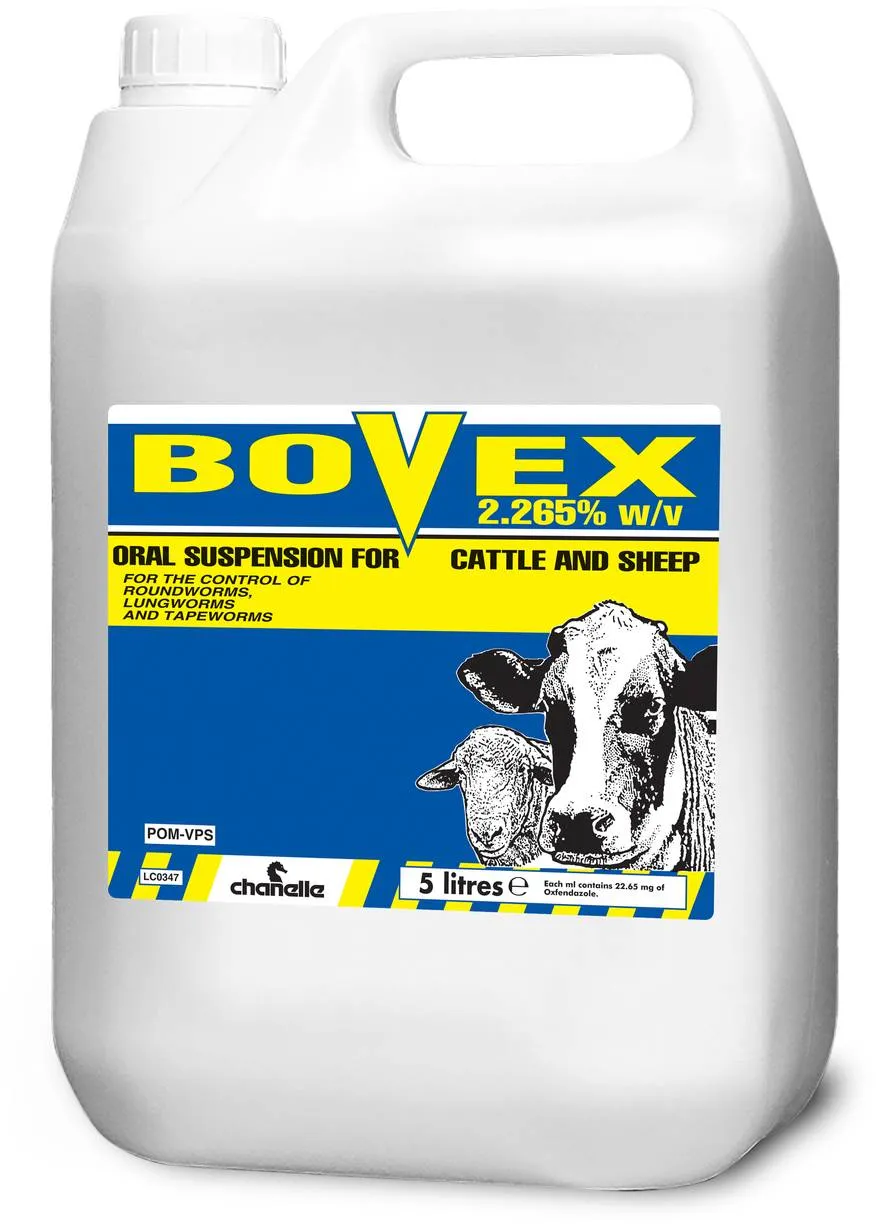
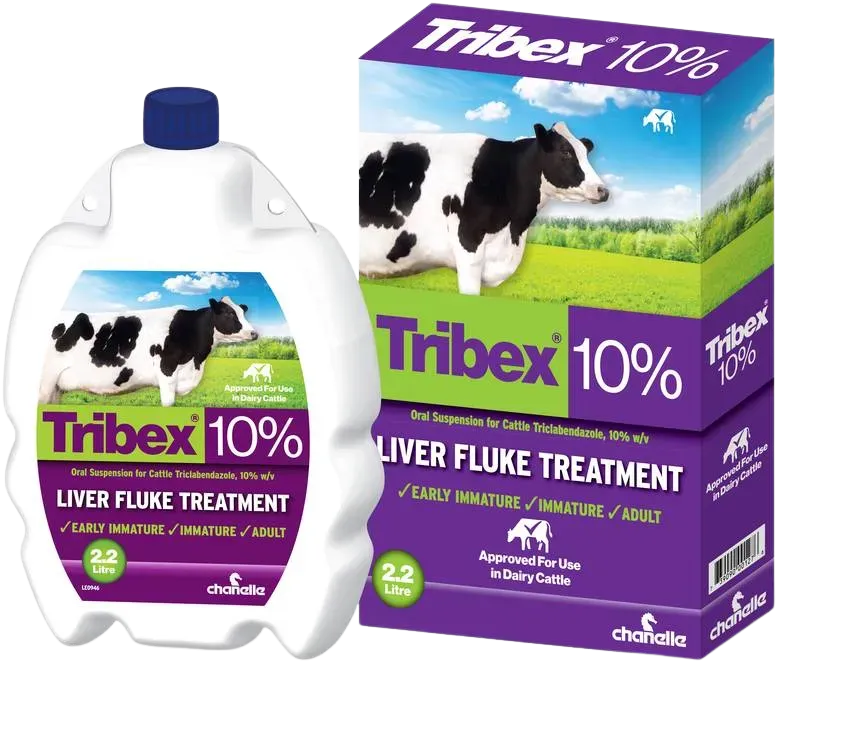
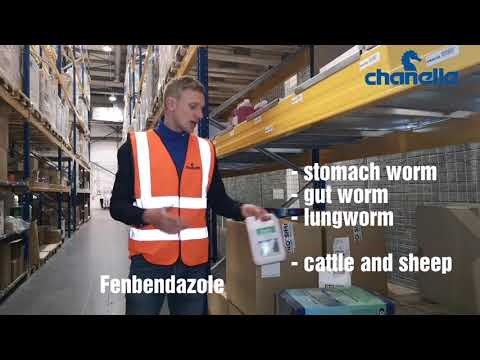
- It is a five-active class. In Ireland, albendazole, fenbendazole and oxfendazole are the most common benzimidazoles used. In the UK, mebendazole and ricobendazole are also popular. Note triclabendazole, a flukicide' also sits in the BZ class but is exclusively a fluke product. It sits here based on its chemical structure and mode of action.
- As well as treating the main internal worms in cattle - lungworm and GI worms, and sheep, benzimidazoles also treat ruminant tapeworm. Albendazole is a unique ingredient in that it is the only wormer that also treats liver fluke.
- BZ products are always administered orally and have a high safety index - i.e. the amount required to cause ill effects in animals is many times higher than the dosage.
- Withdrawal periods for beef range from 12 to 19 days and milk from 60 to 132 hours, depending on product.
- Lamb withdrawal periods range from 3 to 24 days, depending on product.
- White wormers do not have persistent activity post-treatment. This means animals may require more handling overall (sooner follow-up treatment/diagnostics) but can be beneficial in stimulating the animal's own natural immunity.
Keep Learning
Understanding white wormers
Last week we introduced the concept of wormer classes - outlining what exactly a wormer class is and what they kill.
This week we delve deeper in the first class, the benzimidazoles or 'white wormers'.
- It is a five-active class. In Ireland, albendazole, fenbendazole and oxfendazole are the most common benzimidazoles used. In the UK, mebendazole and ricobendazole are also popular. Note triclabendazole, a flukicide' also sits in the BZ class but is exclusively a fluke product. It sits here based on its chemical structure and mode of action.
- As well as treating the main internal worms in cattle - lungworm and GI worms, and sheep, benzimidazoles also treat ruminant tapeworm. Albendazole is a unique ingredient in that it is the only wormer that also treats liver fluke.
- BZ products are always administered orally and have a high safety index - i.e. the amount required to cause ill effects in animals is many times higher than the dosage.
- Withdrawal periods for beef range from 12 to 19 days and milk from 60 to 132 hours, depending on product.
- Lamb withdrawal periods range from 3 to 24 days, depending on product.
- White wormers do not have persistent activity post-treatment. This means animals may require more handling overall (sooner follow-up treatment/diagnostics) but can be beneficial in stimulating the animal's own natural immunity.



Newsletter
Stay one step ahead this farming season
Get practical animal health advice, seasonal alerts and on-farm tips straight to your inbox.

.webp)











































Blog
Related Blogs






























.webp)
.webp)
.webp)
.webp)
.webp)
.webp)
.webp)
.webp)
.webp)

.webp)


.webp)





.webp)
.webp)


.jpeg)











.webp)



%2520-%2520What%2520is%2520coccidiosis_%25200-27%2520screenshot.webp)




.webp)





.webp)



CPD for SQPs & Vets
Sharpen your knowledge
Free, accredited CPD modules covering parasite control, disease management and product use.
Stay current and meet your professional requirements.

DOsing Best Practices
Get the dose right every time
Clear dosing guidance for the full Chanelle Pharma range. Accurate dosing means better outcomes for the animal and better value for the farmer.