Blog
Wormer Classes for Cattle and Sheep - Understanding the Basics
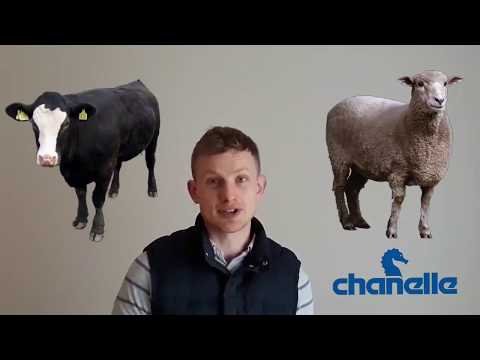
Understanding the main wormer classes
There can be a lot of confusion around wormer classes...
"Should I use a blue wormer next?"
"Will that kill fluke too?"
Over the next couple of weeks, we'll look within each of the wormer classes in a bit more detail. Before we do that, it's important to note a couple of points on wormers.
- Every wormer belongs in a worm class - think of it as a family. Related wormers in the same class share similar modes of action and chemical structures.
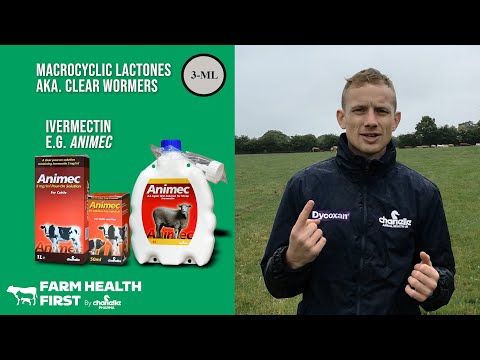
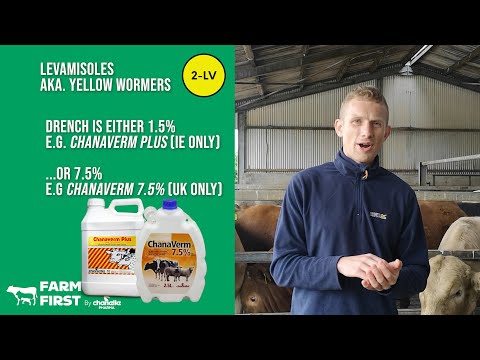
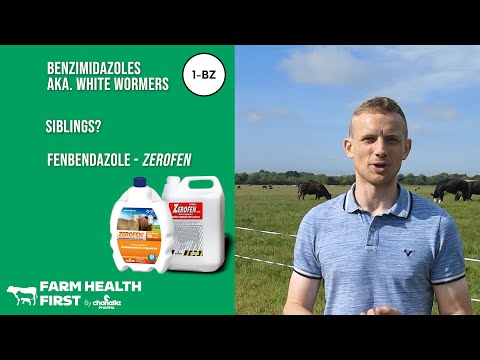
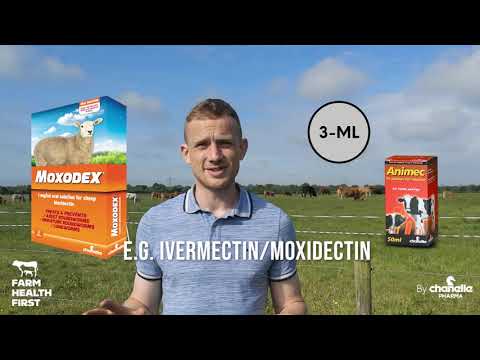
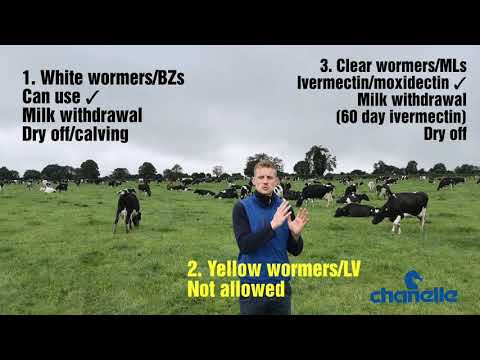
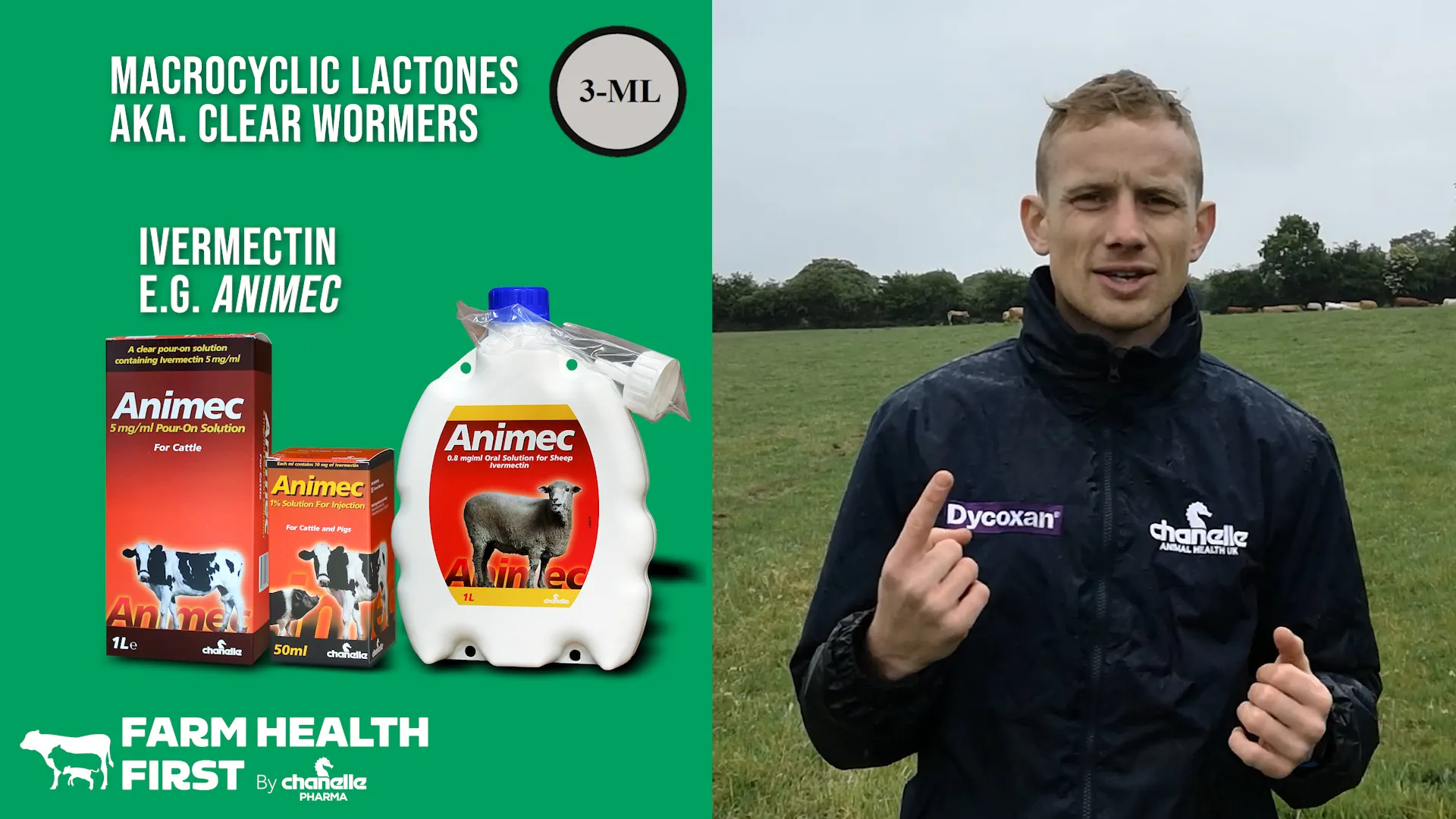
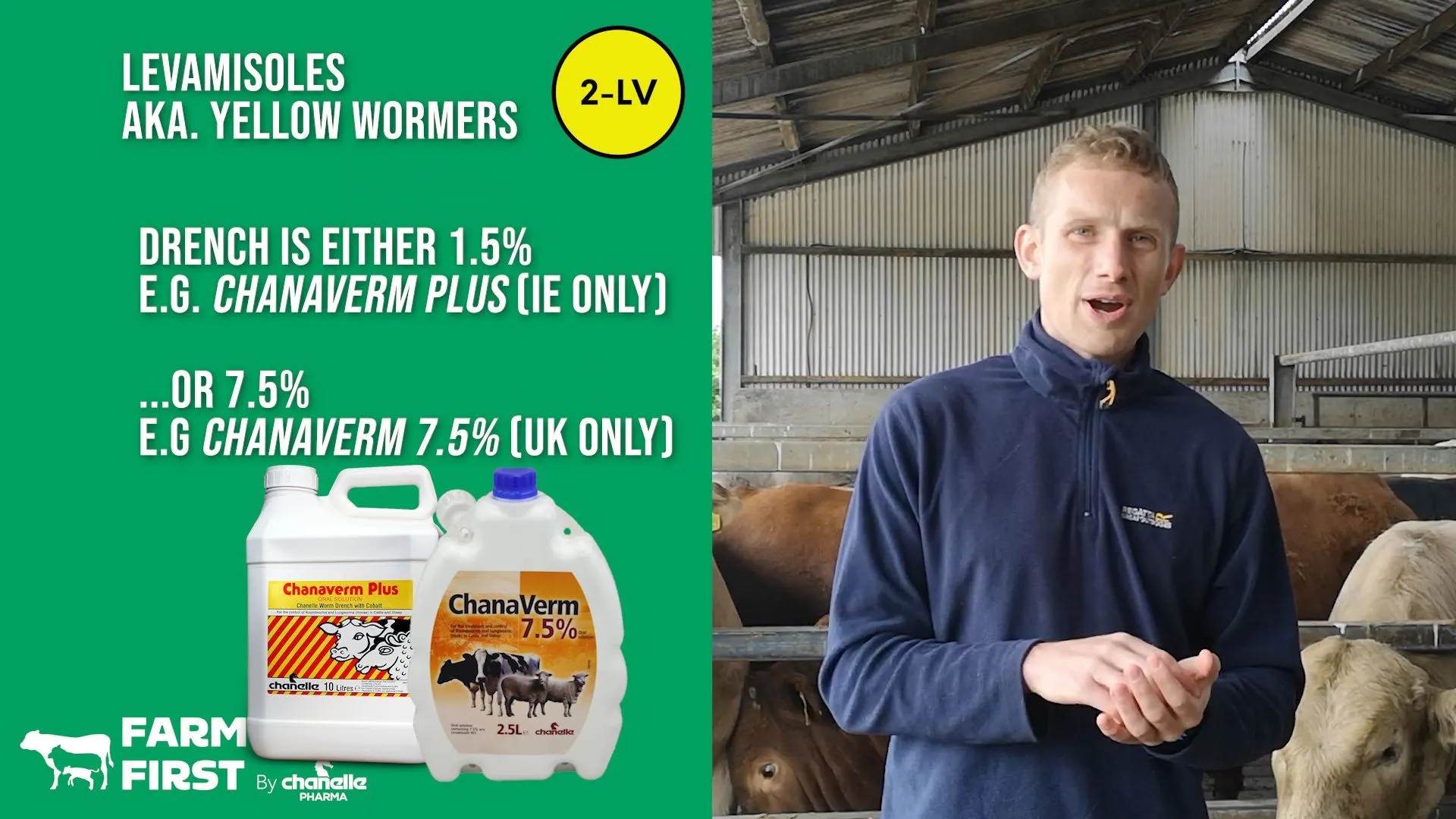
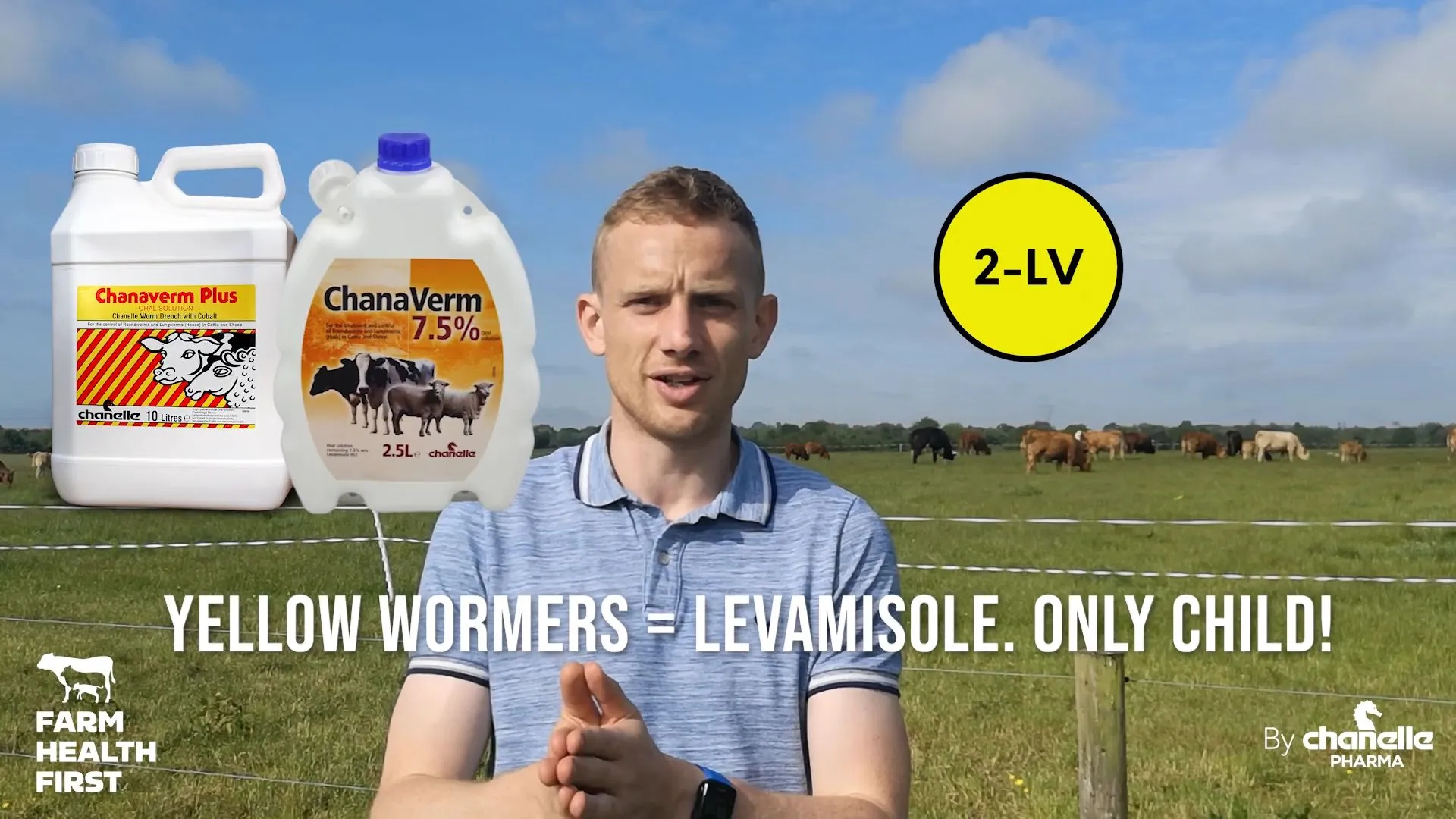
- There are three wormer classes in cattle; Benzimidazoles (aka. white wormers), Levamisoles (aka. yellow wormers) and Macrocyclic Lactones (aka. clear wormers).
- In sheep, we have these three and a further two more: Amino-acetonitrile derivatives (orange wormers) and Spiroindoles (purple wormers).
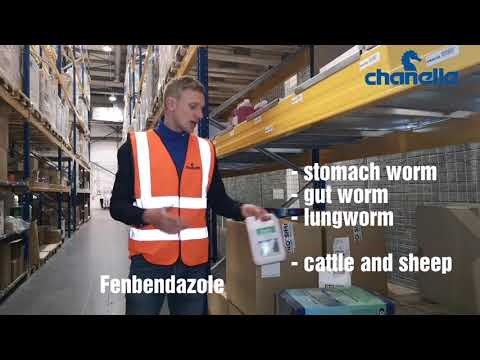
- When we talk about wormers, we are referring to products that treat the main internal worms - stomach, gut and lungworm in cattle and the main gastrointestinal worms in sheep. All wormers in all classes should be effective against these. Yes, other internal worms will be killed - but for the most part, these are not of importance from production or welfare points of view.
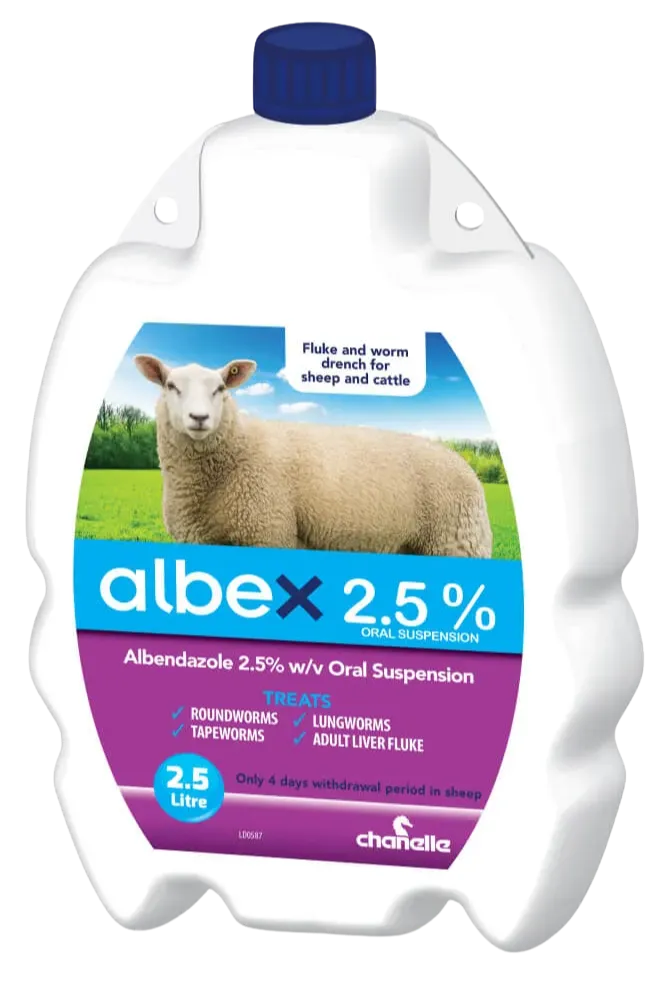
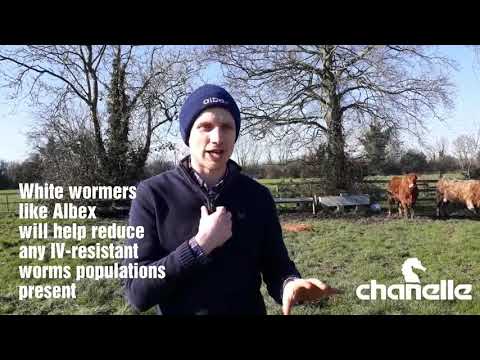
- Some wormers also kill other parasites, e.g. Albendazole also kills adult liver fluke and the clear wormers have action against external parasites like lice and mites.
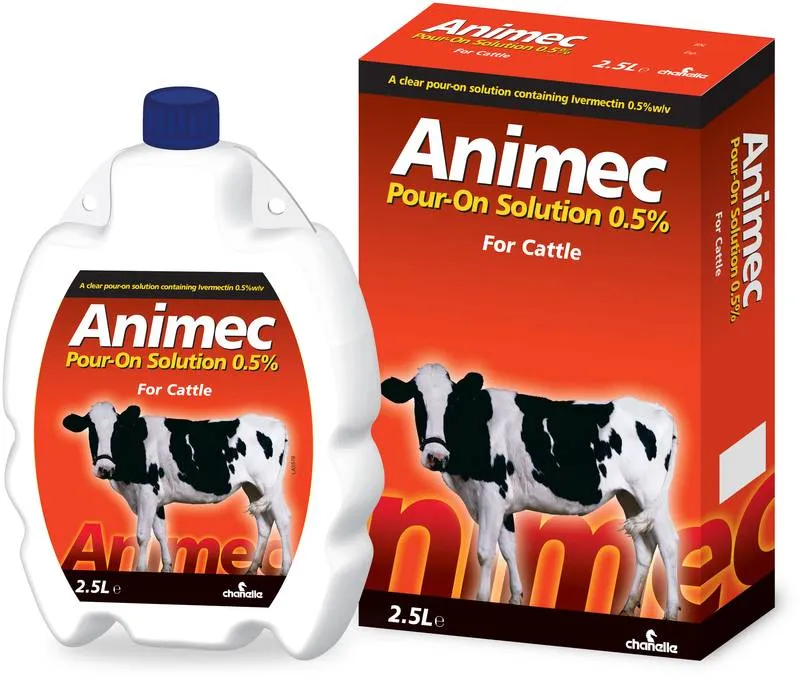
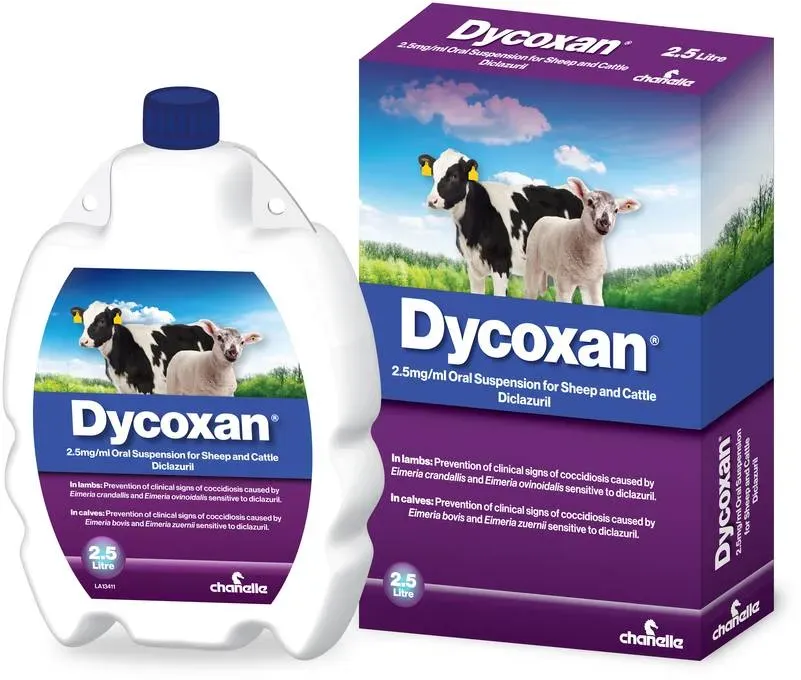
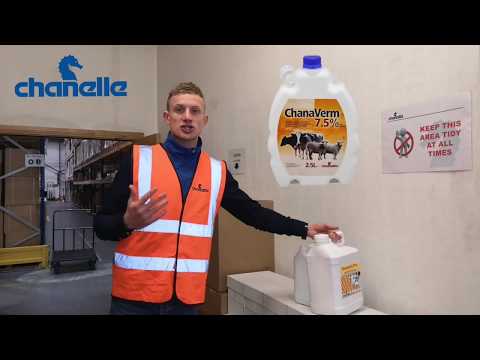
- Do not identify a wormer by the physical colour of the solution - e.g. "this drench is white so it must be a white wormer". Lots of mineral, fluke and coccidiosis drenches appear white, but will have no efficacy against worms.
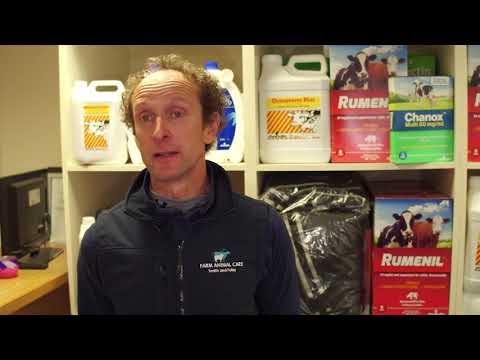
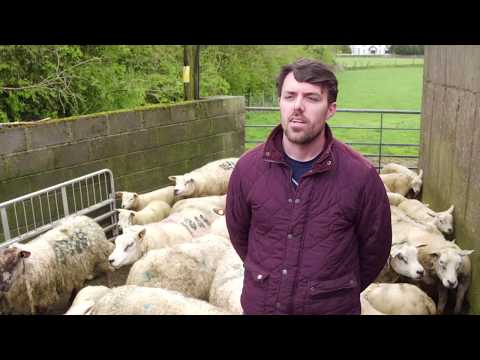
- Look for the symbols/letters (e.g. 1-BZ) shown in the video above when identifying the class your product is in.
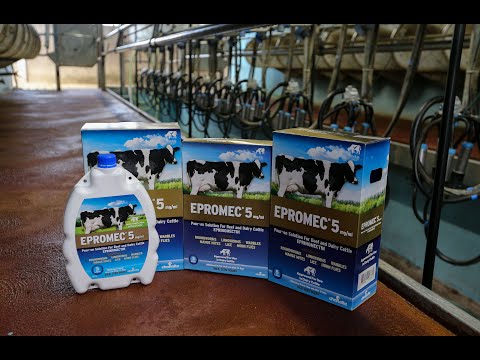
Product examples
Understanding the main wormer classes
There can be a lot of confusion around wormer classes...
"Should I use a blue wormer next?"
"Will that kill fluke too?"
Over the next couple of weeks, we'll look within each of the wormer classes in a bit more detail. Before we do that, it's important to note a couple of points on wormers.
- Every wormer belongs in a worm class - think of it as a family. Related wormers in the same class share similar modes of action and chemical structures.
- There are three wormer classes in cattle; Benzimidazoles (aka. white wormers), Levamisoles (aka. yellow wormers) and Macrocyclic Lactones (aka. clear wormers).
- In sheep, we have these three and a further two more: Amino-acetonitrile derivatives (orange wormers) and Spiroindoles (purple wormers).
- When we talk about wormers, we are referring to products that treat the main internal worms - stomach, gut and lungworm in cattle and the main gastrointestinal worms in sheep. All wormers in all classes should be effective against these. Yes, other internal worms will be killed - but for the most part, these are not of importance from production or welfare points of view.
- Some wormers also kill other parasites, e.g. Albendazole also kills adult liver fluke and the clear wormers have action against external parasites like lice and mites.
- Do not identify a wormer by the physical colour of the solution - e.g. "this drench is white so it must be a white wormer". Lots of mineral, fluke and coccidiosis drenches appear white, but will have no efficacy against worms.
- Look for the symbols/letters (e.g. 1-BZ) shown in the video above when identifying the class your product is in.



Newsletter
Stay one step ahead this farming season
Get practical animal health advice, seasonal alerts and on-farm tips straight to your inbox.
Products
Related Products













































Blog
Related Blogs

























.webp)
.webp)
.webp)
.webp)
.webp)
.webp)
.webp)
.webp)
.webp)

.webp)


.webp)



.webp)
.webp)

.jpeg)









.webp)



%2520-%2520What%2520is%2520coccidiosis_%25200-27%2520screenshot.webp)



.webp)





.webp)


CPD for SQPs & Vets
Sharpen your knowledge
Free, accredited CPD modules covering parasite control, disease management and product use.
Stay current and meet your professional requirements.

DOsing Best Practices
Get the dose right every time
Clear dosing guidance for the full Chanelle Pharma range. Accurate dosing means better outcomes for the animal and better value for the farmer.