How Much Are Your Coughing Cattle Costing You?
As winter housing approaches across Ireland and the UK, lungworm is one parasite cattle farmers need to keep on their radar.
Lungworm (Dictyocaulus viviparus), often called husk or hoose, is a major cause of respiratory disease in grazing cattle across the UK and Ireland.
Infection can lead to rapid performance losses, respiratory distress and, in severe cases, death, particularly in youngstock.
Outbreaks typically occur later in the grazing season but can be highly unpredictable. Risk increases during warm, wet conditions, when infective larvae can spread rapidly from dung onto pasture.
What could lungworm mean for beef cattle?
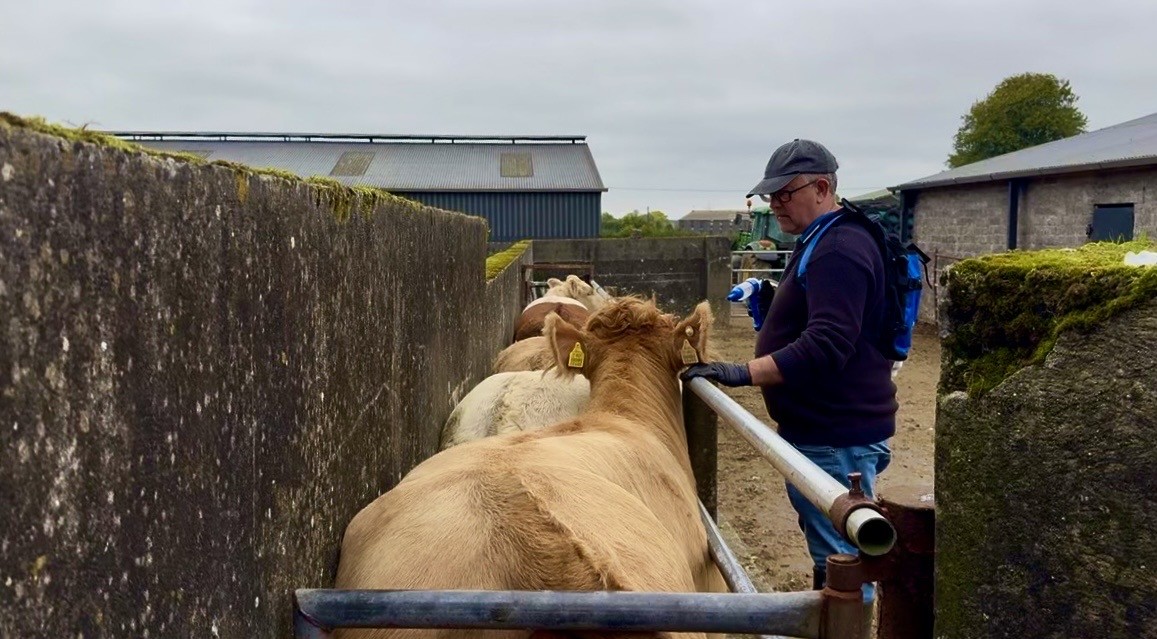
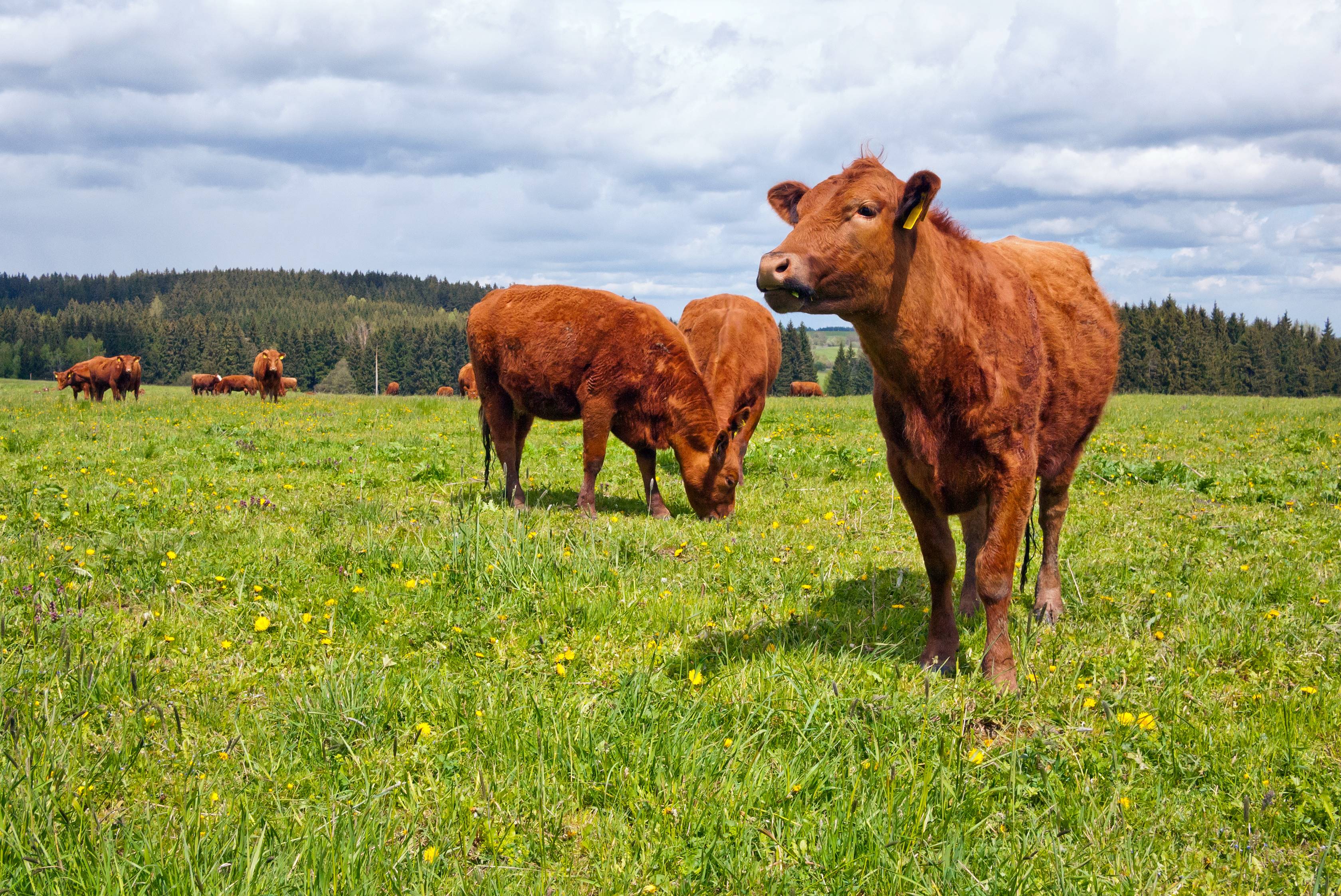
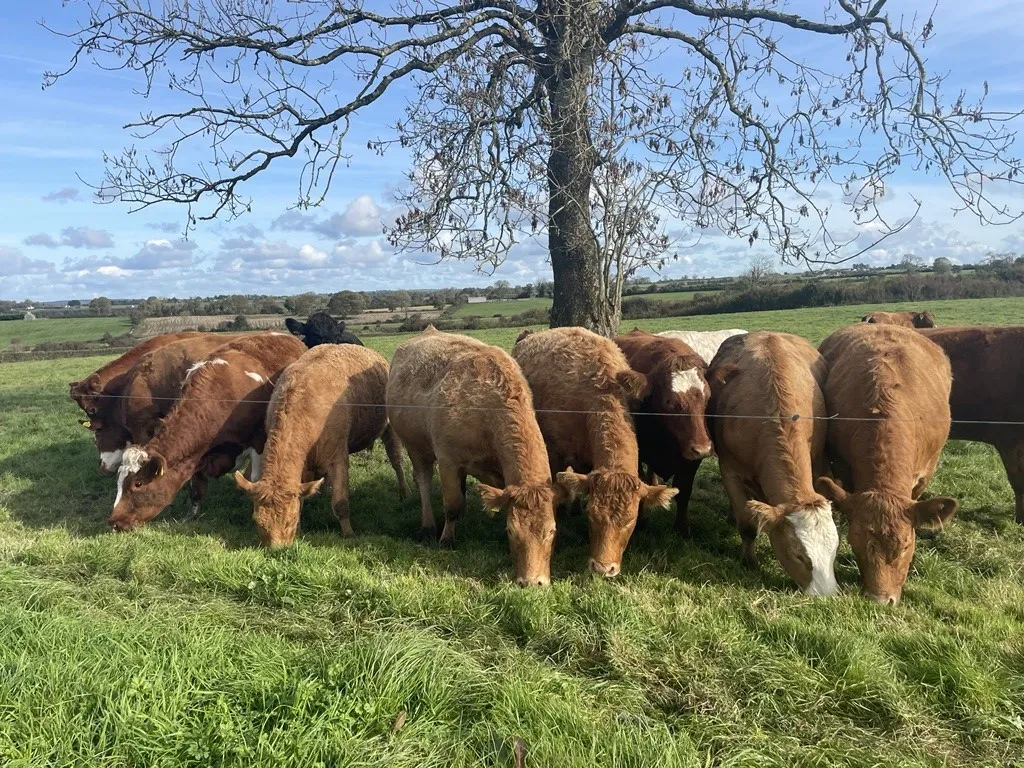
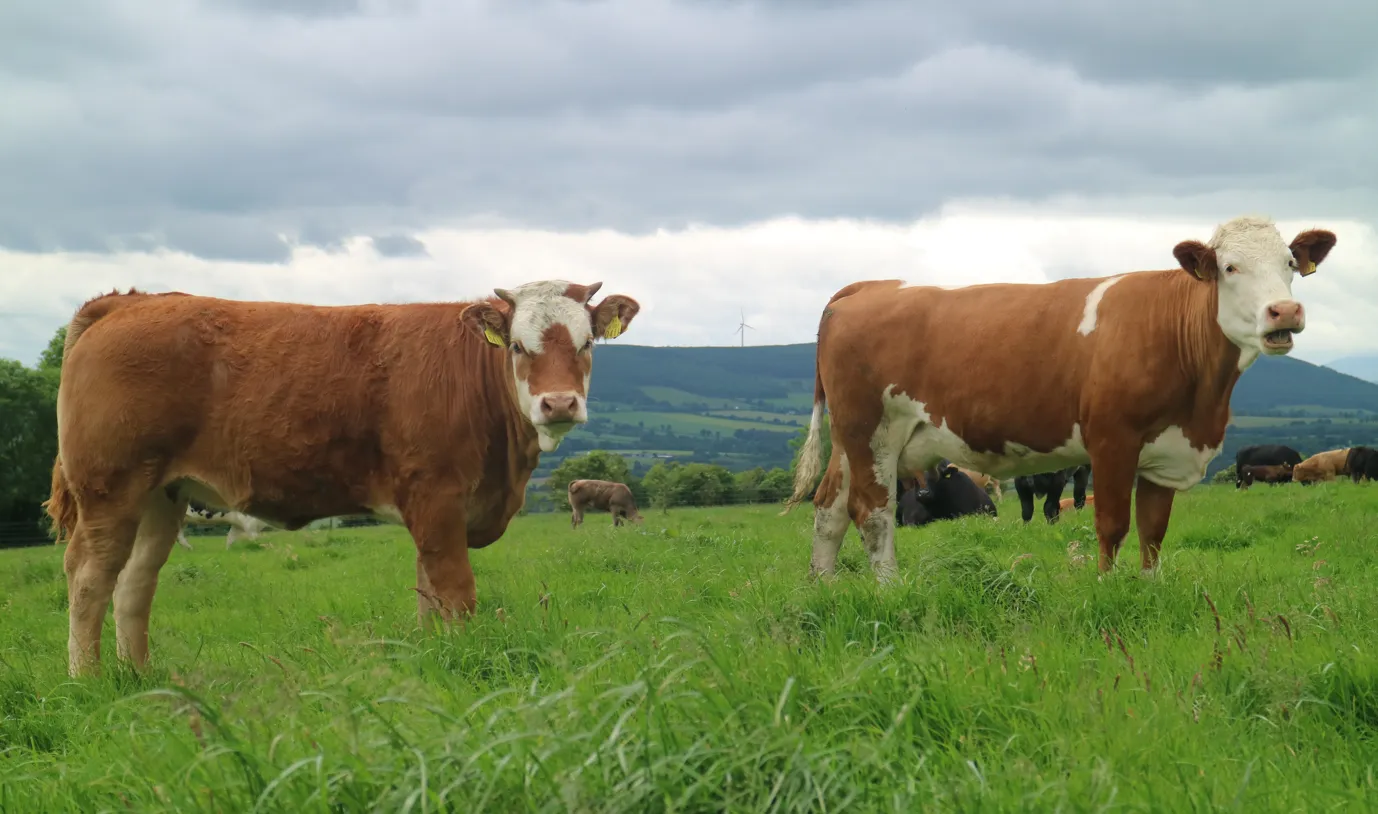
Lungworm can also be an important consideration in grazing beef and suckler cattle.
An Irish study by O'Shaughnessy et al., involving Teagasc, University College Dublin and DAFM researchers, investigated targeted selective treatment for nematode control in spring-born suckler beef cattle over their first and second grazing seasons. ¹
The study followed 99 suckler beef calves during their first grazing season, with treatment decisions based on parasite testing, including testing for lungworm larvae. ¹
During the first grazing season, there was no significant difference in daily liveweight gain between the two groups of suckler calves. ¹
During the second grazing season, a significant difference in daily liveweight gain was seen between the groups before all heifers were treated following signs of respiratory disease. ¹
The researchers concluded that the calves required minimal anthelmintic treatment to maintain performance during their first grazing season. However, they found that clinical parasitic disease may develop during the second grazing season unless appropriate treatment is provided. ¹
What about dairy cattle?
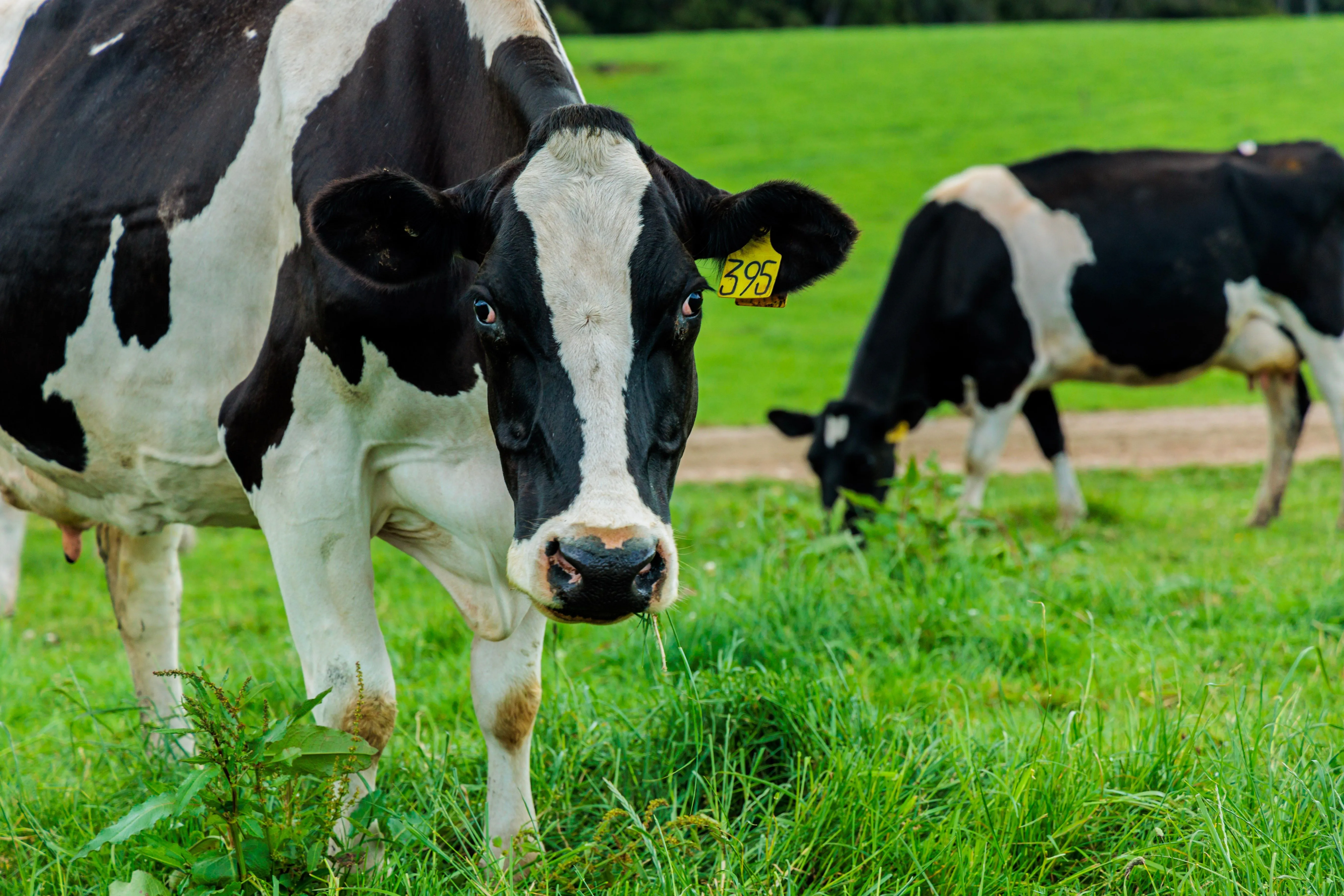
Reduced milk yield is one of the potential impacts of lungworm infection in dairy cattle.
A 2021 study² by Vanhecke et al. investigated lungworm-associated milk yield losses in grazing dairy cattle. The presence of antibodies against Lungworm was evaluated in bulk-tank milk samples from 717 and 634 farms. Samples were collected at two-week intervals during two grazing seasons in 2018 and 2019. ²
The 2021 study found that dairy herds with lungworm antibody levels above the study threshold in two consecutive bulk-tank milk samples produced, on average, 1.74kg less milk per cow per day than herds that remained below the threshold. ²
The findings suggest that repeated bulk-tank milk testing may help identify herds experiencing production losses associated with lungworm infection. ²
The researchers suggested that regular bulk-tank milk testing could help identify herds experiencing production losses associated with lungworm infection. ²
How does lungworm infection occur?
Cattle become infected by ingesting lungworm larvae while grazing contaminated pasture.
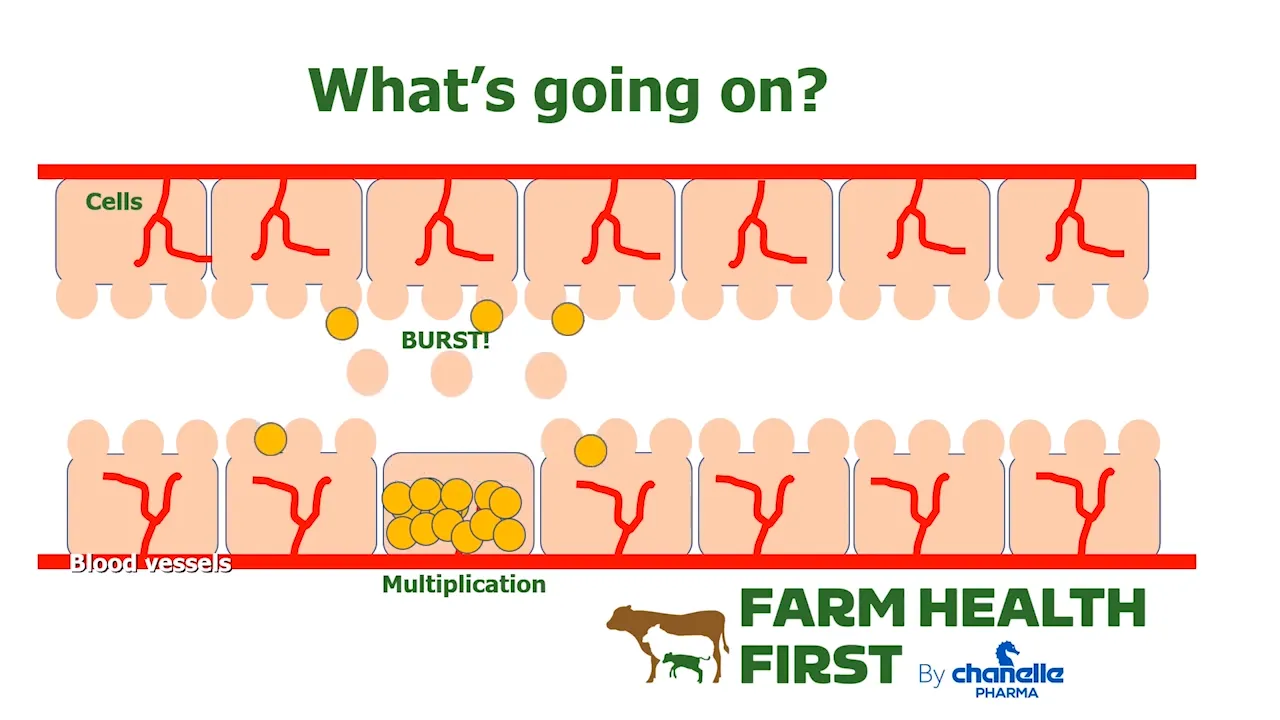
The larvae migrate from the gut to the lungs, where they mature into egg-laying adult worms. Eggs hatch into larvae, which are coughed up, swallowed and passed out in the dung.
The larvae continue developing within dung pats before moving onto surrounding pasture.
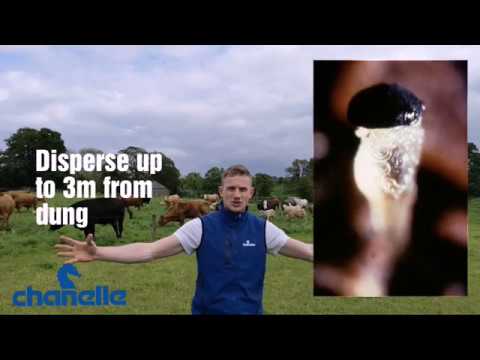
A fungus called Pilobolus, which grows on dung pats, helps spread infective larvae. Larvae attach themselves to fungal spores that are then spread by wind dispersal.
The complete lifecycle takes approximately three to four weeks, and grazing a heavily contaminated pasture for even a single day can be enough to cause disease.
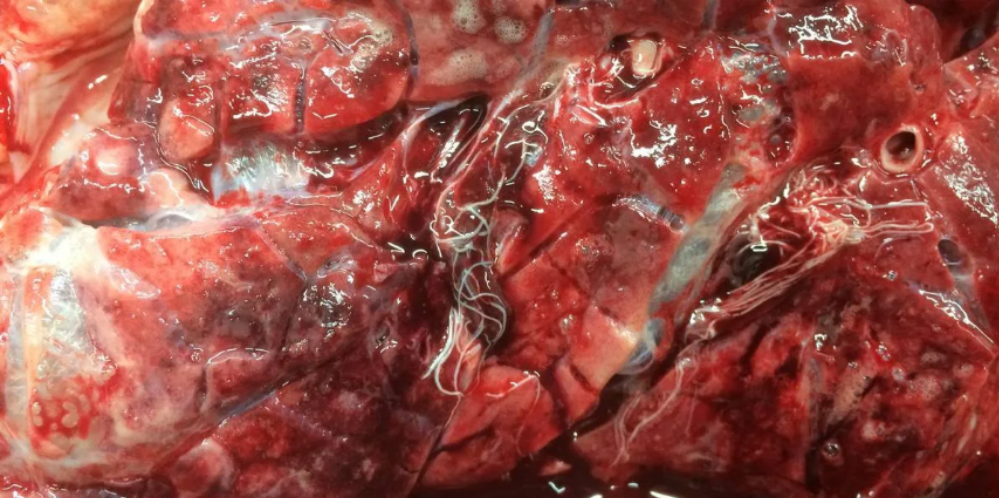
Know the signs of lungworm
Lungworm infection causes inflammation of the airways and damage to lung tissue, leading to reduced performance and increasing the risk of secondary bacterial pneumonia.
Signs can include:
- Occasional or persistent coughing
- Increased coughing after gathering or moving cattle
- Increased respiratory rate
- Poor performance
- Reduced milk yield in dairy herds
- Rapid loss of body condition
In acute cases, cattle may develop a deep, rattling cough and severe respiratory distress, including open-mouth breathing with the neck extended. Animals may also collapse when moved.
If left untreated, both acute and moderate disease can result in death.
Monitoring cattle as housing approaches
Early detection is essential.
Monitor cattle carefully for the first signs of coughing, particularly during the second half of the grazing season or after moving cattle onto fresh pasture.
Standard faecal egg counts are not useful for lungworm. Dung samples can instead be tested for lungworm larvae using the Baermann test.
Bulk milk ELISA testing can also help monitor lungworm exposure in dairy herds, although it is not useful during outbreaks because antibodies remain elevated for several months following infection.
Treatment and control
In the event of an outbreak, rapid treatment at the first signs of disease is essential.
Group 1, Group 2 and Group 3 wormers are all effective against lungworm. Discuss with your vet which product is most appropriate depending on the severity of disease.
COWS and Animal Health Ireland recommend a sustainable, evidence-based approach to parasite control.
Key principles include avoiding excessive use of wormers, as this can reduce the development of natural immunity. Routine blanket worming should be avoided, with decisions instead based on risk assessment and clinical need.
Where lungworm has previously occurred, identify high-risk pastures and turn first-season grazing calves onto clean pasture where possible.
Vaccination can also be considered as part of an integrated parasite-control programme.
Plan ahead for winter housing
As cattle move through the latter part of the grazing season and winter housing approaches, watch closely for coughing and remain aware of the lungworm risk periods on your farm.
Where signs of lungworm occur, prompt investigation and treatment are important.
Work with your vet, SQP or RAMA to develop an appropriate parasite-control plan for your herd.
Additional reading
For more information on Lungworm in cattle, view Animal Health Ireland's parasite control leaflet by clicking here.
For more information on the COWS (control of worms sustainably) guidelines, click here.
References
- O’Shaughnessy, J., Earley, B., Mee, J.F., Doherty, M.L., Crosson, P., Barrett, D. & de Waal, T. (2015). Nematode control in suckler beef cattle over their first two grazing seasons using a targeted selective treatment approach. Irish Veterinary Journal, 68, 13. https://doi.org/10.1186/s13620-015-0038-1
- Vanhecke, M., Charlier, J., Strube, C. & Claerebout, E. (2021). Risk factors for lungworm-associated milk yield losses in grazing dairy cattle. Veterinary Parasitology, 292, 109414. https://doi.org/10.1016/j.vetpar.2021.109414
As winter housing approaches across Ireland and the UK, lungworm is one parasite cattle farmers need to keep on their radar.
Lungworm (Dictyocaulus viviparus), often called husk or hoose, is a major cause of respiratory disease in grazing cattle across the UK and Ireland.
Infection can lead to rapid performance losses, respiratory distress and, in severe cases, death, particularly in youngstock.
Outbreaks typically occur later in the grazing season but can be highly unpredictable. Risk increases during warm, wet conditions, when infective larvae can spread rapidly from dung onto pasture.
What could lungworm mean for beef cattle?
Lungworm can also be an important consideration in grazing beef and suckler cattle.
An Irish study by O'Shaughnessy et al., involving Teagasc, University College Dublin and DAFM researchers, investigated targeted selective treatment for nematode control in spring-born suckler beef cattle over their first and second grazing seasons. ¹
The study followed 99 suckler beef calves during their first grazing season, with treatment decisions based on parasite testing, including testing for lungworm larvae. ¹
During the first grazing season, there was no significant difference in daily liveweight gain between the two groups of suckler calves. ¹
During the second grazing season, a significant difference in daily liveweight gain was seen between the groups before all heifers were treated following signs of respiratory disease. ¹
The researchers concluded that the calves required minimal anthelmintic treatment to maintain performance during their first grazing season. However, they found that clinical parasitic disease may develop during the second grazing season unless appropriate treatment is provided. ¹
What about dairy cattle?
Reduced milk yield is one of the potential impacts of lungworm infection in dairy cattle.
A 2021 study² by Vanhecke et al. investigated lungworm-associated milk yield losses in grazing dairy cattle. The presence of antibodies against Lungworm was evaluated in bulk-tank milk samples from 717 and 634 farms. Samples were collected at two-week intervals during two grazing seasons in 2018 and 2019. ²
The 2021 study found that dairy herds with lungworm antibody levels above the study threshold in two consecutive bulk-tank milk samples produced, on average, 1.74kg less milk per cow per day than herds that remained below the threshold. ²
The findings suggest that repeated bulk-tank milk testing may help identify herds experiencing production losses associated with lungworm infection. ²
The researchers suggested that regular bulk-tank milk testing could help identify herds experiencing production losses associated with lungworm infection. ²
How does lungworm infection occur?
Cattle become infected by ingesting lungworm larvae while grazing contaminated pasture.
The larvae migrate from the gut to the lungs, where they mature into egg-laying adult worms. Eggs hatch into larvae, which are coughed up, swallowed and passed out in the dung.
The larvae continue developing within dung pats before moving onto surrounding pasture.
A fungus called Pilobolus, which grows on dung pats, helps spread infective larvae. Larvae attach themselves to fungal spores that are then spread by wind dispersal.
The complete lifecycle takes approximately three to four weeks, and grazing a heavily contaminated pasture for even a single day can be enough to cause disease.
Know the signs of lungworm
Lungworm infection causes inflammation of the airways and damage to lung tissue, leading to reduced performance and increasing the risk of secondary bacterial pneumonia.
Signs can include:
- Occasional or persistent coughing
- Increased coughing after gathering or moving cattle
- Increased respiratory rate
- Poor performance
- Reduced milk yield in dairy herds
- Rapid loss of body condition
In acute cases, cattle may develop a deep, rattling cough and severe respiratory distress, including open-mouth breathing with the neck extended. Animals may also collapse when moved.
If left untreated, both acute and moderate disease can result in death.
Monitoring cattle as housing approaches
Early detection is essential.
Monitor cattle carefully for the first signs of coughing, particularly during the second half of the grazing season or after moving cattle onto fresh pasture.
Standard faecal egg counts are not useful for lungworm. Dung samples can instead be tested for lungworm larvae using the Baermann test.
Bulk milk ELISA testing can also help monitor lungworm exposure in dairy herds, although it is not useful during outbreaks because antibodies remain elevated for several months following infection.
Treatment and control
In the event of an outbreak, rapid treatment at the first signs of disease is essential.
Group 1, Group 2 and Group 3 wormers are all effective against lungworm. Discuss with your vet which product is most appropriate depending on the severity of disease.
COWS and Animal Health Ireland recommend a sustainable, evidence-based approach to parasite control.
Key principles include avoiding excessive use of wormers, as this can reduce the development of natural immunity. Routine blanket worming should be avoided, with decisions instead based on risk assessment and clinical need.
Where lungworm has previously occurred, identify high-risk pastures and turn first-season grazing calves onto clean pasture where possible.
Vaccination can also be considered as part of an integrated parasite-control programme.
Plan ahead for winter housing
As cattle move through the latter part of the grazing season and winter housing approaches, watch closely for coughing and remain aware of the lungworm risk periods on your farm.
Where signs of lungworm occur, prompt investigation and treatment are important.
Work with your vet, SQP or RAMA to develop an appropriate parasite-control plan for your herd.
Additional reading
For more information on Lungworm in cattle, view Animal Health Ireland's parasite control leaflet by clicking here.
For more information on the COWS (control of worms sustainably) guidelines, click here.
References
- O’Shaughnessy, J., Earley, B., Mee, J.F., Doherty, M.L., Crosson, P., Barrett, D. & de Waal, T. (2015). Nematode control in suckler beef cattle over their first two grazing seasons using a targeted selective treatment approach. Irish Veterinary Journal, 68, 13. https://doi.org/10.1186/s13620-015-0038-1
- Vanhecke, M., Charlier, J., Strube, C. & Claerebout, E. (2021). Risk factors for lungworm-associated milk yield losses in grazing dairy cattle. Veterinary Parasitology, 292, 109414. https://doi.org/10.1016/j.vetpar.2021.109414



Newsletter
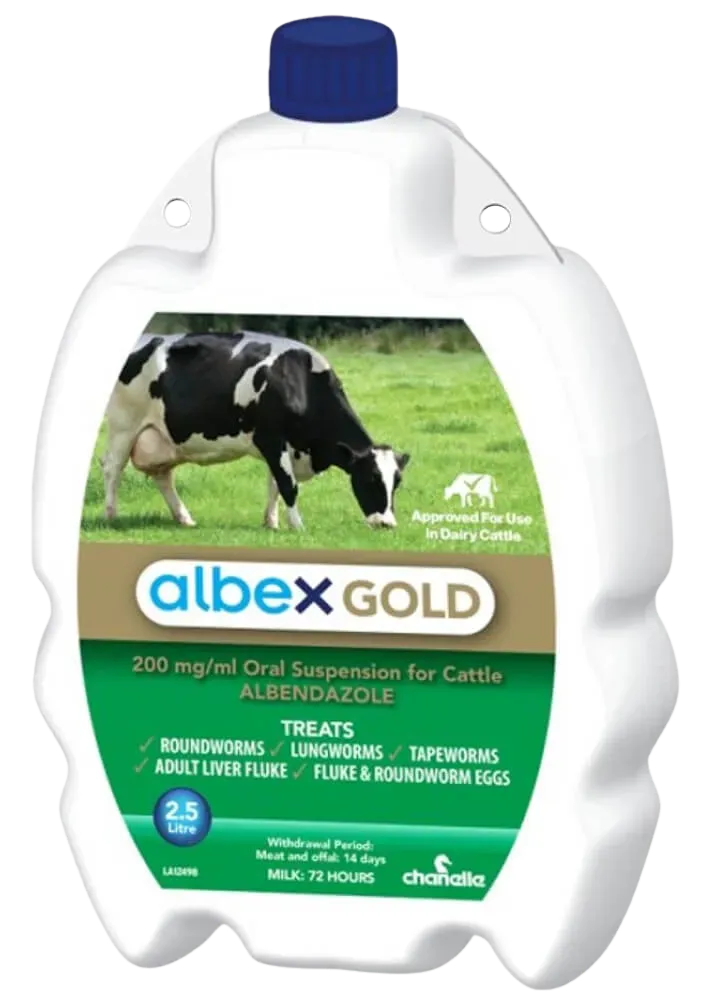
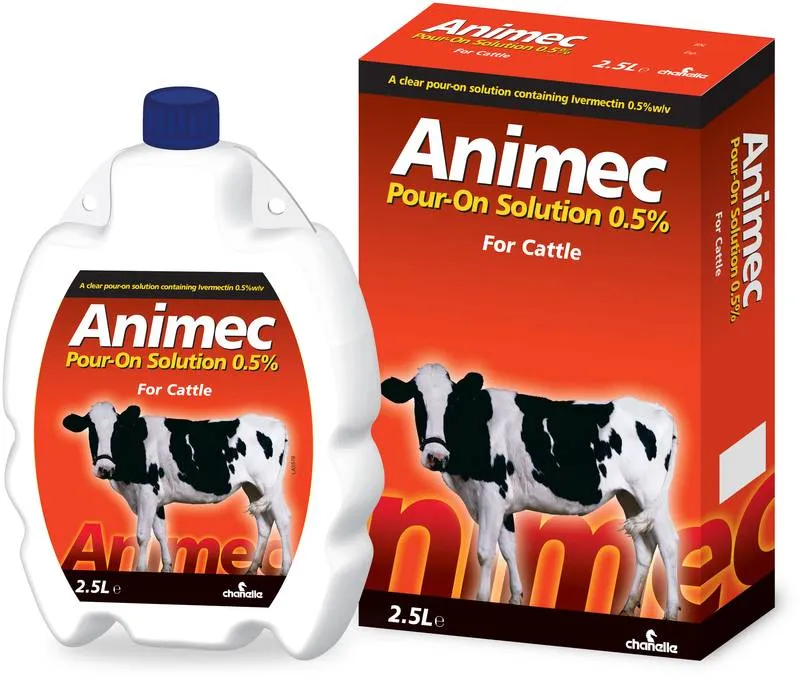
Products





Videos
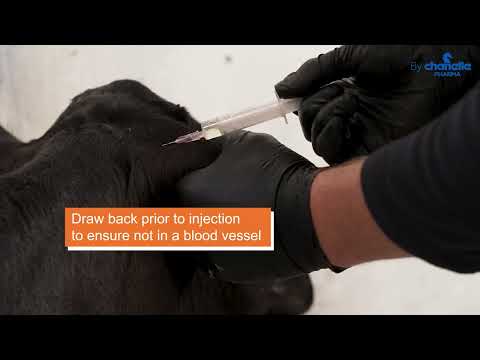
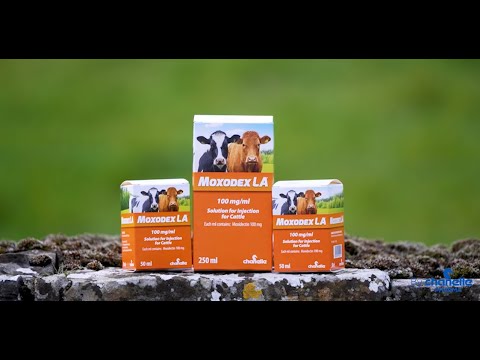

















Blog











.webp)
.webp)
.webp)
.webp)
.webp)
.webp)
.webp)
.webp)
.webp)

.webp)

.webp)



.webp)
.webp)


.jpeg)










.webp)


%2520-%2520What%2520is%2520coccidiosis_%25200-27%2520screenshot.webp)



.webp)





.webp)





CPD for SQPs & Vets
Sharpen your knowledge

DOsing Best Practices
Get the dose right every time