Acute and subacute liver fluke in sheep: Protecting your flock’s health this autumn

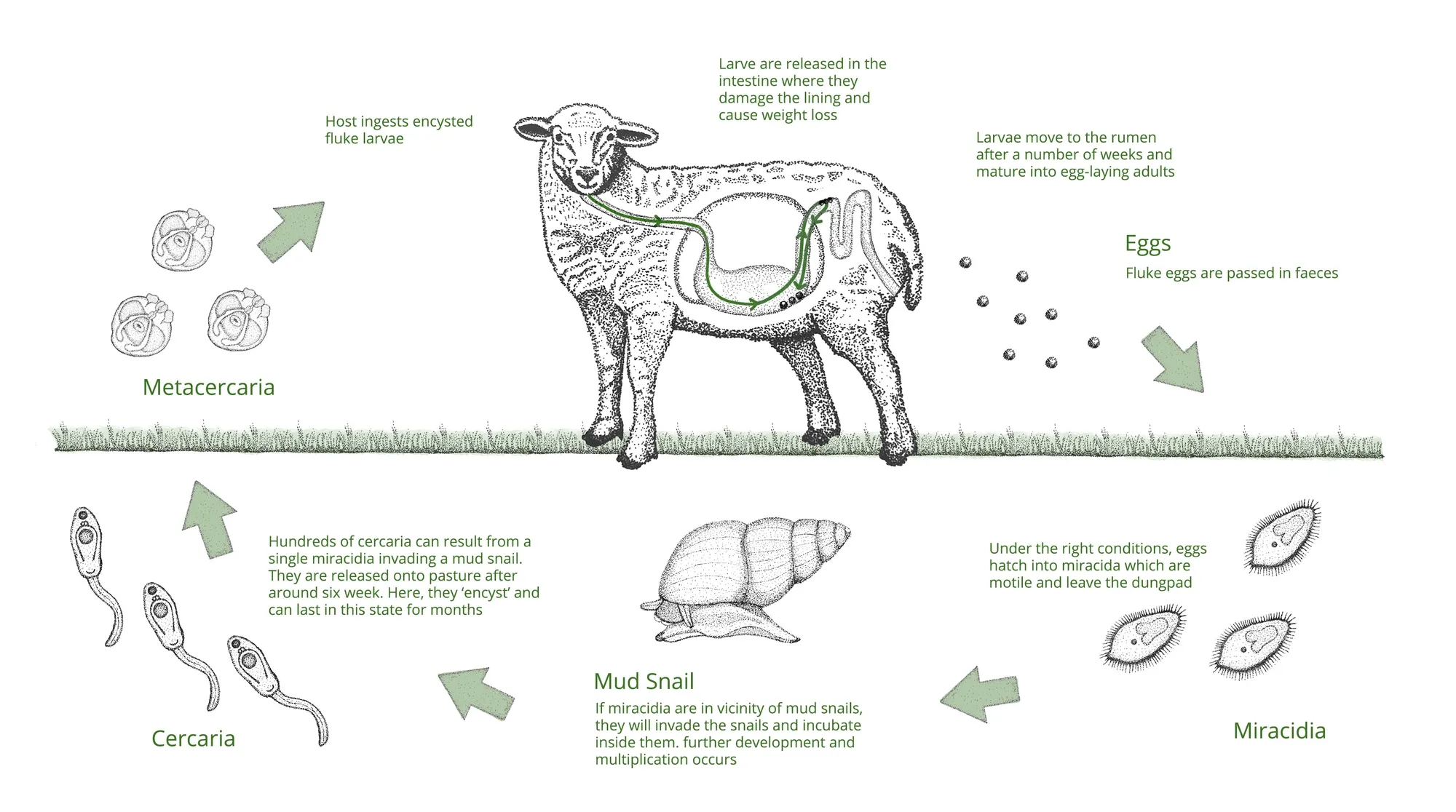
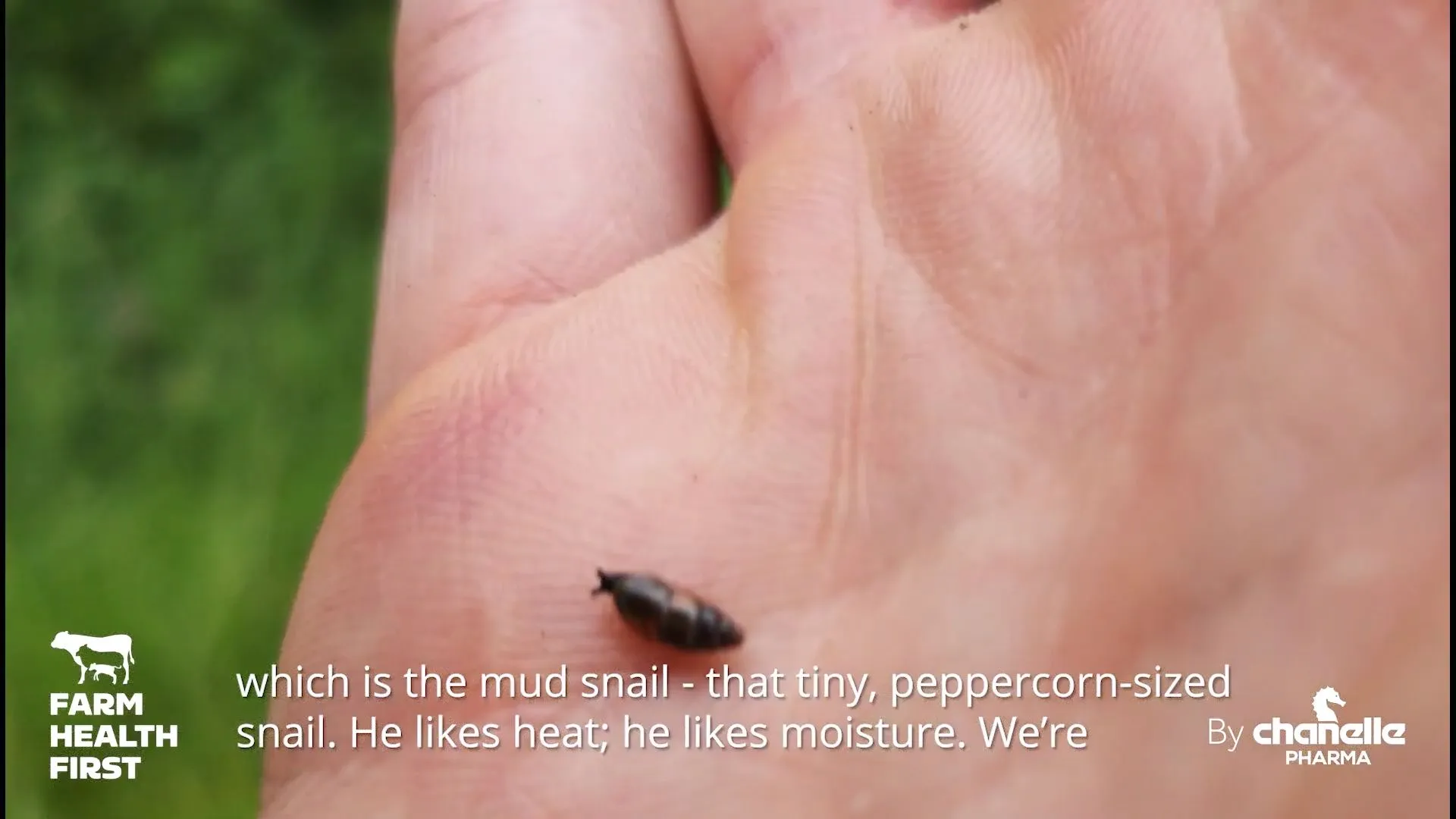
As October gets underway, management priorities on sheep farms are shifting rapidly. After a warm late summer, the weather has broken sharply into a wet, unsettled autumn, creating the perfect storm for parasite life cycles. Warm, saturated ground is exactly what the mud snail that carries liver fluke needs. If fluke is an issue on your holding, this wet October weather means you cannot rely on early-season guesswork.
By knowing what to look for, testing before you treat and following SCOPS (Sustainable Control of Parasites in Sheep) guidance, you can protect your flock, help slow resistance and avoid losses.
Is acute fluke still a risk in October?
Yes. Acute fluke is usually seen from August to October, and subacute fluke follows from October onwards. SCOPS notes that these seasonal patterns have been shifting in recent years, so a wet autumn can extend the risk.
What are the signs of acute and subacute fluke in sheep?
- Acute fluke: sudden death is often the first sign. Others in the group may be dull, off their grazing, weak, uncomfortable in the belly or have pale gums.
- Subacute fluke: sheep losing condition rapidly over a few weeks, often with poor fleece quality, pale gums, weakness and swelling under the jaw (bottle-jaw).
Any unexplained death should be post mortem’ed, and any ewe going downhill rapidly needs a visit from your vet.

Why won’t a faecal fluke egg count pick up acute fluke?
Fluke only start laying eggs once they are adults, usually 10 to 12 weeks after infection. In acute and subacute cases, the damage is done by younger fluke, so a negative faecal fluke egg count cannot rule it out.
- Post-mortem: can confirm liver damage and immature fluke in sheep that have died.
- Blood tests: can show exposure from around two weeks after infection. Results should be interpreted along with farm, grazing and treatment history as you can get a positive result from previous exposure to fluke.
- Dung samples and coproantigen tests: more useful later in the season, and for checking whether a treatment has worked. A coproantigen test will usually pick up infections 2 to 3 weeks before a faecal fluke egg test.
Blanket treating out of habit costs money and accelerates parasite resistance. Instead, let diagnostic evidence guide your hand.
Does one autumn fluke dose cover the whole season?
No. A fluke treatment does not provide ongoing protection against reinfection, so don’t fall into the trap of thinking an early autumn drench has solved the problem. With sheep continuing to graze damp pasture through these recent wet spells, they face an ongoing risk of picking up fresh waves of infection.
- The stage matters: Flukicides target different parasite stages. Your product choice must match when your sheep were exposed to wet grazing conditions. Only triclabendazole kills the very youngest fluke, from 2 days old in sheep, where fluke are susceptible. Resistance has been found in the UK, so it needs protecting.
- Move them off the wet ground: After treating, move sheep onto drier, lower-risk grazing where you can. Repeating treatment every few weeks isn’t sustainable.
When should a combination wormer and flukicide be used?
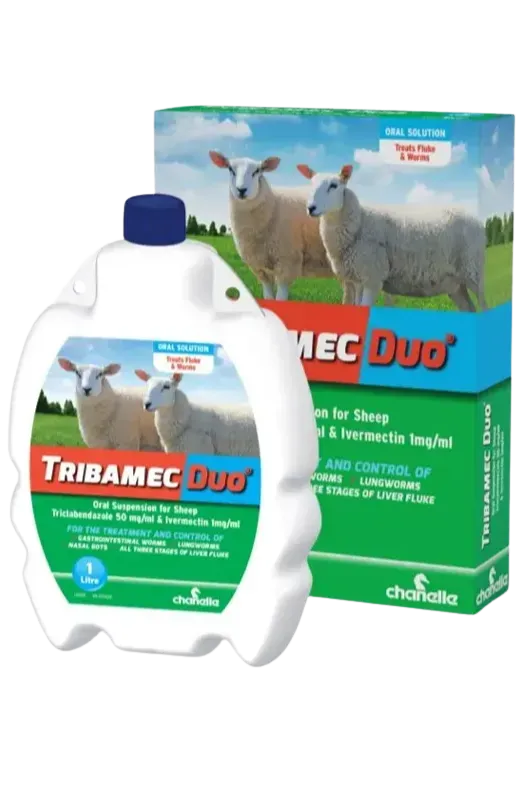
Only when both are a problem at the same time. SCOPS advises using combination products only when worms and fluke both need to be treating. If faecal egg counts (FECs) confirm a significant gut worm burden alongside a fluke challenge, a combination product might fit. If worms are not a major threat, a narrow-spectrum flukicide should be used instead.
How should bought-in sheep be quarantined for fluke?
Are you buying in breeding ewes, store lambs, or replacement rams this autumn? If so, protect your home pastures by quarantining for worms and fluke.
- Treat immediately: Drench arrivals according to a plan agreed with your vet. You may need to use more than one wormer group to clear out highly resistant gut worms.
- Target the fluke risk: Because arrivals may carry triclabendazole-resistant fluke, treat with an alternative active ingredient against immature fluke (depending on exposure timing). Then keep the sheep on ground with no fluke habitat for at least four weeks, as they can pass fluke eggs in faeces for up to three weeks after treatment.1 Some alternative flukicides leave the youngest fluke alive, so follow-up treatment or testing may be needed.
- Hold and yard: Keep incoming stock off pasture, ideally in a yard, for 24 to 48 hours to allow any remaining resistant worm eggs to pass out of their systems.
- Turn out to dirty pastures: Release new arrivals onto already grazed pastures (but not your wettest fields) rather than clean leys to dilute any surviving resistant worms with your farm’s existing worm population.
Your October flock action plan
Before the weather deteriorates further, run through this checklist:
- Review grazing risk: identify wet areas and check where sheep have grazed.
- Review past treatments: What did you use in late summer or September?
- Watch the flock: Post-mortem any sudden death and check any ewes rapidly losing condition.
- Assess parasite load: Use FECs to see whether a combination or a single flukicide fits, and discuss suitable fluke tests.
- Isolate new stock: Implement a strict quarantine protocol for autumn purchases, covering worms and fluke.
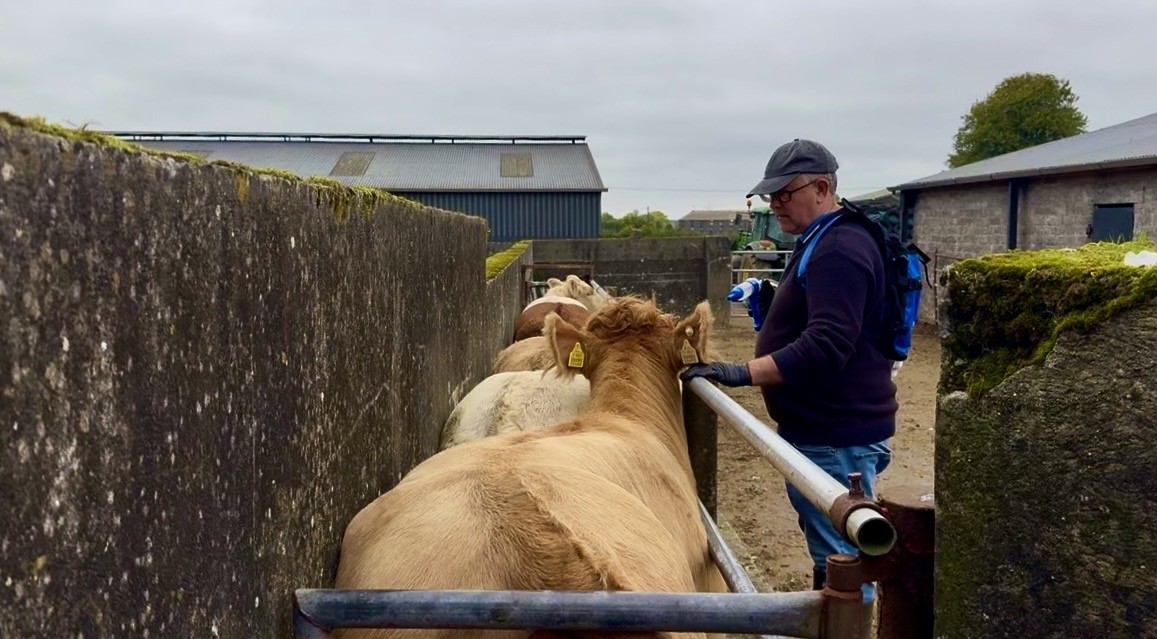
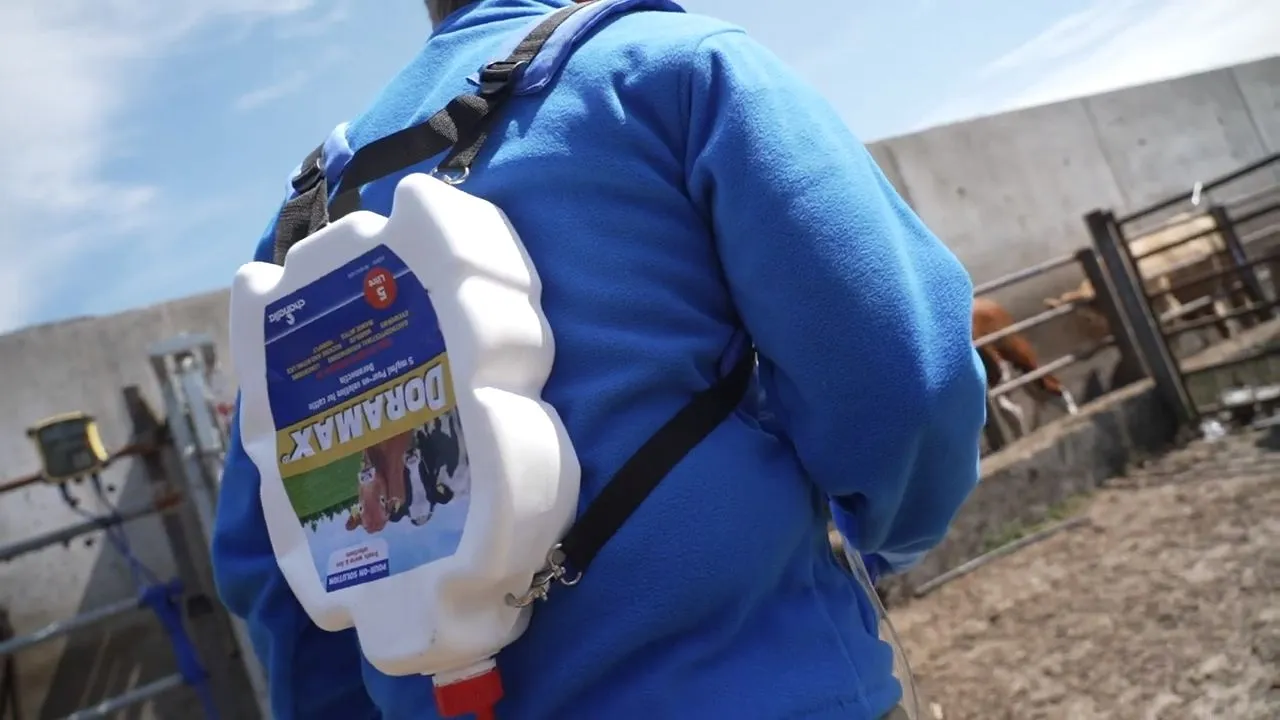
- Check dosing accuracy: weigh sheep, check equipment and follow the product label.
A proactive autumn plan can help protect flock health and avoid unnecessary treatment. Review grazing risk, previous treatments and testing options with your vet, SQP or RAMA, and act promptly if sheep show signs of disease.
For more information, visit our liver fluke in sheep disease page.
References
1. SCOPS. Fluke quarantine. https://www.scops.org.uk/internal-parasites/liver-fluke/fluke-quarantine/
As October gets underway, management priorities on sheep farms are shifting rapidly. After a warm late summer, the weather has broken sharply into a wet, unsettled autumn, creating the perfect storm for parasite life cycles. Warm, saturated ground is exactly what the mud snail that carries liver fluke needs. If fluke is an issue on your holding, this wet October weather means you cannot rely on early-season guesswork.
By knowing what to look for, testing before you treat and following SCOPS (Sustainable Control of Parasites in Sheep) guidance, you can protect your flock, help slow resistance and avoid losses.
Is acute fluke still a risk in October?
Yes. Acute fluke is usually seen from August to October, and subacute fluke follows from October onwards. SCOPS notes that these seasonal patterns have been shifting in recent years, so a wet autumn can extend the risk.
What are the signs of acute and subacute fluke in sheep?
- Acute fluke: sudden death is often the first sign. Others in the group may be dull, off their grazing, weak, uncomfortable in the belly or have pale gums.
- Subacute fluke: sheep losing condition rapidly over a few weeks, often with poor fleece quality, pale gums, weakness and swelling under the jaw (bottle-jaw).
Any unexplained death should be post mortem’ed, and any ewe going downhill rapidly needs a visit from your vet.
Why won’t a faecal fluke egg count pick up acute fluke?
Fluke only start laying eggs once they are adults, usually 10 to 12 weeks after infection. In acute and subacute cases, the damage is done by younger fluke, so a negative faecal fluke egg count cannot rule it out.
- Post-mortem: can confirm liver damage and immature fluke in sheep that have died.
- Blood tests: can show exposure from around two weeks after infection. Results should be interpreted along with farm, grazing and treatment history as you can get a positive result from previous exposure to fluke.
- Dung samples and coproantigen tests: more useful later in the season, and for checking whether a treatment has worked. A coproantigen test will usually pick up infections 2 to 3 weeks before a faecal fluke egg test.
Blanket treating out of habit costs money and accelerates parasite resistance. Instead, let diagnostic evidence guide your hand.
Does one autumn fluke dose cover the whole season?
No. A fluke treatment does not provide ongoing protection against reinfection, so don’t fall into the trap of thinking an early autumn drench has solved the problem. With sheep continuing to graze damp pasture through these recent wet spells, they face an ongoing risk of picking up fresh waves of infection.
- The stage matters: Flukicides target different parasite stages. Your product choice must match when your sheep were exposed to wet grazing conditions. Only triclabendazole kills the very youngest fluke, from 2 days old in sheep, where fluke are susceptible. Resistance has been found in the UK, so it needs protecting.
- Move them off the wet ground: After treating, move sheep onto drier, lower-risk grazing where you can. Repeating treatment every few weeks isn’t sustainable.
When should a combination wormer and flukicide be used?
Only when both are a problem at the same time. SCOPS advises using combination products only when worms and fluke both need to be treating. If faecal egg counts (FECs) confirm a significant gut worm burden alongside a fluke challenge, a combination product might fit. If worms are not a major threat, a narrow-spectrum flukicide should be used instead.
How should bought-in sheep be quarantined for fluke?
Are you buying in breeding ewes, store lambs, or replacement rams this autumn? If so, protect your home pastures by quarantining for worms and fluke.
- Treat immediately: Drench arrivals according to a plan agreed with your vet. You may need to use more than one wormer group to clear out highly resistant gut worms.
- Target the fluke risk: Because arrivals may carry triclabendazole-resistant fluke, treat with an alternative active ingredient against immature fluke (depending on exposure timing). Then keep the sheep on ground with no fluke habitat for at least four weeks, as they can pass fluke eggs in faeces for up to three weeks after treatment.1 Some alternative flukicides leave the youngest fluke alive, so follow-up treatment or testing may be needed.
- Hold and yard: Keep incoming stock off pasture, ideally in a yard, for 24 to 48 hours to allow any remaining resistant worm eggs to pass out of their systems.
- Turn out to dirty pastures: Release new arrivals onto already grazed pastures (but not your wettest fields) rather than clean leys to dilute any surviving resistant worms with your farm’s existing worm population.
Your October flock action plan
Before the weather deteriorates further, run through this checklist:
- Review grazing risk: identify wet areas and check where sheep have grazed.
- Review past treatments: What did you use in late summer or September?
- Watch the flock: Post-mortem any sudden death and check any ewes rapidly losing condition.
- Assess parasite load: Use FECs to see whether a combination or a single flukicide fits, and discuss suitable fluke tests.
- Isolate new stock: Implement a strict quarantine protocol for autumn purchases, covering worms and fluke.
- Check dosing accuracy: weigh sheep, check equipment and follow the product label.
A proactive autumn plan can help protect flock health and avoid unnecessary treatment. Review grazing risk, previous treatments and testing options with your vet, SQP or RAMA, and act promptly if sheep show signs of disease.
For more information, visit our liver fluke in sheep disease page.
References
1. SCOPS. Fluke quarantine. https://www.scops.org.uk/internal-parasites/liver-fluke/fluke-quarantine/



Newsletter
Products
Videos

Blog















































































CPD for SQPs & Vets
Sharpen your knowledge

DOsing Best Practices
Get the dose right every time