What is Making my Cattle Dirty: Calves?
Investigating diarrhoea in calves
We looked at the symptom in older animals some weeks back. Now we're investigating 'dirty' back-ends in calves.
Is it worms?
While the principles of dietary change still hold for calves as they do in cows, it is more likely to be a gastrointestinal worm infection in calves.
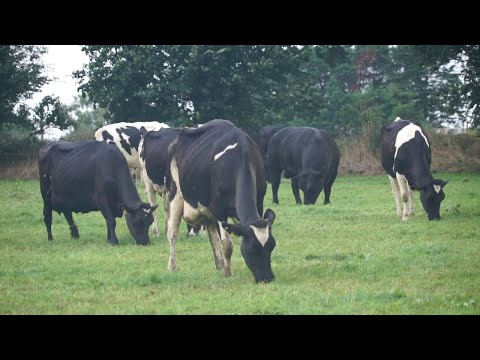
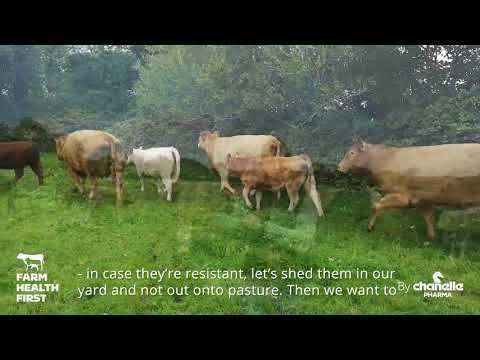
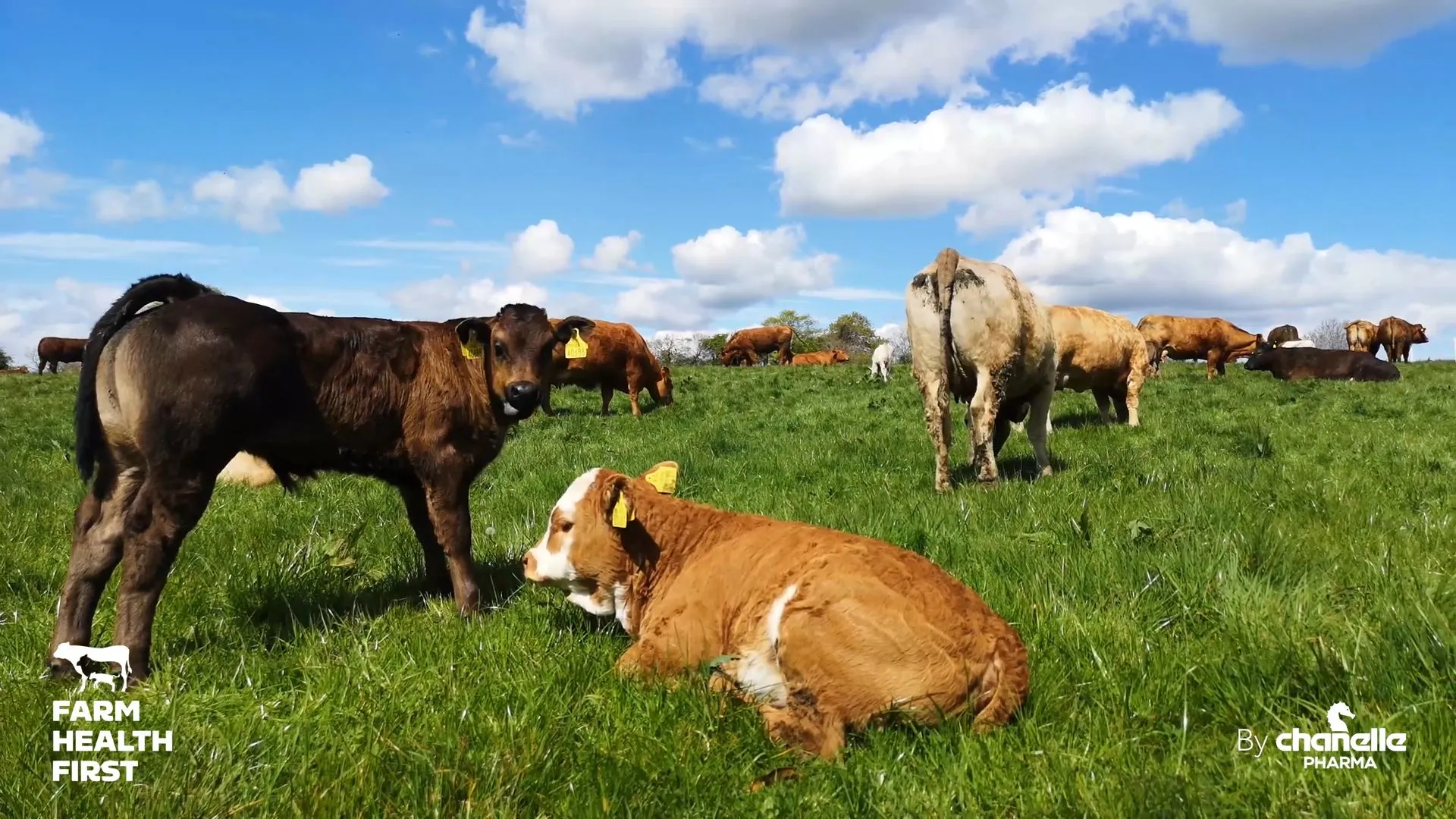
Spring-born calves will be developing more and more as grazers with each passing day. While calves visually graze from a young age, they tend to pick at the leafiest material towards the top of the sward initially. Worm larve will tend to be distributed closer to the base of the plant.
Now, spring calves will be grazing right down the plant and ingesting any worm larve present while doing so. These larvae will cause symptoms from a fortnight later.
Immunity plays a key role in a calves' worm risk, both directly and indirectly.
It takes two full grazing seasons for immuntiy against worms to develop. Even then, it can come under pressure and fluctuate. The fact that spring calves might be weaned, or grazing away from their mothers also adds to the risk.
Suckler cows act as giant hoovers - each mouthful of worm larvae they consume while grazing is a mouthful less for their calves to ingest.
The cow's own immunity will kill these larvae before they have a chance to develop. So taking cows out of the equation can increase calves' risk, but it is pasture-dependent.
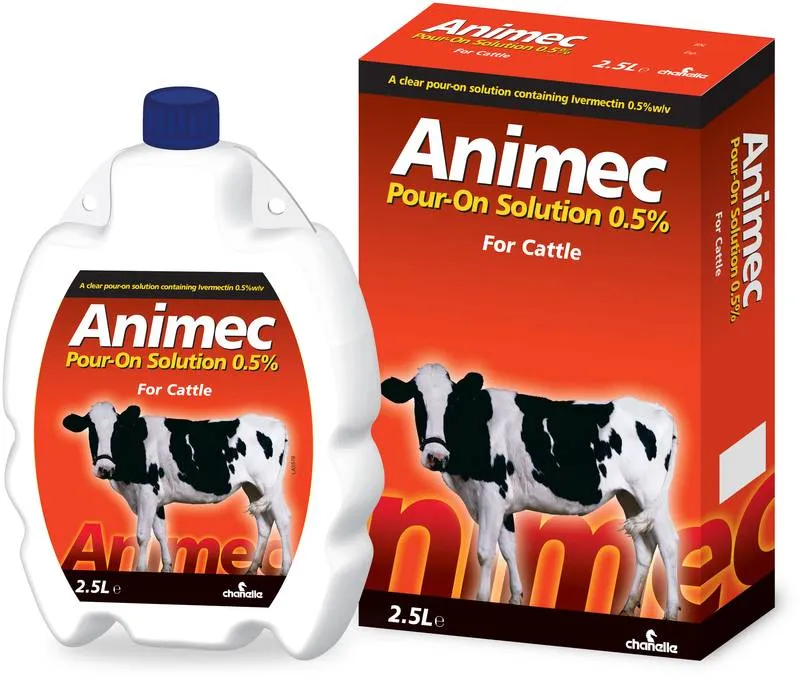
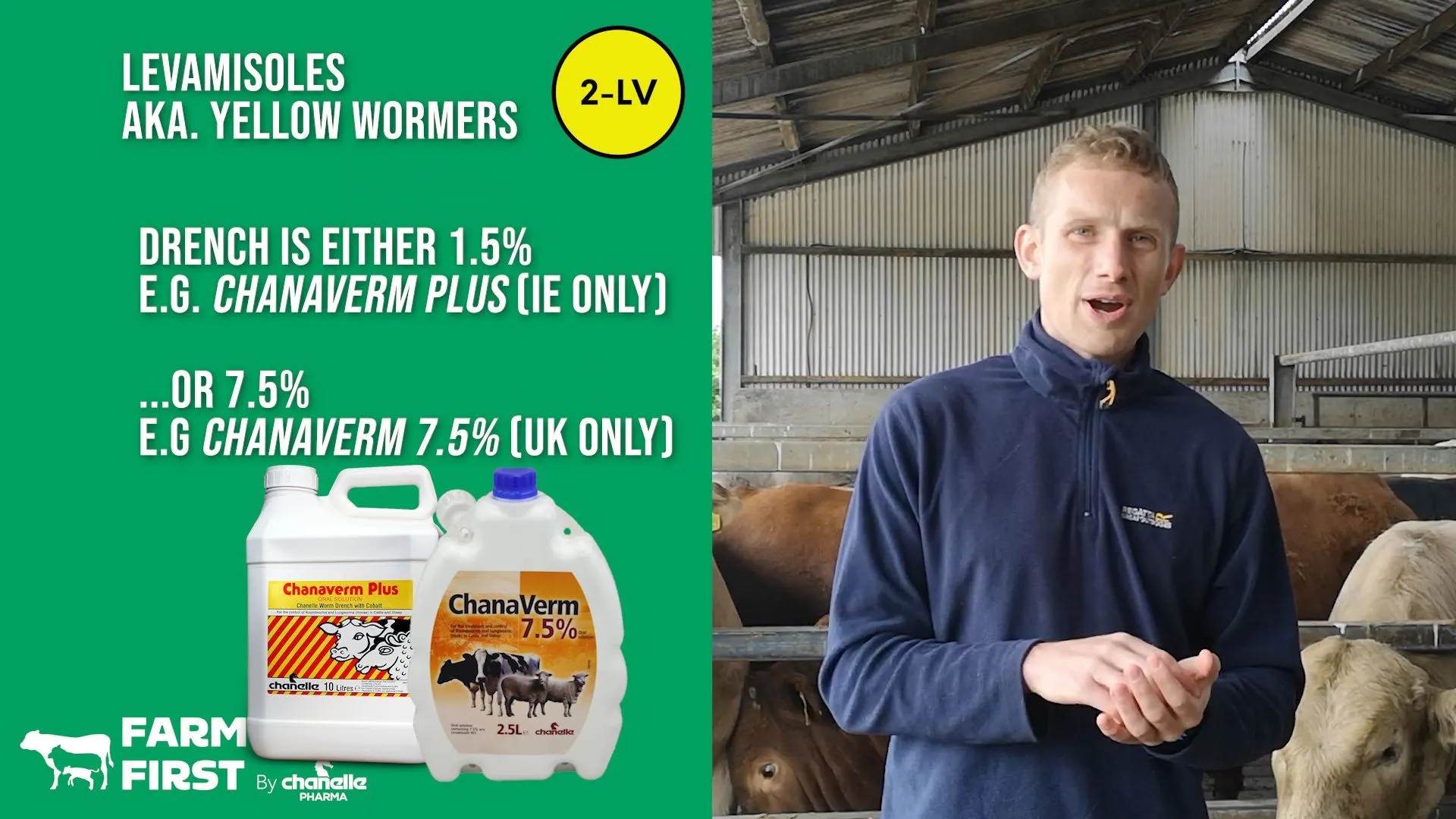
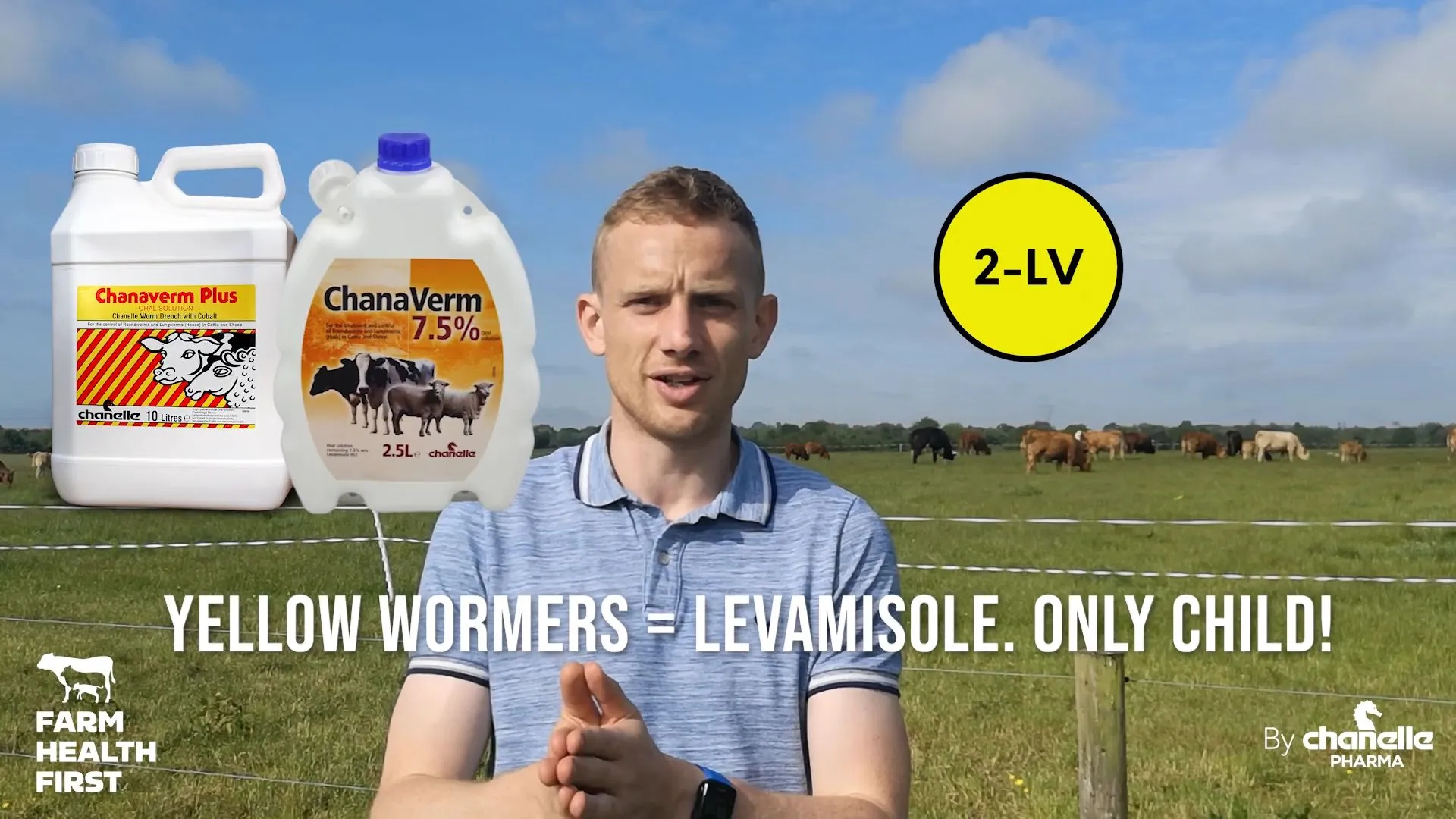
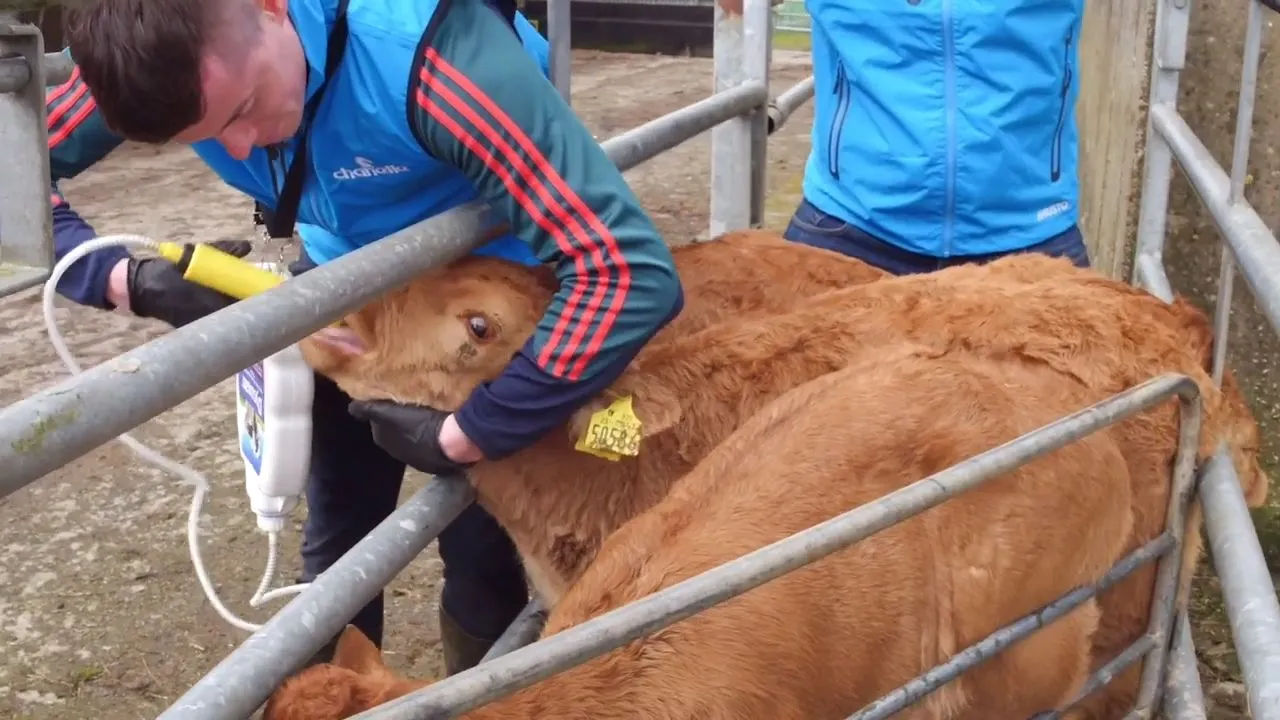
At present, farmers should be using combinations of weighing and pooled FECs to determine necessity for treatment. All of the wormer classes - white, yellow and clear will be effective against gastrointestinal worms. Use a different class than what has been used already, or is planned for later in the season (e.g. at housing).
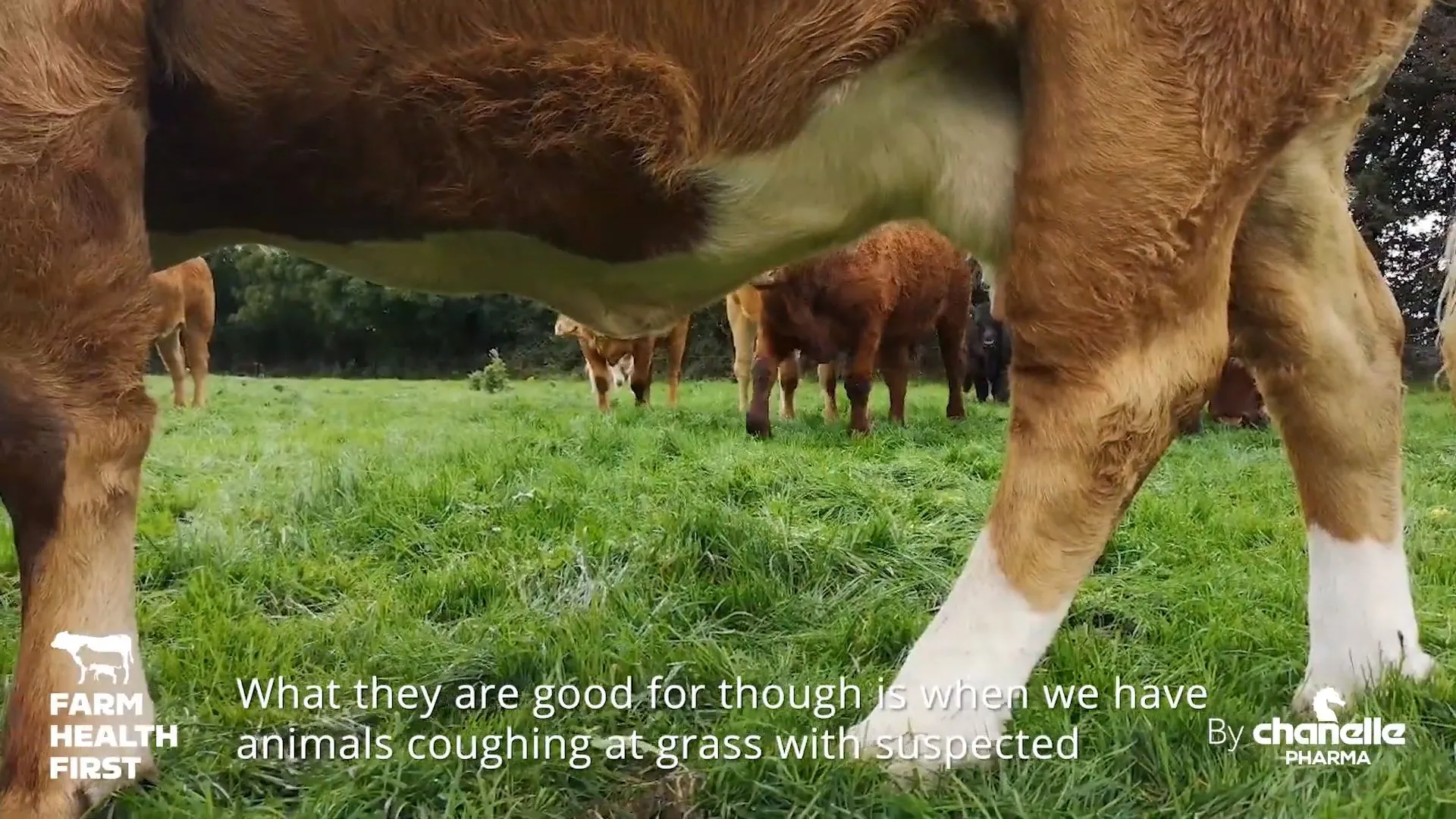
In the case of lungworm, audible coughing is a symptom of infection and waiting for a confirmatory diagnostic can be risky as calves' respiratory systems are vulnerable to infection (pneumonia) if stressed, which can be fatal. Vaccinations play an important role in preventing this also.
All of the wormer classes - white, yellow and clear will be effective against lungworm.
Investigating diarrhoea in calves
We looked at the symptom in older animals some weeks back. Now we're investigating 'dirty' back-ends in calves.
Is it worms?
While the principles of dietary change still hold for calves as they do in cows, it is more likely to be a gastrointestinal worm infection in calves.
Spring-born calves will be developing more and more as grazers with each passing day. While calves visually graze from a young age, they tend to pick at the leafiest material towards the top of the sward initially. Worm larve will tend to be distributed closer to the base of the plant.
Now, spring calves will be grazing right down the plant and ingesting any worm larve present while doing so. These larvae will cause symptoms from a fortnight later.
Immunity plays a key role in a calves' worm risk, both directly and indirectly.
It takes two full grazing seasons for immuntiy against worms to develop. Even then, it can come under pressure and fluctuate. The fact that spring calves might be weaned, or grazing away from their mothers also adds to the risk.
Suckler cows act as giant hoovers - each mouthful of worm larvae they consume while grazing is a mouthful less for their calves to ingest.
The cow's own immunity will kill these larvae before they have a chance to develop. So taking cows out of the equation can increase calves' risk, but it is pasture-dependent.
At present, farmers should be using combinations of weighing and pooled FECs to determine necessity for treatment. All of the wormer classes - white, yellow and clear will be effective against gastrointestinal worms. Use a different class than what has been used already, or is planned for later in the season (e.g. at housing).
In the case of lungworm, audible coughing is a symptom of infection and waiting for a confirmatory diagnostic can be risky as calves' respiratory systems are vulnerable to infection (pneumonia) if stressed, which can be fatal. Vaccinations play an important role in preventing this also.
All of the wormer classes - white, yellow and clear will be effective against lungworm.



Newsletter




































Blog













.webp)
.webp)
.webp)
.webp)
.webp)
.webp)
.webp)
.webp)
.webp)

.webp)


.webp)




.webp)
.webp)


.jpeg)










.webp)


%2520-%2520What%2520is%2520coccidiosis_%25200-27%2520screenshot.webp)



.webp)





.webp)



CPD for SQPs & Vets
Sharpen your knowledge

DOsing Best Practices
Get the dose right every time