Blog
Underdosing - Are You Guilty Without Knowing It?
How underdosing happens
Underdosing is a huge 'no-no', with any medicine in any species.
When it comes to farm animal parasites, the practice accelerates the onset of anthelmintic resistance.
Sometimes, even with the best will in the world, underdosing can happen without a farmer knowing it.
Here are some potential 'accidental underdose' scenarios:
- Injecting animals using an automatic injector gun and not taking time in between animals to rub and seal up treatment sites - solution can leak out. In small calves this leakage can account for a large portion of the overall dose.
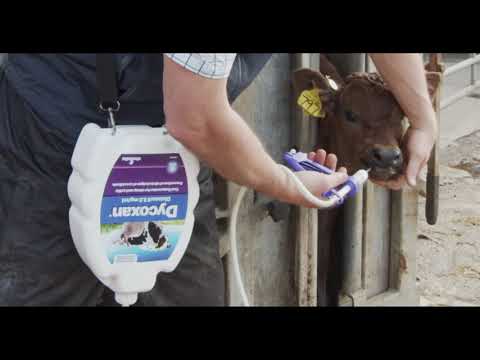
- Inaccurate dosing guns - watch our video on how to check this.
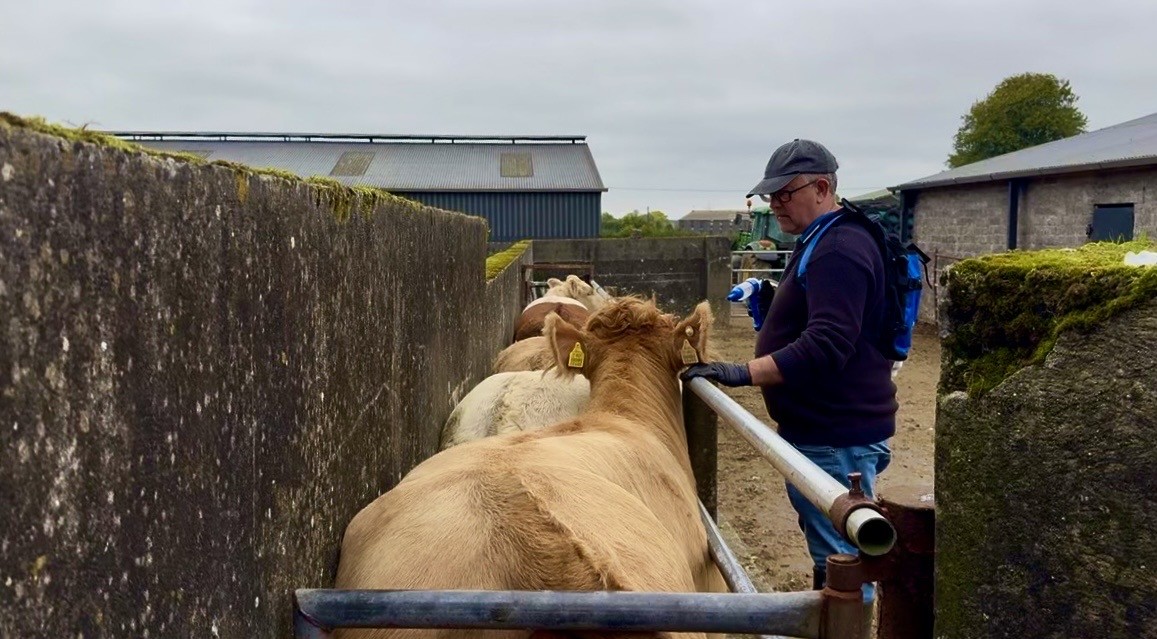
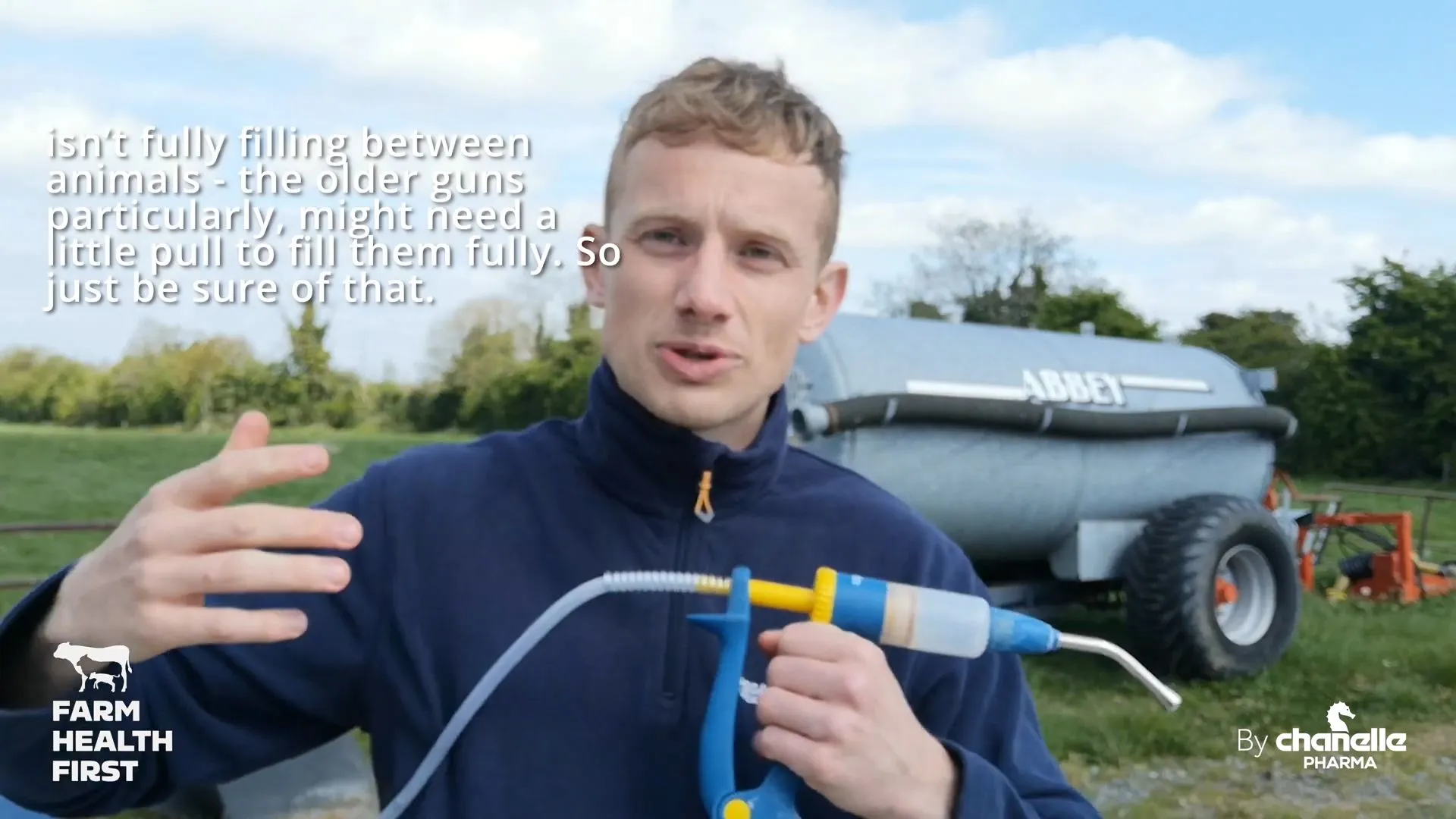
- Moving too quickly along chutes when giving pour-ons and not giving guns a chance to fully re-fill. Particularly a problem with older dosing guns.
- When there are more animals left than 'doses' in a pack, never split doses. Simply leave the heaviest, best-looking animals in the group undosed. They will be fine.
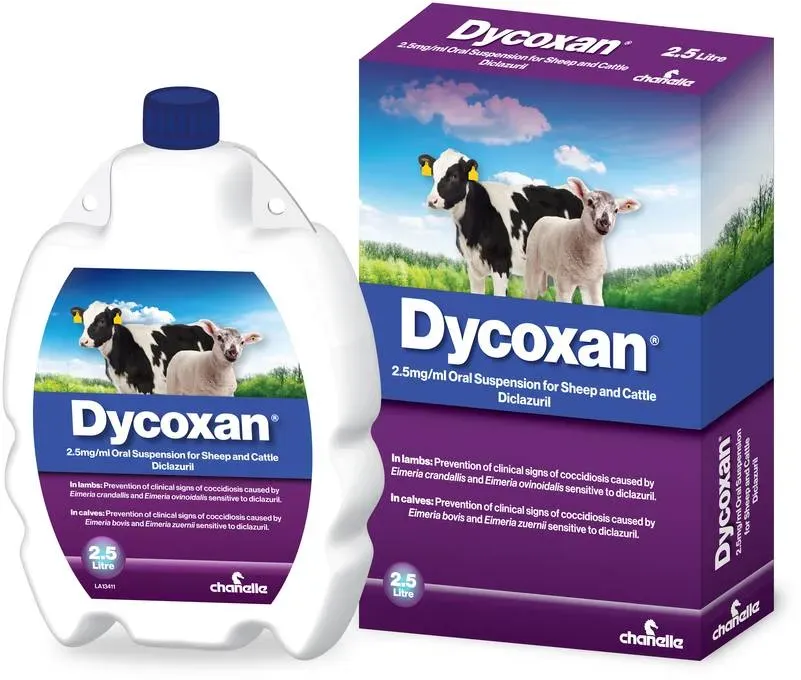
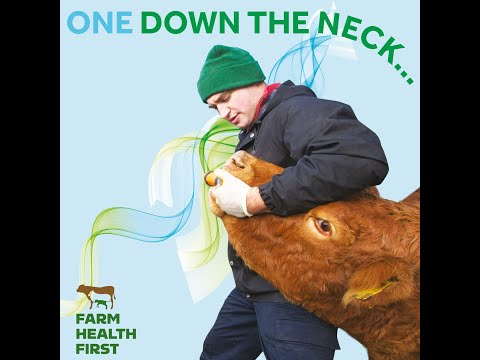
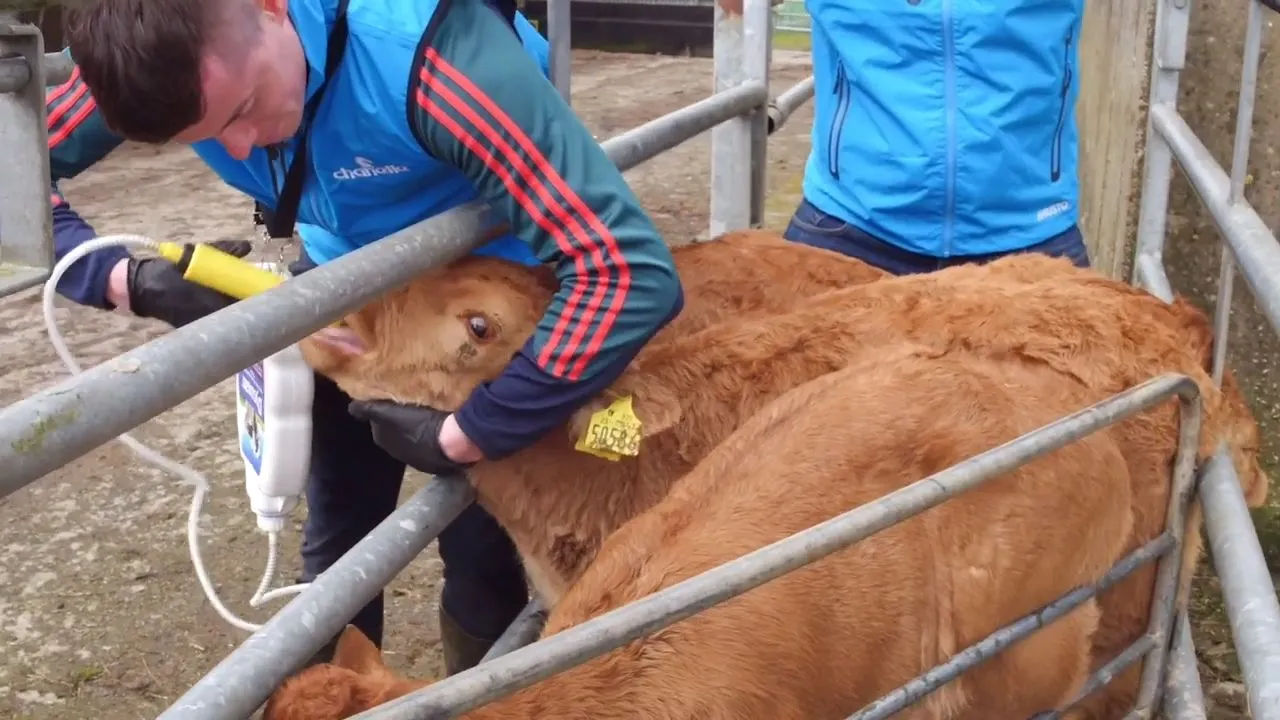
- Giving oral treatments to strong calves and not holding their heads up after to ensure product is fully swallowed.
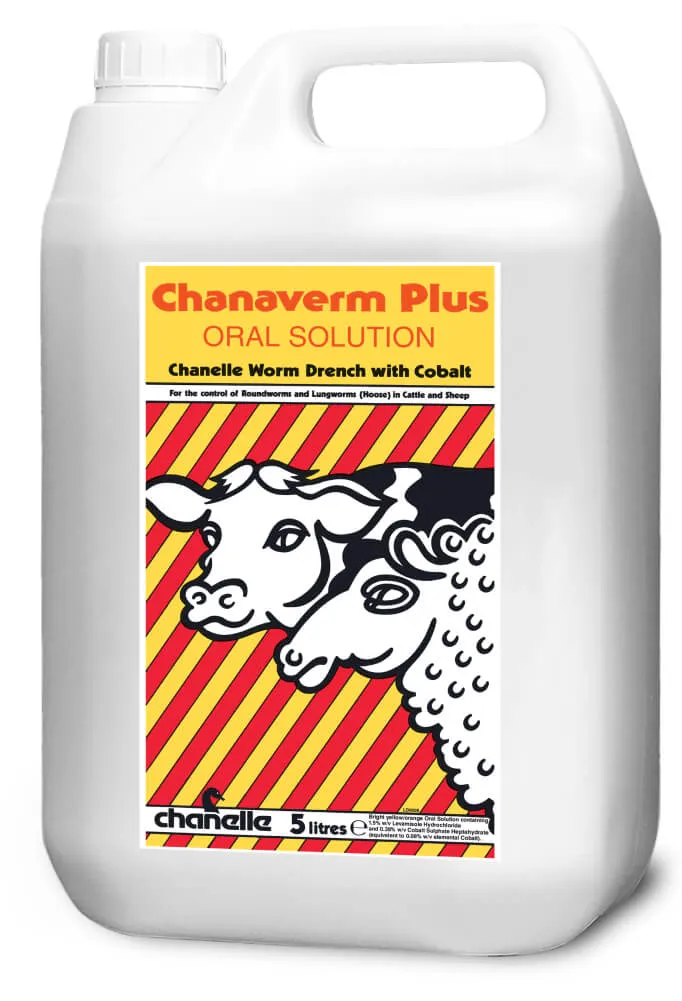
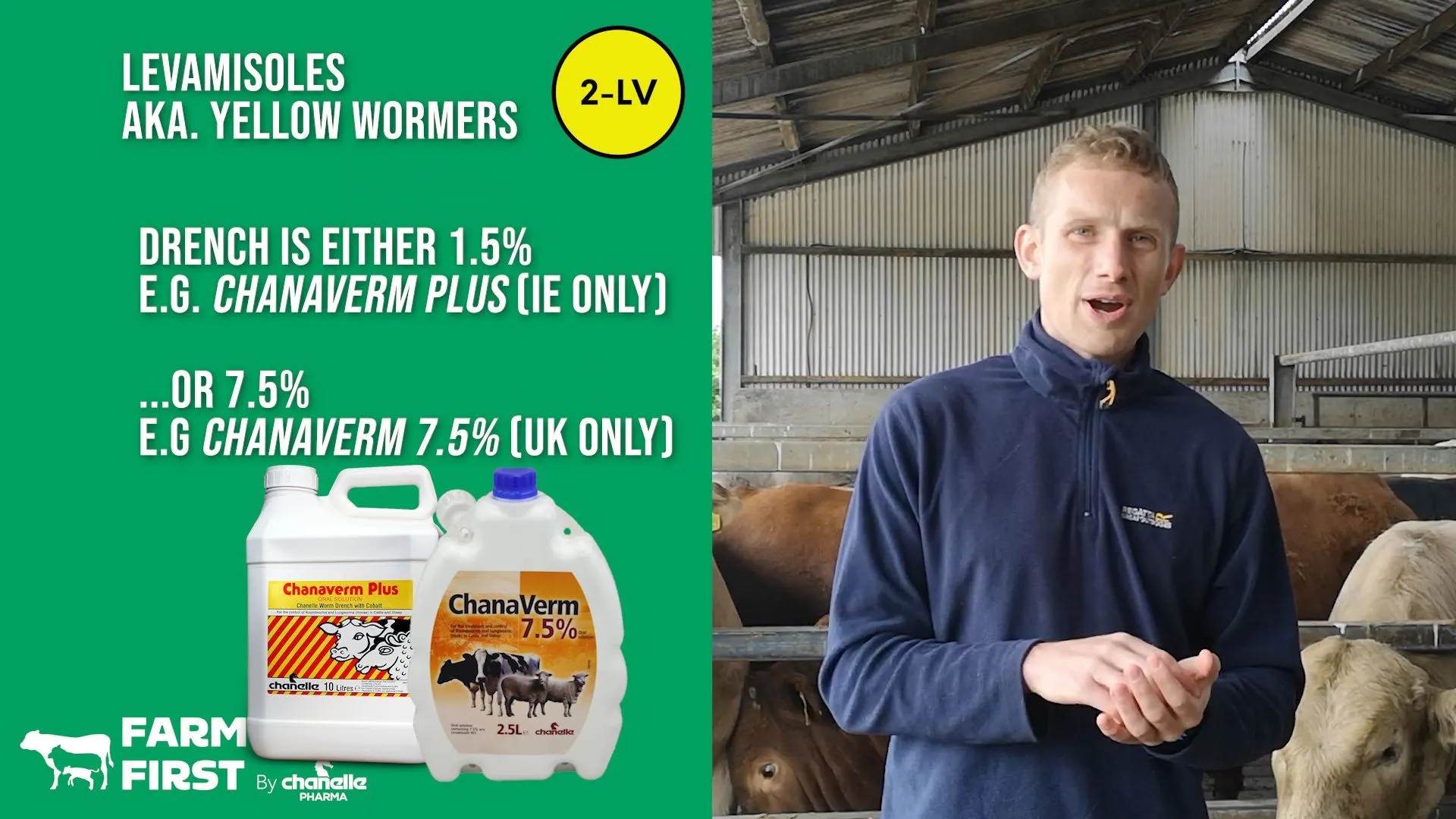
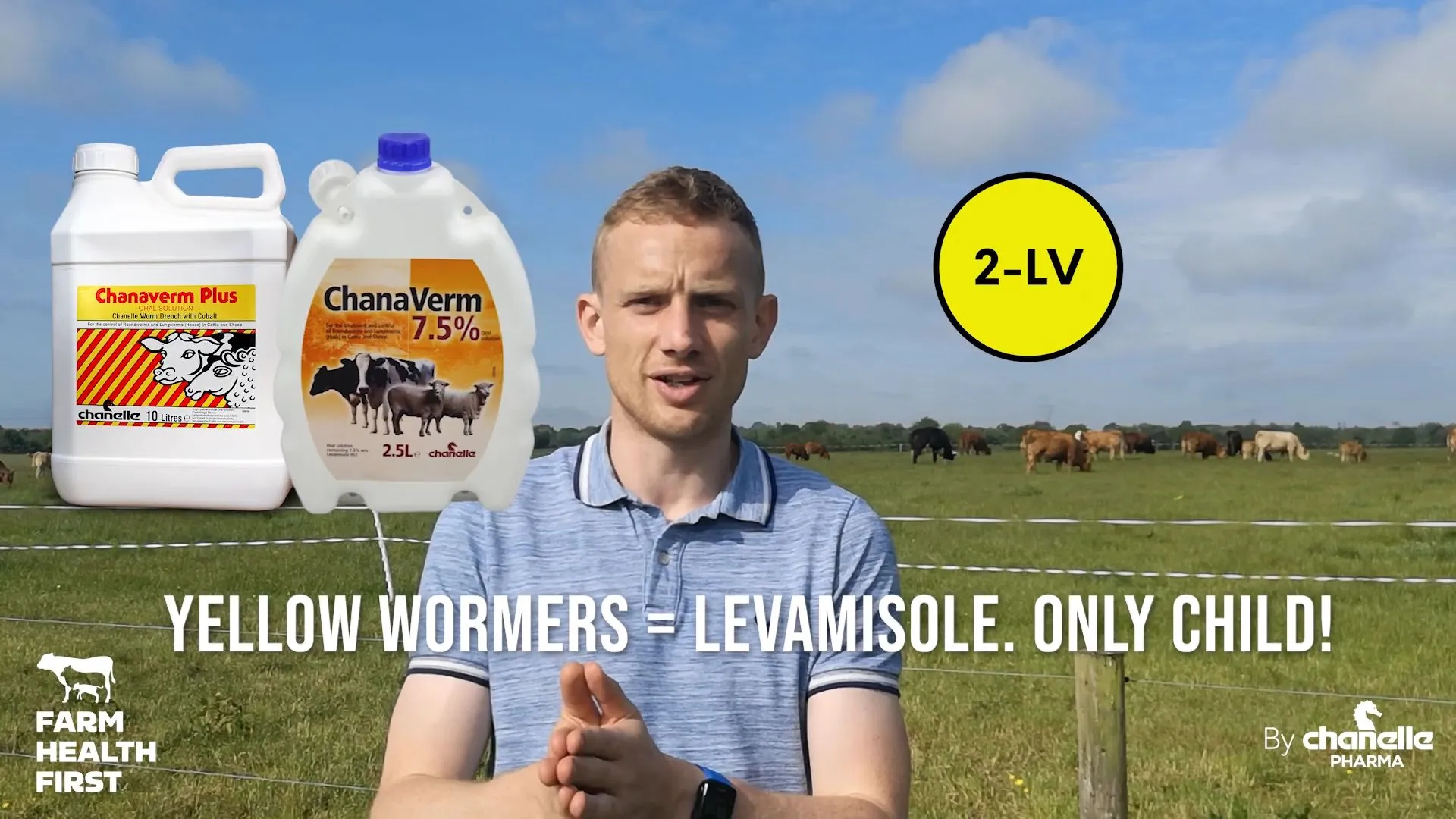
- Dosing based on the average animal in the group. This will result in 50% of the animals being underdosed. Instead, pick the heaviest animal in the group and dose to this weight. If there is a big range in the group and you are using yellow wormers/levamisole, weigh each animal to get an accurate rate, or split into groups of similar weight and dose to heaviest within these.
Keep Learning
How underdosing happens
Underdosing is a huge 'no-no', with any medicine in any species.
When it comes to farm animal parasites, the practice accelerates the onset of anthelmintic resistance.
Sometimes, even with the best will in the world, underdosing can happen without a farmer knowing it.
Here are some potential 'accidental underdose' scenarios:
- Injecting animals using an automatic injector gun and not taking time in between animals to rub and seal up treatment sites - solution can leak out. In small calves this leakage can account for a large portion of the overall dose.
- Inaccurate dosing guns - watch our video on how to check this.
- Moving too quickly along chutes when giving pour-ons and not giving guns a chance to fully re-fill. Particularly a problem with older dosing guns.
- When there are more animals left than 'doses' in a pack, never split doses. Simply leave the heaviest, best-looking animals in the group undosed. They will be fine.
- Giving oral treatments to strong calves and not holding their heads up after to ensure product is fully swallowed.
- Dosing based on the average animal in the group. This will result in 50% of the animals being underdosed. Instead, pick the heaviest animal in the group and dose to this weight. If there is a big range in the group and you are using yellow wormers/levamisole, weigh each animal to get an accurate rate, or split into groups of similar weight and dose to heaviest within these.
Keep Learning



Newsletter
Stay one step ahead this farming season
Get practical animal health advice, seasonal alerts and on-farm tips straight to your inbox.


Videos
Related Videos
















Blog
Related Blogs























.webp)
.webp)
.webp)
.webp)
.webp)
.webp)
.webp)
.webp)
.webp)

.webp)


.webp)



.webp)
.webp)

.jpeg)




.webp)

%2520-%2520What%2520is%2520coccidiosis_%25200-27%2520screenshot.webp)



.webp)




.webp)

CPD for SQPs & Vets
Sharpen your knowledge
Free, accredited CPD modules covering parasite control, disease management and product use.
Stay current and meet your professional requirements.

DOsing Best Practices
Get the dose right every time
Clear dosing guidance for the full Chanelle Pharma range. Accurate dosing means better outcomes for the animal and better value for the farmer.