Ostertagia ostertagi
Understanding Ostertagia ostertagi
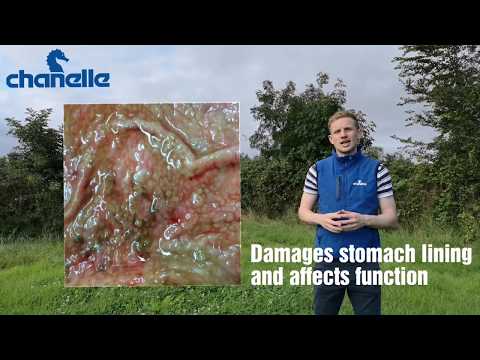
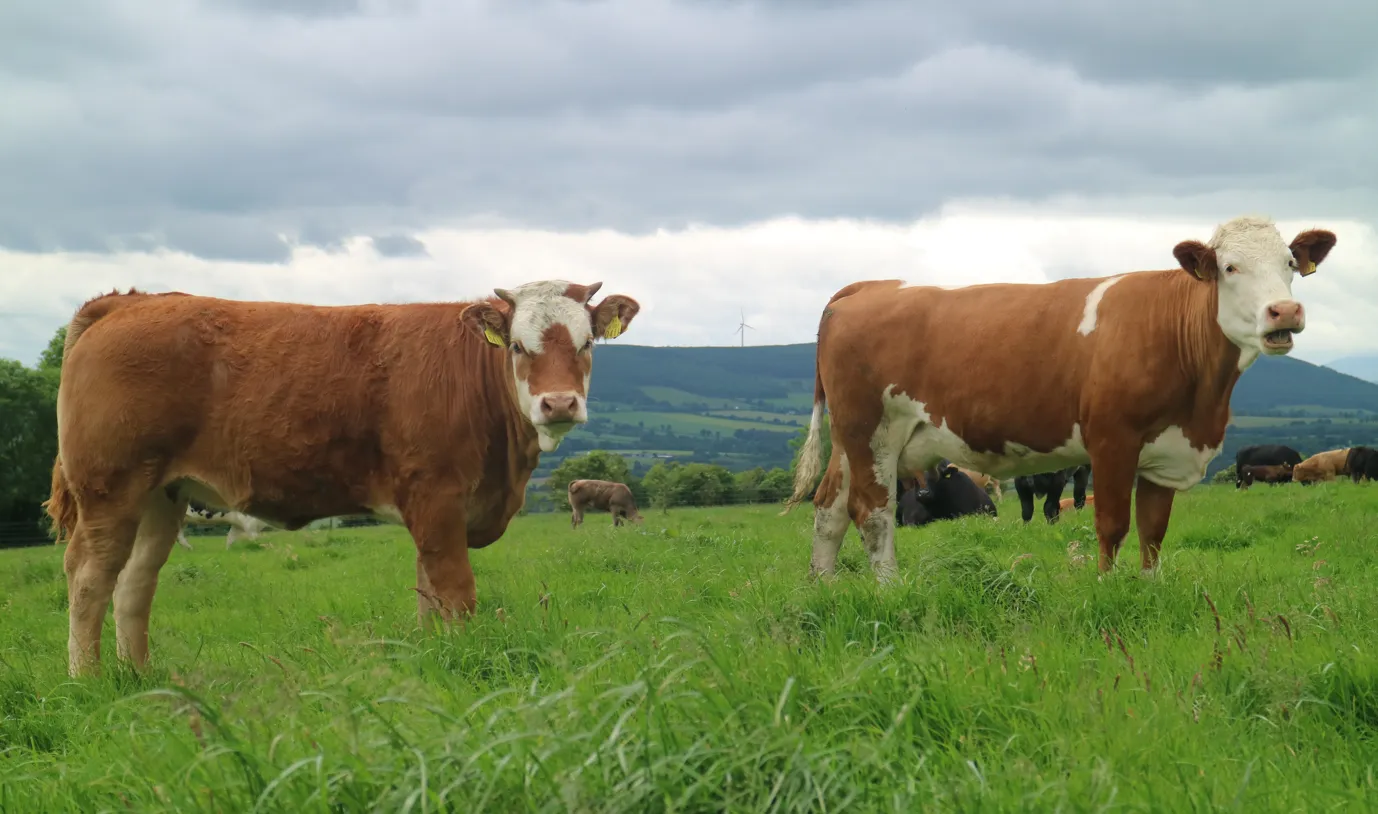
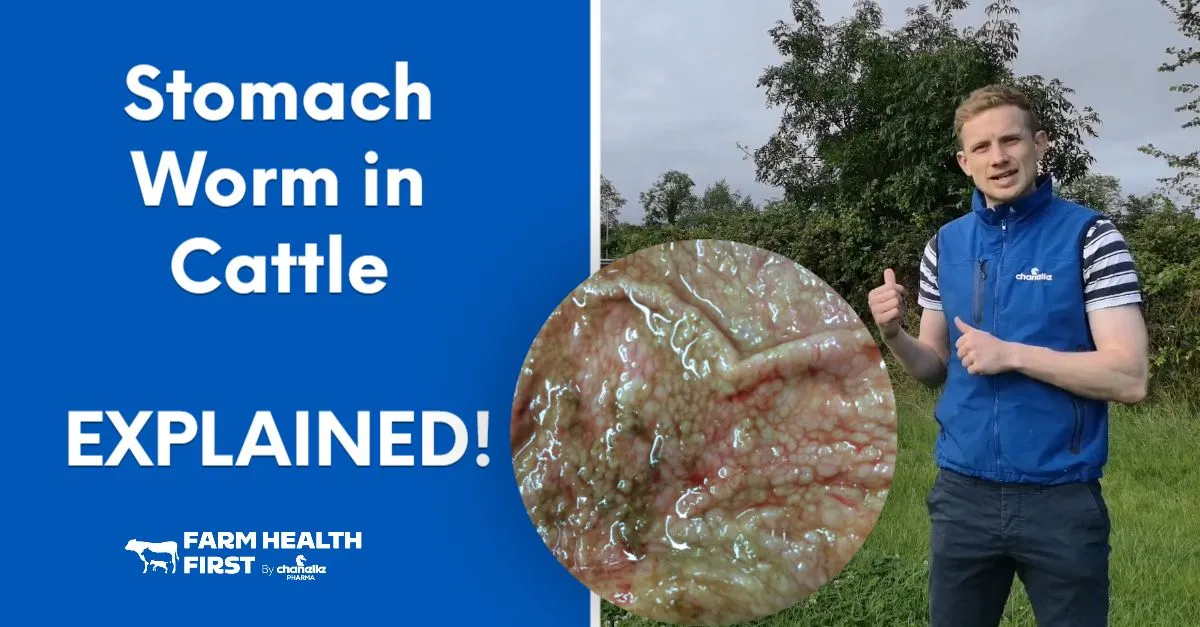
Ostertagia o. is the main stomach worm affecting cattle. It is also known as the brown stomach worm and adults are around 8mm in length. They disrupt normal stomach function as well as leaving bleeding ulcers behind on the organ’s surface. The characteristic symptom is a green-tinged diarrhoea and in a moderate infection there will be 1000-2000 worms present. Up to 20% of an animal’s body weight can be lost within 10 days in a good infection.
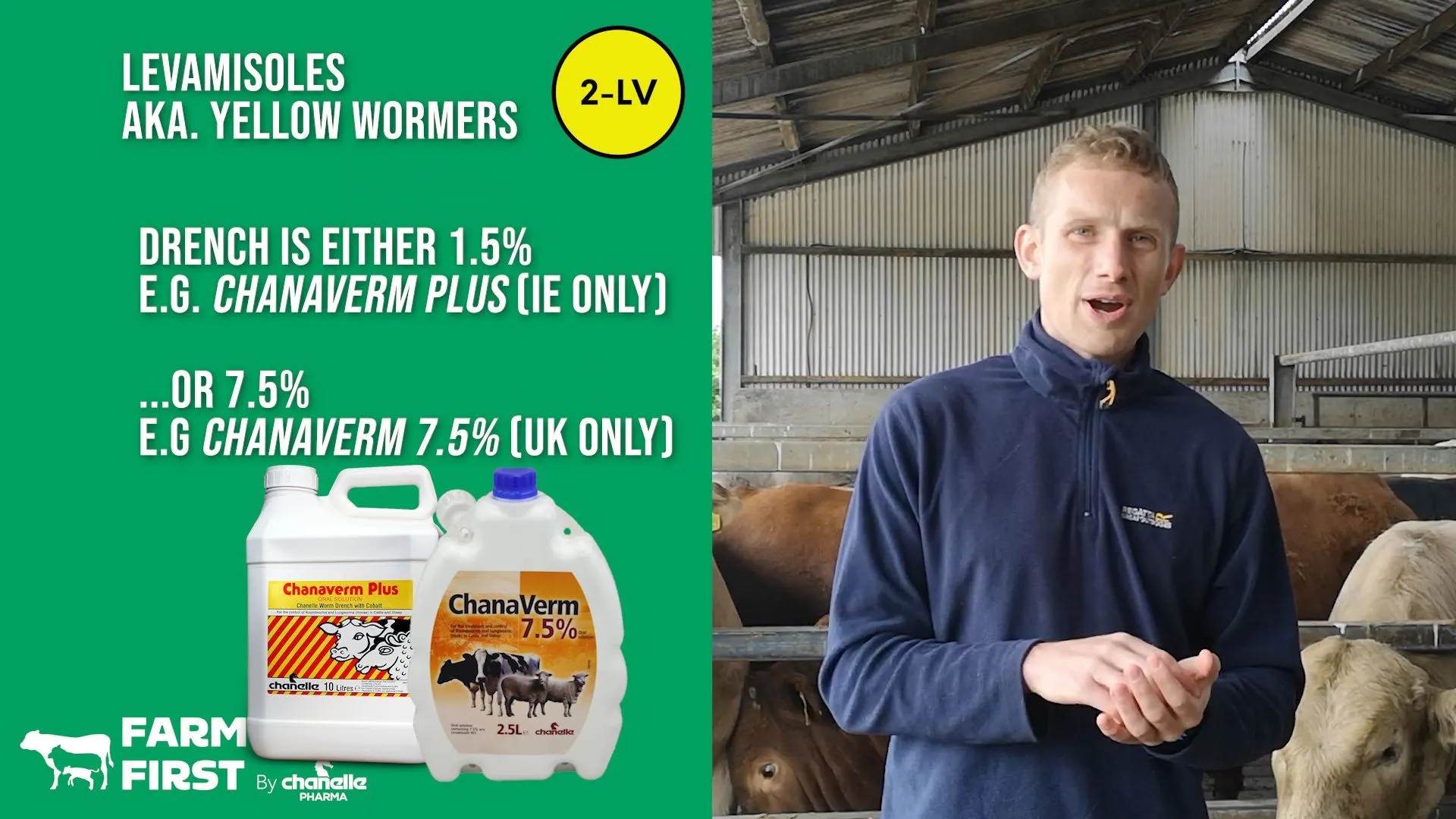
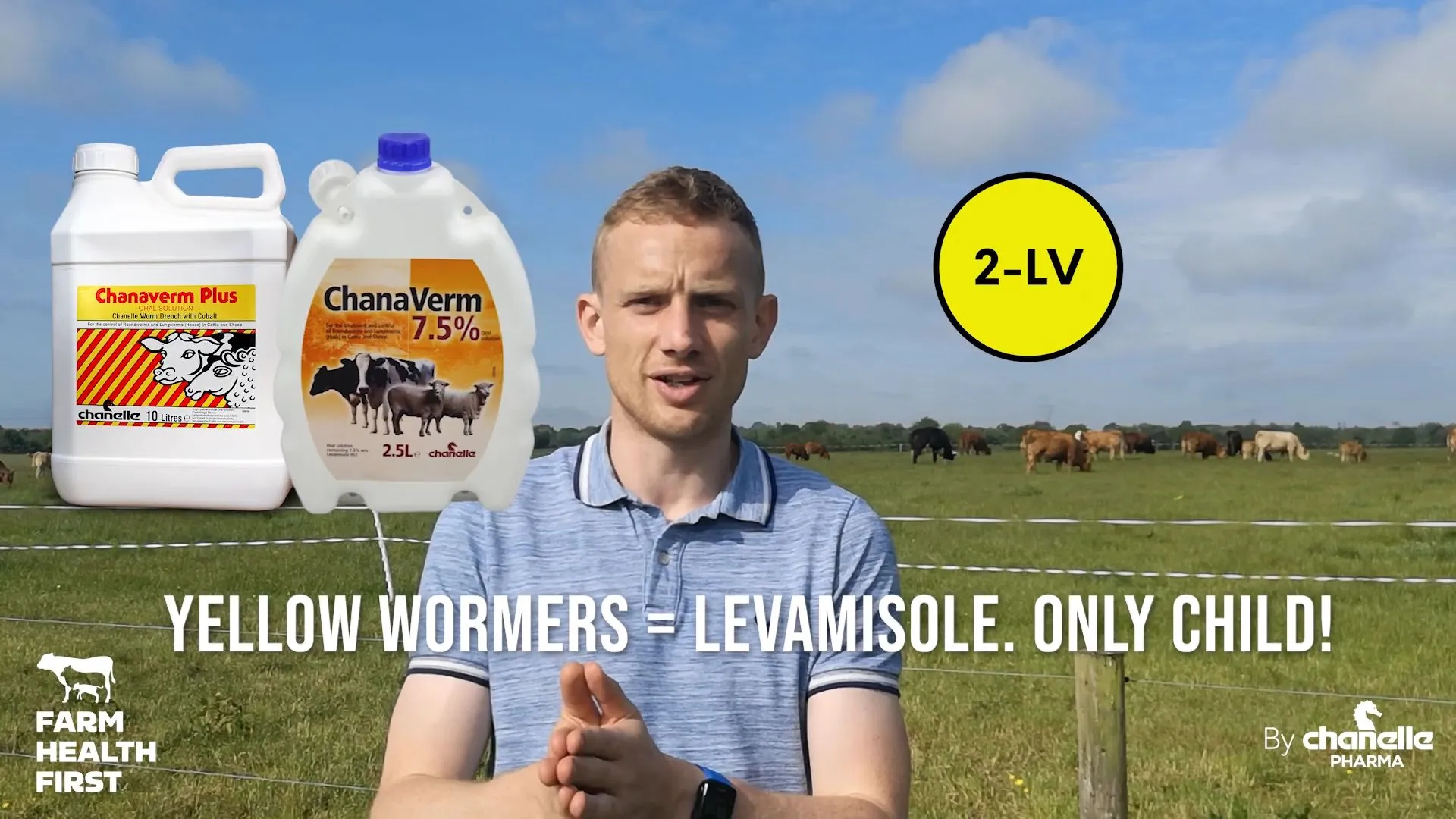
In a normal lifecycle there are around 28 days from ingestion of larvae to adult worms/symptoms present. This is known as Type I ostertagiosis. In Type II ostertagiosis, aka. Winter Scour, the larvae arrest (hibernate) in the animal for months, temporarily stalling the lifecycle. They then emerge and complete the lifecycle, with characteristic symptoms produced. It must be noted that levamisoles (yellow wormers) do not treat arrested larvae.
It takes two full grazing seasons to develop immunity to Ostertagia. Immunity to Ostertagia is non-sterile, meaning even immune animals will carry a small burden of the parasite.
Understanding Ostertagia ostertagi
Ostertagia o. is the main stomach worm affecting cattle. It is also known as the brown stomach worm and adults are around 8mm in length. They disrupt normal stomach function as well as leaving bleeding ulcers behind on the organ’s surface. The characteristic symptom is a green-tinged diarrhoea and in a moderate infection there will be 1000-2000 worms present. Up to 20% of an animal’s body weight can be lost within 10 days in a good infection.
In a normal lifecycle there are around 28 days from ingestion of larvae to adult worms/symptoms present. This is known as Type I ostertagiosis. In Type II ostertagiosis, aka. Winter Scour, the larvae arrest (hibernate) in the animal for months, temporarily stalling the lifecycle. They then emerge and complete the lifecycle, with characteristic symptoms produced. It must be noted that levamisoles (yellow wormers) do not treat arrested larvae.
It takes two full grazing seasons to develop immunity to Ostertagia. Immunity to Ostertagia is non-sterile, meaning even immune animals will carry a small burden of the parasite.



Newsletter











































Blog














.webp)
.webp)
.webp)
.webp)
.webp)
.webp)
.webp)
.webp)
.webp)

.webp)


.webp)




.webp)
.webp)


.jpeg)









.webp)


%2520-%2520What%2520is%2520coccidiosis_%25200-27%2520screenshot.webp)



.webp)





.webp)



CPD for SQPs & Vets
Sharpen your knowledge

DOsing Best Practices
Get the dose right every time