Farm Vet Emma's September Update


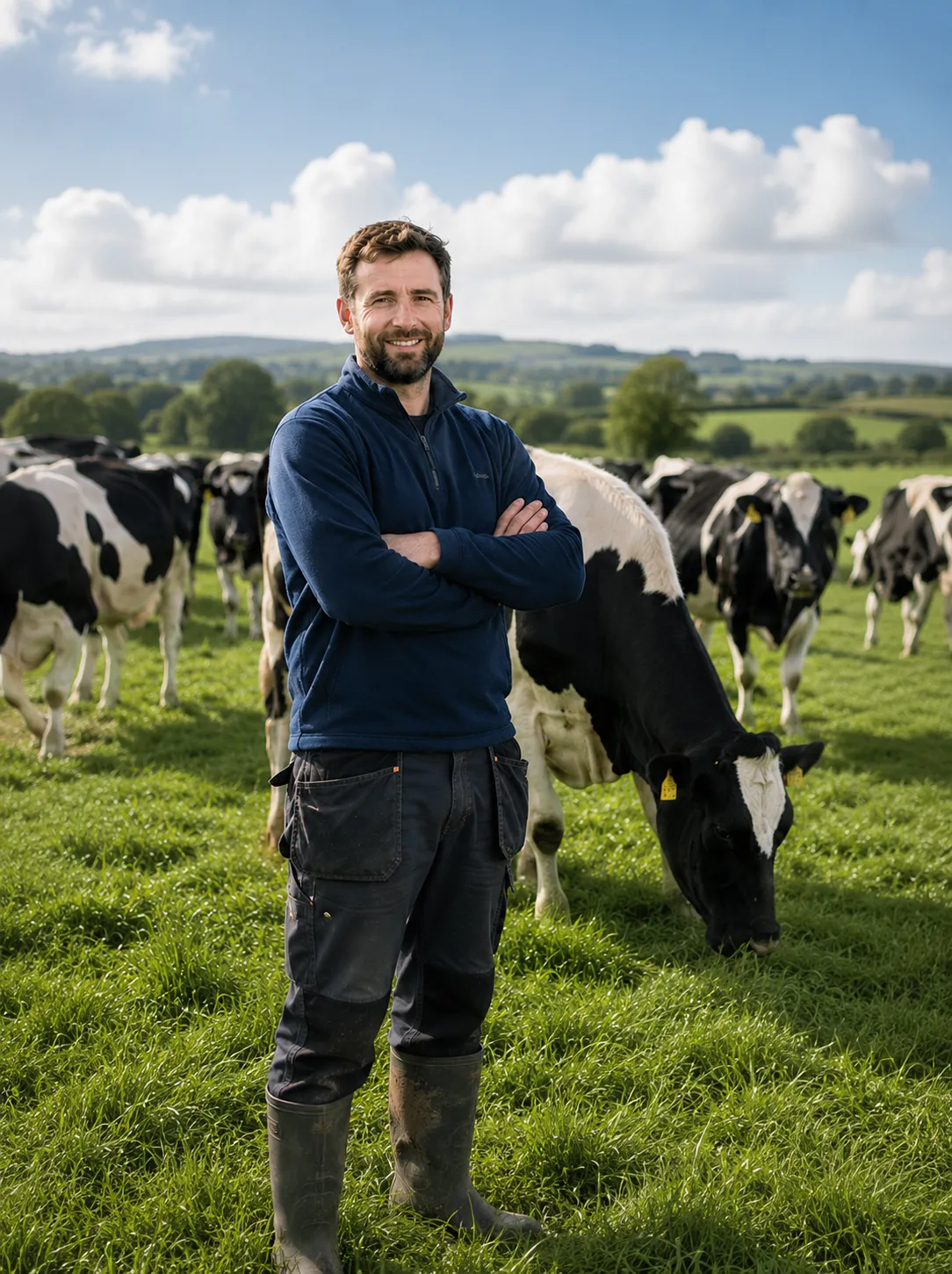
Originally from Devon, in the UK, Emma Holmes is a farm vet who qualified from Edinburgh Vet School in 2001. Alongside her practice work, Emma is a veterinary adviser for NADIS, the National Animal Disease Information Service and a trained TB Advisory Service (TBAS) adviser who works closely with farmers to help reduce the risk and incidence of bovine TB within their herds. In addition, she is a GDP supervisor, supporting and mentoring newly qualified vets as they develop their skills in practice. Outside work, Emma and her partner, Dave, run a pedigree South Devon beef suckler and sheep farm in Cornwall.
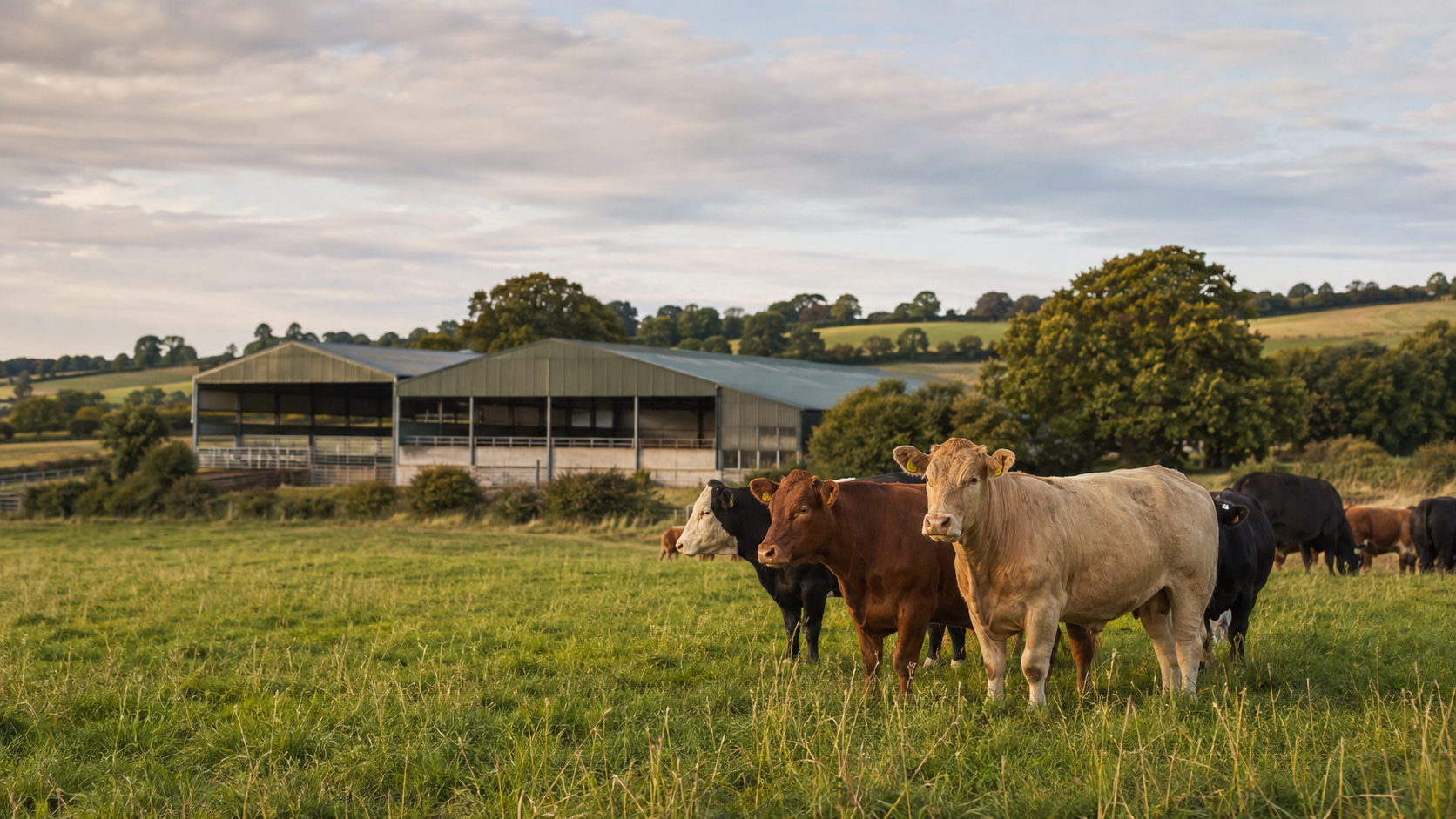
In this blog, Emma explains that now is a good time to look back at the grazing season, check what each group actually needs and make a plan before winter takes hold.
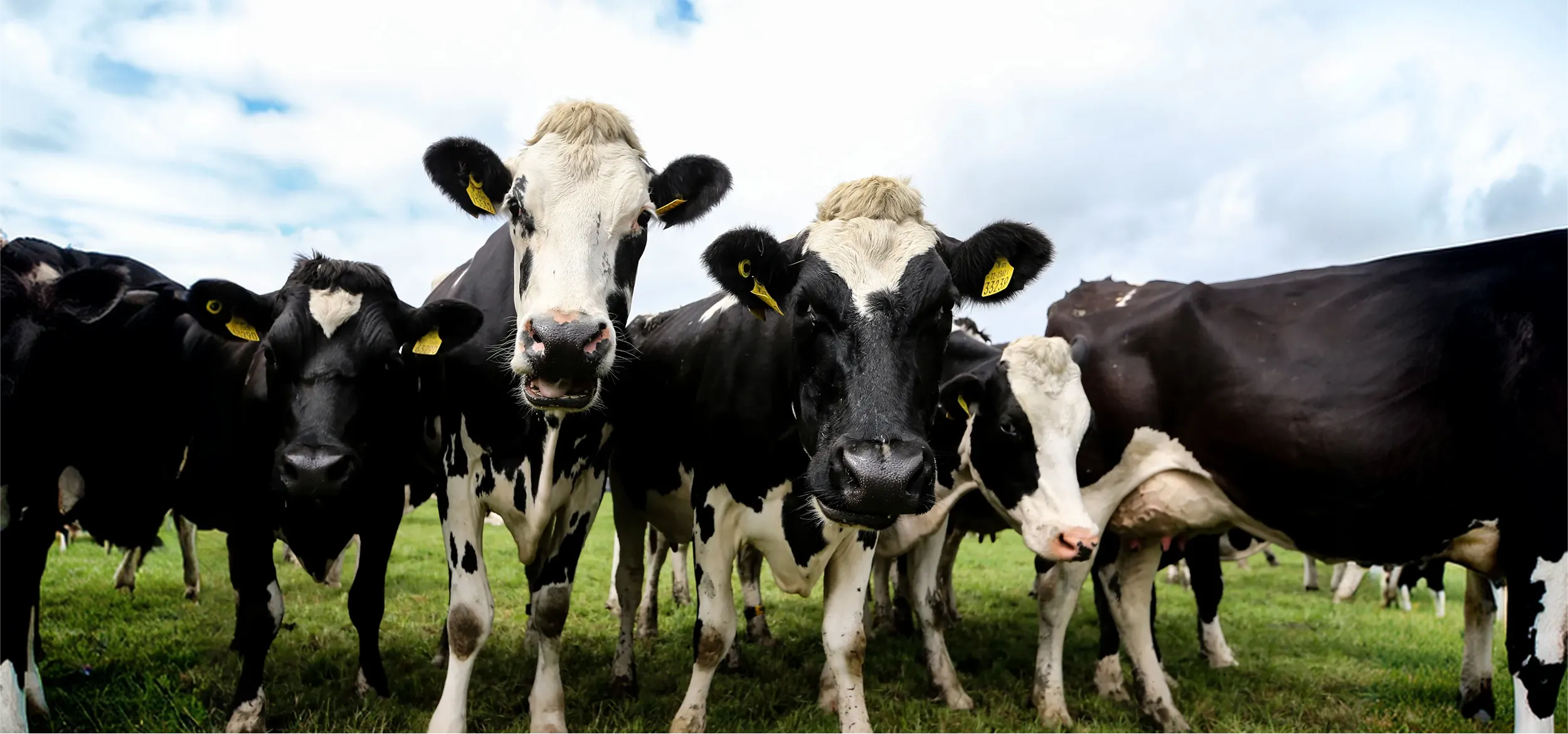
Emma's Advice for Cattle Farmers:
1. Do not treat the calendar, treat the risk.
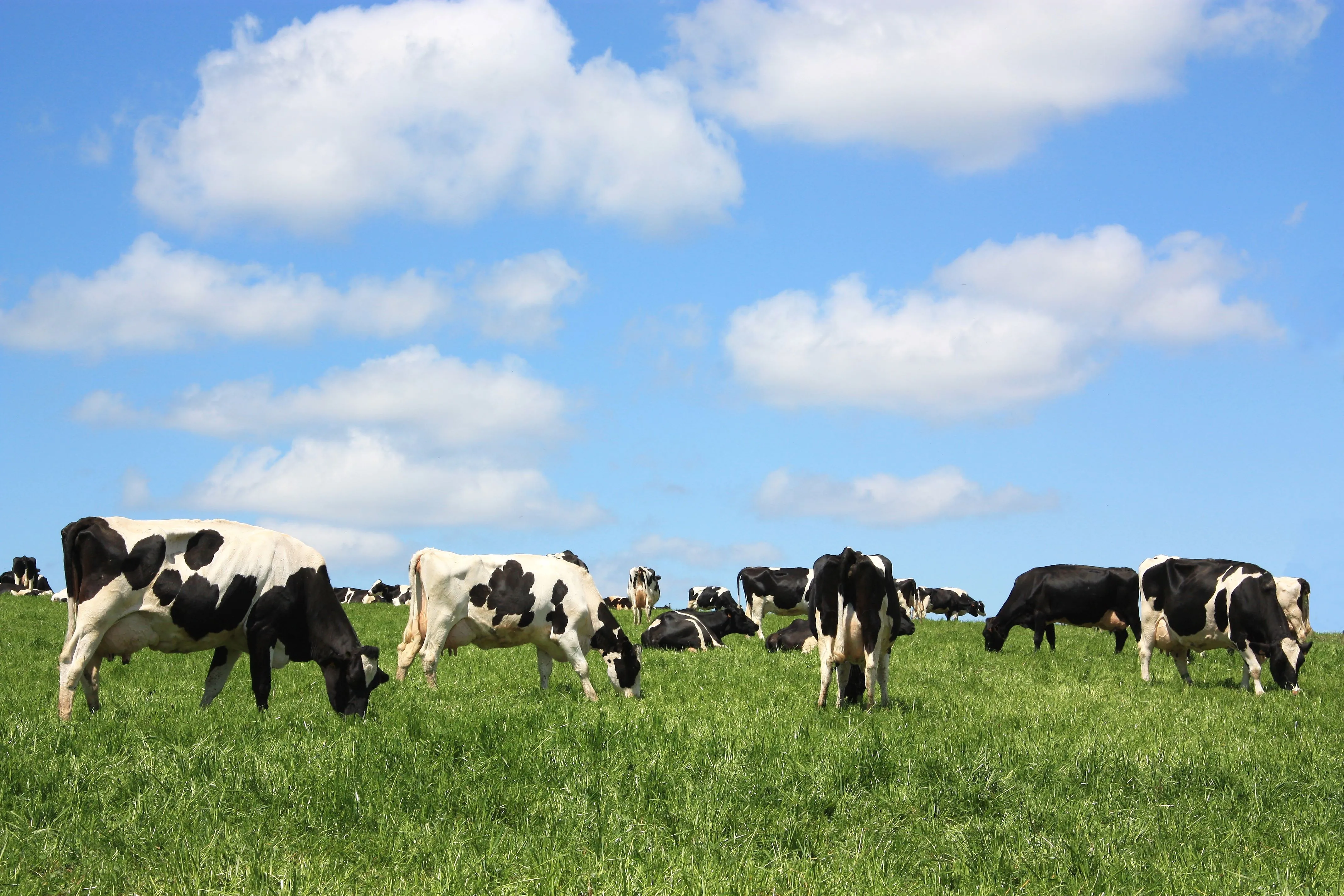
Two farms a few miles apart can have completely different fluke pressure. Walk the wet fields, look at the grazing history, check abattoir feedback and use diagnostics where they are helpful.
2. Weigh cattle before you dose.
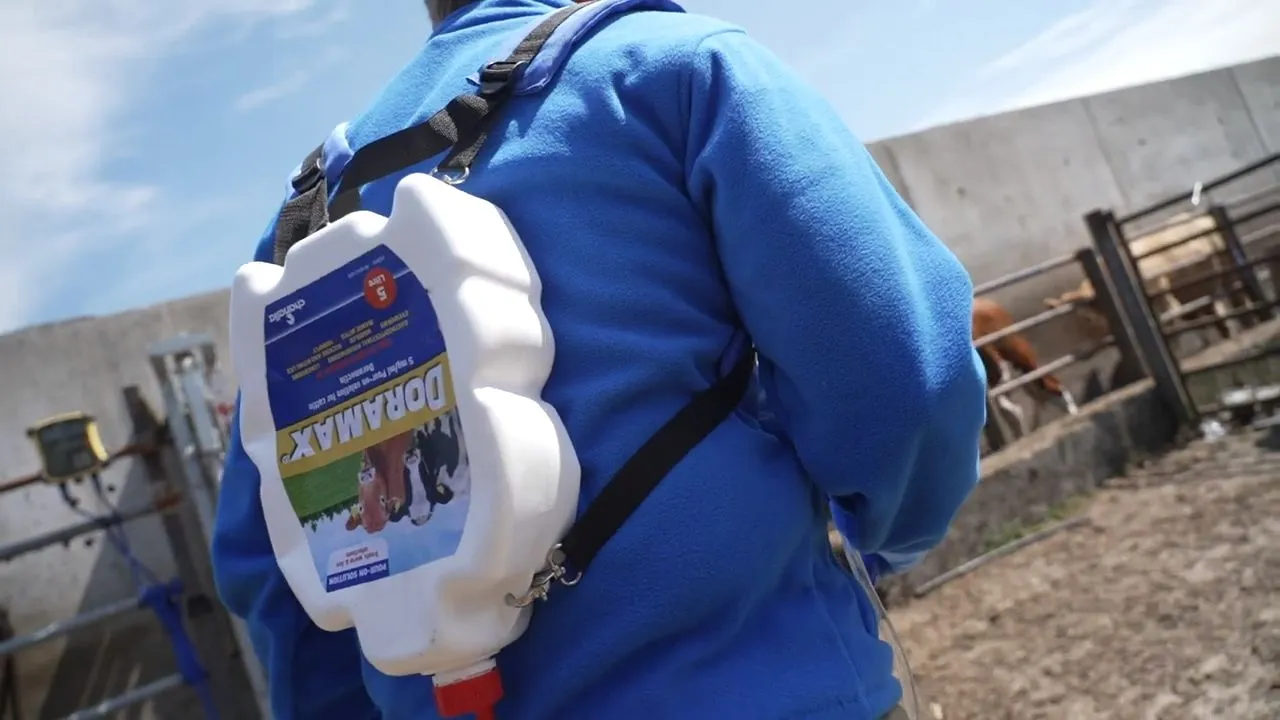
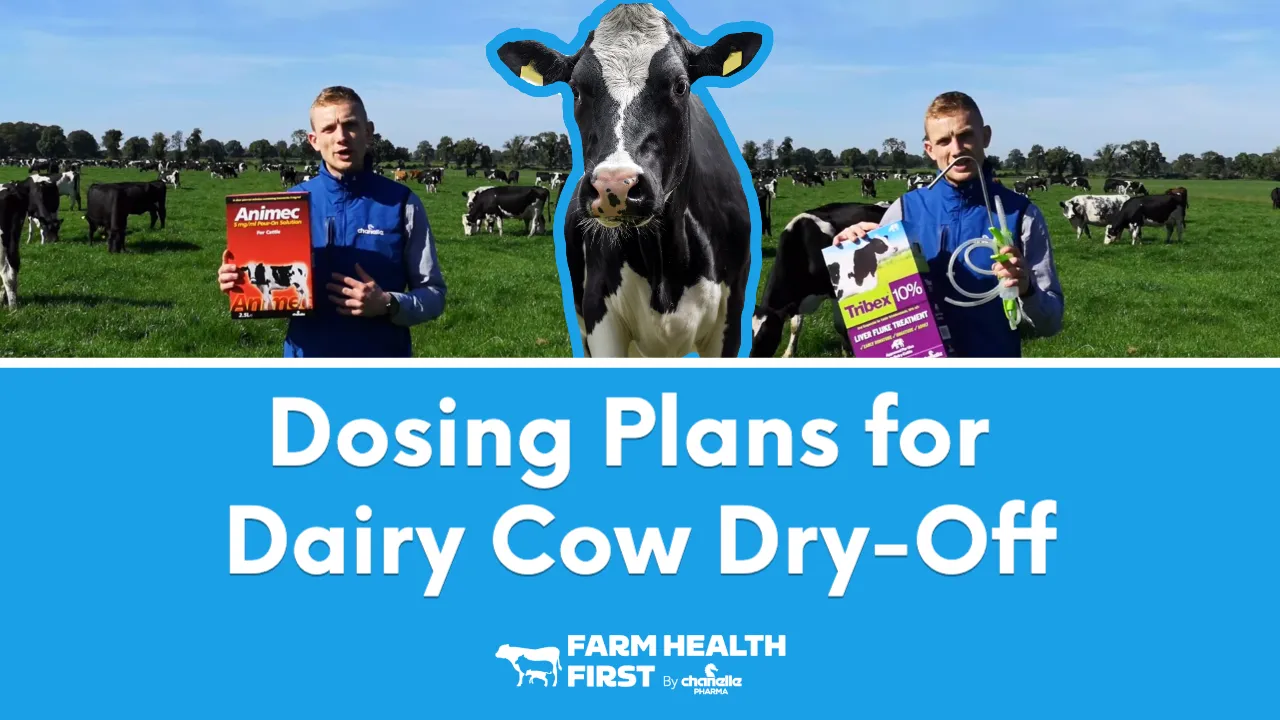
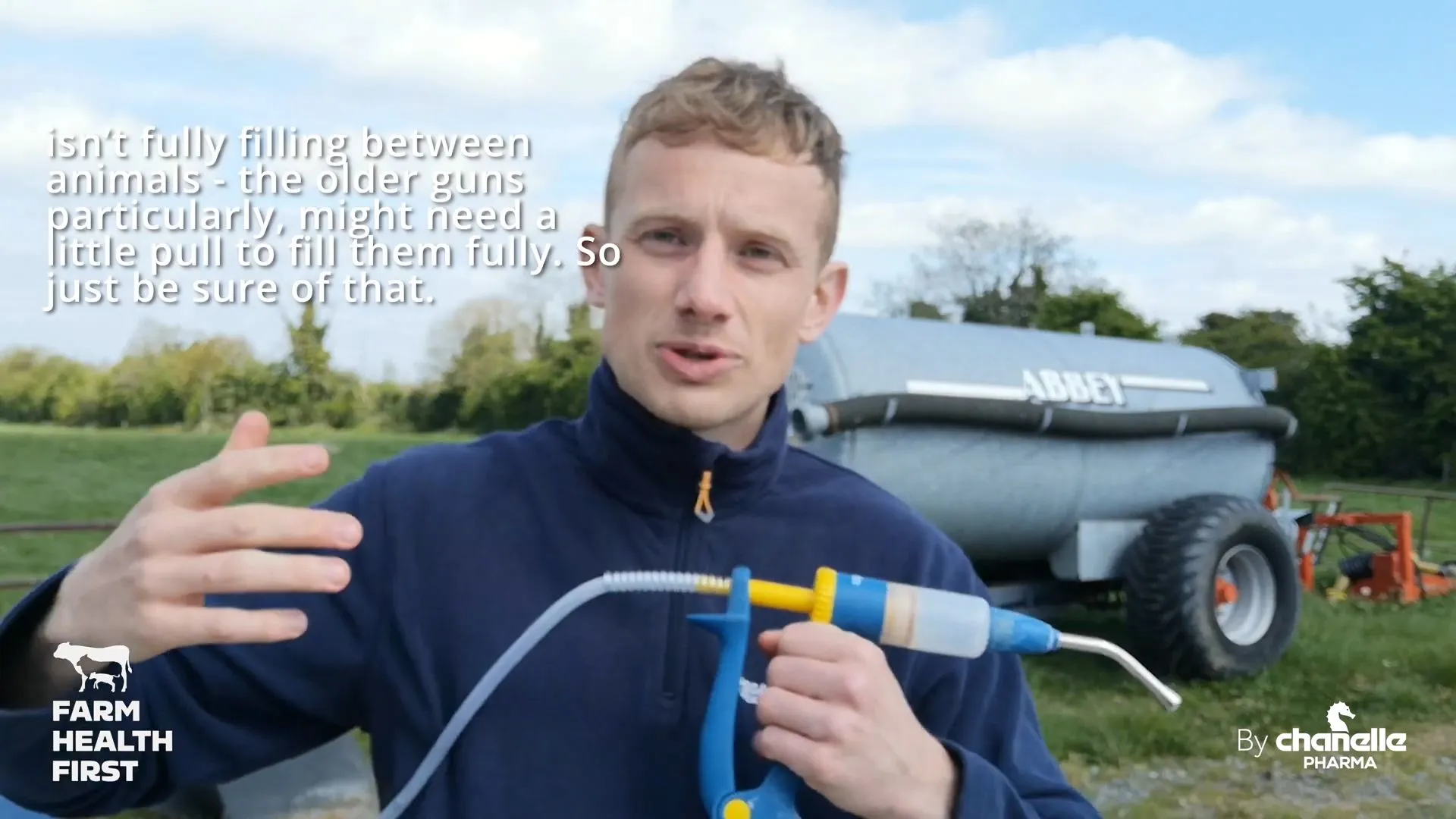
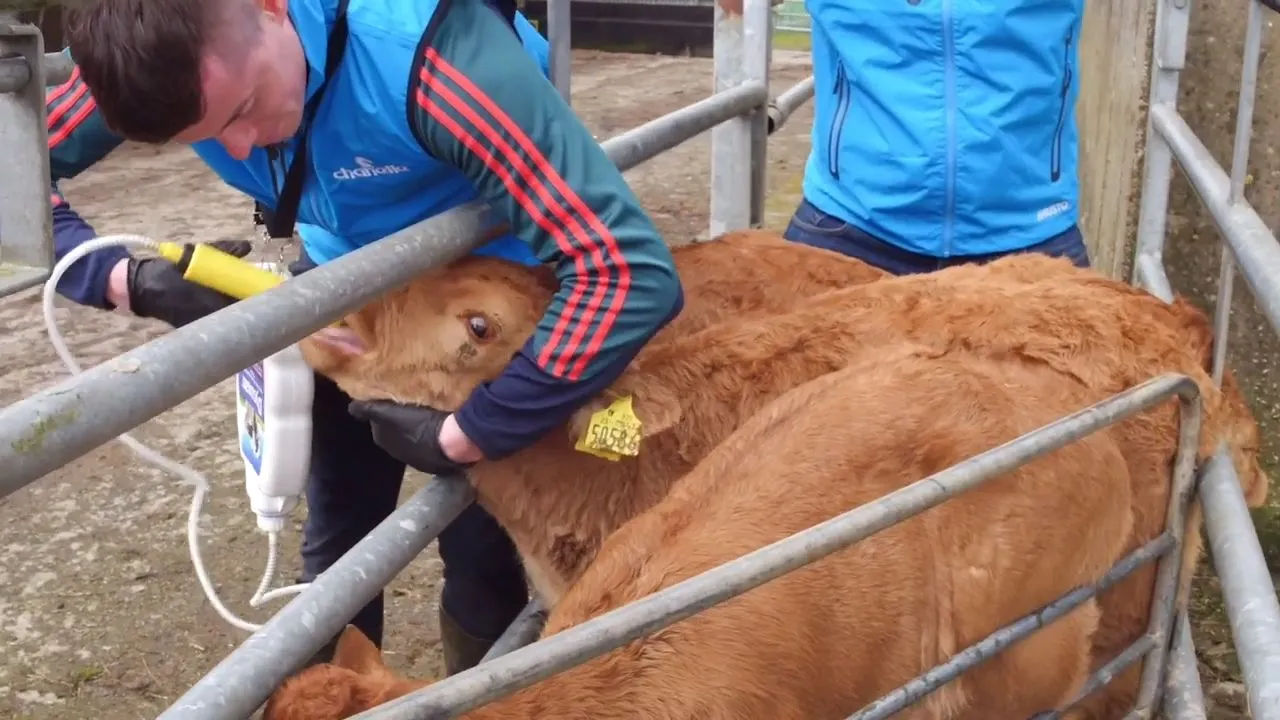
Guessing weights is one of the easiest ways to under-dose animals. Calibrate the gun, weigh a representative group, dose to the heaviest animal and use the product exactly as the label directs. It is a small job that helps protect the effectiveness of the medicines we rely on.
3. Watch the first-season grazers closely.
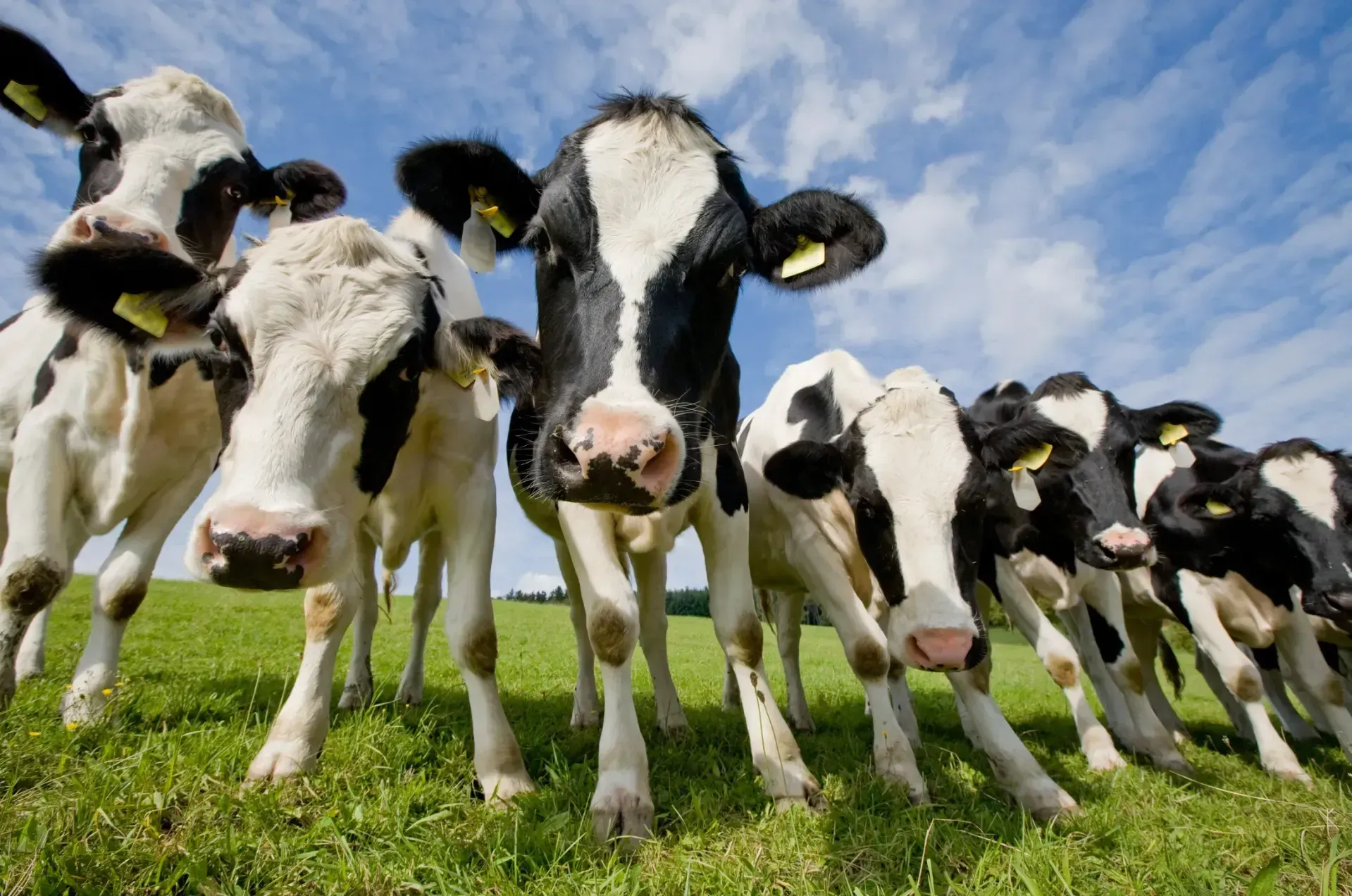
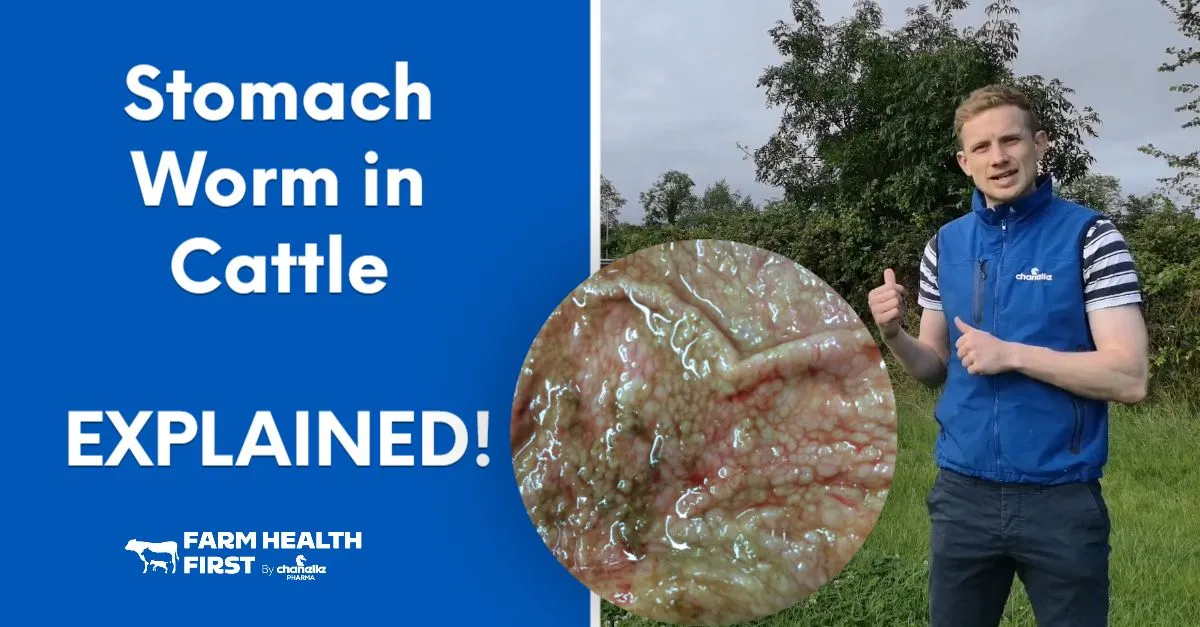
They are the group most likely to have paid the price for worms over the summer. If growth has slipped, calves are scouring or coughing, or the group simply is not thriving, investigate rather than assuming feed is the only issue.
4. Make housing comfortable, not just clean.
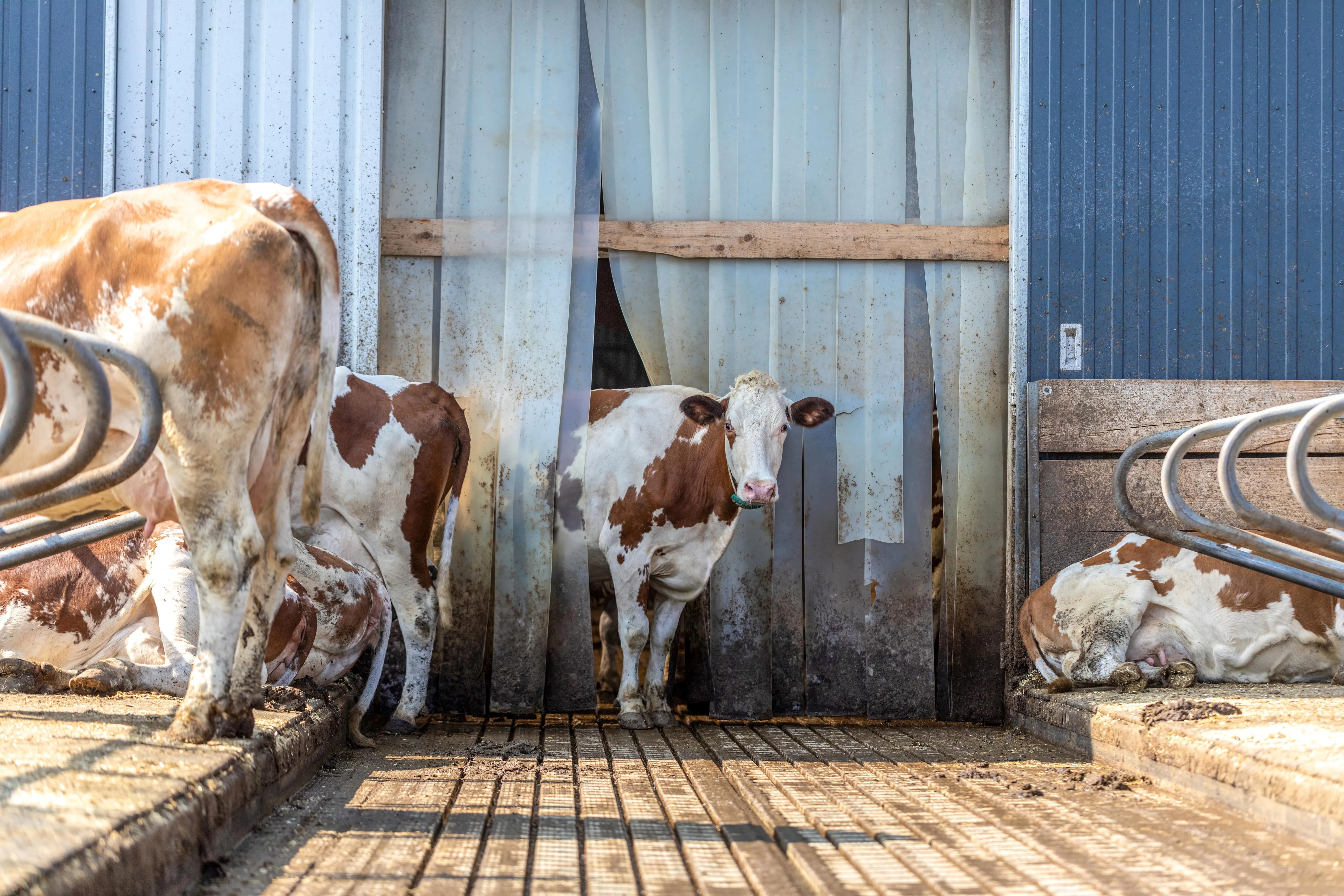
Good ventilation without draughts, dry bedding, enough feed and water space, and sensible stocking density will do a huge amount for health and performance.

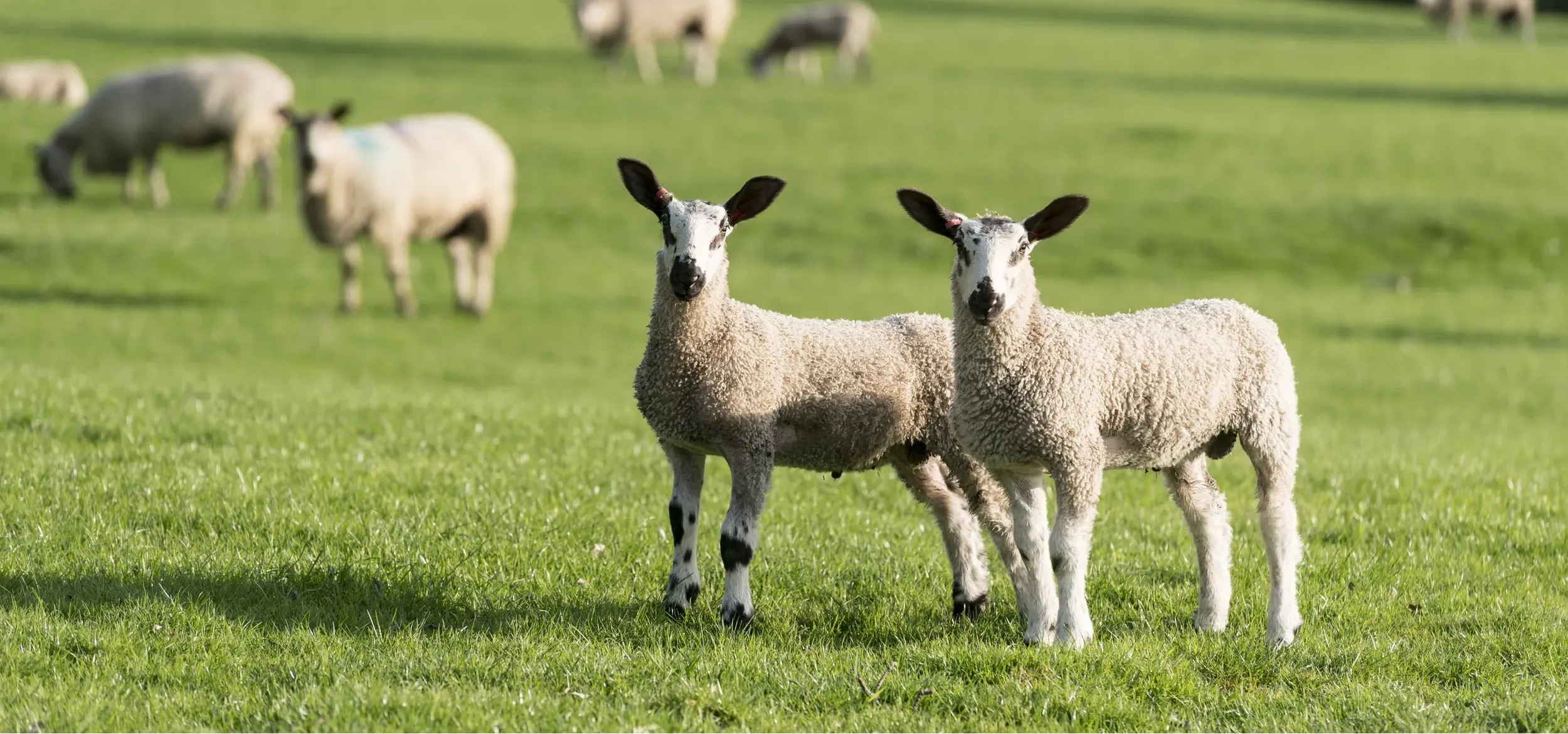
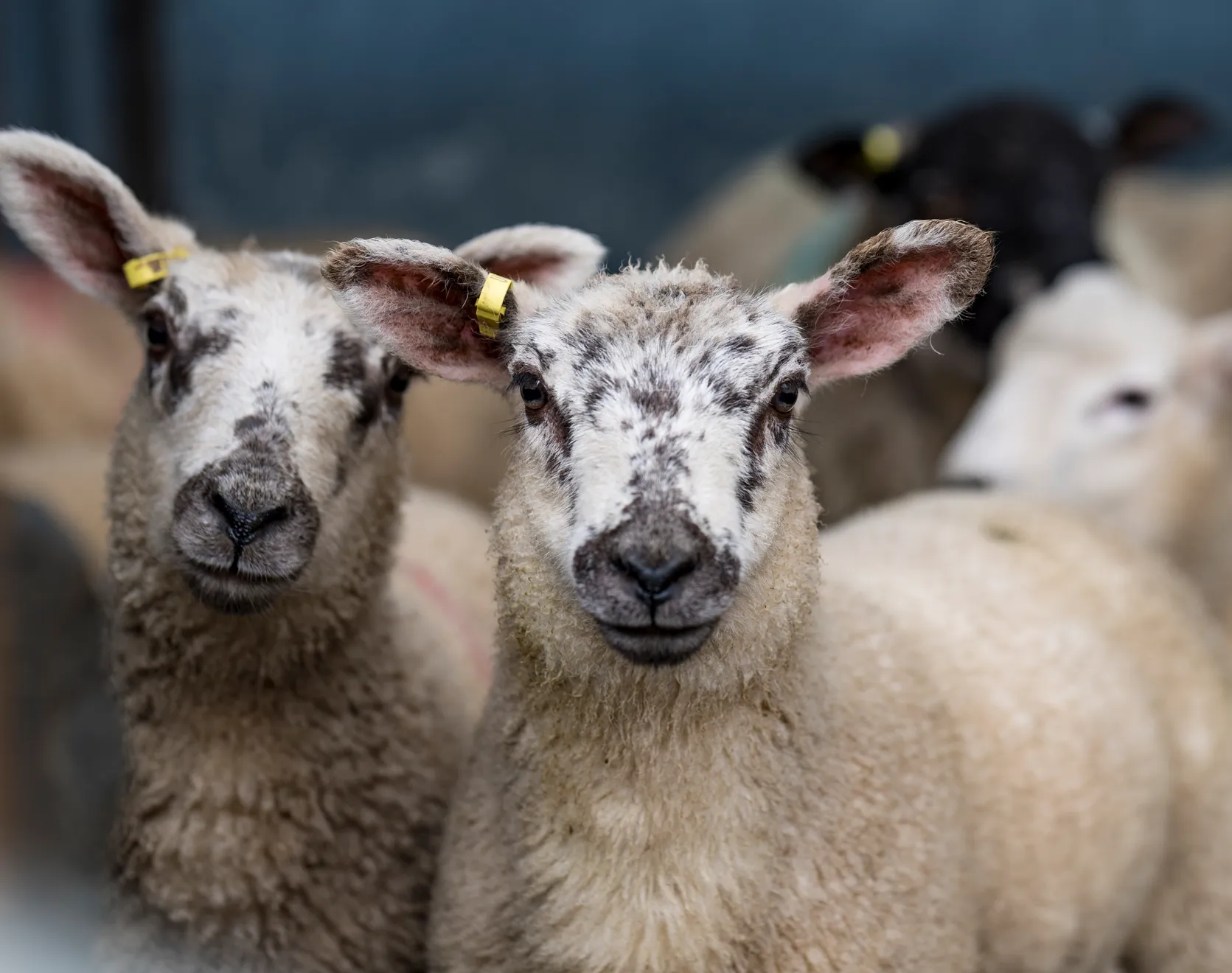
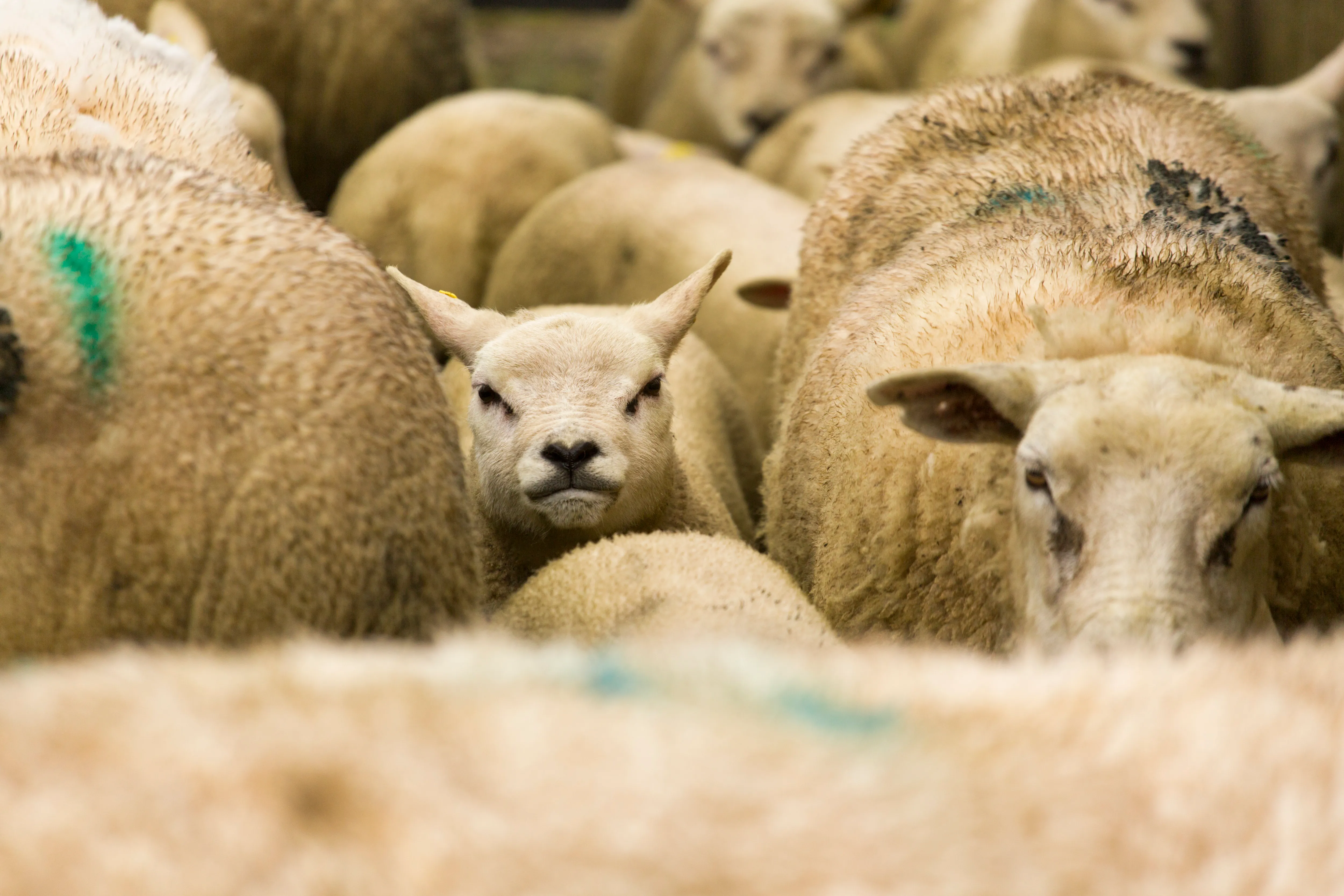
Emma's Advice for Sheep Farmers:
1. Start the tupping plan early.
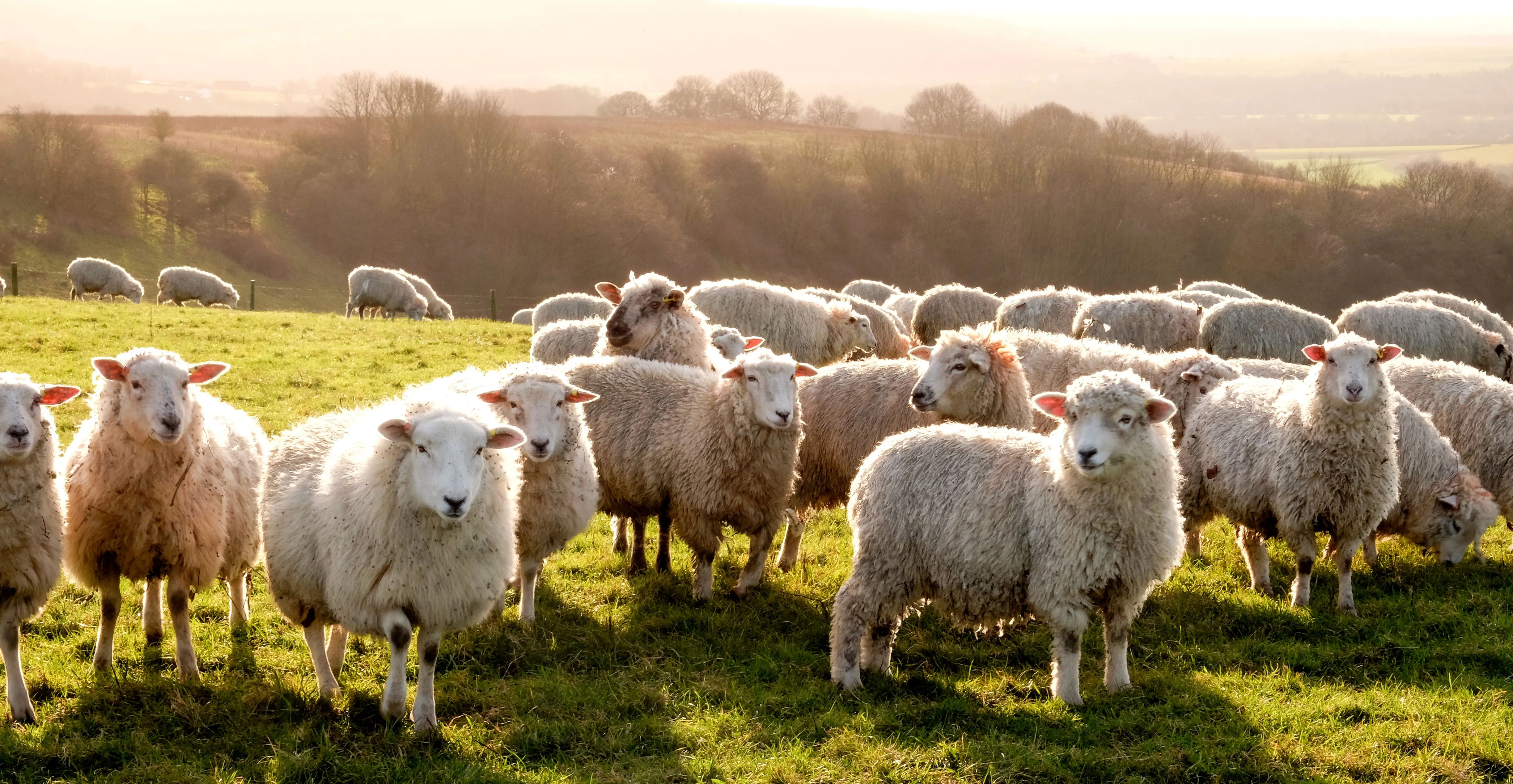
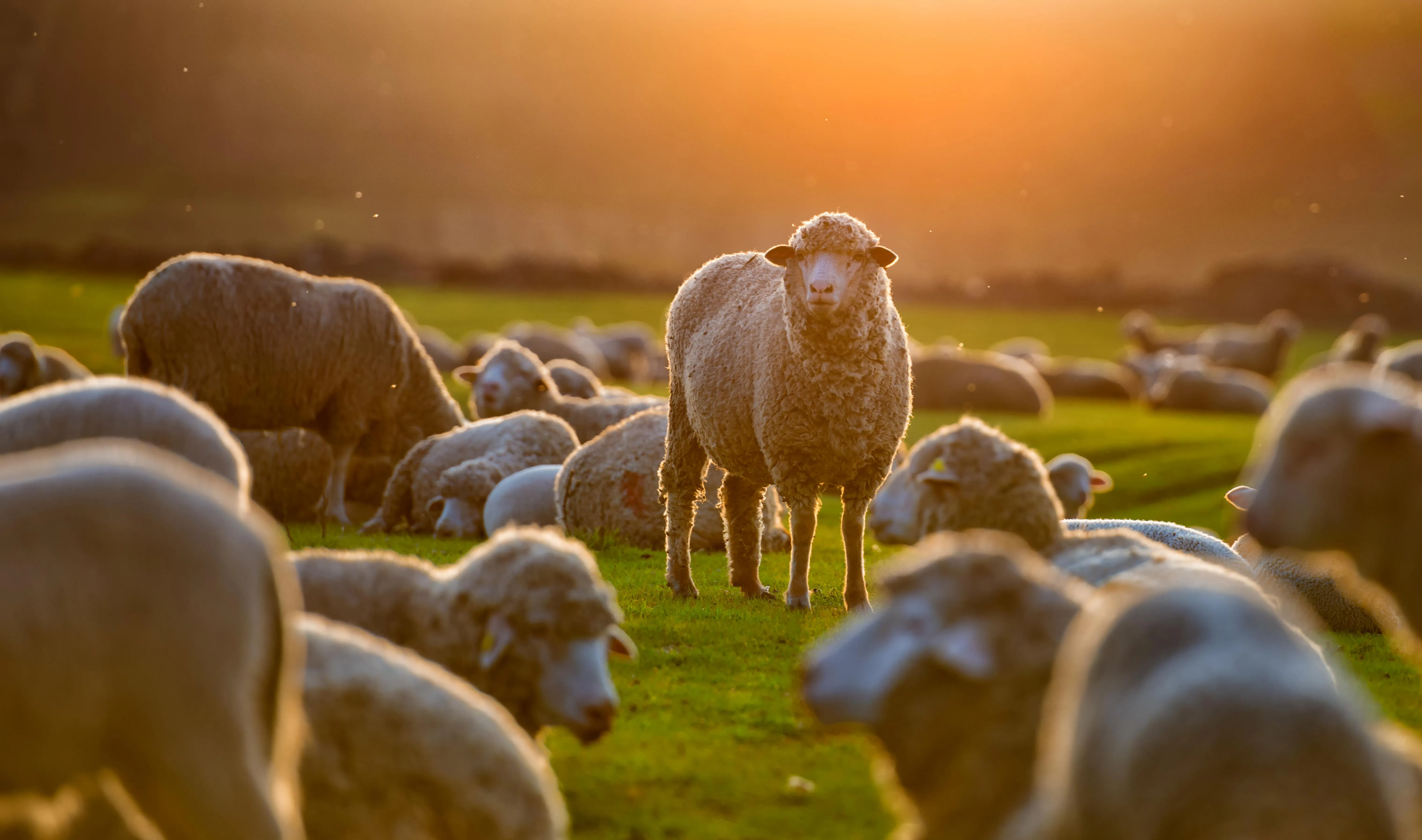
Aim to body-condition-score ewes well before the rams go in. Address lameness, mouths, udders, nutrition and parasite risk in good time. Lowland ewes should typically be BCS 3 to 3.5 to maximise ovulation rates and embryo survival.
2. Check itchy sheep.
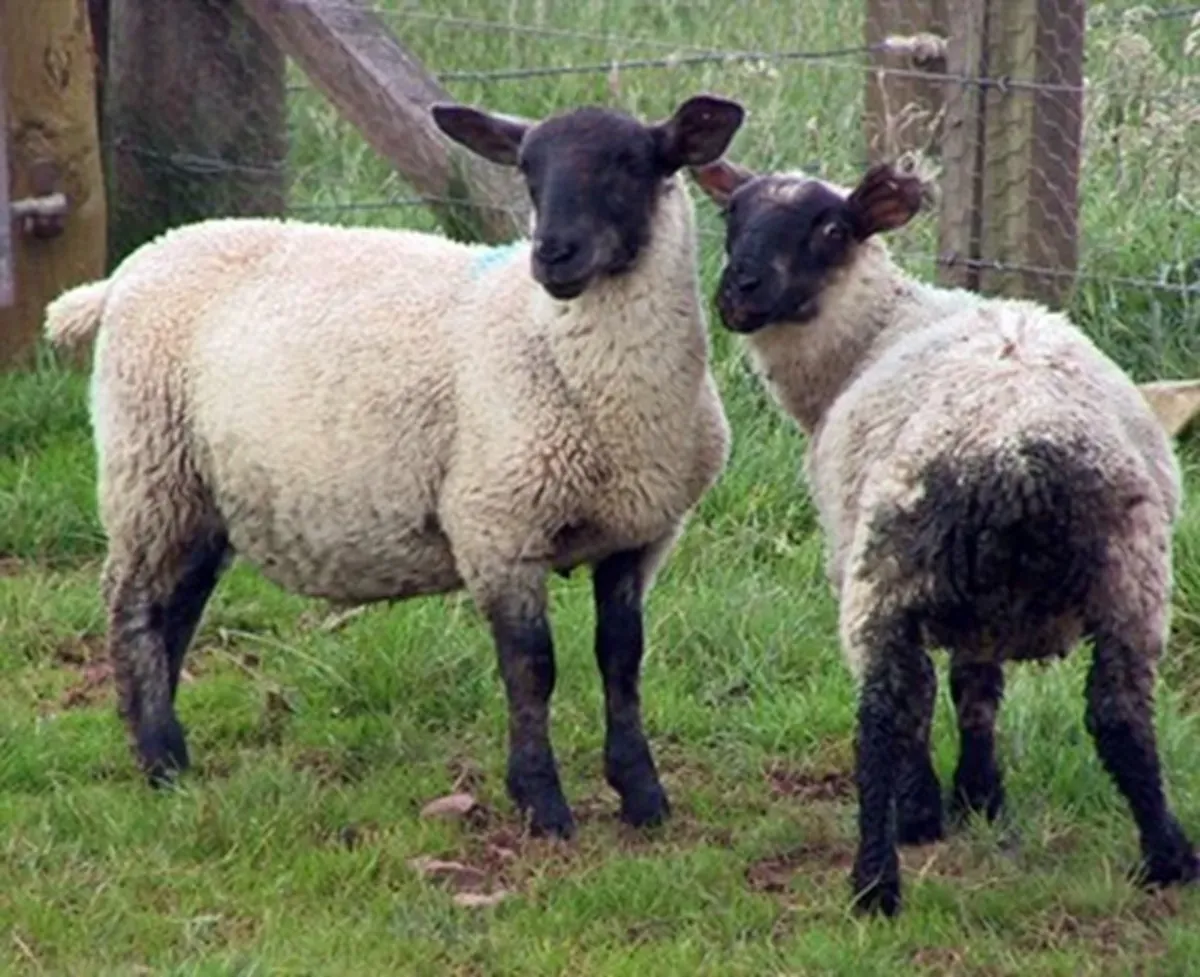
Scab and lice can look very similar in the early stages, but they need different management. Confirm the diagnosis with your vet, treat all relevant in-contact sheep where scab is confirmed, and think about neighbours, shared equipment, trailers and contaminated tags as possible sources of reinfestation. Sheep scab mites can survive away from the sheep for more than two weeks, so treatment and movement plans need to work together.
3. Be especially alert for fluke in sheep this autumn.
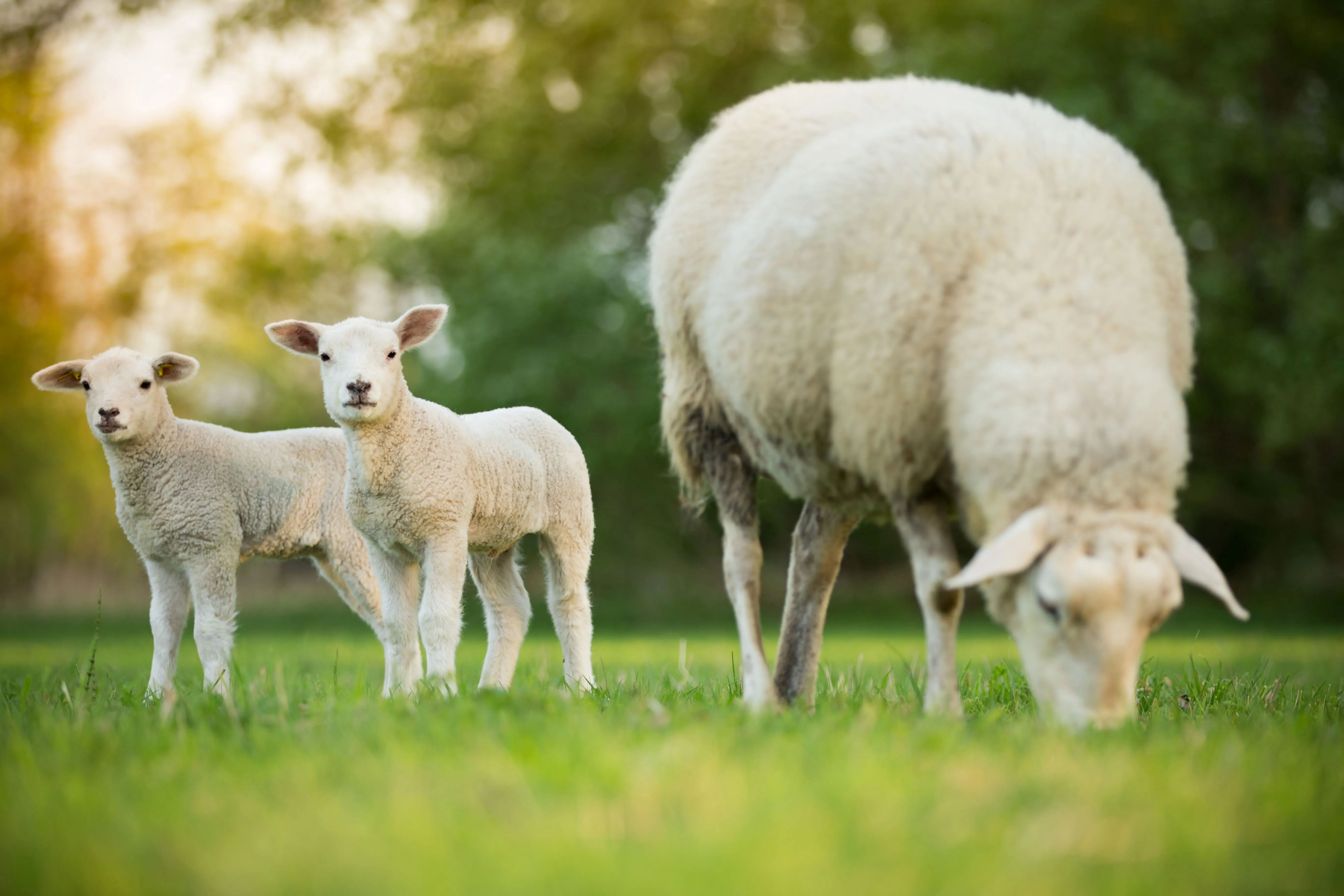
Sheep are much more vulnerable than cattle to severe acute fluke disease. Pale gums, weakness, sudden deaths, abdominal discomfort, weight loss or bottle jaw all need prompt veterinary attention, particularly where sheep have grazed wet or high-risk ground.
Know your herd. Know the risks. Know the signs. Always speak to your vet.
To keep-up-to date with Emma's advice throughout the year, click here.
Originally from Devon, in the UK, Emma Holmes is a farm vet who qualified from Edinburgh Vet School in 2001. Alongside her practice work, Emma is a veterinary adviser for NADIS, the National Animal Disease Information Service and a trained TB Advisory Service (TBAS) adviser who works closely with farmers to help reduce the risk and incidence of bovine TB within their herds. In addition, she is a GDP supervisor, supporting and mentoring newly qualified vets as they develop their skills in practice. Outside work, Emma and her partner, Dave, run a pedigree South Devon beef suckler and sheep farm in Cornwall.
In this blog, Emma explains that now is a good time to look back at the grazing season, check what each group actually needs and make a plan before winter takes hold.
Emma's Advice for Cattle Farmers:
1. Do not treat the calendar, treat the risk.
Two farms a few miles apart can have completely different fluke pressure. Walk the wet fields, look at the grazing history, check abattoir feedback and use diagnostics where they are helpful.
2. Weigh cattle before you dose.
Guessing weights is one of the easiest ways to under-dose animals. Calibrate the gun, weigh a representative group, dose to the heaviest animal and use the product exactly as the label directs. It is a small job that helps protect the effectiveness of the medicines we rely on.
3. Watch the first-season grazers closely.
They are the group most likely to have paid the price for worms over the summer. If growth has slipped, calves are scouring or coughing, or the group simply is not thriving, investigate rather than assuming feed is the only issue.
4. Make housing comfortable, not just clean.
Good ventilation without draughts, dry bedding, enough feed and water space, and sensible stocking density will do a huge amount for health and performance.
Emma's Advice for Sheep Farmers:
1. Start the tupping plan early.
Aim to body-condition-score ewes well before the rams go in. Address lameness, mouths, udders, nutrition and parasite risk in good time. Lowland ewes should typically be BCS 3 to 3.5 to maximise ovulation rates and embryo survival.
2. Check itchy sheep.
Scab and lice can look very similar in the early stages, but they need different management. Confirm the diagnosis with your vet, treat all relevant in-contact sheep where scab is confirmed, and think about neighbours, shared equipment, trailers and contaminated tags as possible sources of reinfestation. Sheep scab mites can survive away from the sheep for more than two weeks, so treatment and movement plans need to work together.
3. Be especially alert for fluke in sheep this autumn.
Sheep are much more vulnerable than cattle to severe acute fluke disease. Pale gums, weakness, sudden deaths, abdominal discomfort, weight loss or bottle jaw all need prompt veterinary attention, particularly where sheep have grazed wet or high-risk ground.
Know your herd. Know the risks. Know the signs. Always speak to your vet.
To keep-up-to date with Emma's advice throughout the year, click here.


Newsletter
Products


.webp)
Videos

Blog








.webp)
.webp)
.webp)
.webp)
.webp)
.webp)
.webp)
.webp)
.webp)

.webp)

.webp)



.webp)
.webp)


.jpeg)





.webp)

%2520-%2520What%2520is%2520coccidiosis_%25200-27%2520screenshot.webp)



.webp)





.webp)


CPD for SQPs & Vets
Sharpen your knowledge

DOsing Best Practices
Get the dose right every time