From the Field: Episode 3: Lungworm in cattle: Know the risks. Spot the signs. Understand treatment.
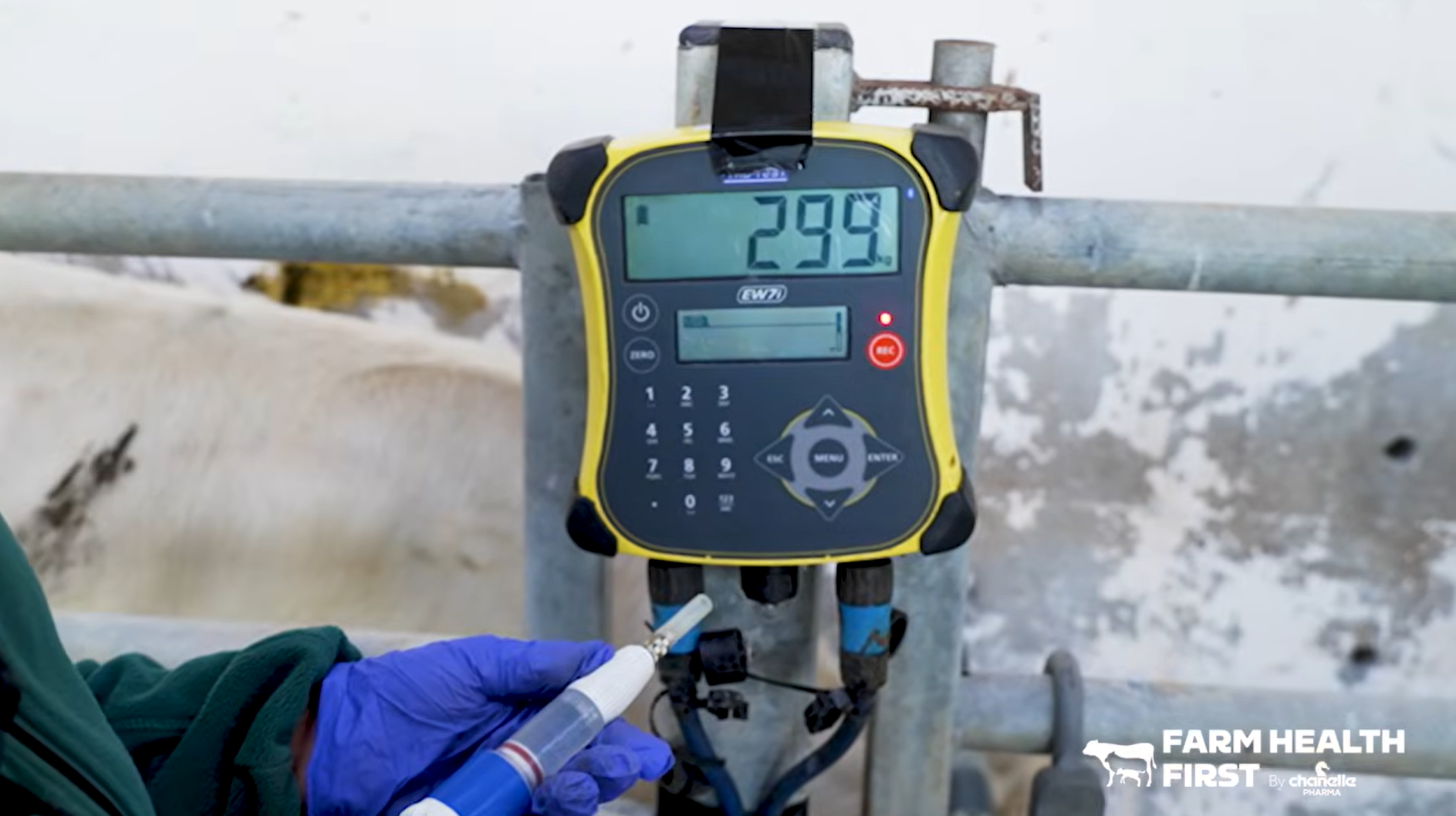
When it comes to your herd’s parasite control, how much areyou leaving to guesswork? From estimating cattle weights to using faultyequipment, cutting corners this housing period could cost you more than yourcattle’s health now and in the future.
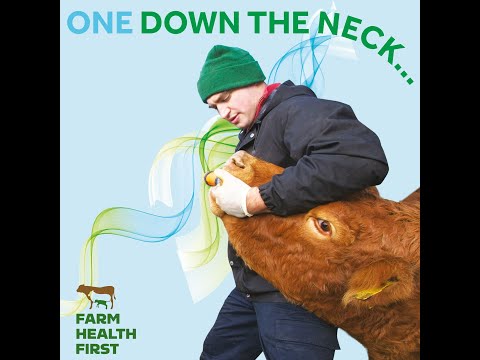
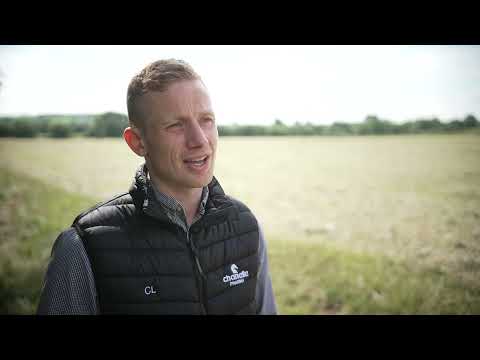
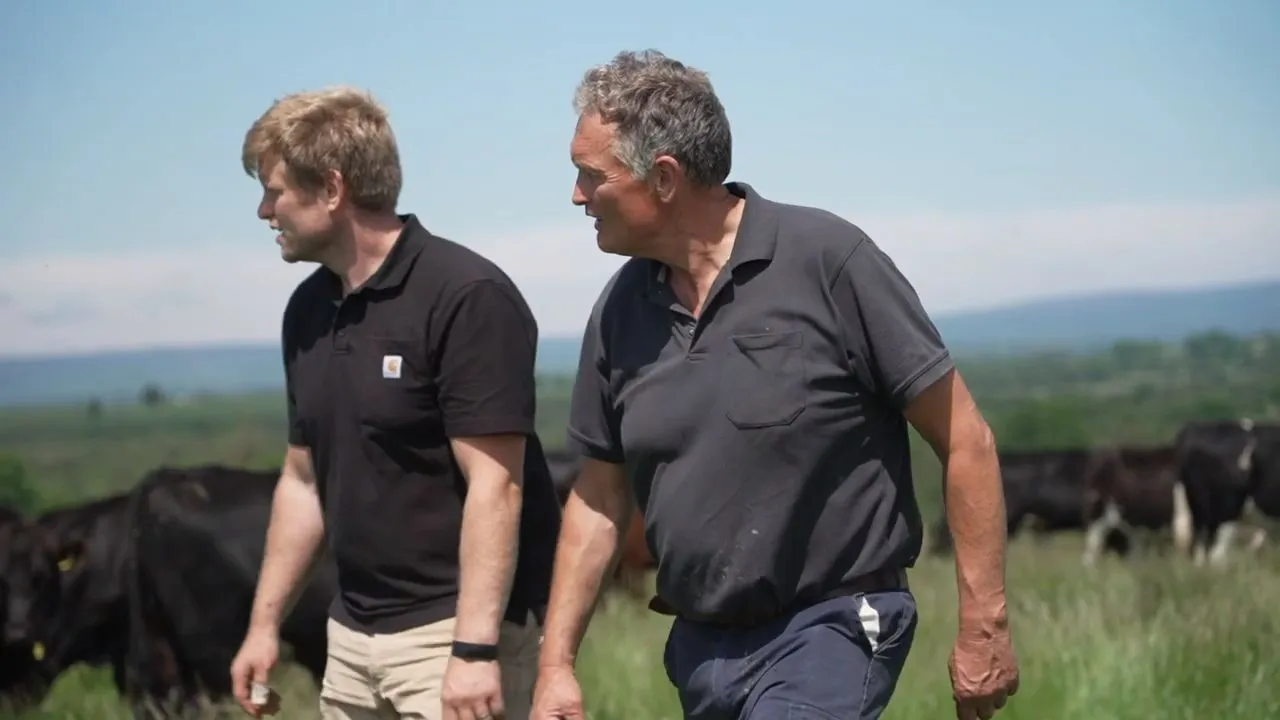
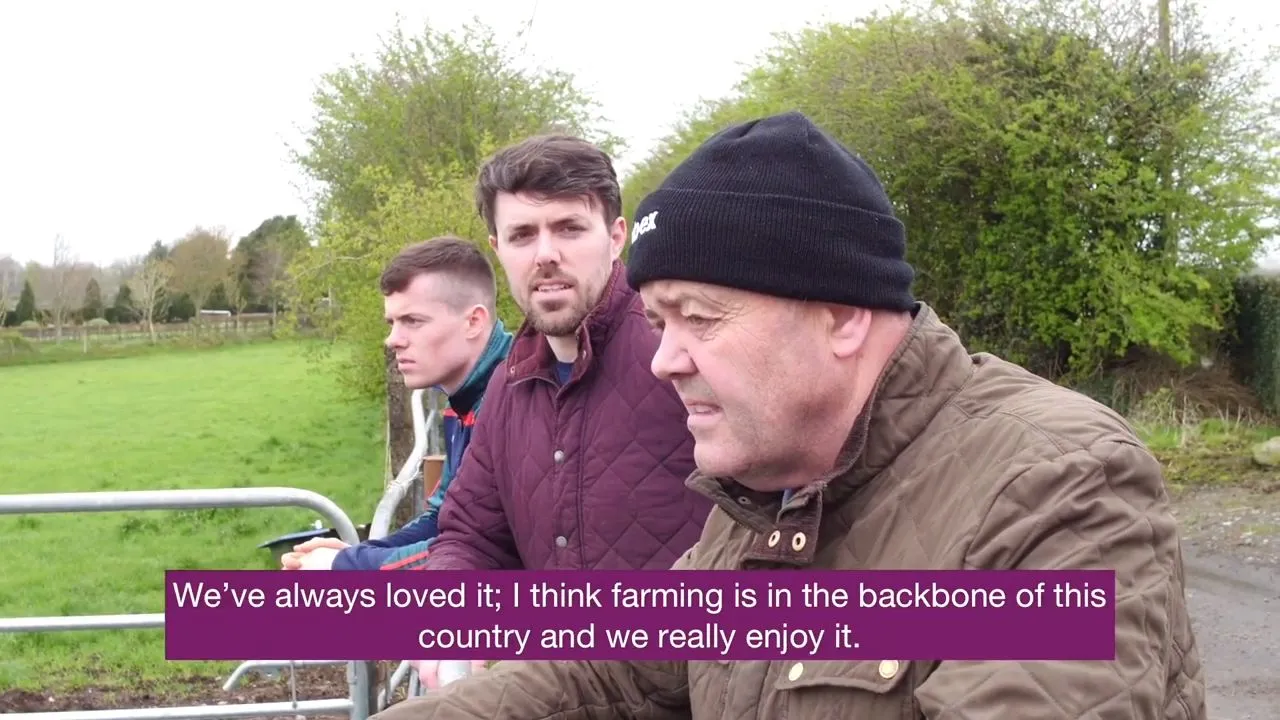
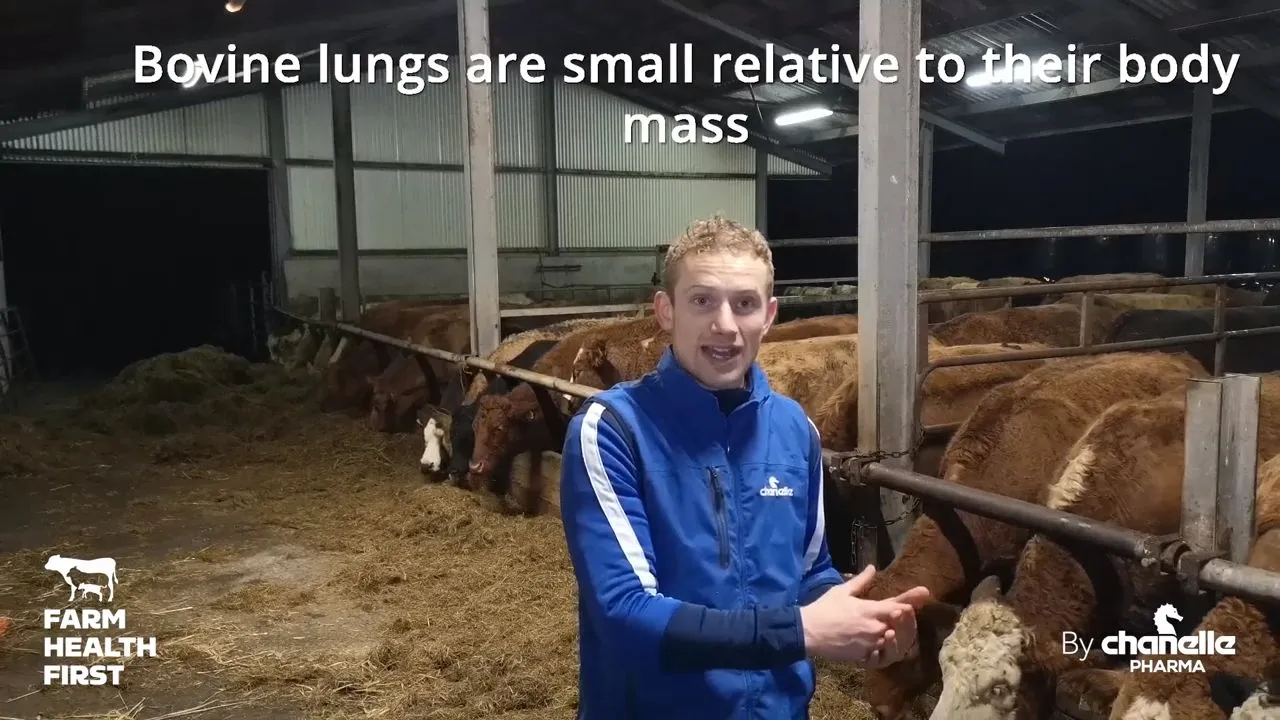
In this episode of Chanelle Pharma’s ‘From the Field 'series, Longford vet Donagh Mc Donnell, Longford beef farmer Shane Leavy, and UCD parasitologist Darren McDonald discuss why your cattle are coughing and howmaking informed decisions and taking your vets advice can optimise yourparasite control plan.
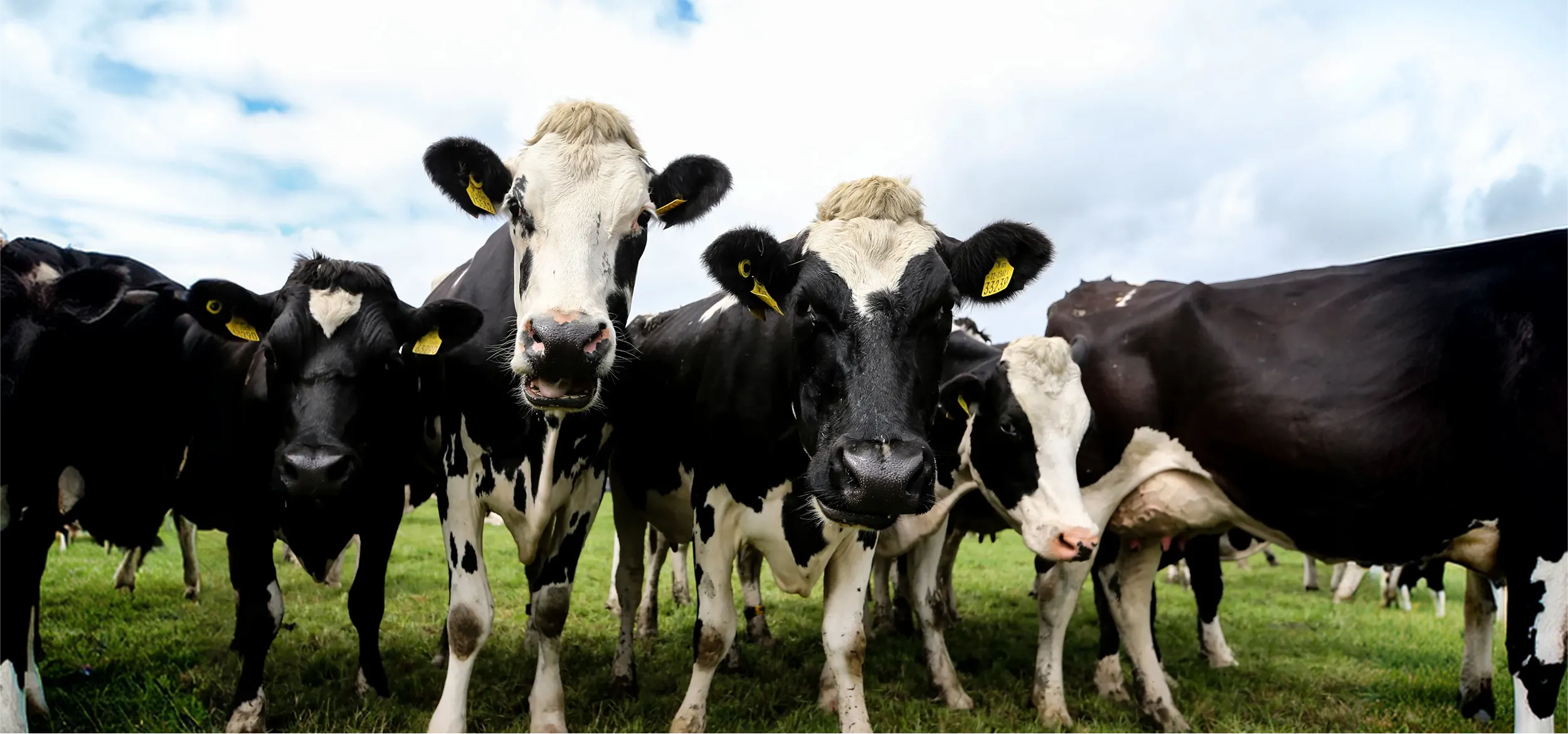
How much are coughing cattle costing you?
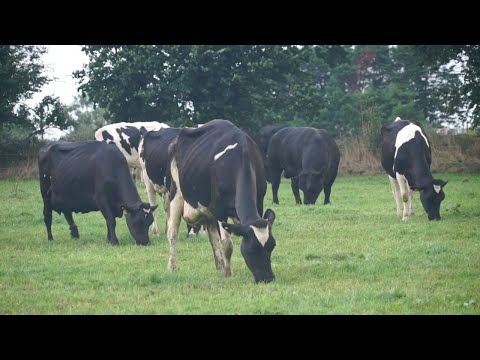
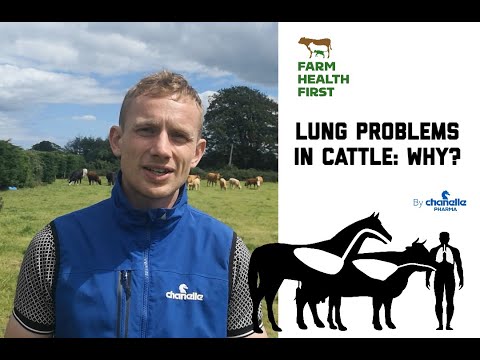
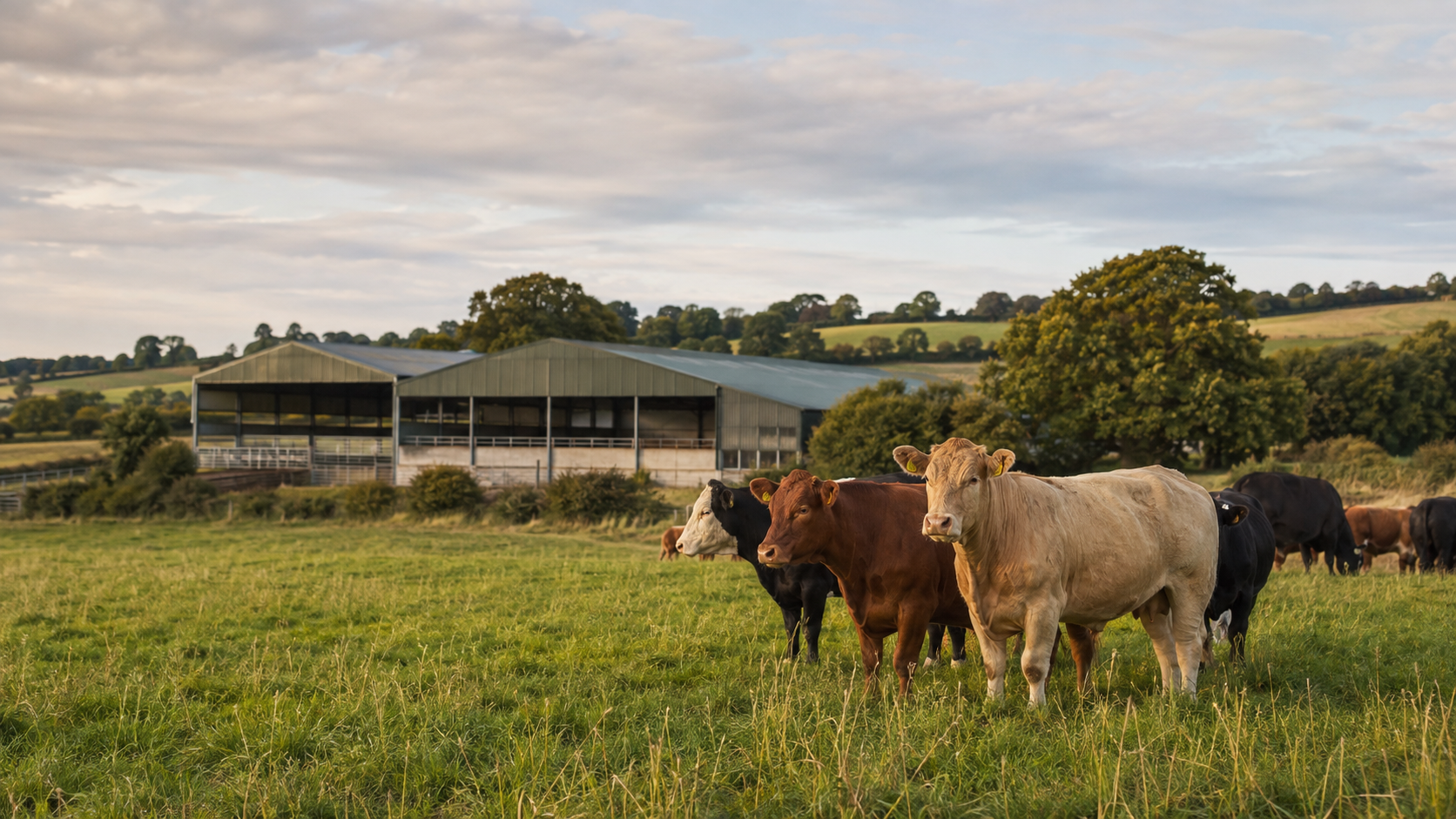
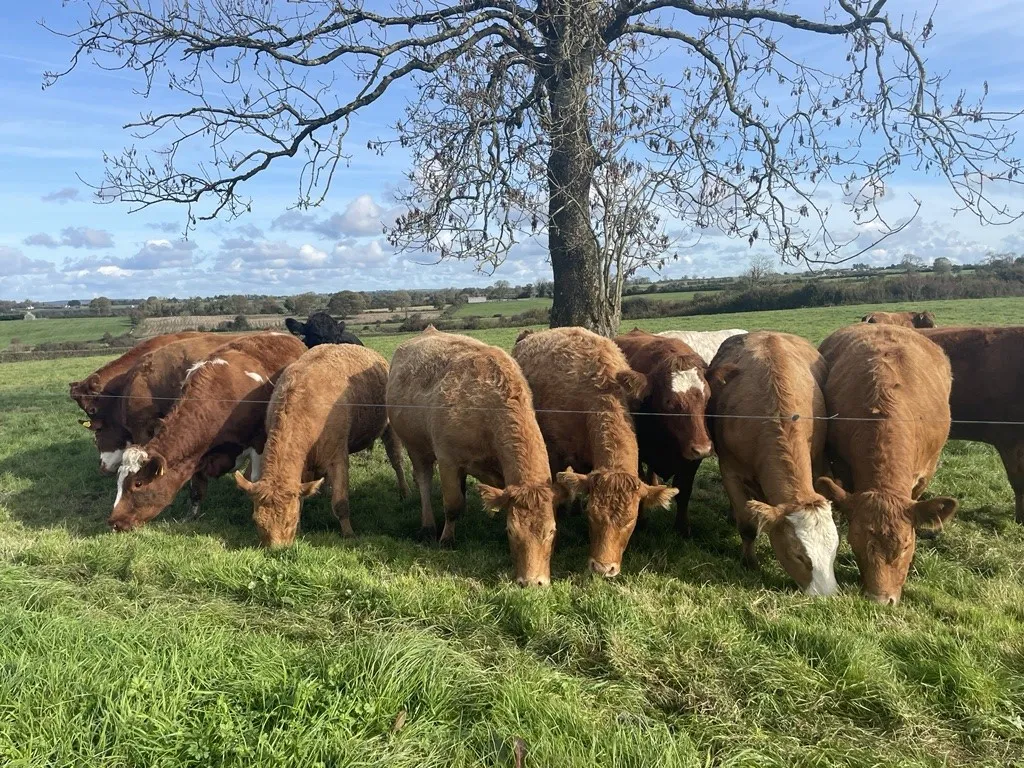
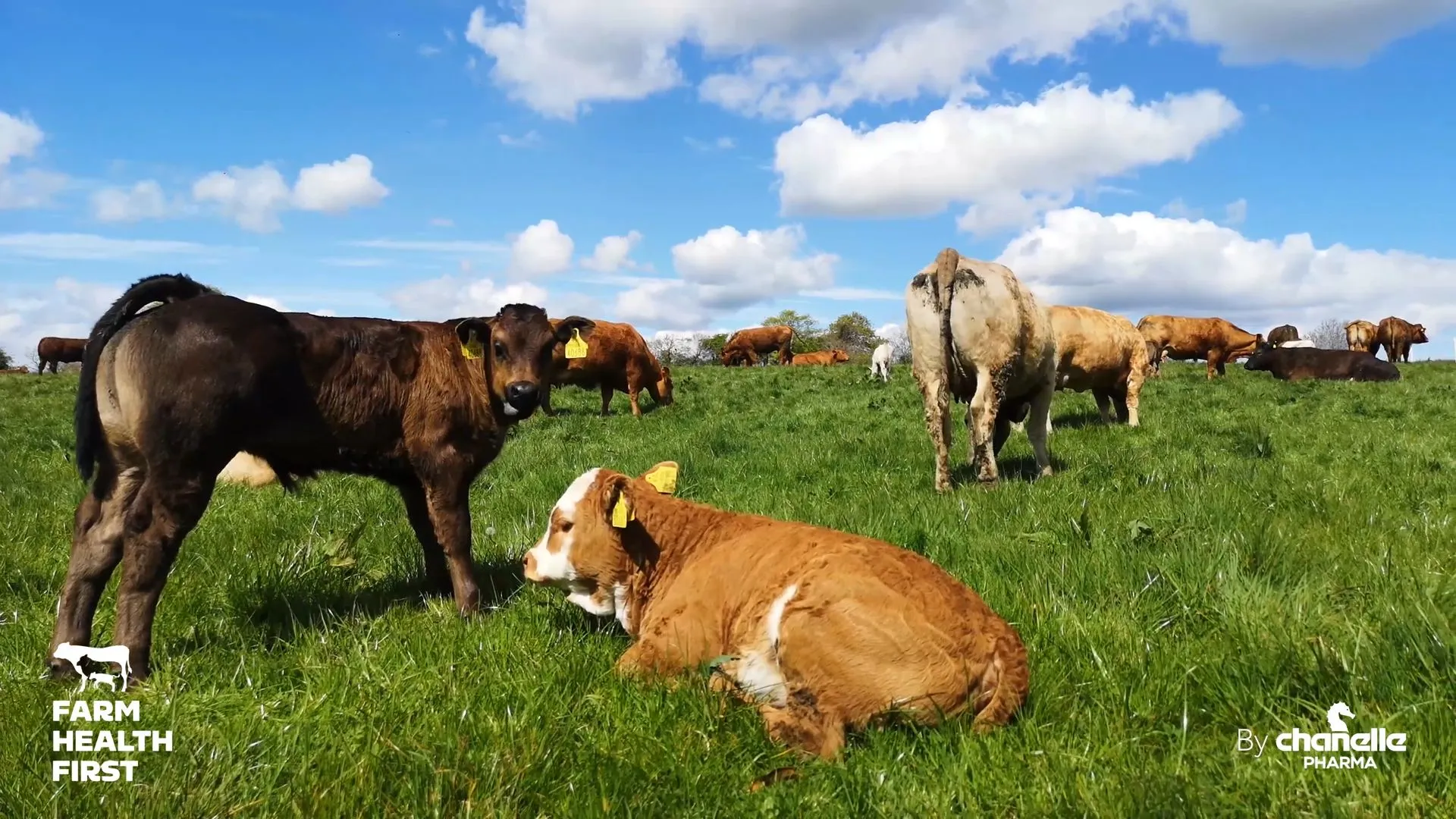
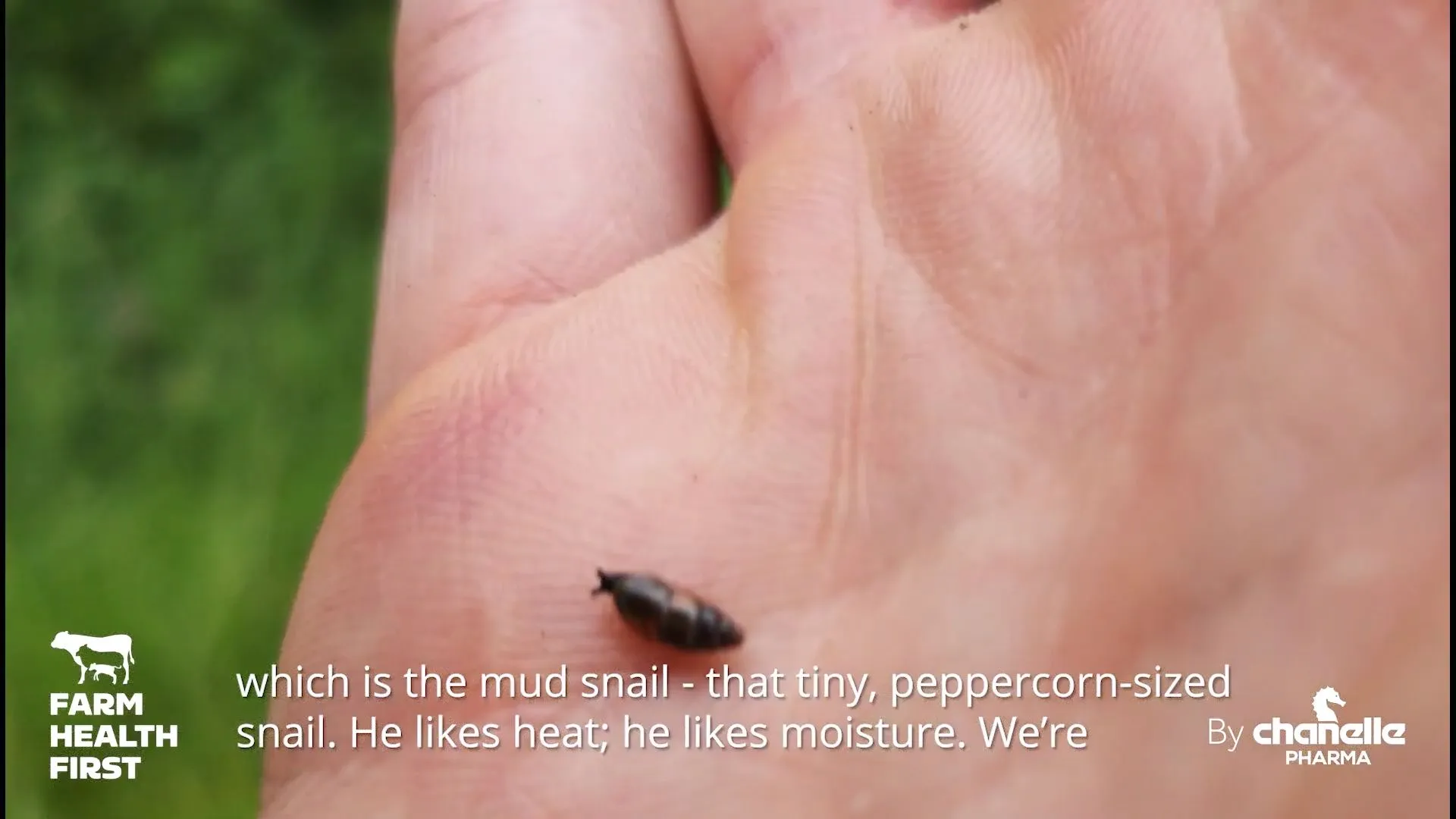
Lungworm (Dictyocaulus viviparus), oftencalled husk or hoose, is a major cause of respiratory disease in grazing cattleacross Ireland.
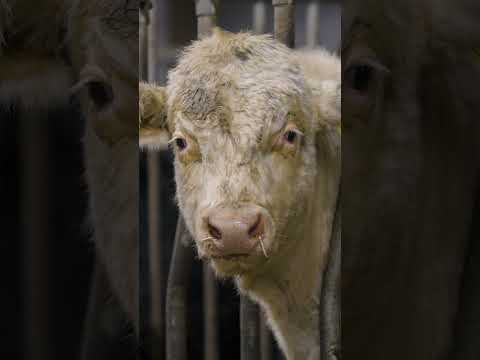
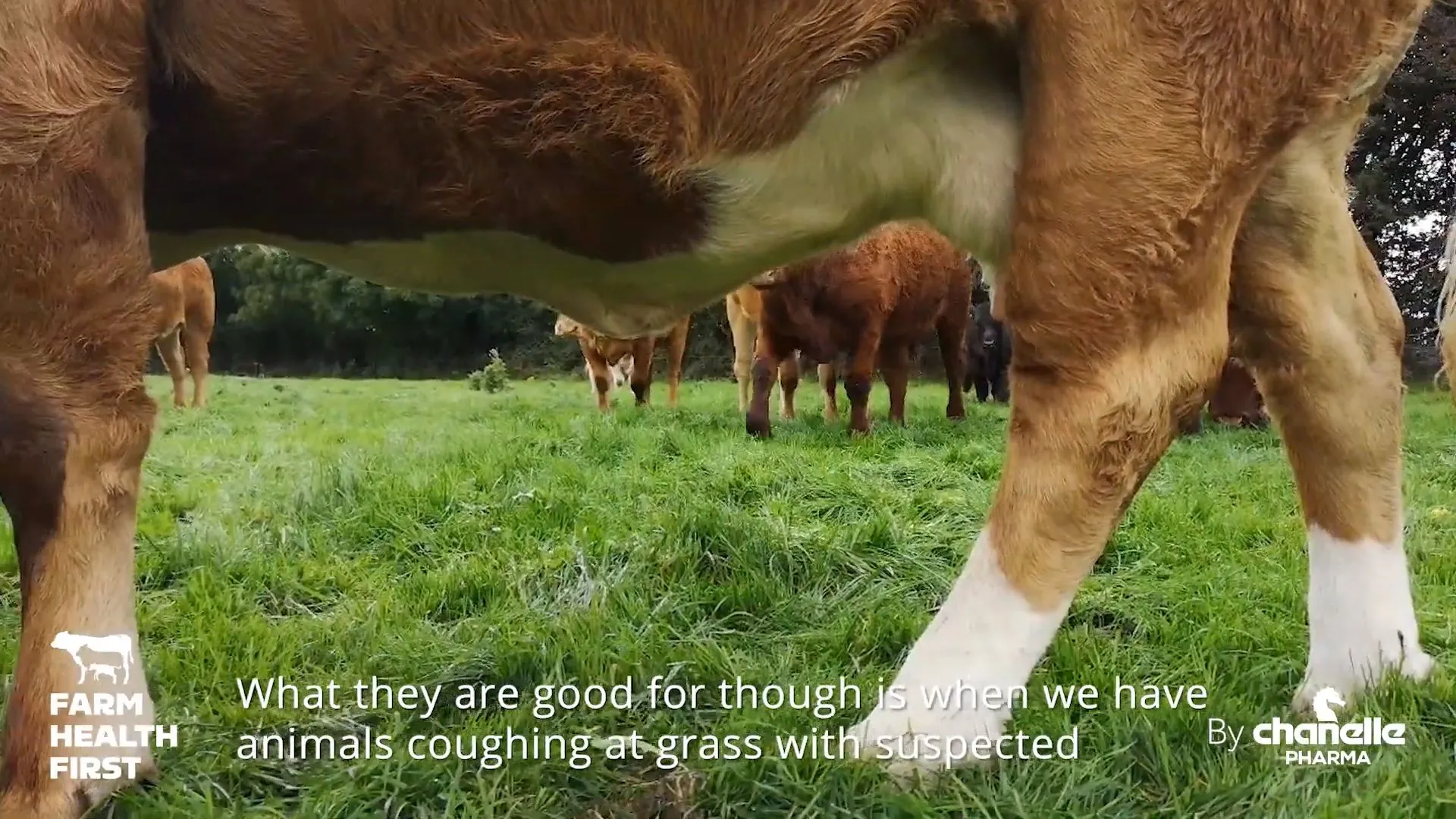
“If you suspect that your cattle have lungworm, if they areshowing signs of coughing at pasture, this can unfortunately lead to pneumoniain cattle,” warns Donagh.
Infection can lead to rapid performance losses,respiratory distress and, in severe cases, death, particularly inyoungstock.
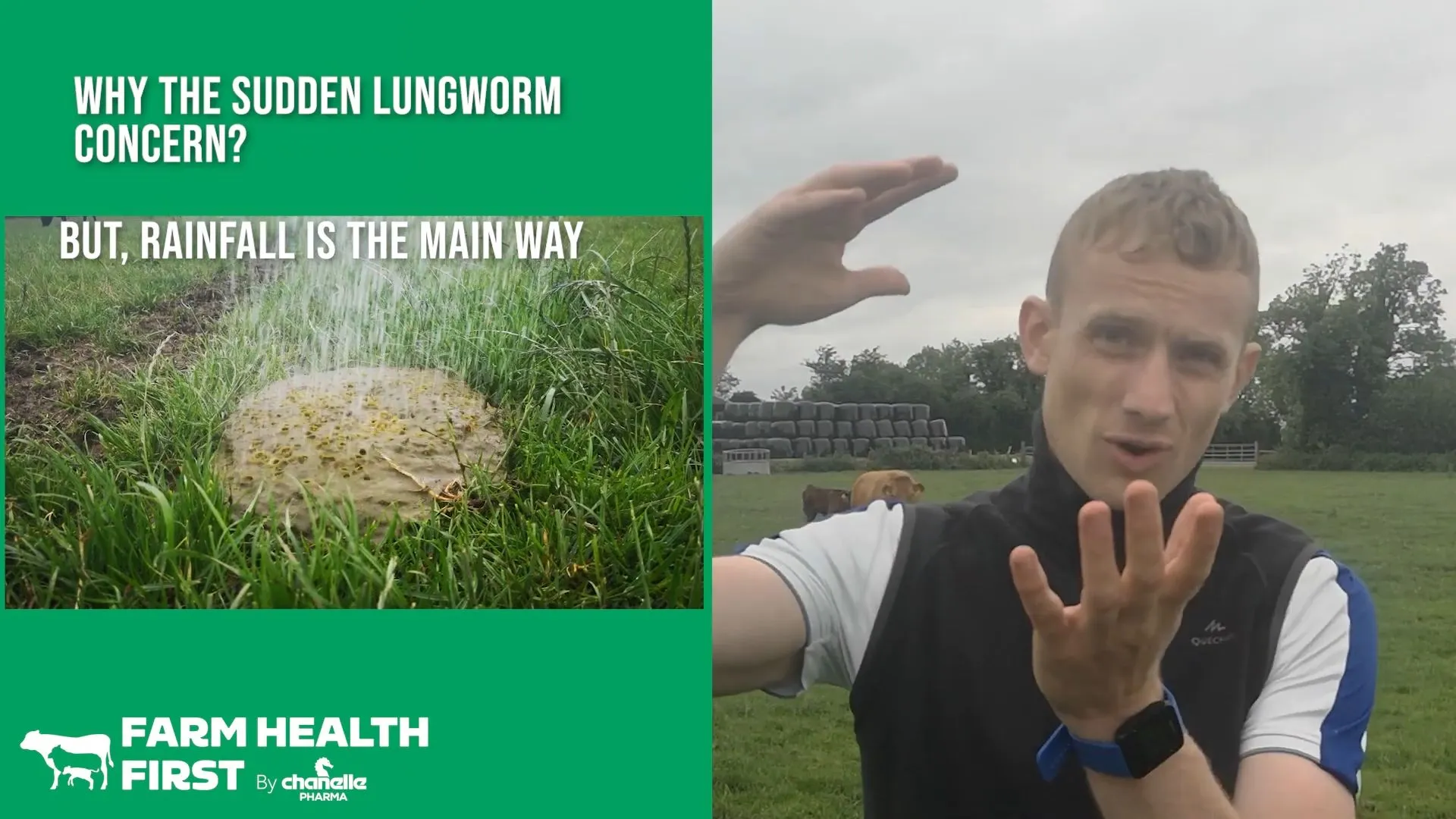
Outbreaks typically occur later in the grazing season but can be highly unpredictable. Risk increases during warm, wet conditions, wheninfective larvae can spread rapidly from dung onto pasture.
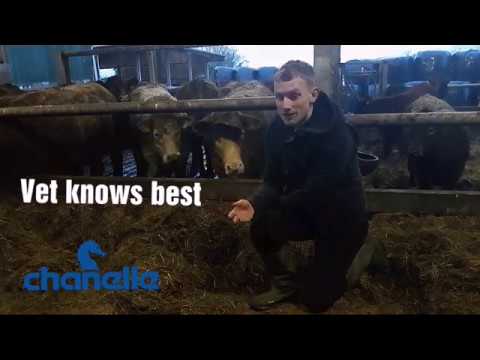
Always take your vet’s advice
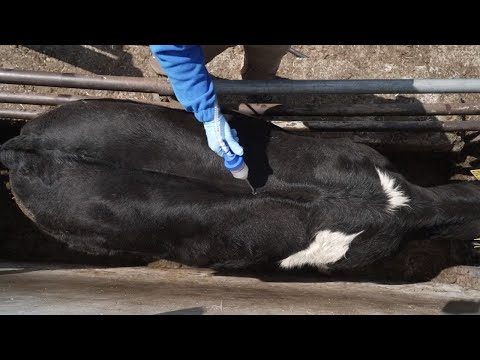
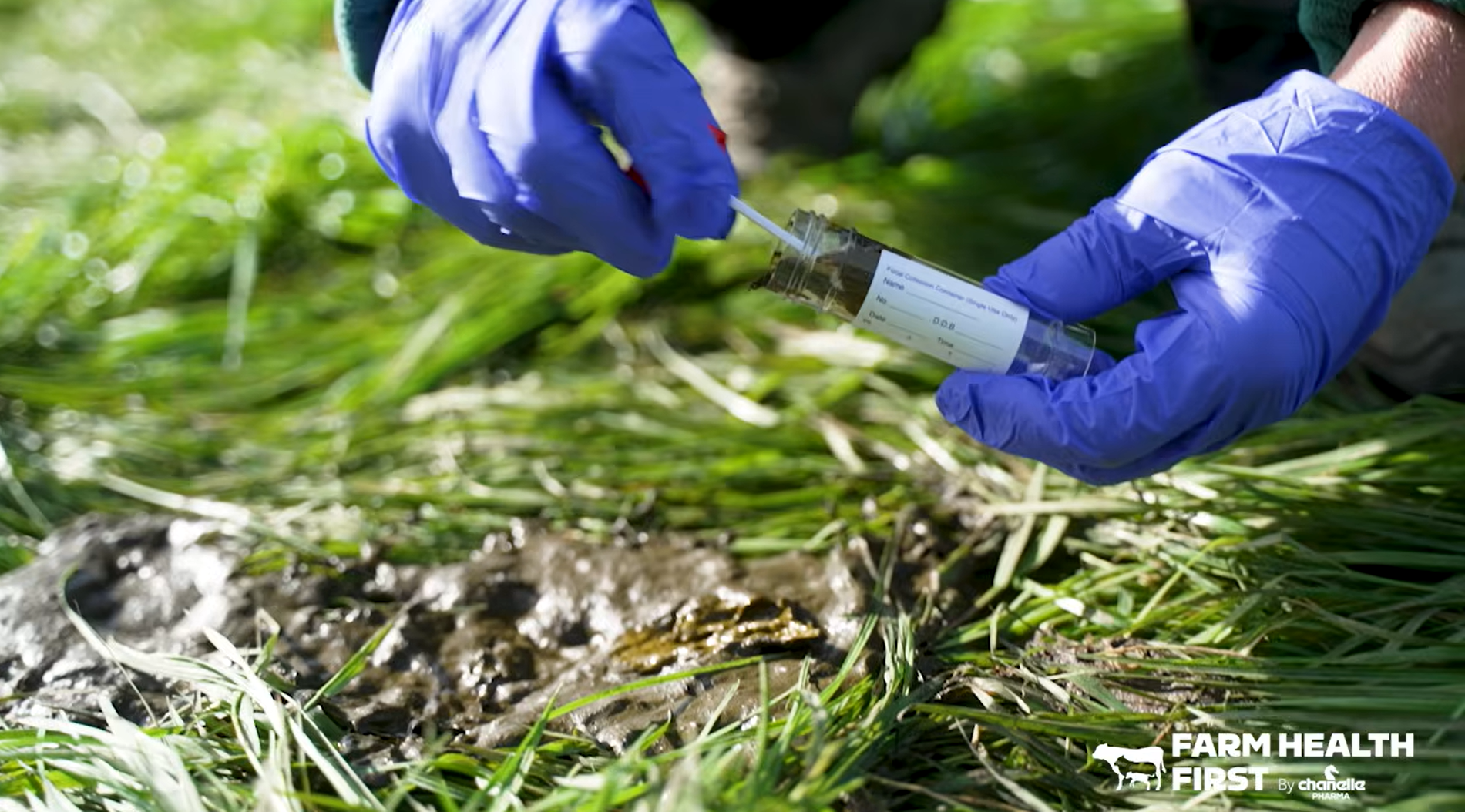
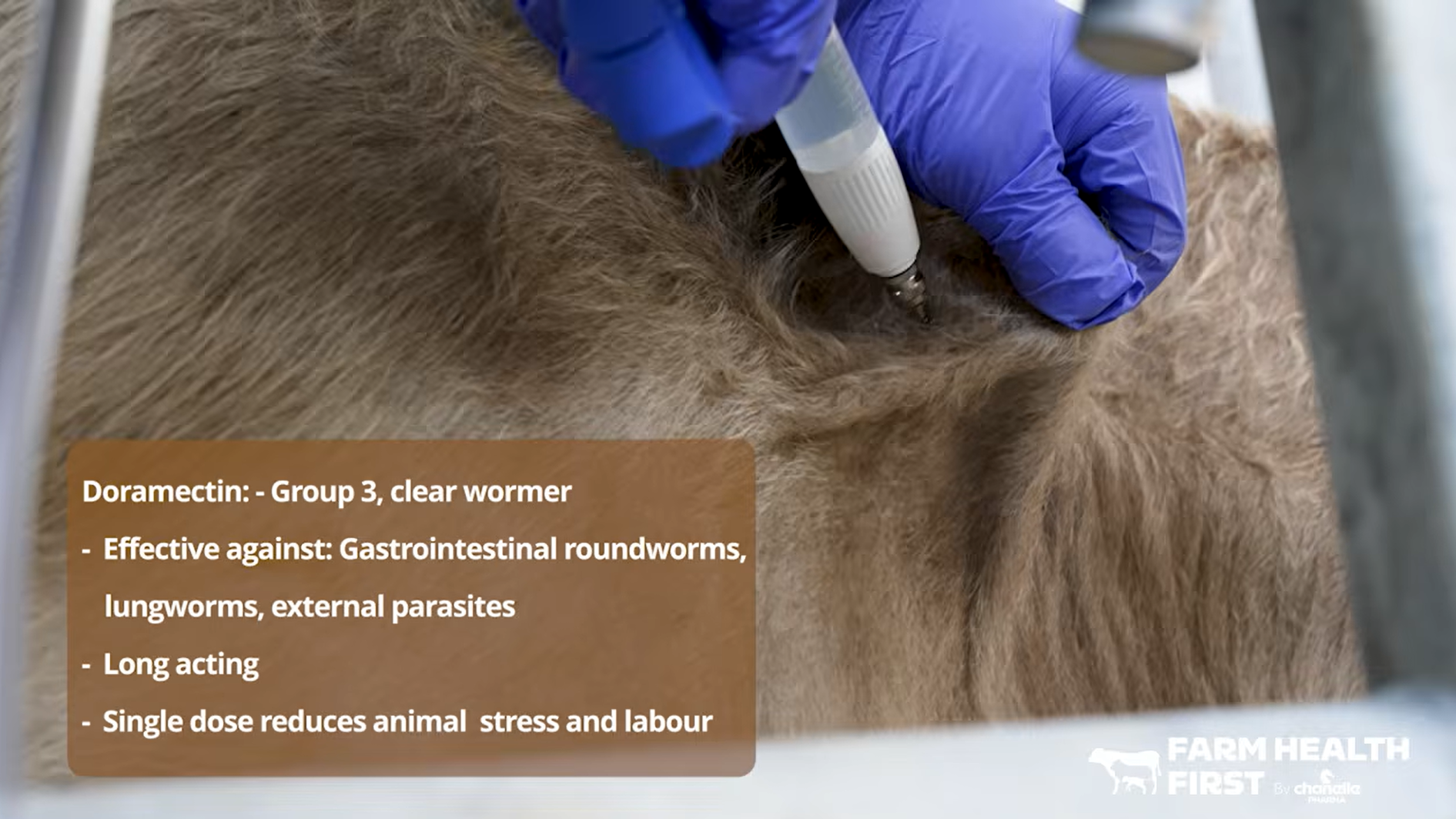
Reaching for last year’s wormer is no longer the norm. Vetsand farmers must work together to reduce anthelmintic resistance risks. By takingvet’s advice and target treating, farmers play a vital role in combatinganthelmintic resistance.
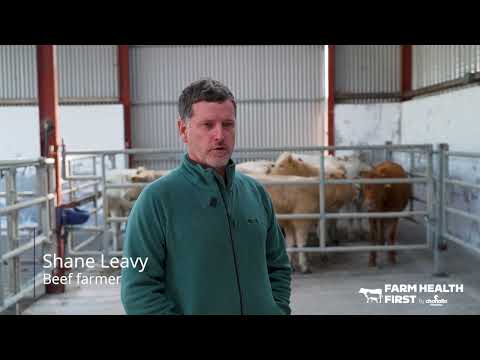
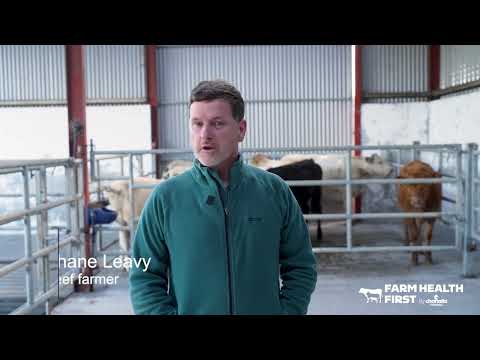
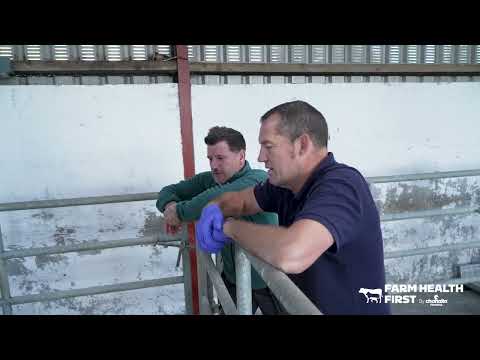
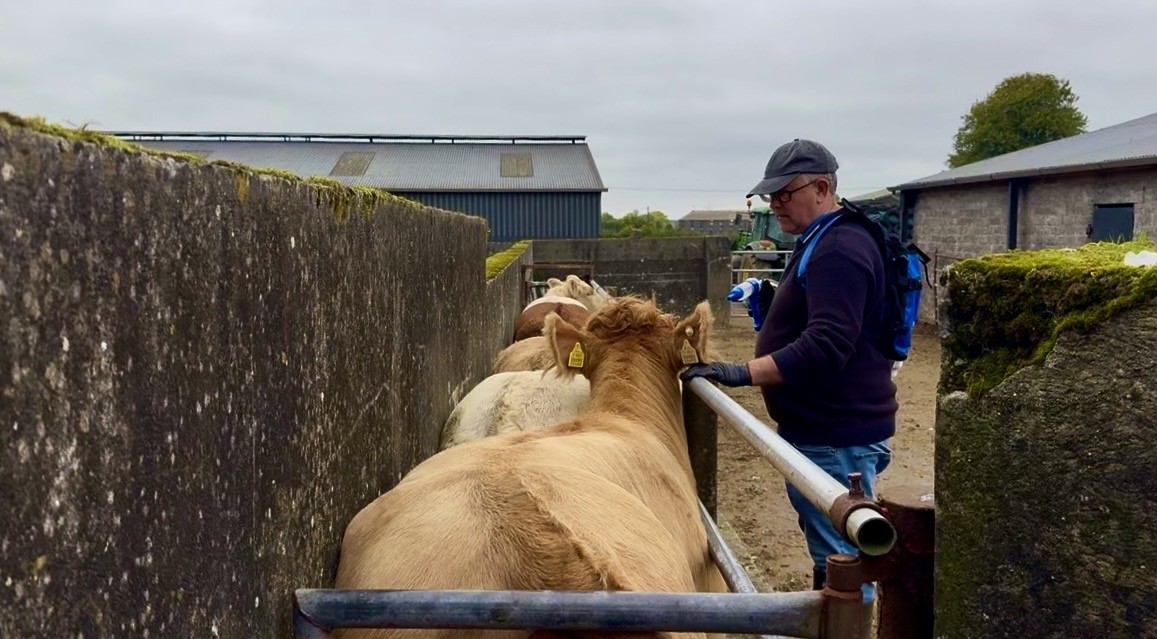
When noticing cattle coughing, Shane states how important itis to speak with your vet before acting.
Reduce the risk, catch the signs early
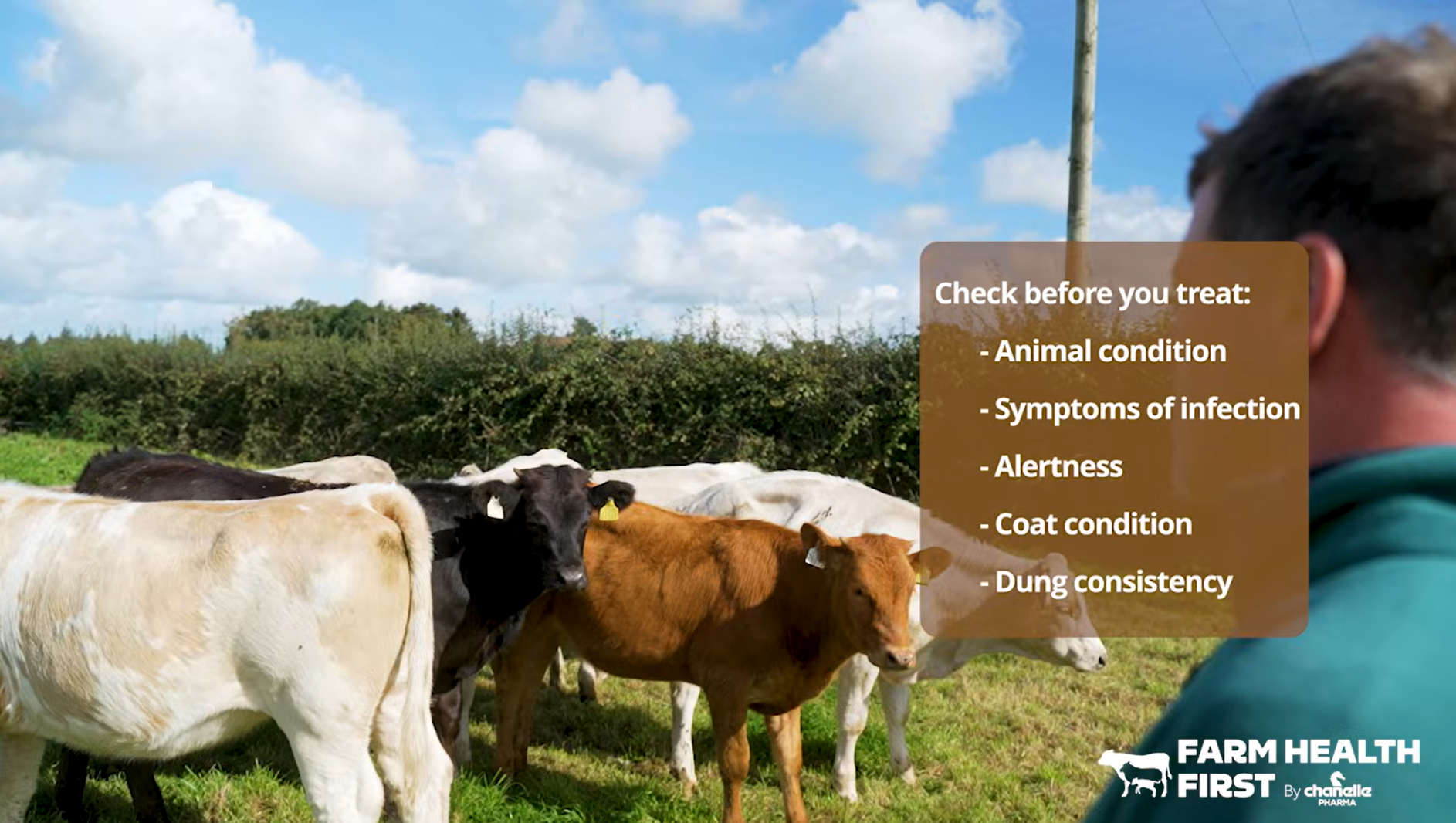
Monitoring your herd’s health and noticing symptoms ofparasitic infection early can save you time, money and labour.
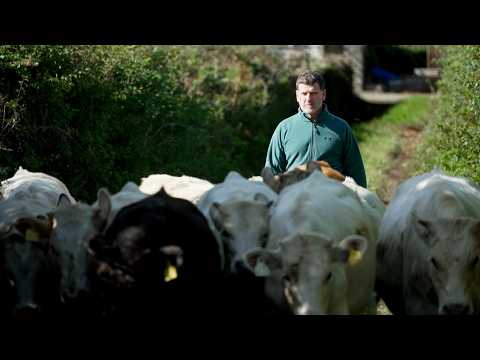
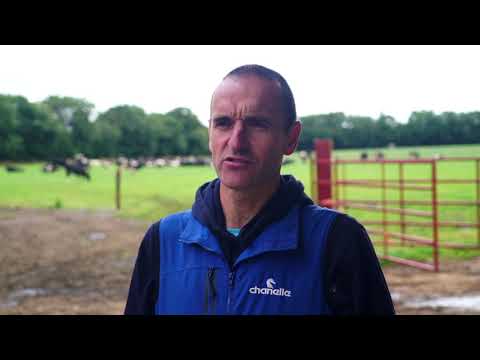
Shane discusses what he looks and listens out for whichmight warrant a discussion with Donagh around lungworm. Shane explains howfeeding time is the best time to monitor his herd’s health.
Cattle that “are slow to the trough or breathing heavily andobviously coughing” while displaying “signs of having low energy or beinglethargic”, trigger Shane to seek advice from Donagh.
Lungworm loves warm, wet, humid weather
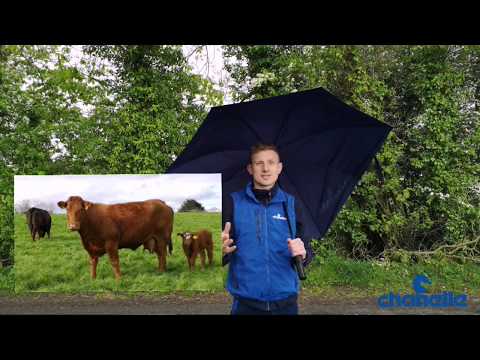
We may be fortunate to have an extended grazing season this yearbut are you optimising your grazing season? As we enjoy the mild autumnweather, it can be easy to forget that lungworms thrive in warm, wet, humidconditions.
Make sure to maximise your herd’s liveweight gains byimplementing a parasite control plan to minimise worm burdens and maintainperformance.
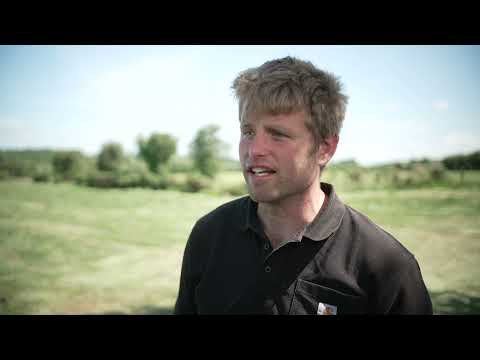
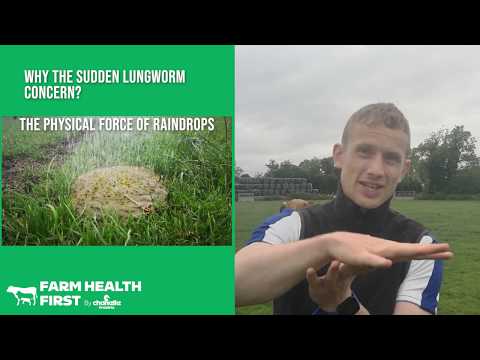
UCD parasitologist Darren warns, “when it’s wet and humid,this helps the lungworm travel along the grass blades.
“During the summer, we had a lovely dry spell, but cominginto autumn things are starting to get a bit more wet, and this is wherelungworm infections are going to appear.
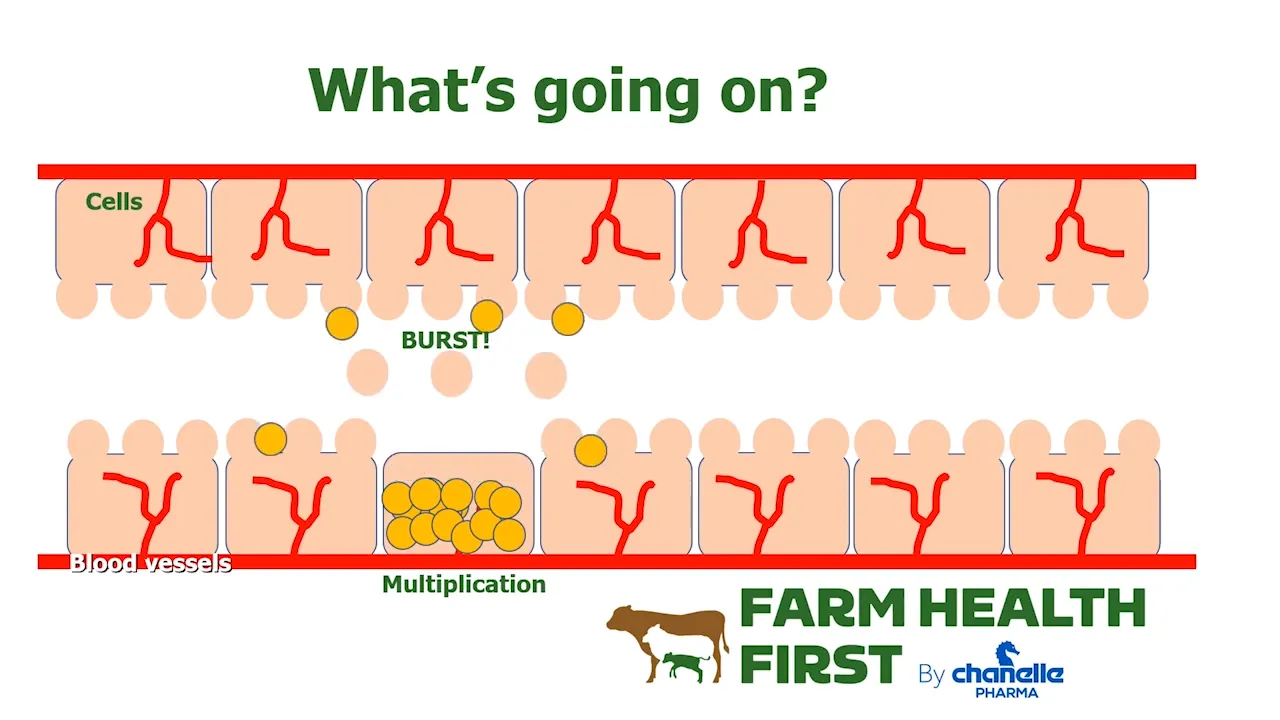
Darren continues: “When there’s increased moisture, thathelps the success rate of the lungworm lifecycle.
“Lungworm generally have really quick lifecycles of aboutfour weeks, so if you also have a very dense amount of animals on a pasture,that can help spread infection quicker.”
This extended grazing period will be crucial in cutting feedcosts this winter. Give your cattle a head start before housing - learn aboutlungworm, monitoring your herd’s health, know the symptoms, speak to your vet,and always follow your vet’s treatment advice.
To follow Farm Health First on Instagram, click here.
To follow Farm Health First on Facebook, click here.



Newsletter






















Blog








































CPD for SQPs & Vets
Sharpen your knowledge

DOsing Best Practices
Get the dose right every time