Farm Vet Emma's November update

It's quieter outside this month, but November is when you find out whether the autumn plan worked. Here's what I'd be watching.
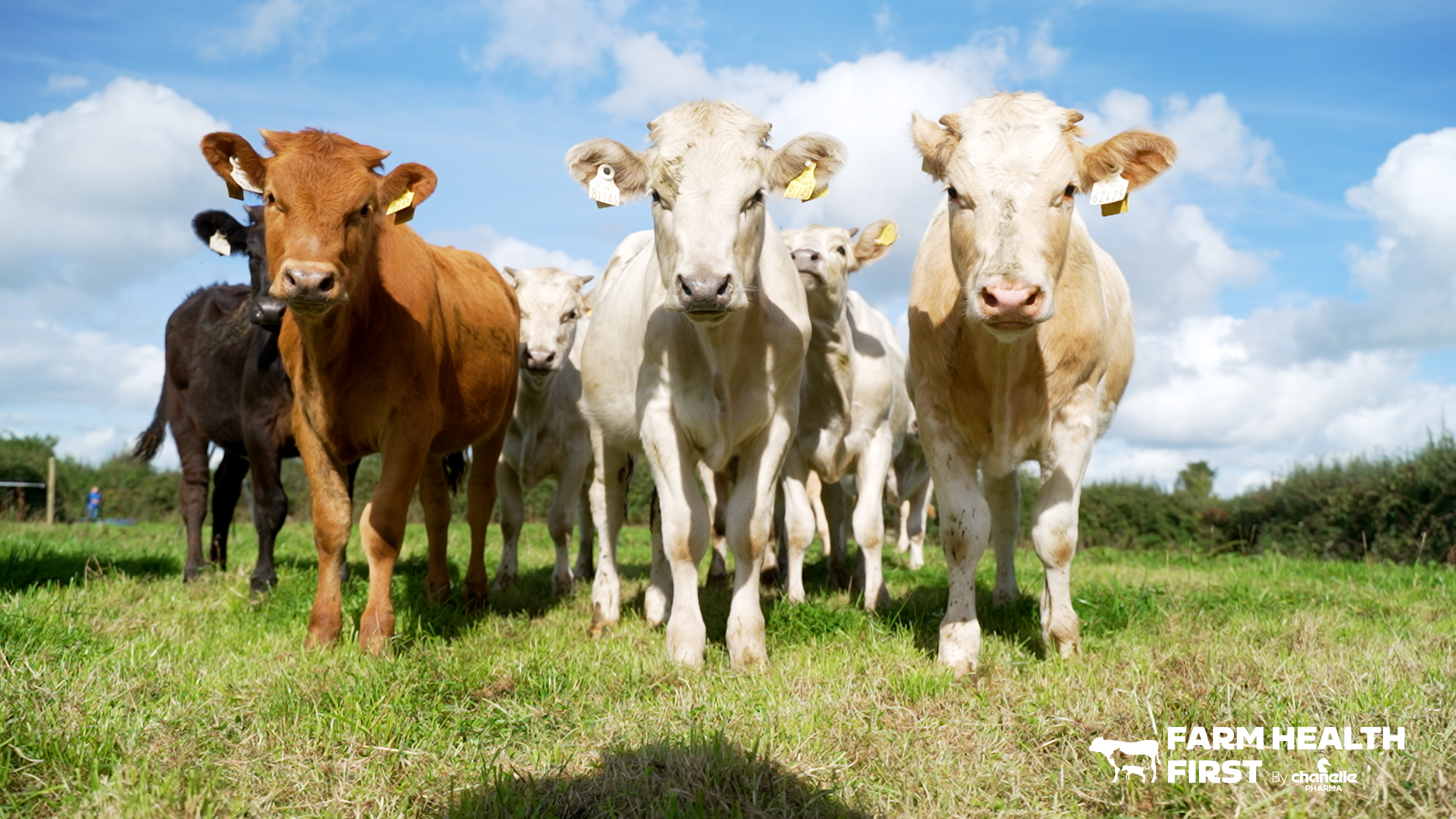
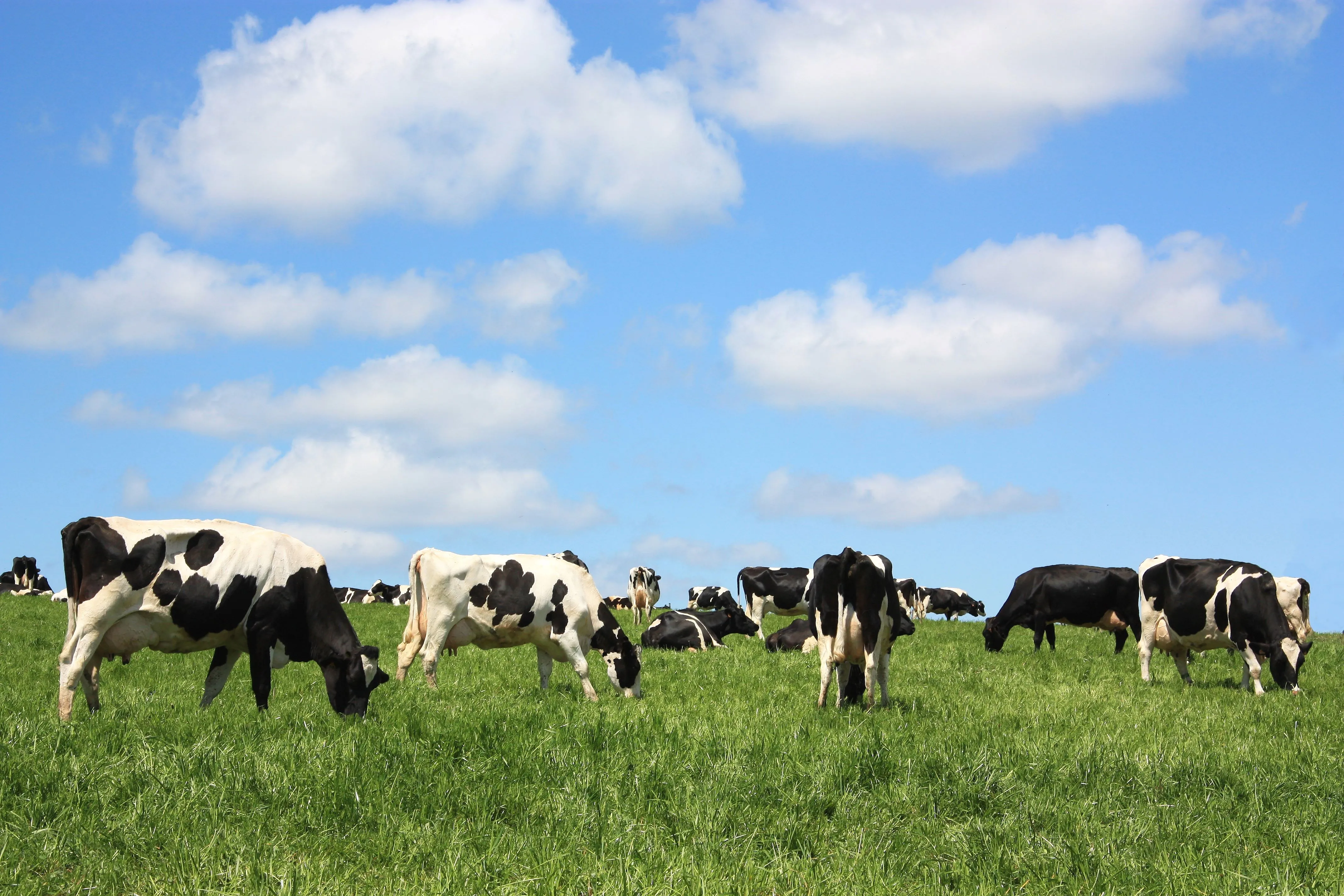
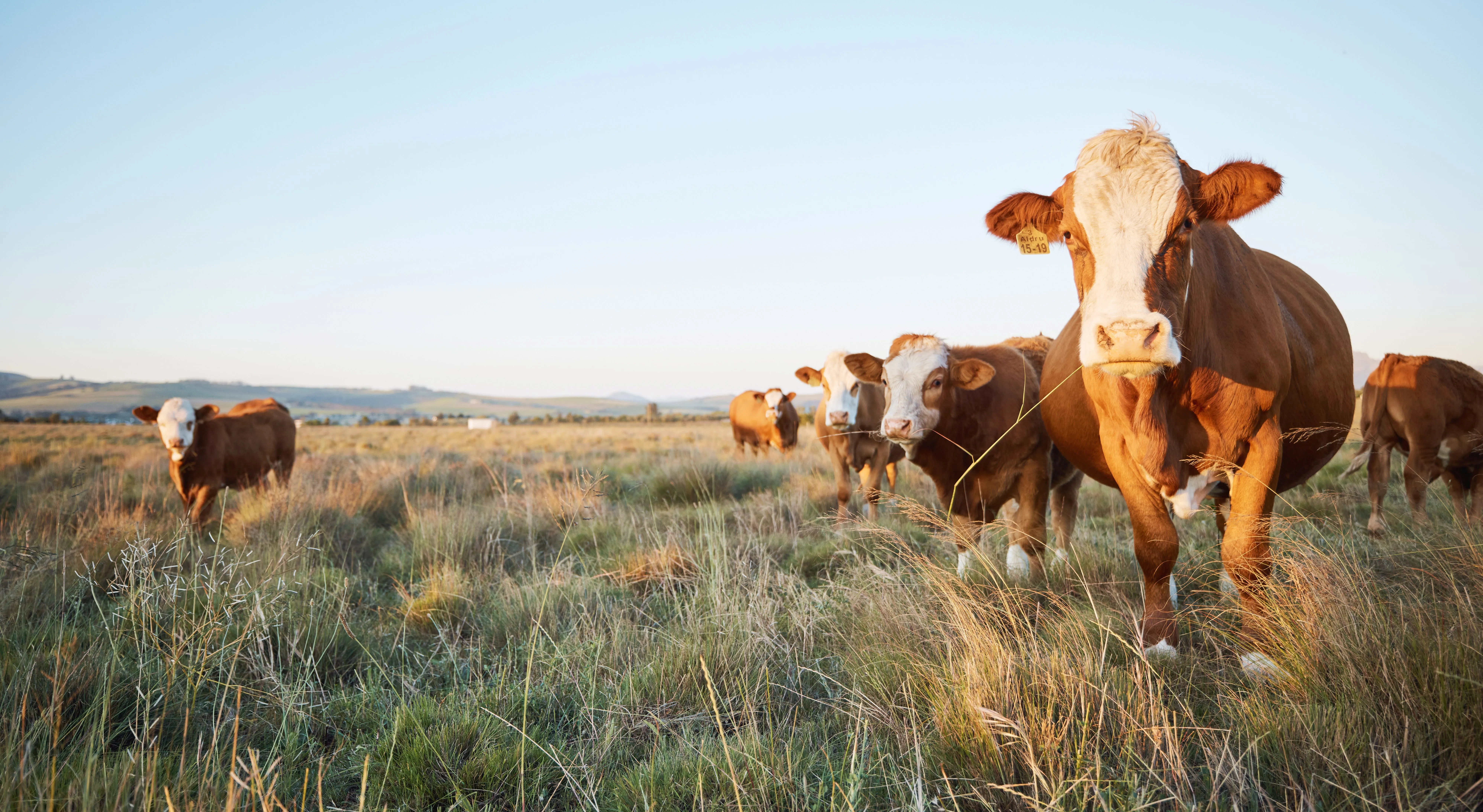
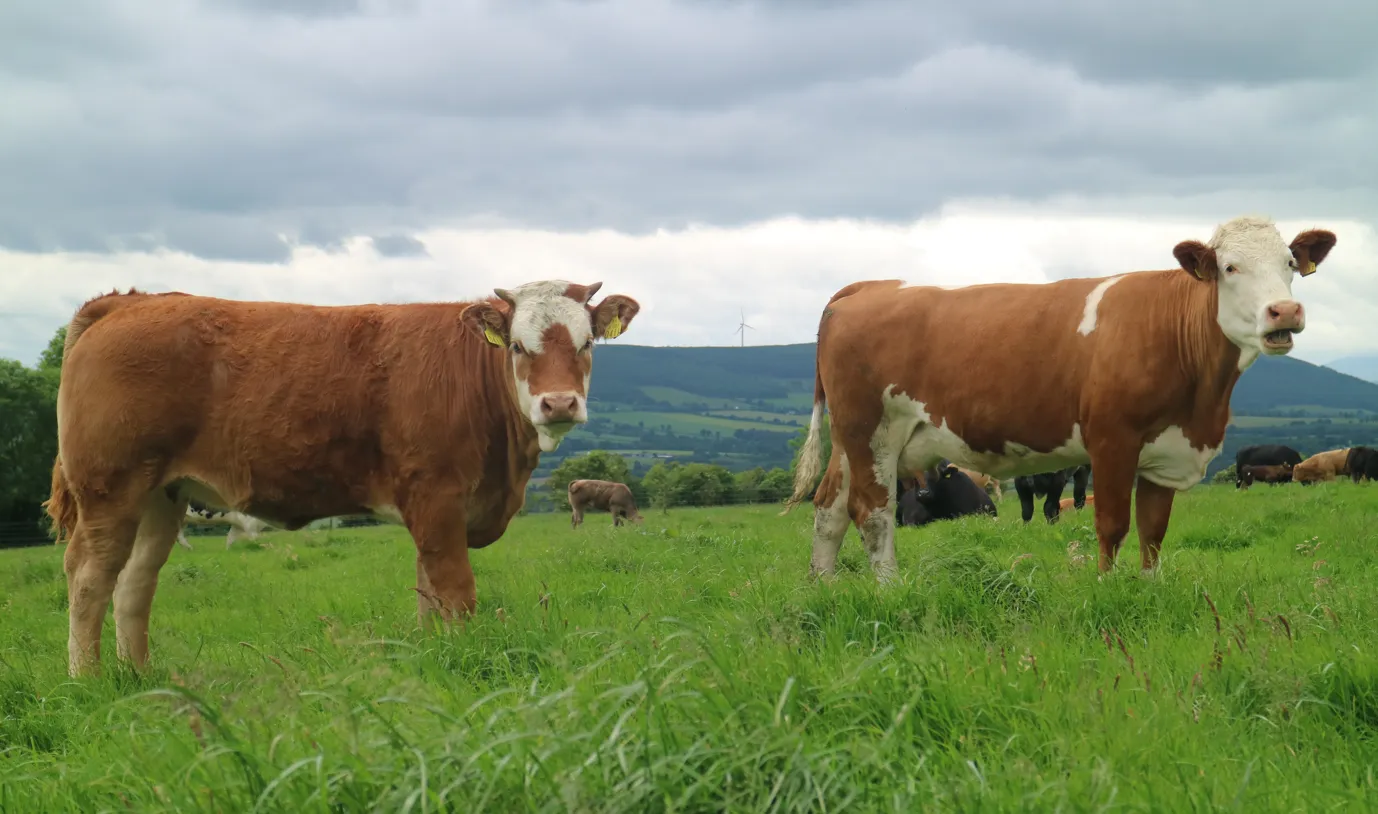
Cattle
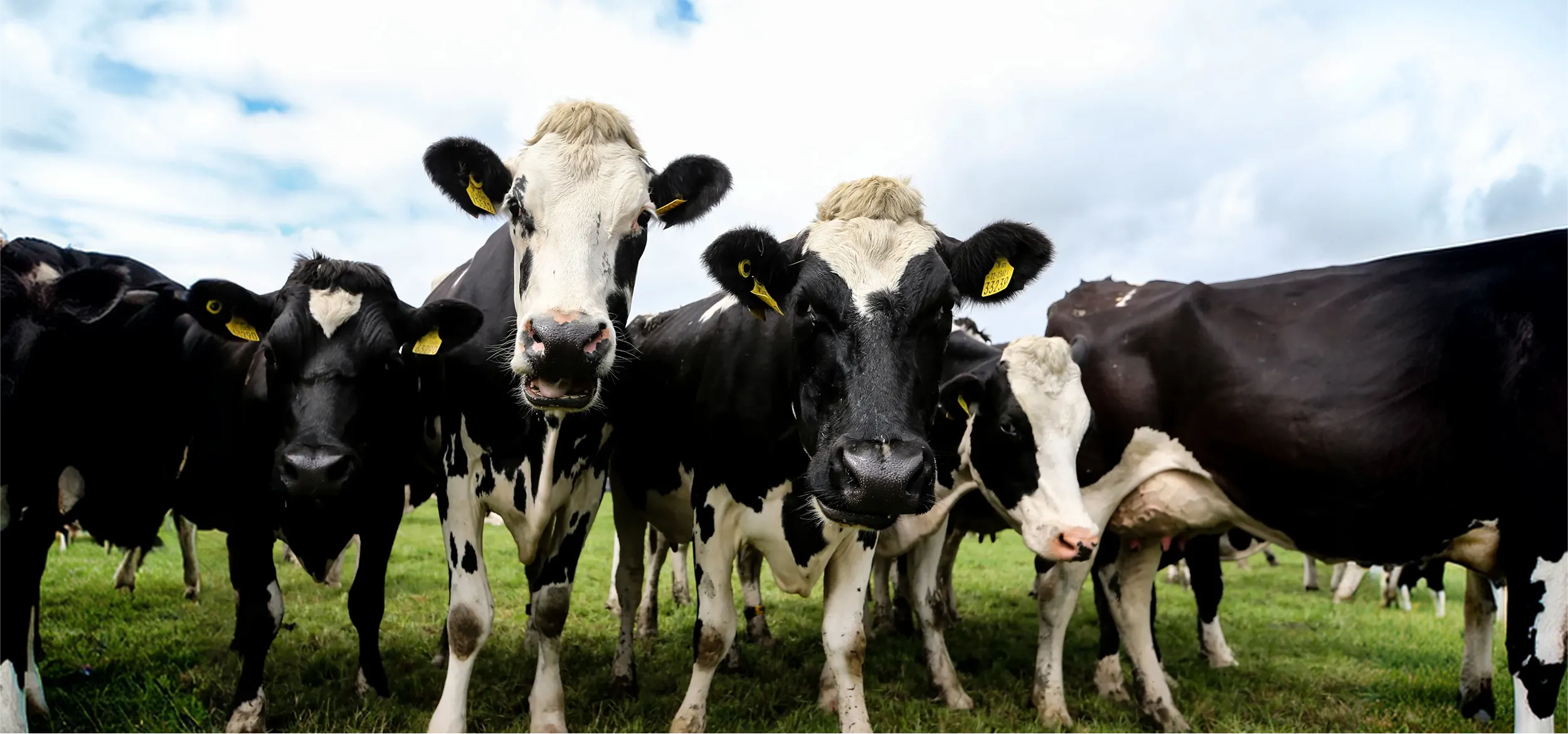
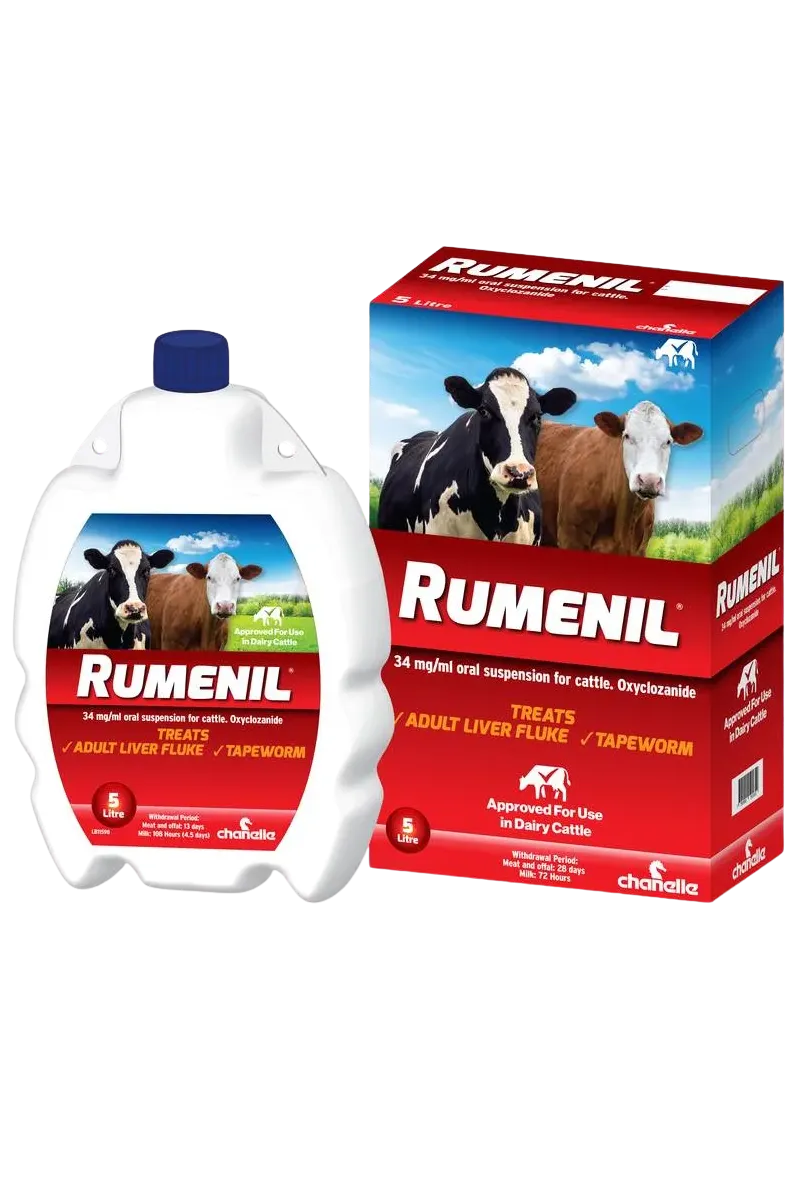
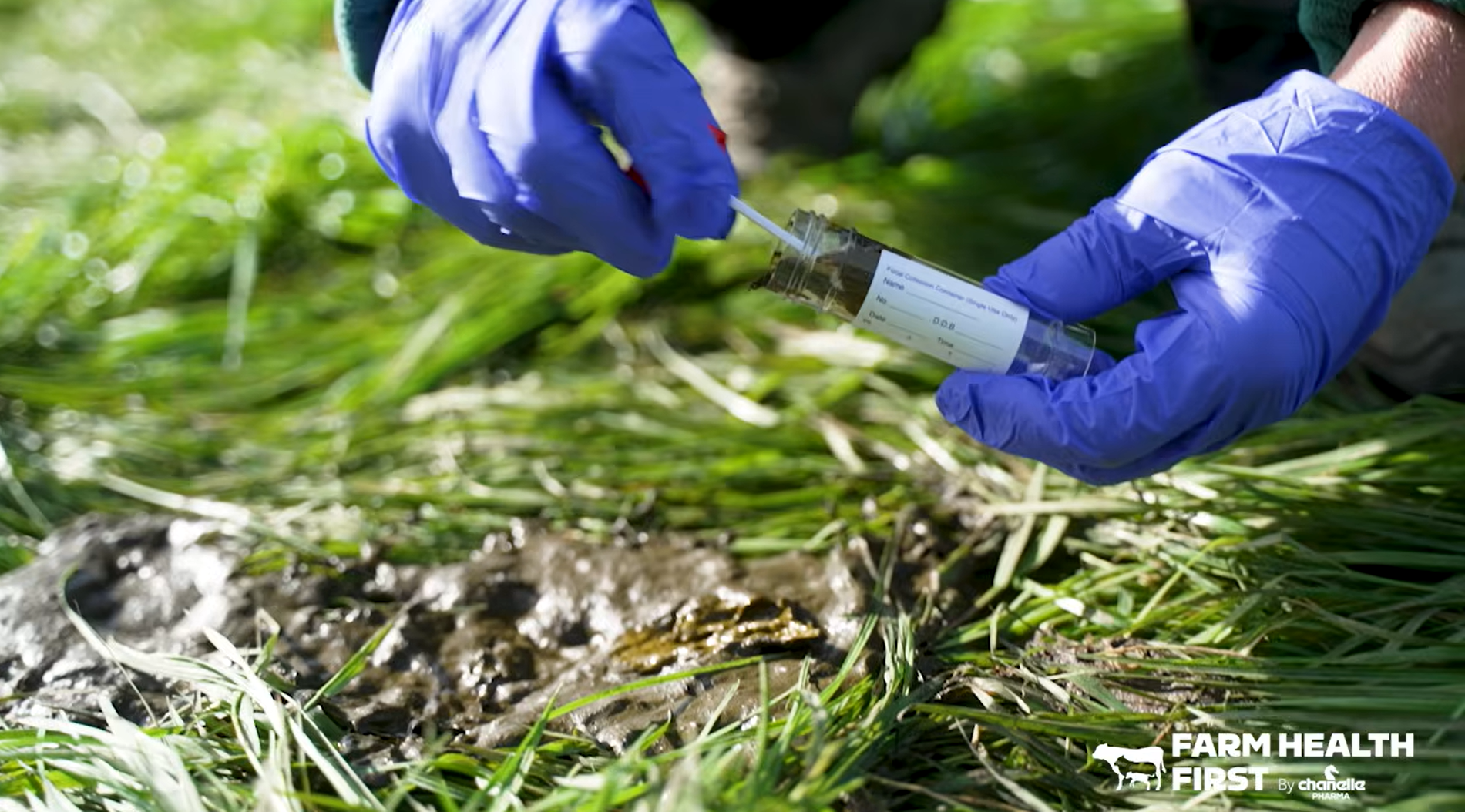
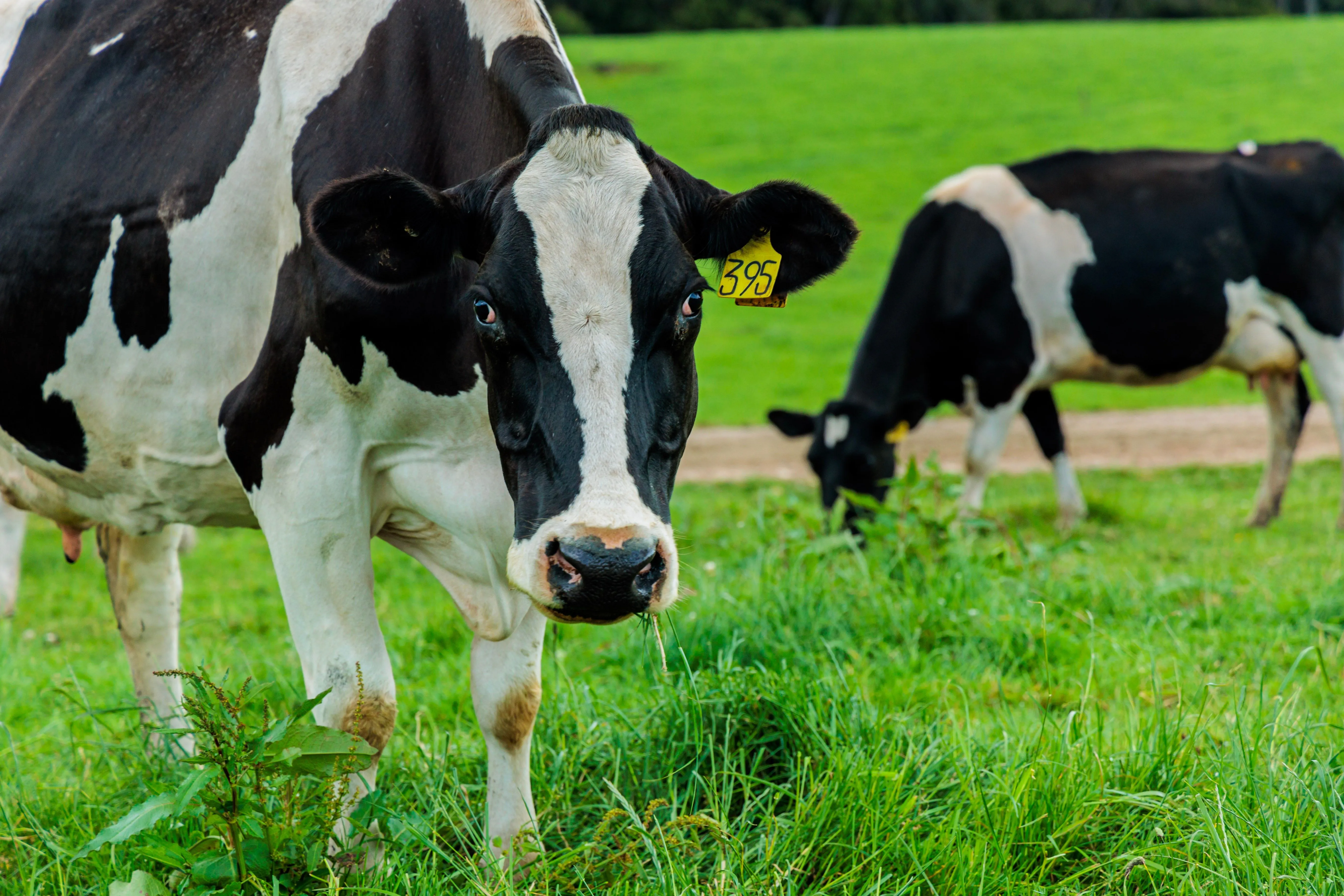
- Get the calendar out. Count 10 to 12 weeks from the day each group came in. That's when every fluke left in the liver is an adult, and when a dung sample gives its best answer.
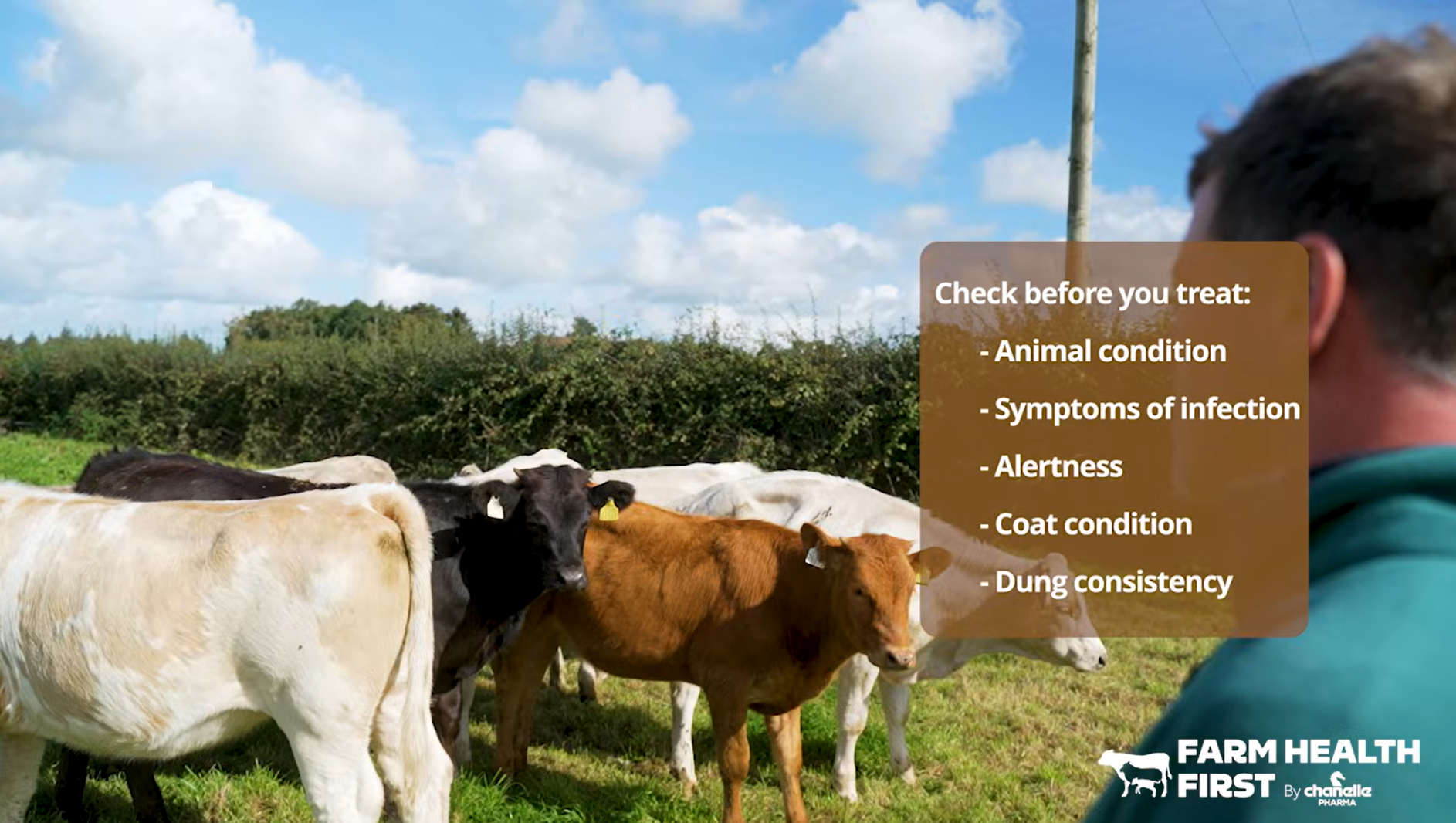
- Test before you dose again. Ask your vet which test fits and how many to sample. COWS suggests around 10 animals per group. A second dose ‘just in case’ costs money and adds to resistance.
- Read your abattoir reports.
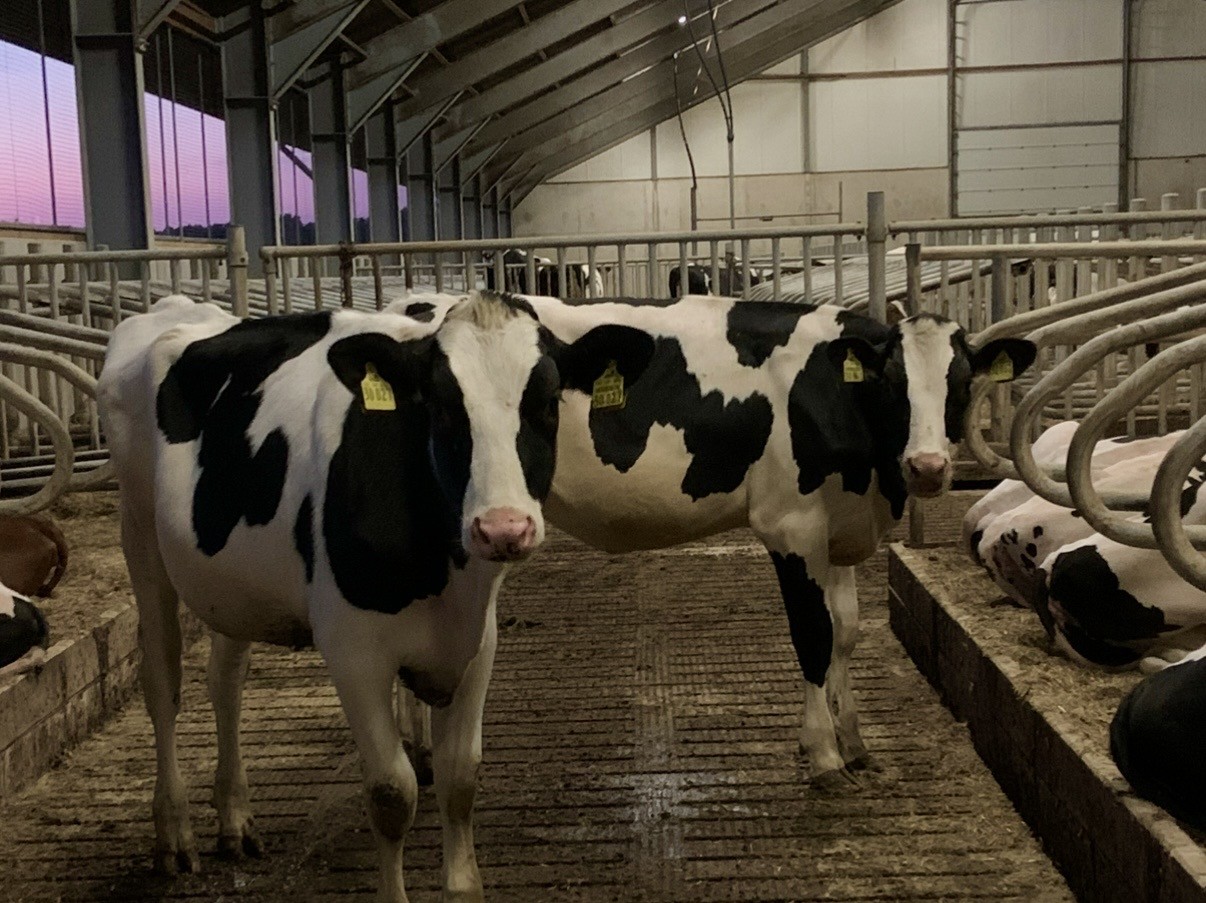
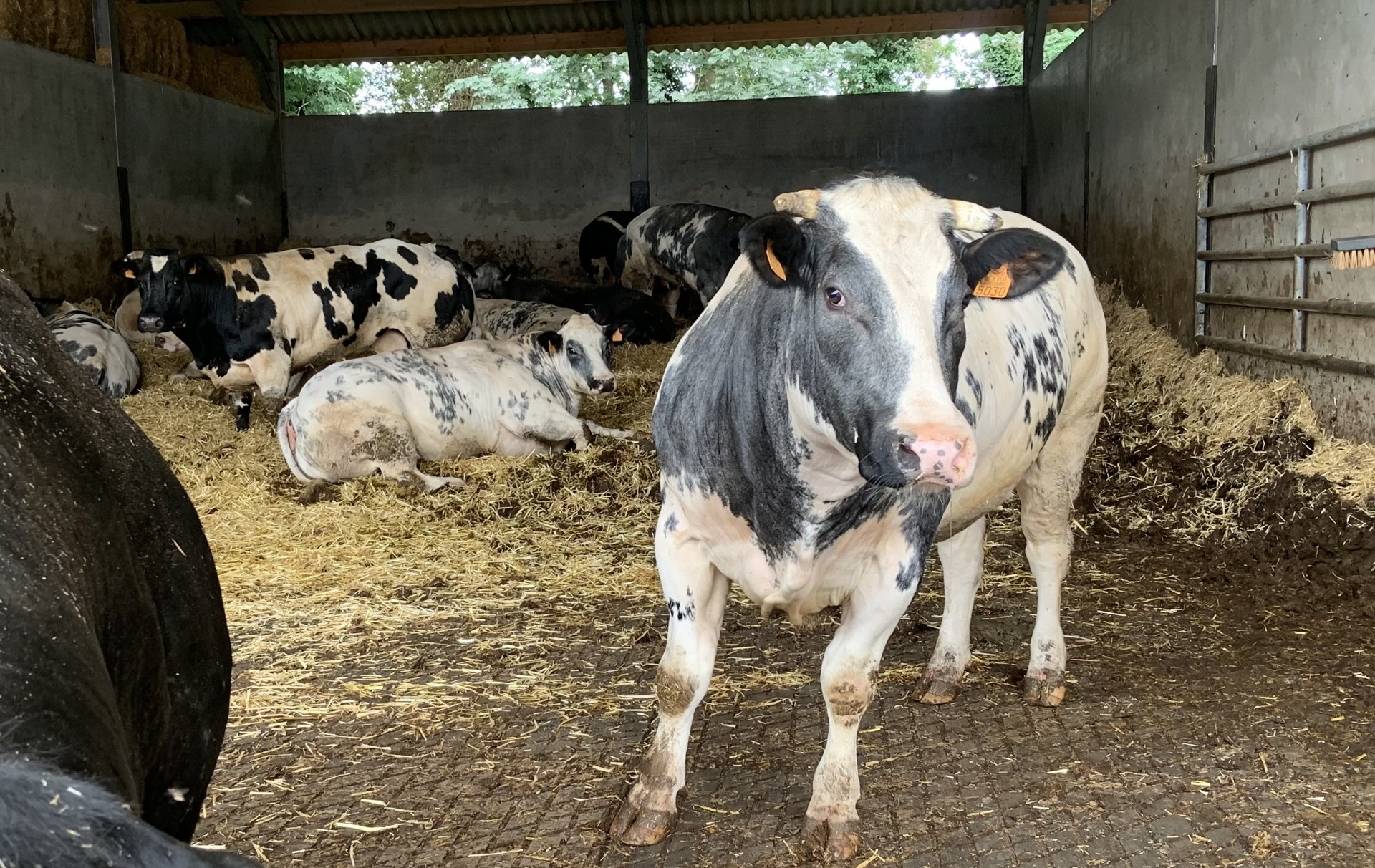
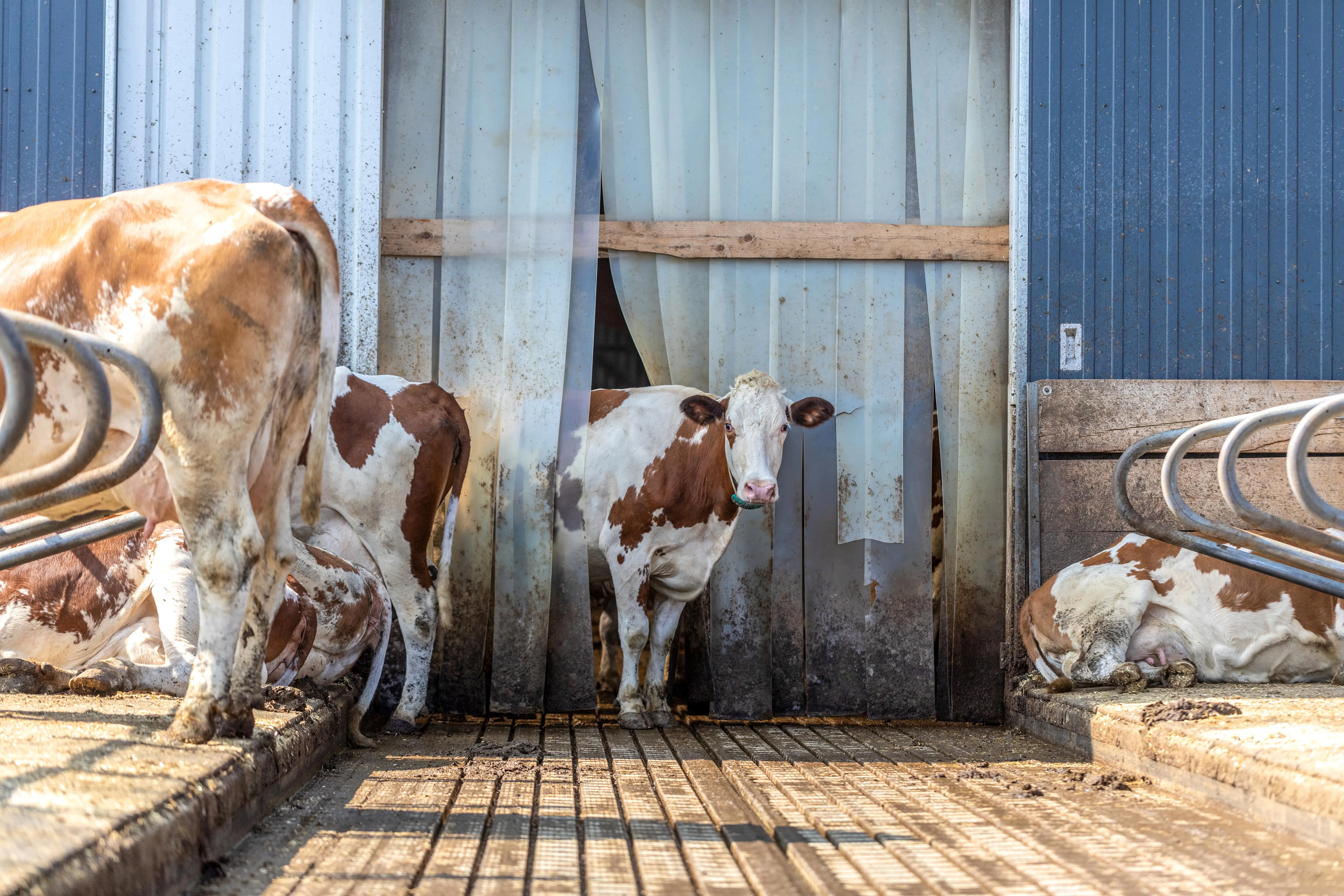
- Look up at the roof. Condensation, stale smells and damp bedding mean the air isn't moving.
- Watch for rubbing. If you didn't treat for lice at housing, check now. Problems usually show a couple of months after cattle come in.
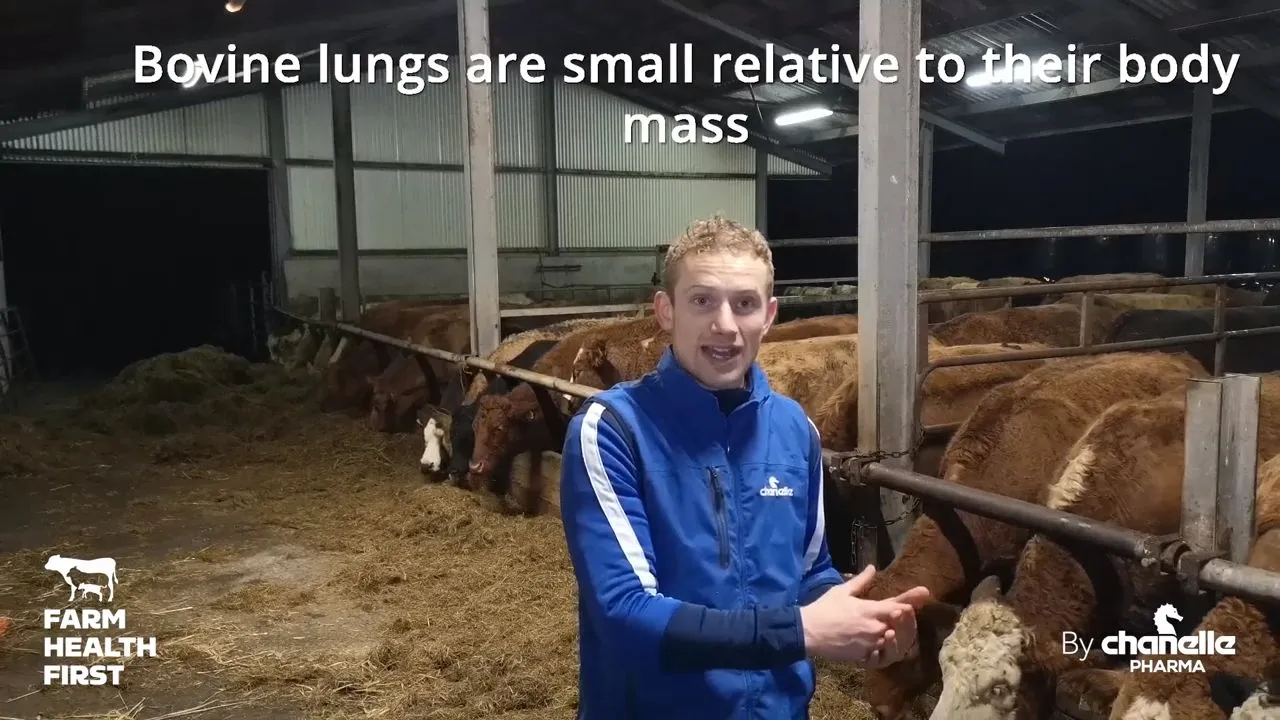
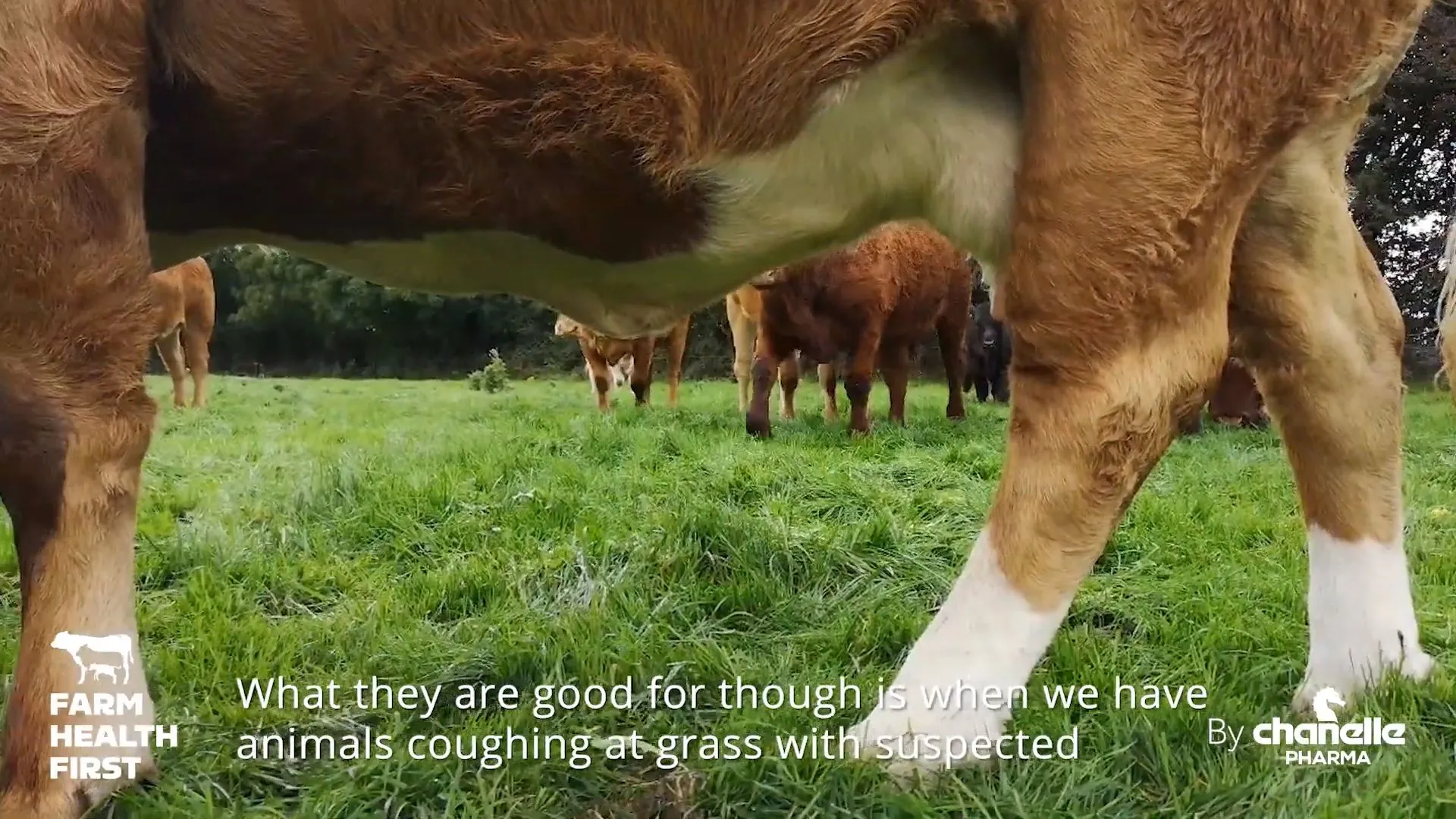
- Listen at feeding time. A cough, or a calf hanging back from the barrier, is worth a call to your vet sooner rather than later.
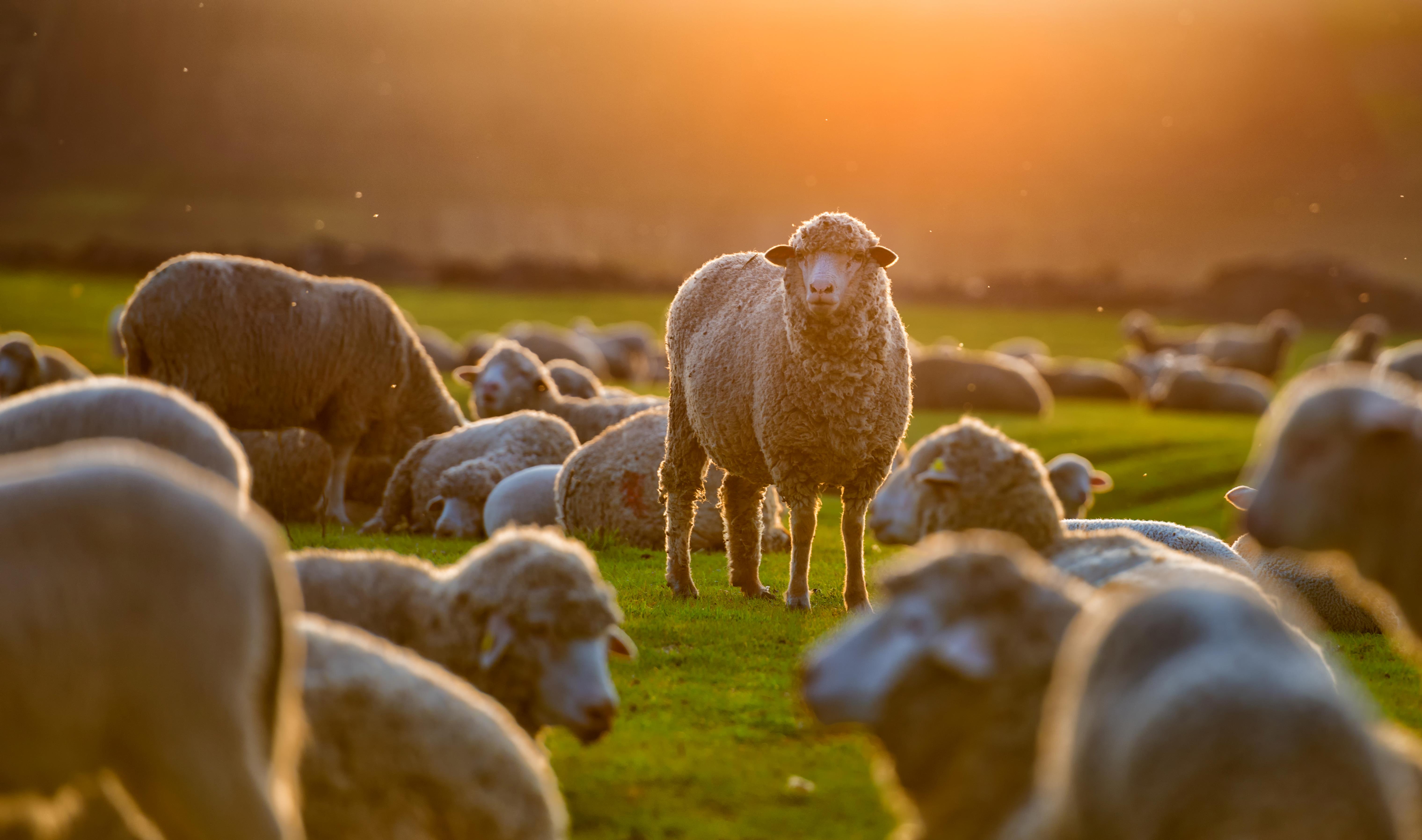
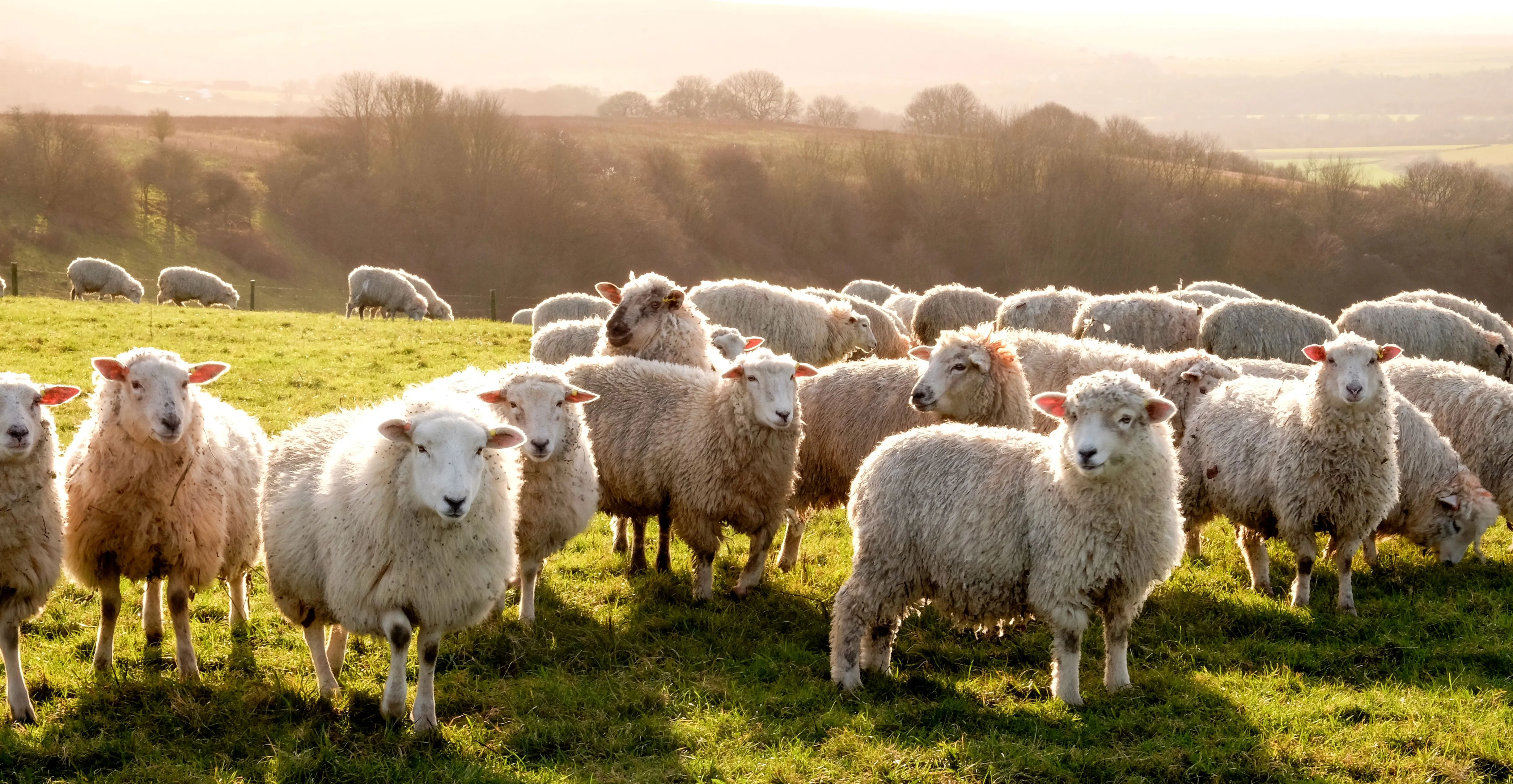
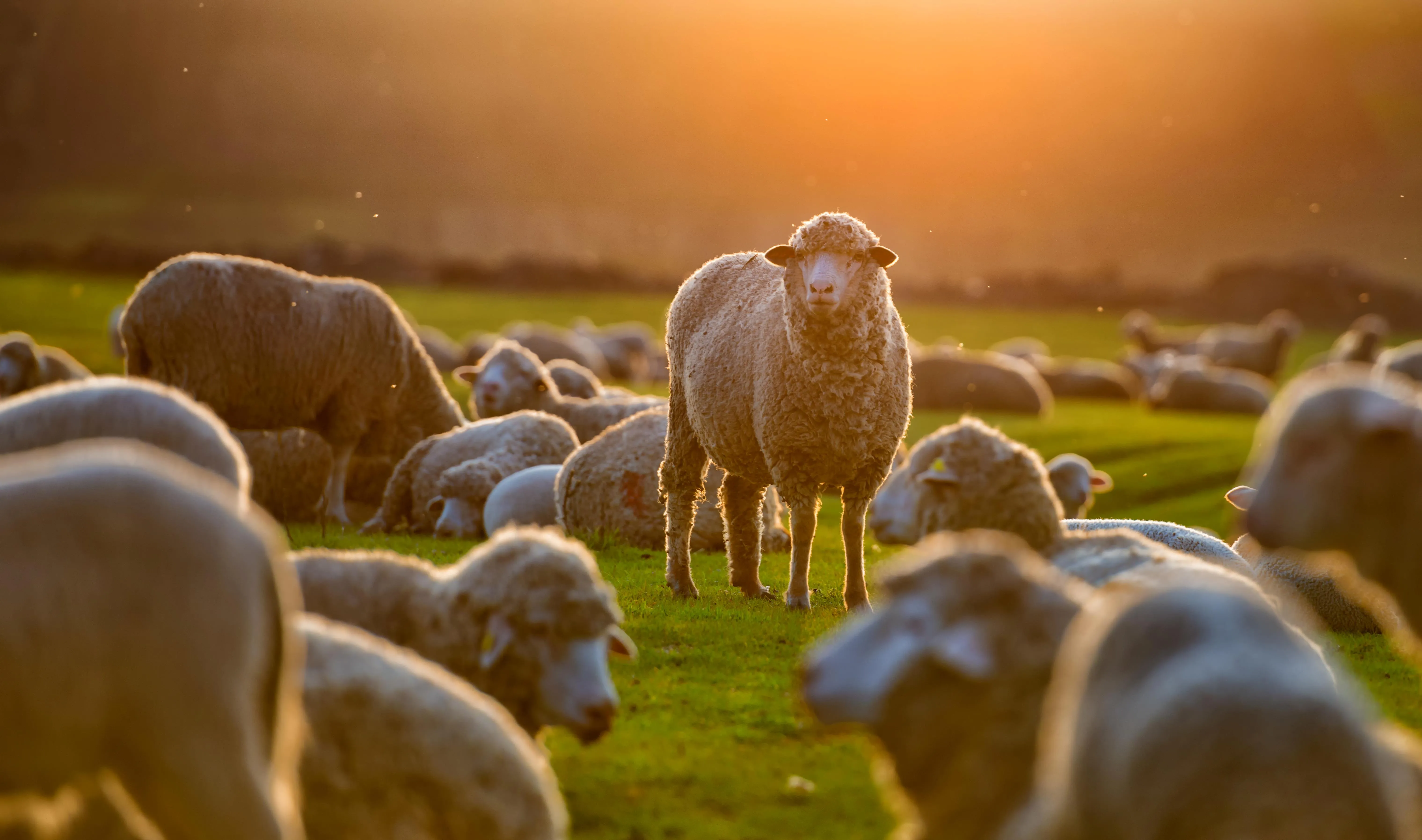
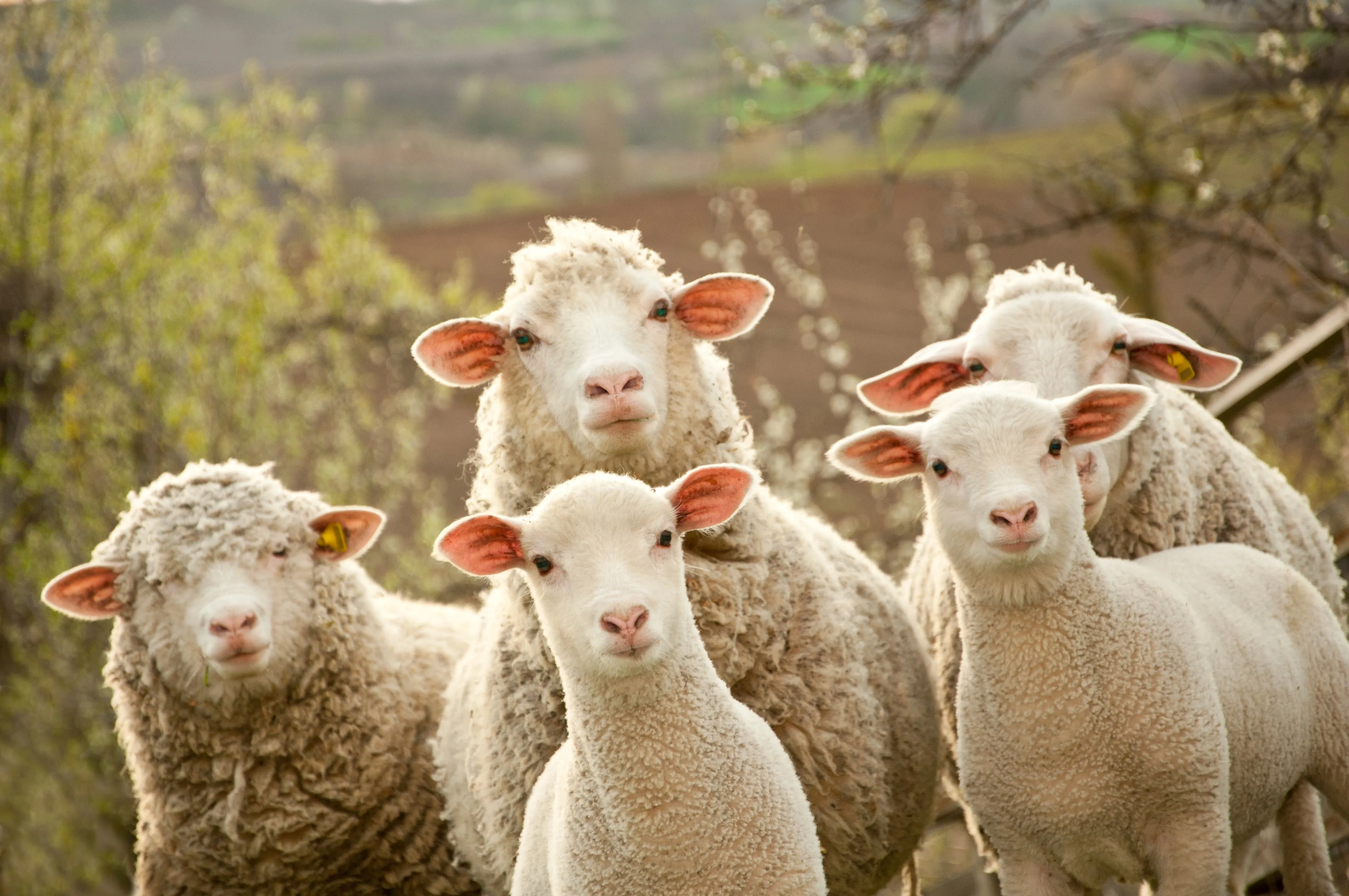
Sheep
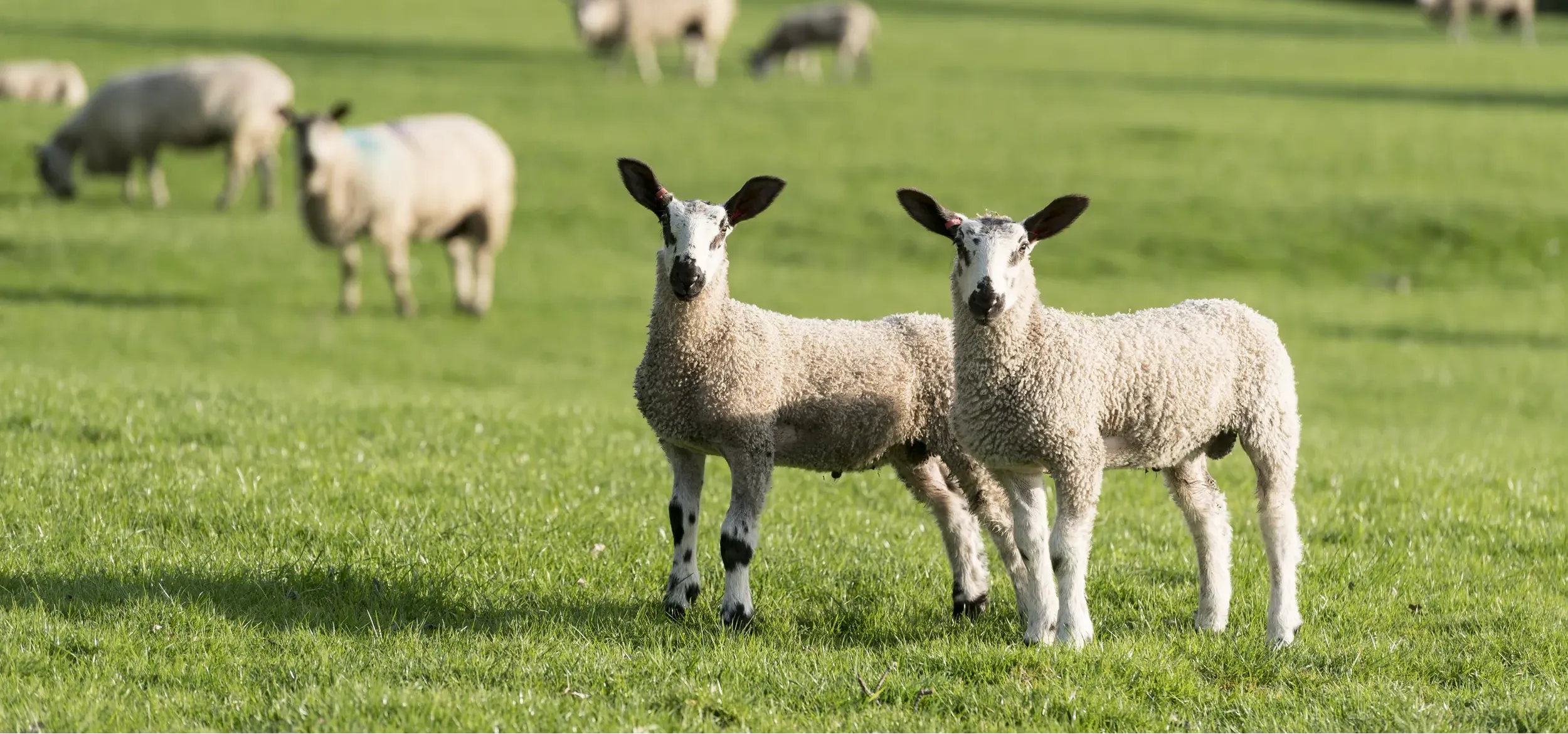
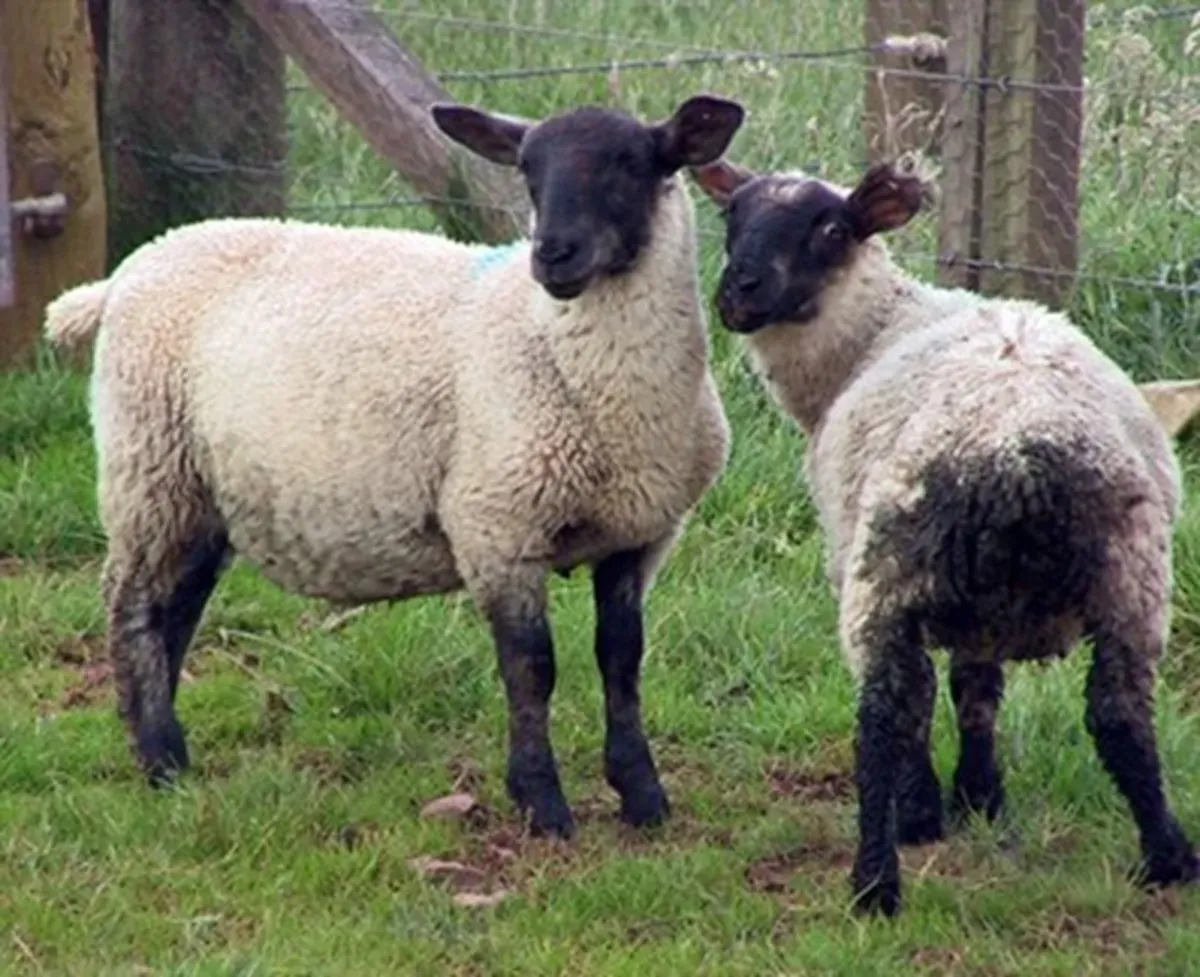
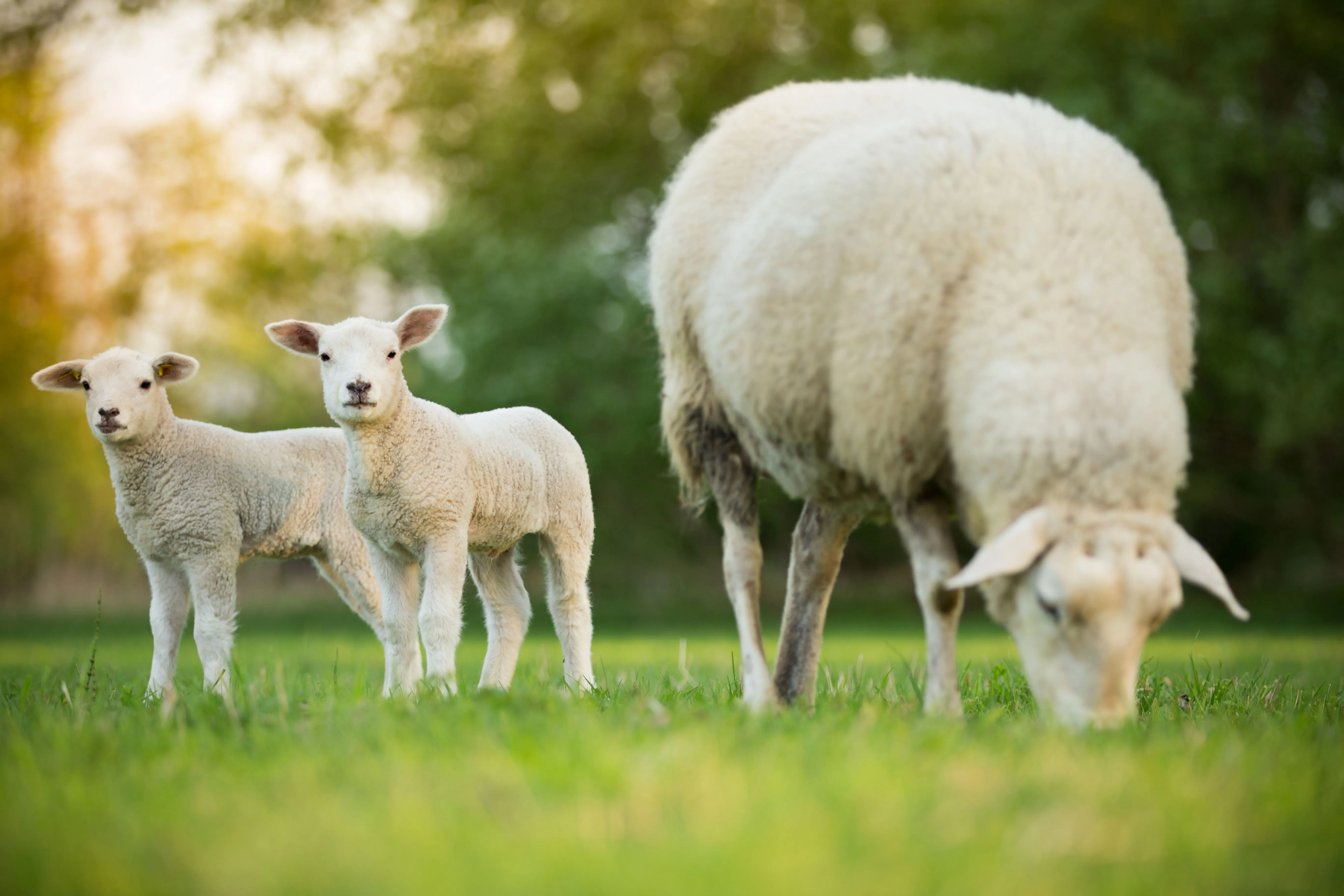
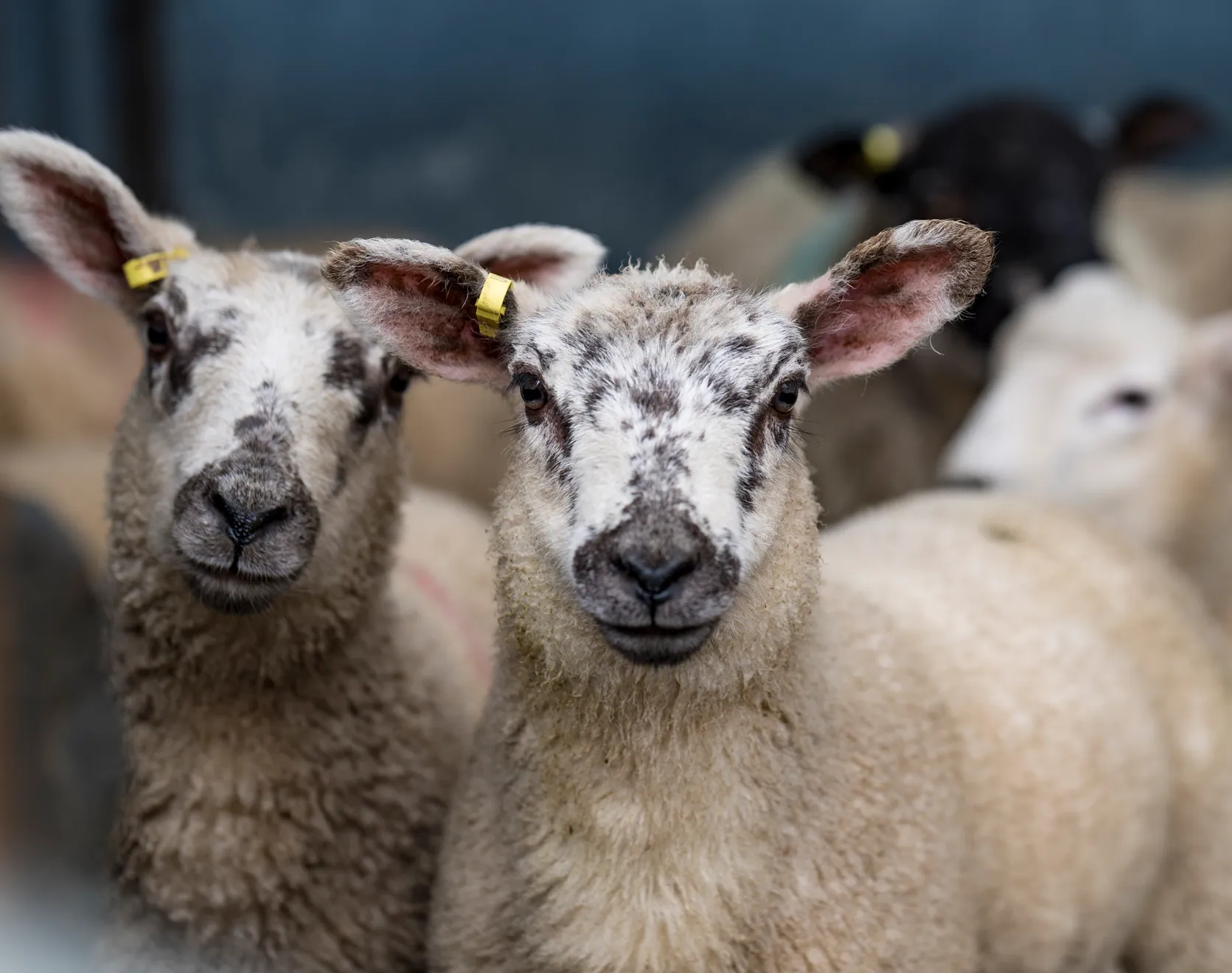
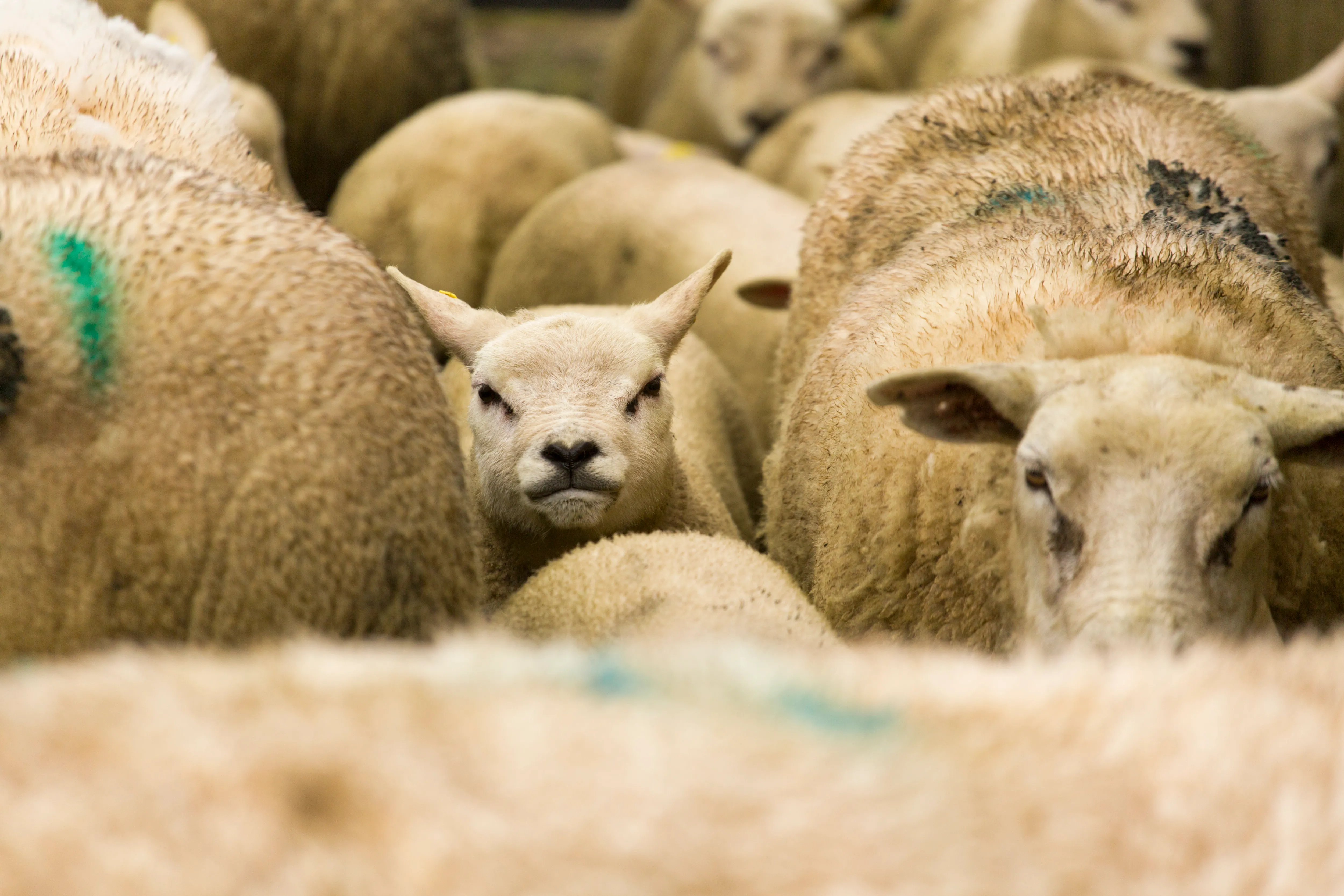
- Leave ewes in peace. The first 30 to 60 days after the ram goes in are when losses cost most. Avoid mixing groups, sudden changes in diet and stressful jobs where you can.
- Pick out the thin ones. In a Teagasc and Department of Agriculture study of 104 thin ewes, worms (51%) and bad teeth (17%) were the biggest causes.1 Fluke was found in fewer, but on wet ground it's worth ruling out.
- Book the scanner. Scan as close as possible to 80 days after the rams go in.
- Feed the rams. Working rams can lose bodyweight over tupping. Get condition back on them now.
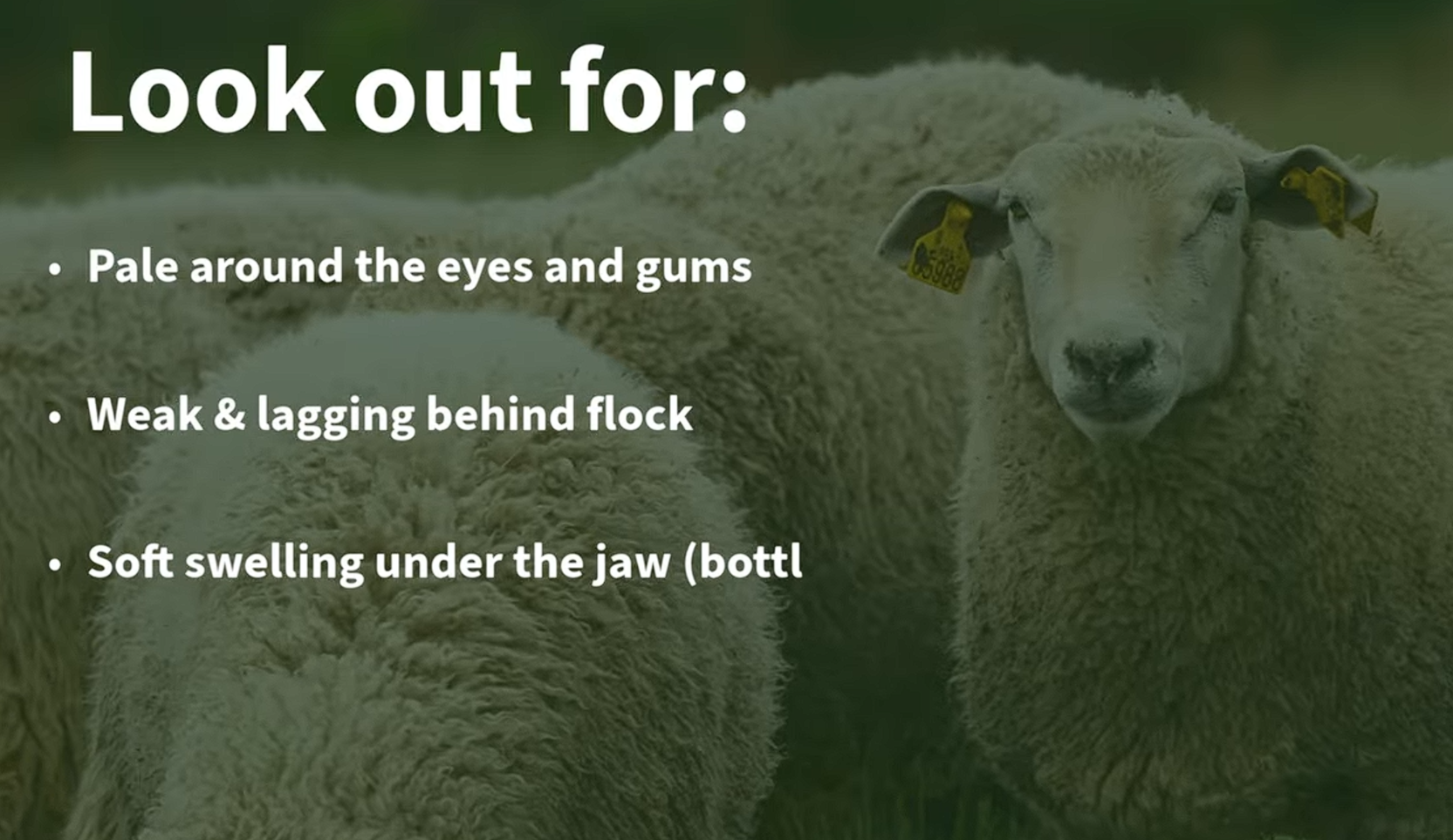
- Know what chronic fluke looks like. It's usually seen from December onward; very poor condition, poor fleece and, in many ewes, swelling under the jaw.

If you haven't yet, you should subscribe to the Farm Health First newsletter so you never miss out on the latest animal health updates.
Click here to watch our latest videos.
References:
1. https://teagasc.ie/news--events/daily/less-obvious-causes-of-thin-ewes-identified/
It's quieter outside this month, but November is when you find out whether the autumn plan worked. Here's what I'd be watching.
Cattle
- Get the calendar out. Count 10 to 12 weeks from the day each group came in. That's when every fluke left in the liver is an adult, and when a dung sample gives its best answer.
- Test before you dose again. Ask your vet which test fits and how many to sample. COWS suggests around 10 animals per group. A second dose ‘just in case’ costs money and adds to resistance.
- Read your abattoir reports.
- Look up at the roof. Condensation, stale smells and damp bedding mean the air isn't moving.
- Watch for rubbing. If you didn't treat for lice at housing, check now. Problems usually show a couple of months after cattle come in.
- Listen at feeding time. A cough, or a calf hanging back from the barrier, is worth a call to your vet sooner rather than later.
Sheep
- Leave ewes in peace. The first 30 to 60 days after the ram goes in are when losses cost most. Avoid mixing groups, sudden changes in diet and stressful jobs where you can.
- Pick out the thin ones. In a Teagasc and Department of Agriculture study of 104 thin ewes, worms (51%) and bad teeth (17%) were the biggest causes.1 Fluke was found in fewer, but on wet ground it's worth ruling out.
- Book the scanner. Scan as close as possible to 80 days after the rams go in.
- Feed the rams. Working rams can lose bodyweight over tupping. Get condition back on them now.
- Know what chronic fluke looks like. It's usually seen from December onward; very poor condition, poor fleece and, in many ewes, swelling under the jaw.
If you haven't yet, you should subscribe to the Farm Health First newsletter so you never miss out on the latest animal health updates.
Click here to watch our latest videos.
References:
1. https://teagasc.ie/news--events/daily/less-obvious-causes-of-thin-ewes-identified/



Newsletter


Videos





Blog









































CPD for SQPs & Vets
Sharpen your knowledge

DOsing Best Practices
Get the dose right every time