Liver fluke follow-up: Protecting herd health through winter
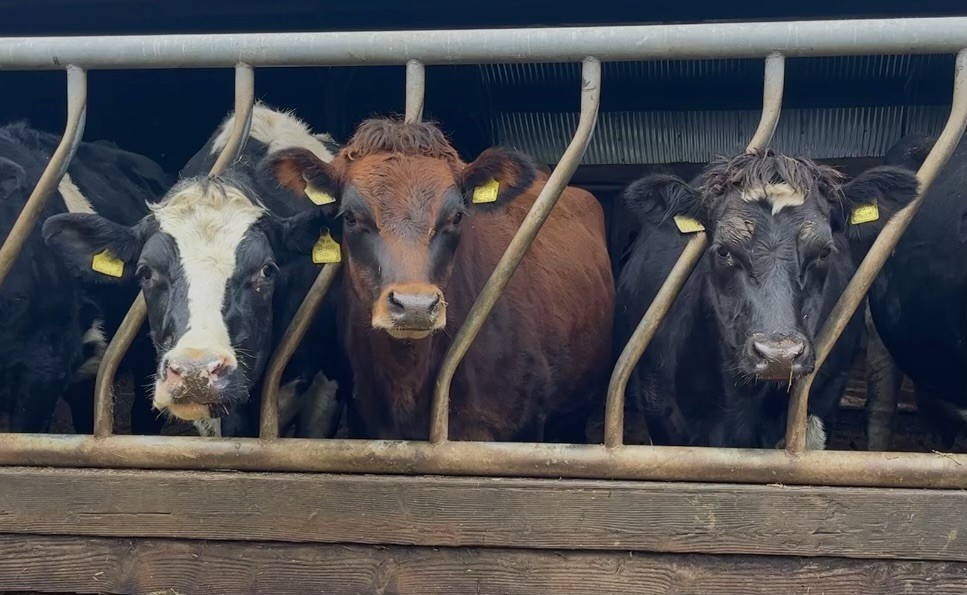
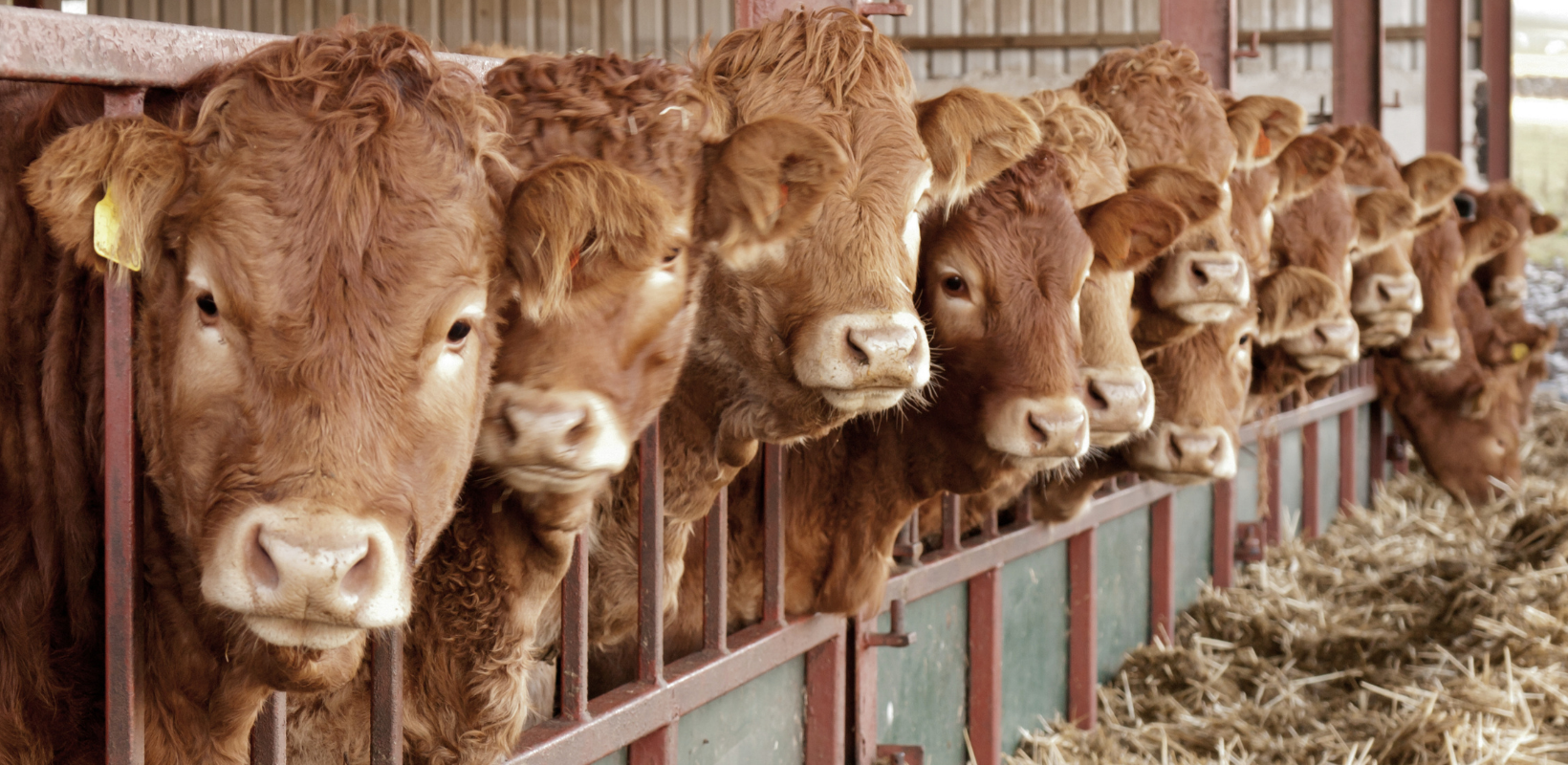
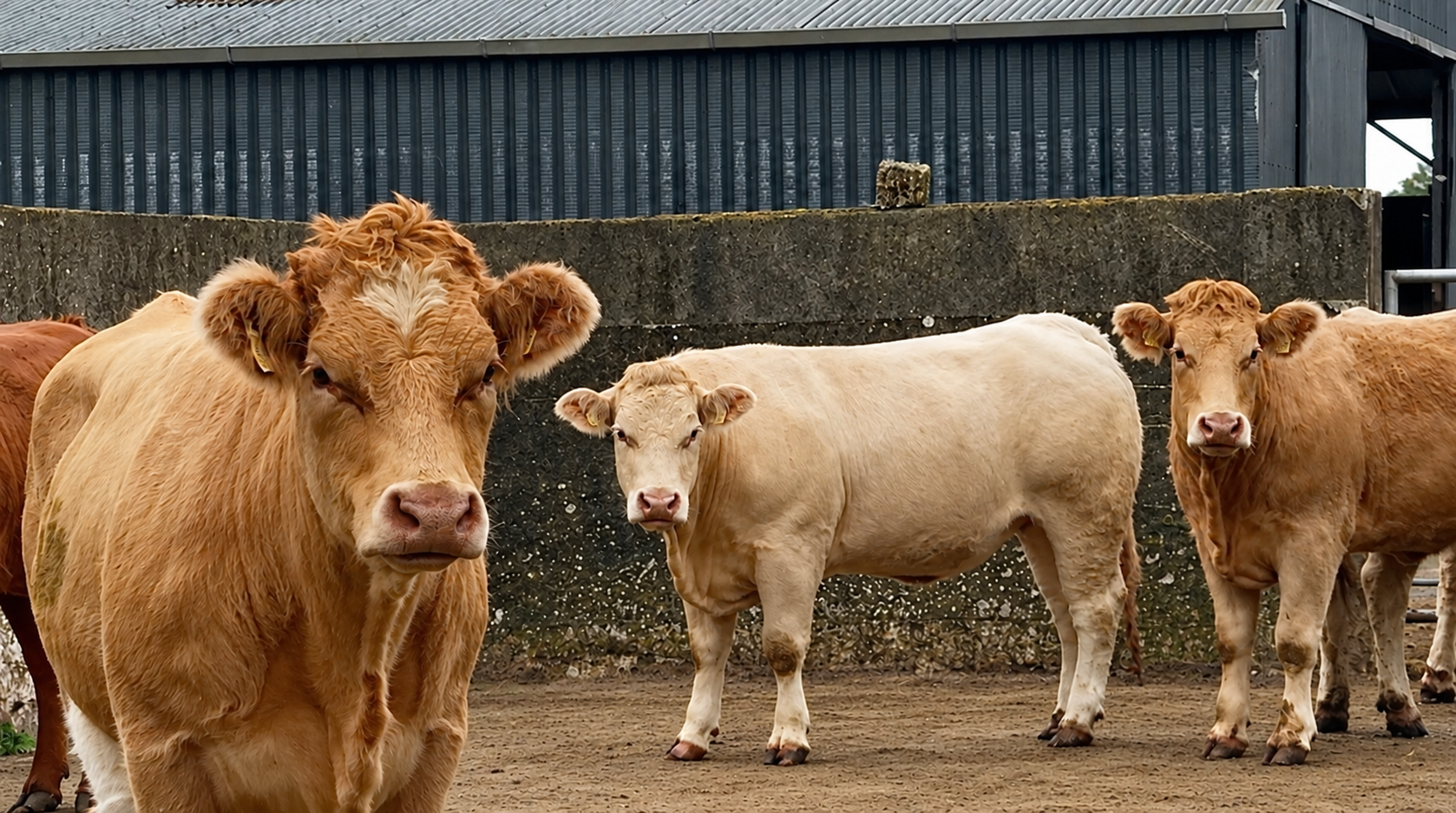
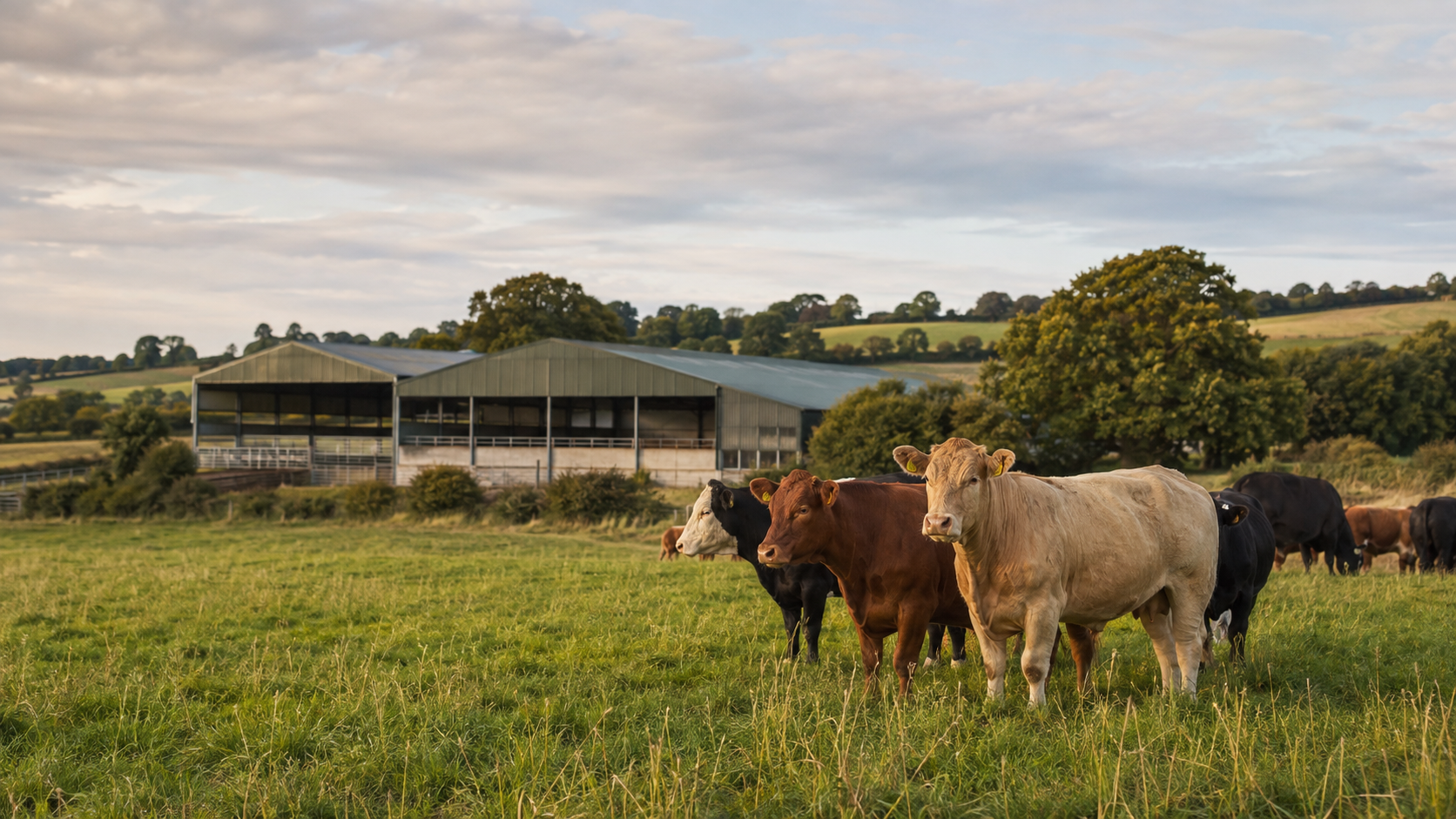
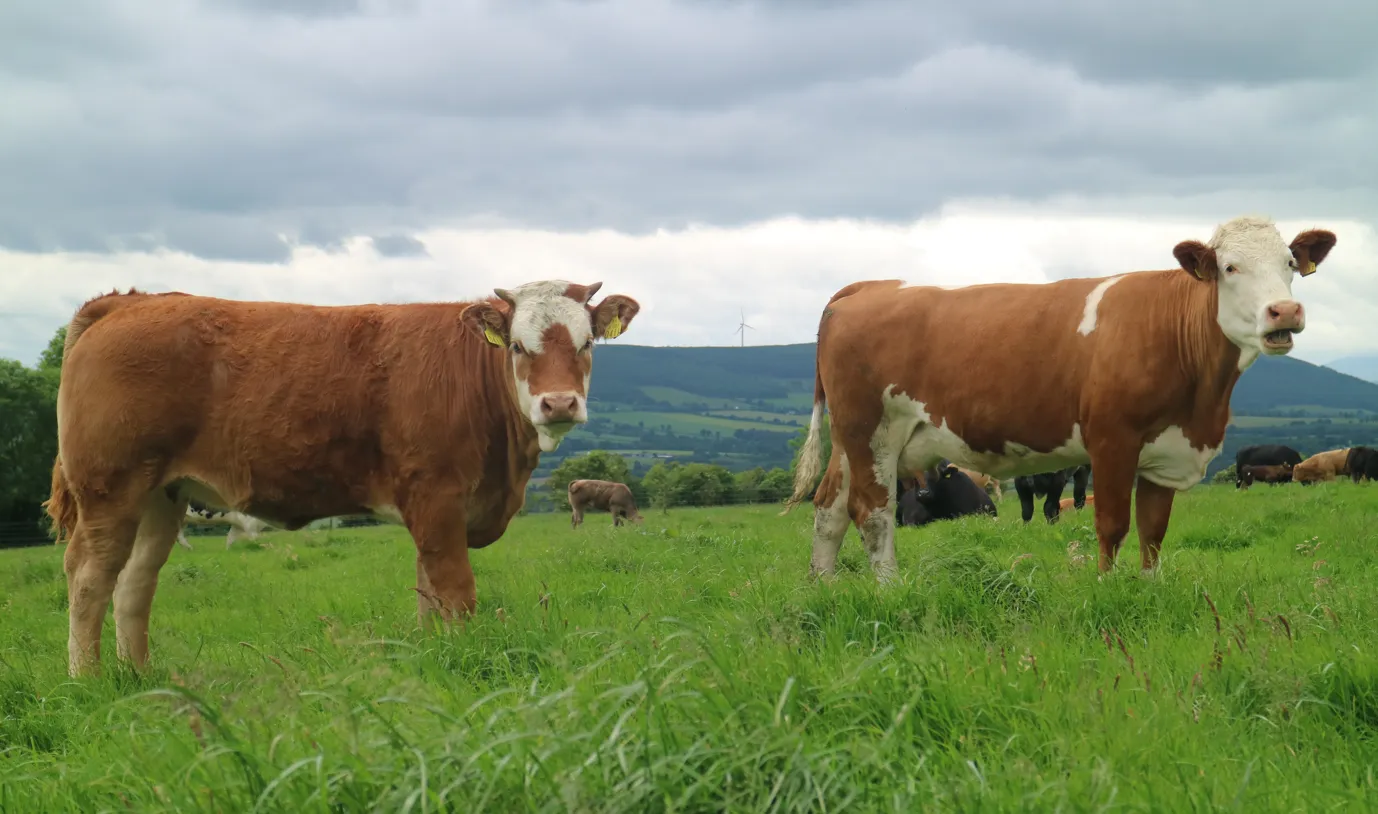
As we move into November and December, keeping cattle healthy through the winter housing period becomes a priority. For farms where liver fluke is a concern, this is an important time to review autumn treatments, consider whether follow-up treatment or testing is needed, and make sure housing conditions support good animal health.
Does one fluke treatment protect cattle all winter?
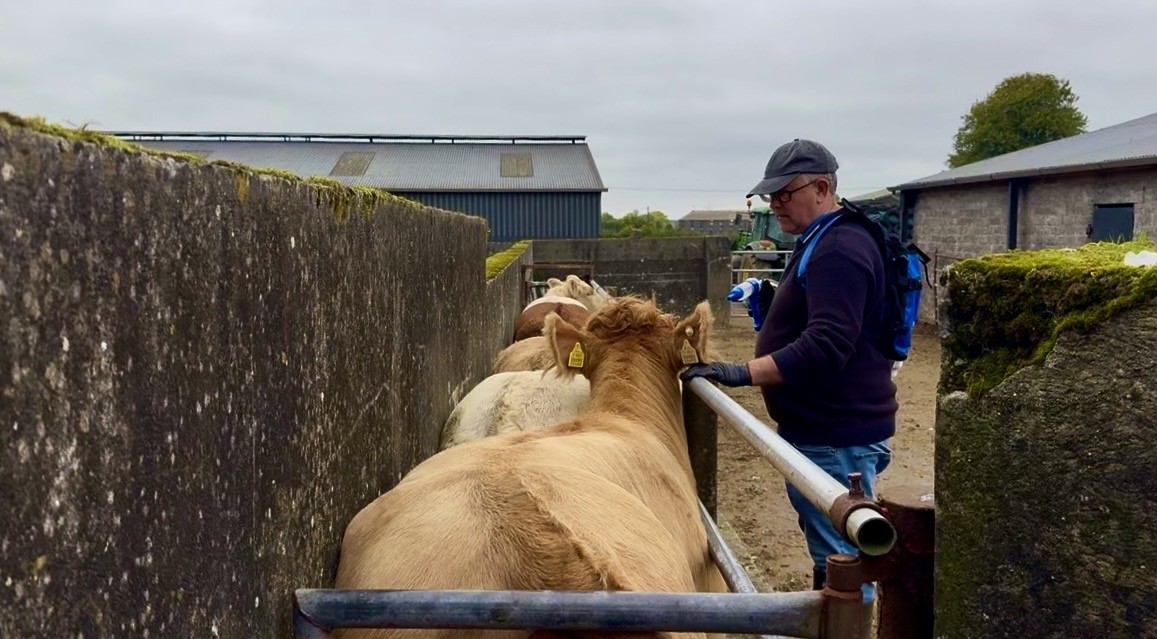
Not necessarily. Liver fluke control should be based on the risk on your farm, previous treatment history and the products used. No fluke treatment has any lasting effect, so a treatment given earlier in the autumn won’t protect against infection picked up later in the grazing season, particularly where cattle have continued to graze areas with a known fluke risk.
Keep accurate treatment records, including which product was used, when it was administered and which animals were treated. This information can help your vet assess whether further treatment is appropriate.
Different flukicides are effective against different stages of liver fluke, so product choice and timing are important. Any fluke too young to be killed on the day of treatment survive and keep growing. Treatment should be selected according to the likely stage of infection, previous treatments and the specific risks on your farm. Once cattle are housed, count forward from the day they came off grass; by 10 to 12 weeks after housing, every fluke left in the liver will be an adult. Avoid automatically repeating treatments without considering whether they are needed. Every unnecessary treatment adds to resistance.

How do you know if cattle need a follow-up fluke treatment?
Testing is the best guide. Where appropriate, testing can provide useful information about whether cattle are carrying liver fluke. Your vet can advise on the most suitable test and the best timing in relation to previous treatment. The main options are:
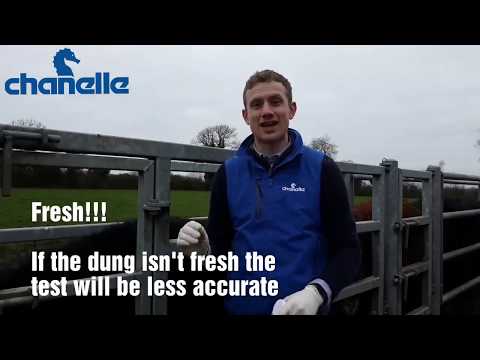
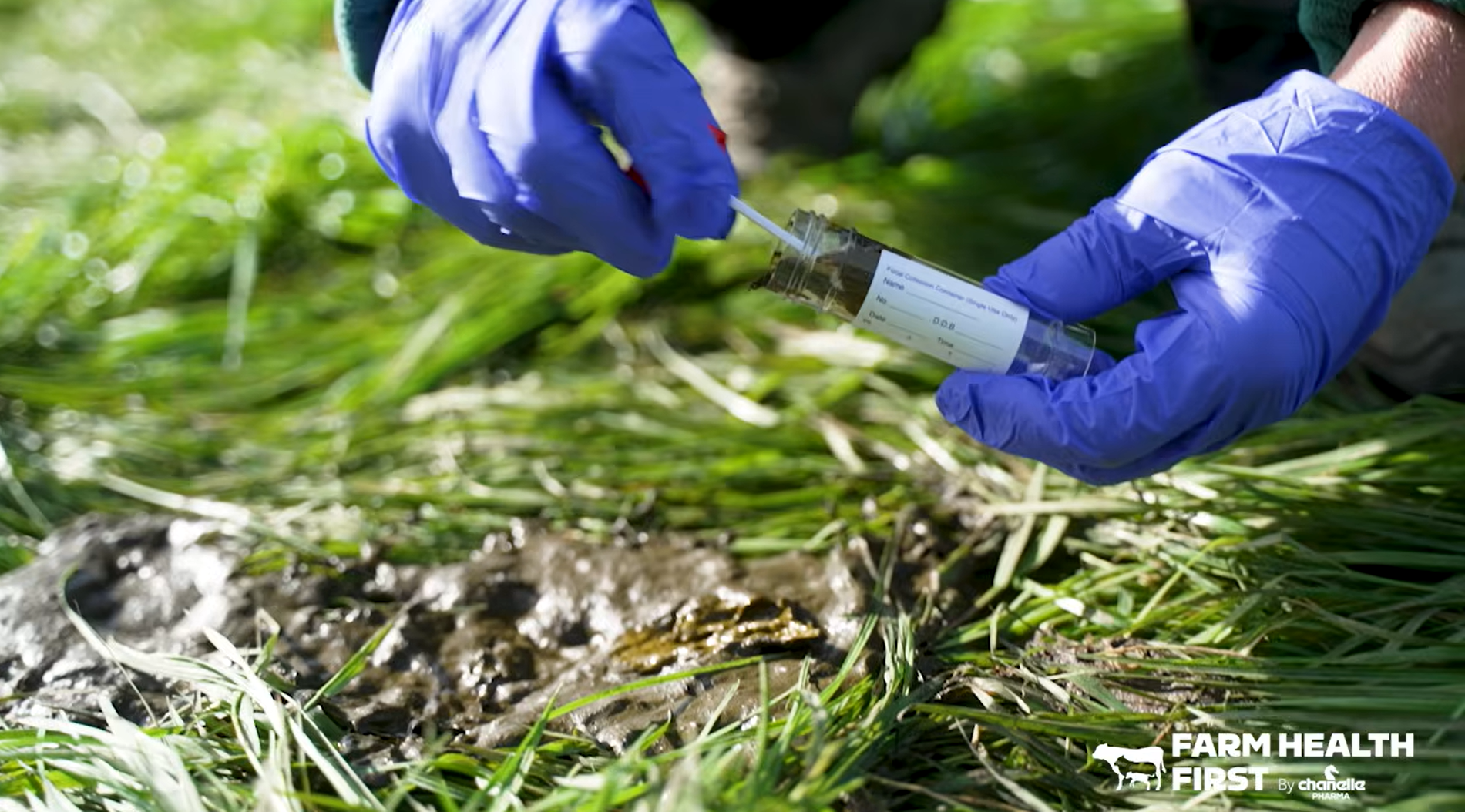
- Fluke egg count (dung sample): fluke only lay eggs once they’re adults, about 10 to 12 weeks after infection.
- Coproantigen test (dung sample): picks up adult fluke two to three weeks earlier than an egg count.
- Blood test: shows exposure, not current infection, so it’s most useful in first-season calves. COWS suggests testing a group of them two weeks after housing.
- Abattoir reports: Beef HealthCheck reports from the abattoir are free fluke data.
Testing can be particularly useful when deciding whether a follow-up treatment is warranted. It can help avoid unnecessary use of flukicides while supporting a more targeted approach to parasite control.
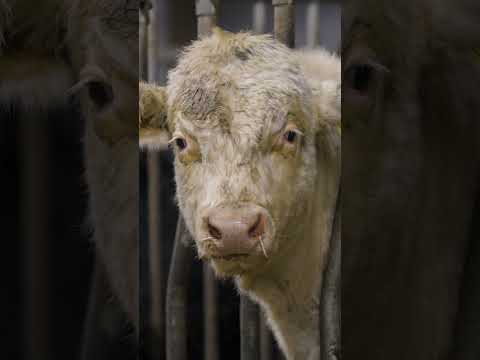
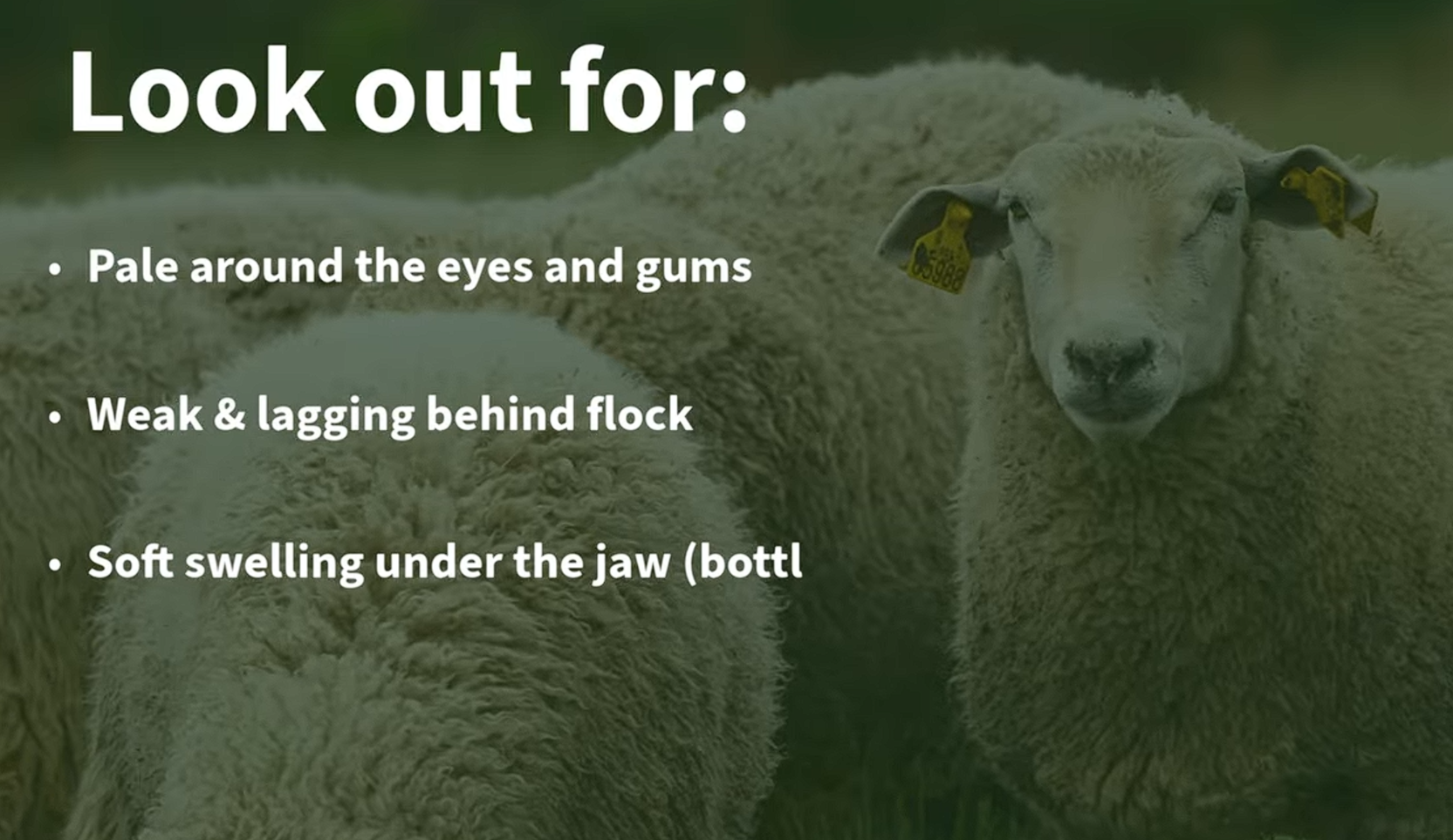
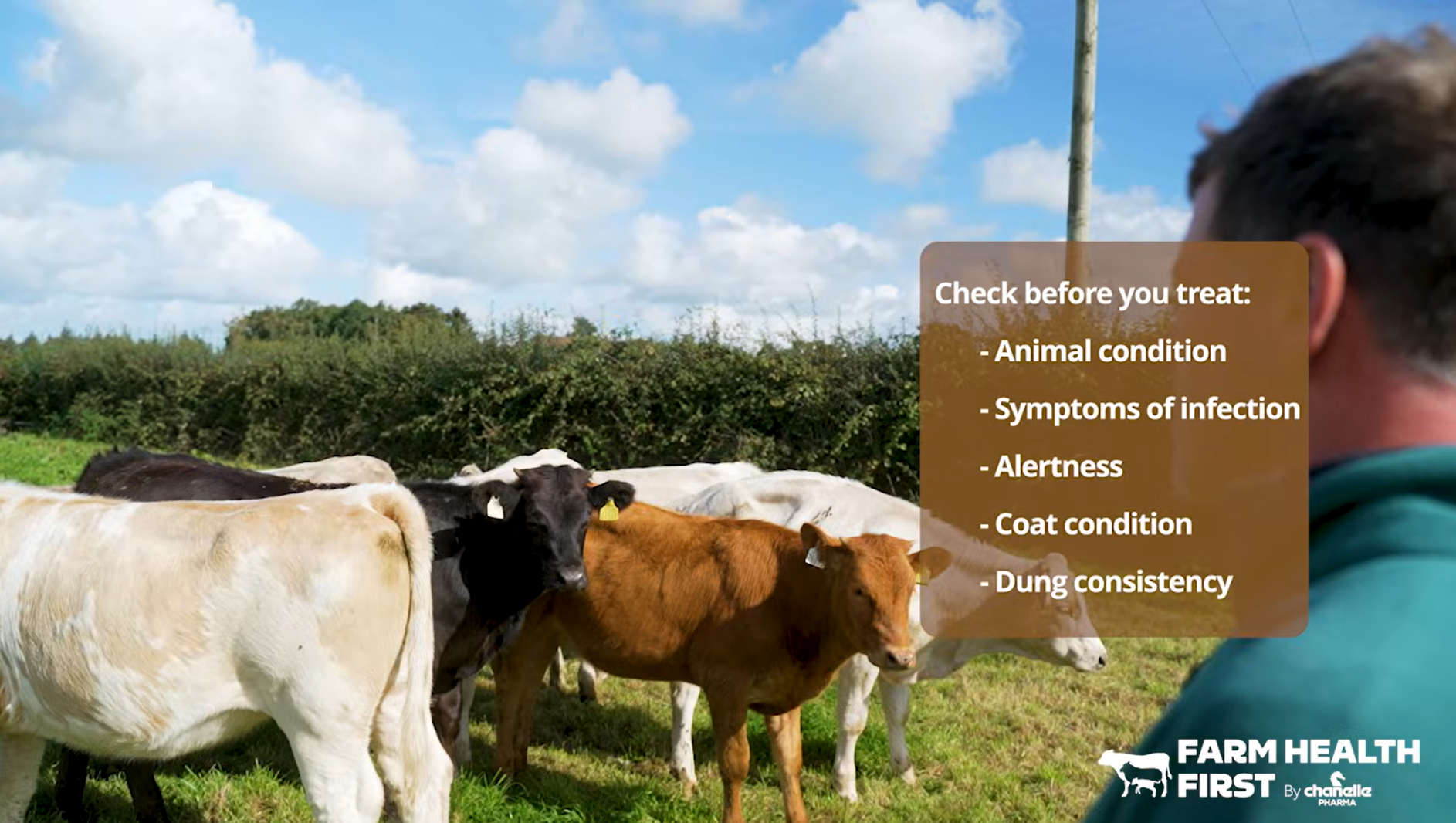
Keep an eye on cattle for signs that could be associated with liver fluke, including poor body condition, reduced performance, anaemia or lethargy. However, these signs can have several causes, so veterinary investigation is important rather than assuming fluke is responsible.
How do you keep housed cattle healthy over winter?
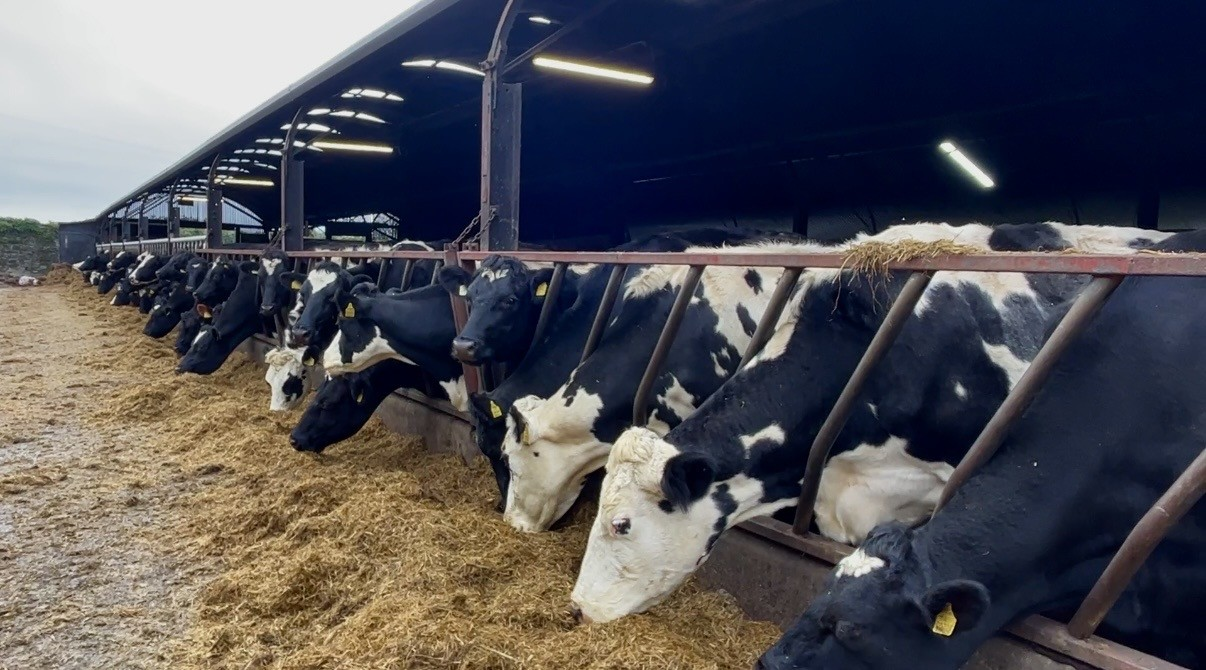
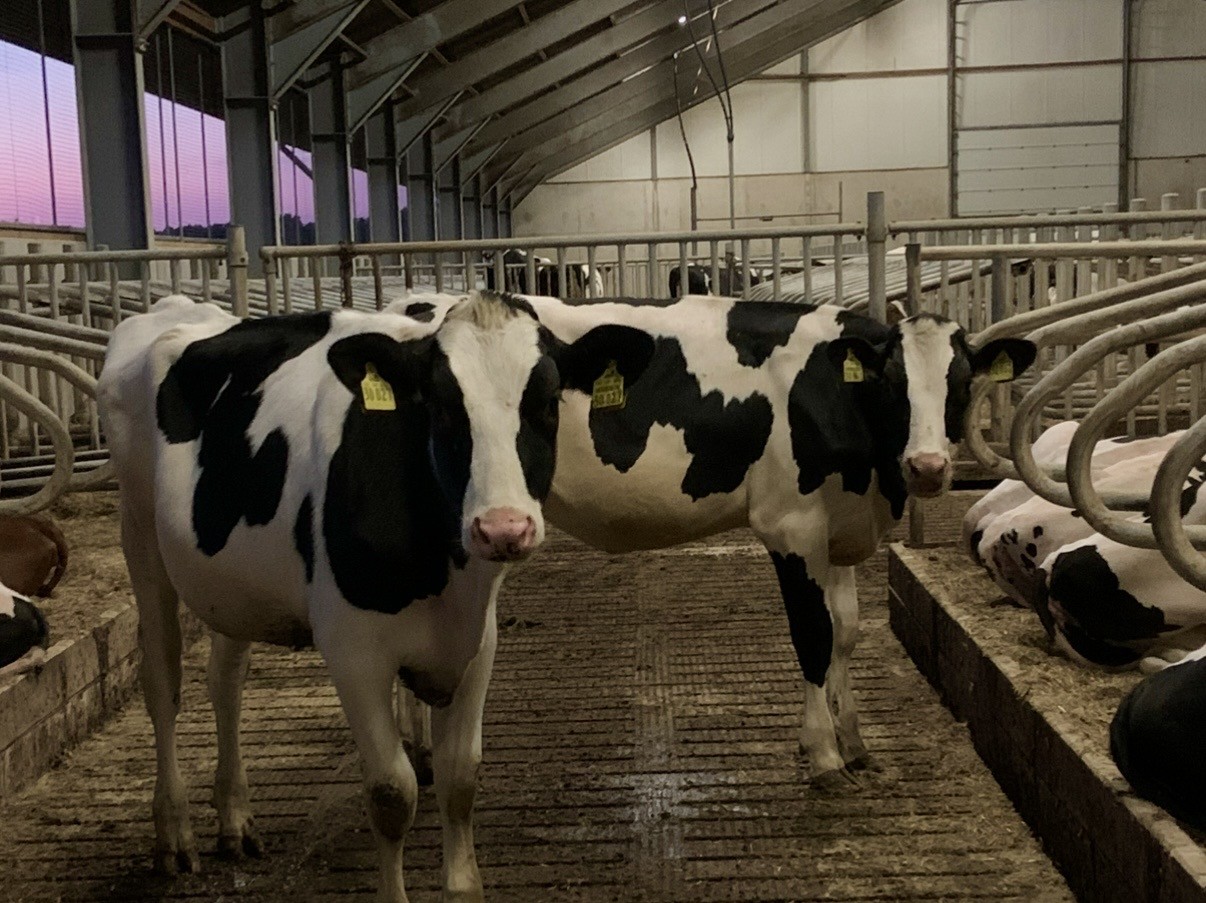
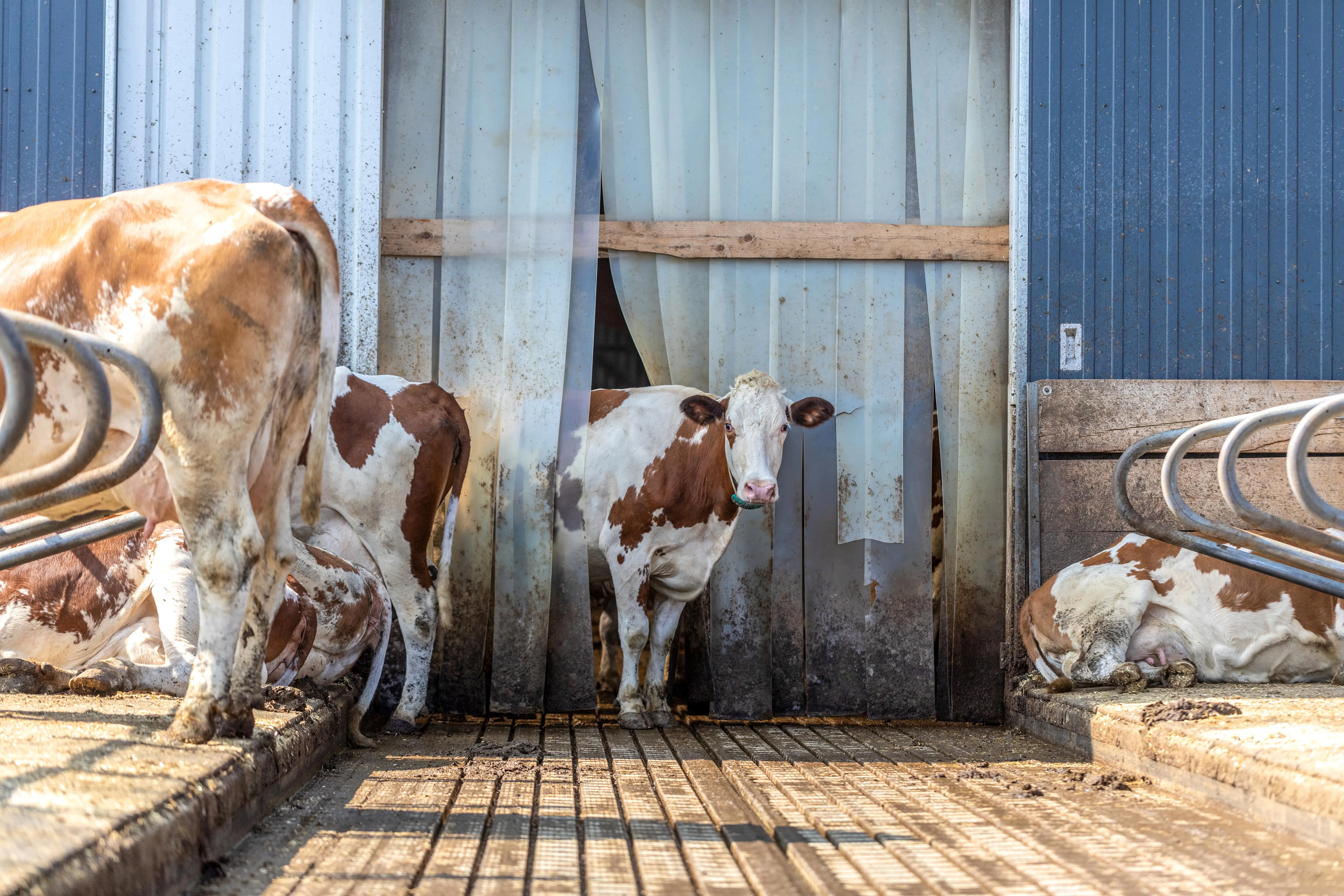
As cattle spend more time indoors, hygiene and ventilation become increasingly important.
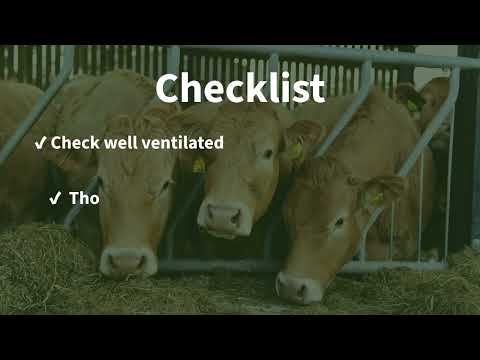
Good ventilation should provide a steady supply of fresh air without creating draughts at animal level. Damp, poorly ventilated buildings can increase humidity and contribute to respiratory problems, particularly in young calves and weanlings. Check that air inlets and outlets are not blocked, and look for condensation, damp bedding or persistent ammonia smells, which may indicate that ventilation needs attention.
Clean, dry bedding is equally important. Regular mucking out and replenishment helps provide a comfortable lying area and reduces the build-up of moisture and contaminants.
Lice and mange are also more common in winter. If cattle weren’t treated at housing, check them a couple of months in, when problems usually show.
Make time for a winter health check
Before cattle settle into winter housing, review:
- Previous fluke treatments and treatment dates
- What was used, and which fluke stages it covers
- Whether testing is appropriate
- Body condition and general performance
- Bedding cleanliness and moisture levels
- Ventilation and air movement
- Any recurring health problems from previous winters
A planned approach is better than treating problems reactively. If you are unsure whether cattle need a follow-up fluke treatment, speak to your vet and review the evidence from your farm before administering another dose.
Good winter management starts with knowing your risks, monitoring your cattle and using treatments responsibly.
To learn more about liver fluke in cattle, click here.
As we move into November and December, keeping cattle healthy through the winter housing period becomes a priority. For farms where liver fluke is a concern, this is an important time to review autumn treatments, consider whether follow-up treatment or testing is needed, and make sure housing conditions support good animal health.
Does one fluke treatment protect cattle all winter?
Not necessarily. Liver fluke control should be based on the risk on your farm, previous treatment history and the products used. No fluke treatment has any lasting effect, so a treatment given earlier in the autumn won’t protect against infection picked up later in the grazing season, particularly where cattle have continued to graze areas with a known fluke risk.
Keep accurate treatment records, including which product was used, when it was administered and which animals were treated. This information can help your vet assess whether further treatment is appropriate.
Different flukicides are effective against different stages of liver fluke, so product choice and timing are important. Any fluke too young to be killed on the day of treatment survive and keep growing. Treatment should be selected according to the likely stage of infection, previous treatments and the specific risks on your farm. Once cattle are housed, count forward from the day they came off grass; by 10 to 12 weeks after housing, every fluke left in the liver will be an adult. Avoid automatically repeating treatments without considering whether they are needed. Every unnecessary treatment adds to resistance.
How do you know if cattle need a follow-up fluke treatment?
Testing is the best guide. Where appropriate, testing can provide useful information about whether cattle are carrying liver fluke. Your vet can advise on the most suitable test and the best timing in relation to previous treatment. The main options are:
- Fluke egg count (dung sample): fluke only lay eggs once they’re adults, about 10 to 12 weeks after infection.
- Coproantigen test (dung sample): picks up adult fluke two to three weeks earlier than an egg count.
- Blood test: shows exposure, not current infection, so it’s most useful in first-season calves. COWS suggests testing a group of them two weeks after housing.
- Abattoir reports: Beef HealthCheck reports from the abattoir are free fluke data.
Testing can be particularly useful when deciding whether a follow-up treatment is warranted. It can help avoid unnecessary use of flukicides while supporting a more targeted approach to parasite control.
Keep an eye on cattle for signs that could be associated with liver fluke, including poor body condition, reduced performance, anaemia or lethargy. However, these signs can have several causes, so veterinary investigation is important rather than assuming fluke is responsible.
How do you keep housed cattle healthy over winter?
As cattle spend more time indoors, hygiene and ventilation become increasingly important.
Good ventilation should provide a steady supply of fresh air without creating draughts at animal level. Damp, poorly ventilated buildings can increase humidity and contribute to respiratory problems, particularly in young calves and weanlings. Check that air inlets and outlets are not blocked, and look for condensation, damp bedding or persistent ammonia smells, which may indicate that ventilation needs attention.
Clean, dry bedding is equally important. Regular mucking out and replenishment helps provide a comfortable lying area and reduces the build-up of moisture and contaminants.
Lice and mange are also more common in winter. If cattle weren’t treated at housing, check them a couple of months in, when problems usually show.
Make time for a winter health check
Before cattle settle into winter housing, review:
- Previous fluke treatments and treatment dates
- What was used, and which fluke stages it covers
- Whether testing is appropriate
- Body condition and general performance
- Bedding cleanliness and moisture levels
- Ventilation and air movement
- Any recurring health problems from previous winters
A planned approach is better than treating problems reactively. If you are unsure whether cattle need a follow-up fluke treatment, speak to your vet and review the evidence from your farm before administering another dose.
Good winter management starts with knowing your risks, monitoring your cattle and using treatments responsibly.
To learn more about liver fluke in cattle, click here.



Newsletter
Products










Blog






































CPD for SQPs & Vets
Sharpen your knowledge

DOsing Best Practices
Get the dose right every time