Barber pole worm: Lakeside vet discusses a case that couldn't wait
In recent years, flocks in Ireland have been experiencing challenges with parasites they might not have previously encountered. One of these parasites is Haemonchus contortus, more commonly known as the barber pole worm.
Barber pole worms can produce thousands of eggs a day, so pasture contamination can build quickly when conditions are favourable.
Don’t wait for scour. Know the signs.
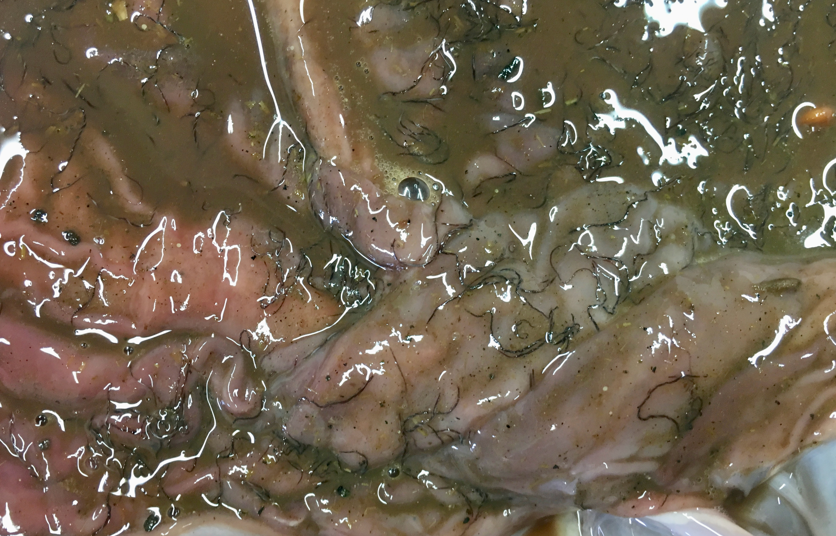
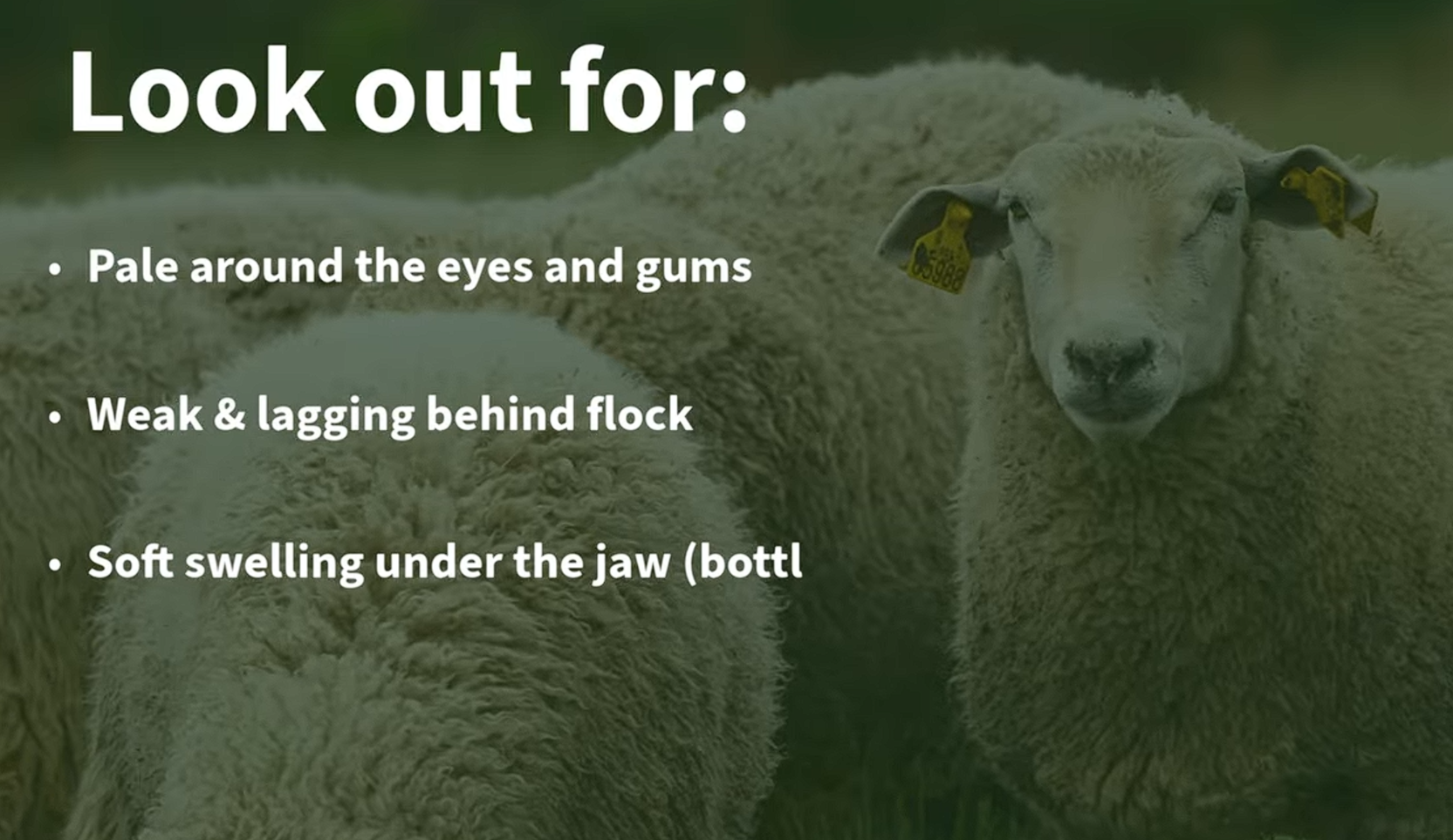
Unlike typical worms, barber pole worm does not cause scour, making it easy to miss until stock are critically ill. As an aggressive blood feeder, barber pole worm causes severe anaemia, showing up as pale eyes and gums, lethargy, and weakness.
As blood protein drops, fluid accumulates into the characteristic “bottle jaw,” and in heavy burdens, sudden death can occur with little warning in both ewes and lambs.
Chanelle Pharma recently spoke to Cian Ward from Lakeside Veterinary Hospital in Loughrea about his experience with barber pole worm.
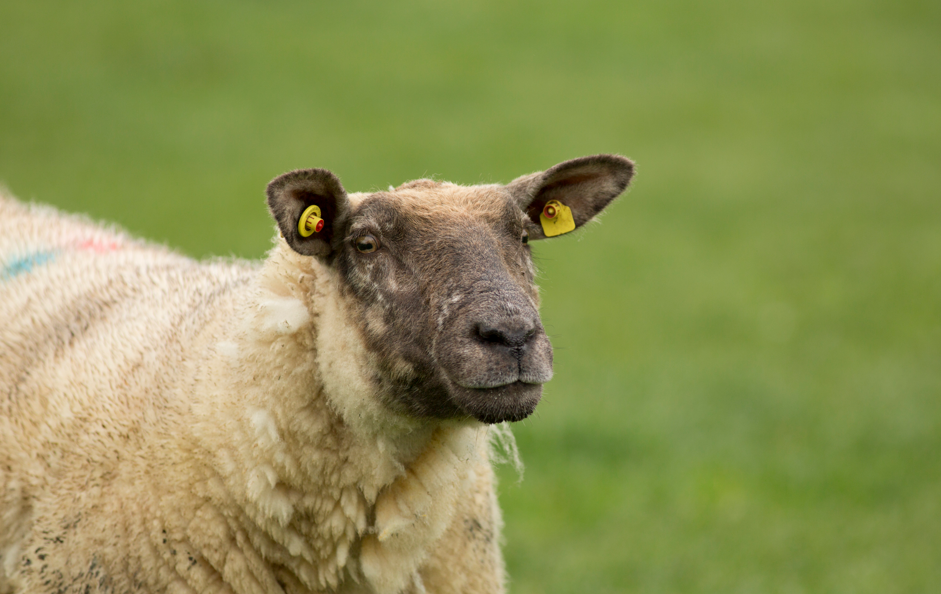
He said: “I recently came across a ewe who had pale eyes and a bottle jaw which came on quite suddenly. Straight away I thought it was a case of barber pole worm”, said Cian.
He continued, “this time of year it could have been an acute fluke case. However, given time was of the essence, I gave her a combination wormer.
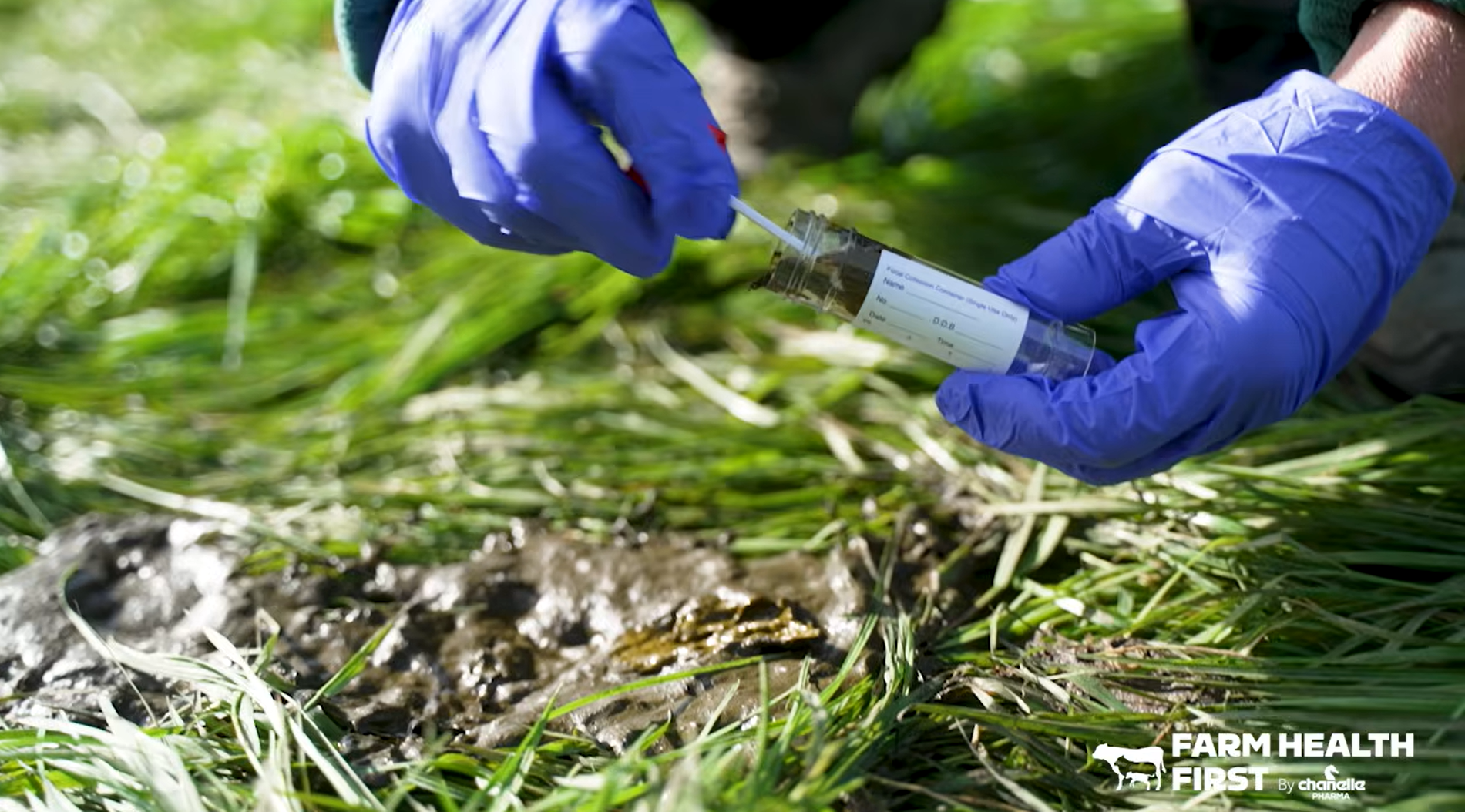
“I also took a faecal sample to ensure that it wasn’t a fluke issue or also a fluke issue.
“Based off the faecal test results that came back positive for barber pole worm, I decided that the remainder of the flock needed to be dosed for barber pole worm.”
It is important to note that immature fluke will not produce eggs. Therefore, faecal egg sampling is not as useful at this time of year, and other testing options should be considered.
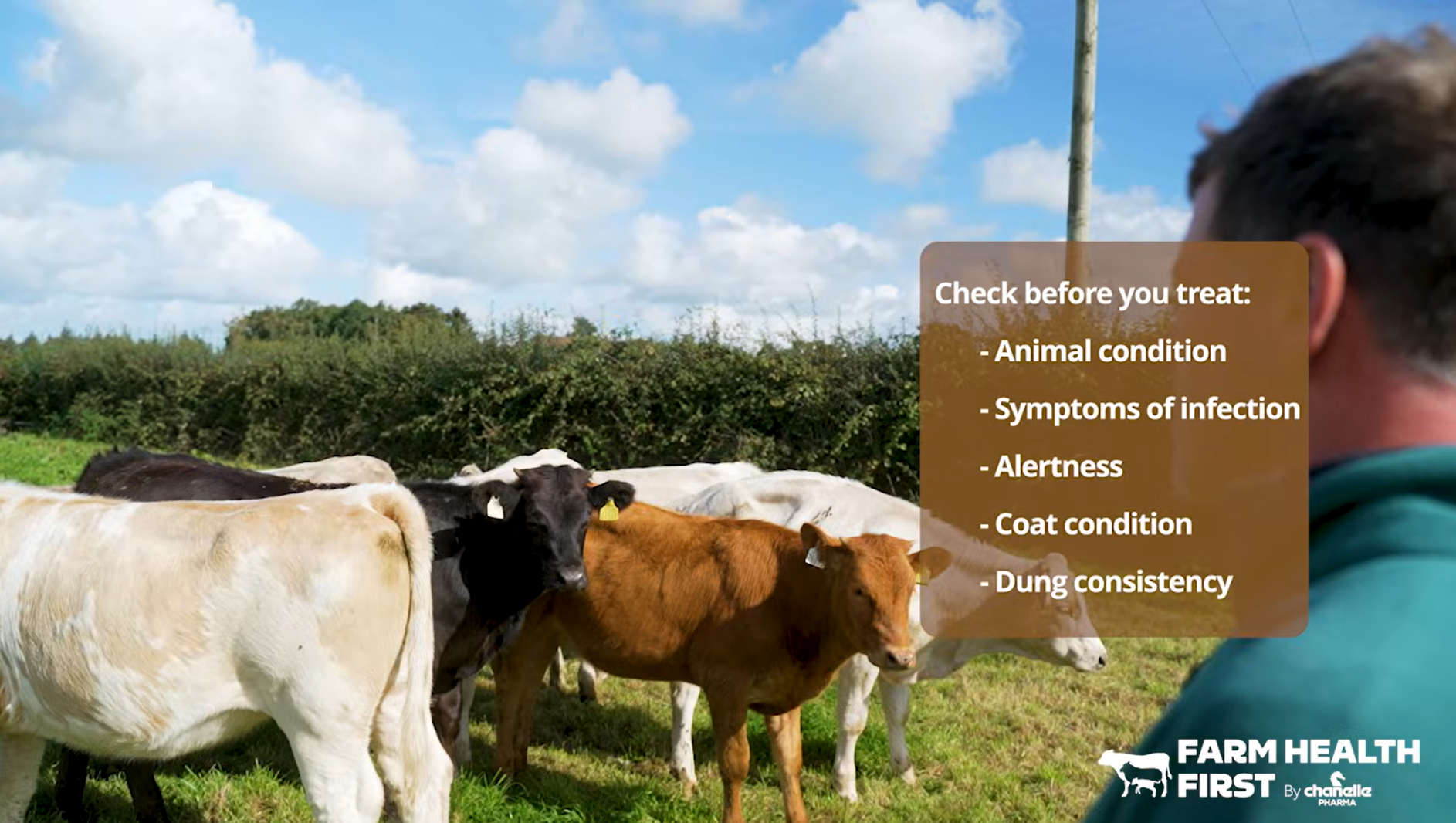
Always test before you treat.
Knowing the correct active ingredient to treat the parasite is most important. However, you must carry out a faecal egg test to know what parasite you are treating,
For example, Cian explains that “Barber pole worm does go under the radar a lot. Some farmers have never heard of it until it’s too late.
“Faecal sampling is the way to go so we know exactly what we’re dealing with and what we should be using to treat it.”
Unfortunately, it is common that a definitive diagnosis is drawn from a postmortem analysis as illness can often occur before the worms have reached egg laying maturity.
Once testing has confirmed the presence of barber pole worm, using an effective anthelmintic is essential to ensure full clear out.
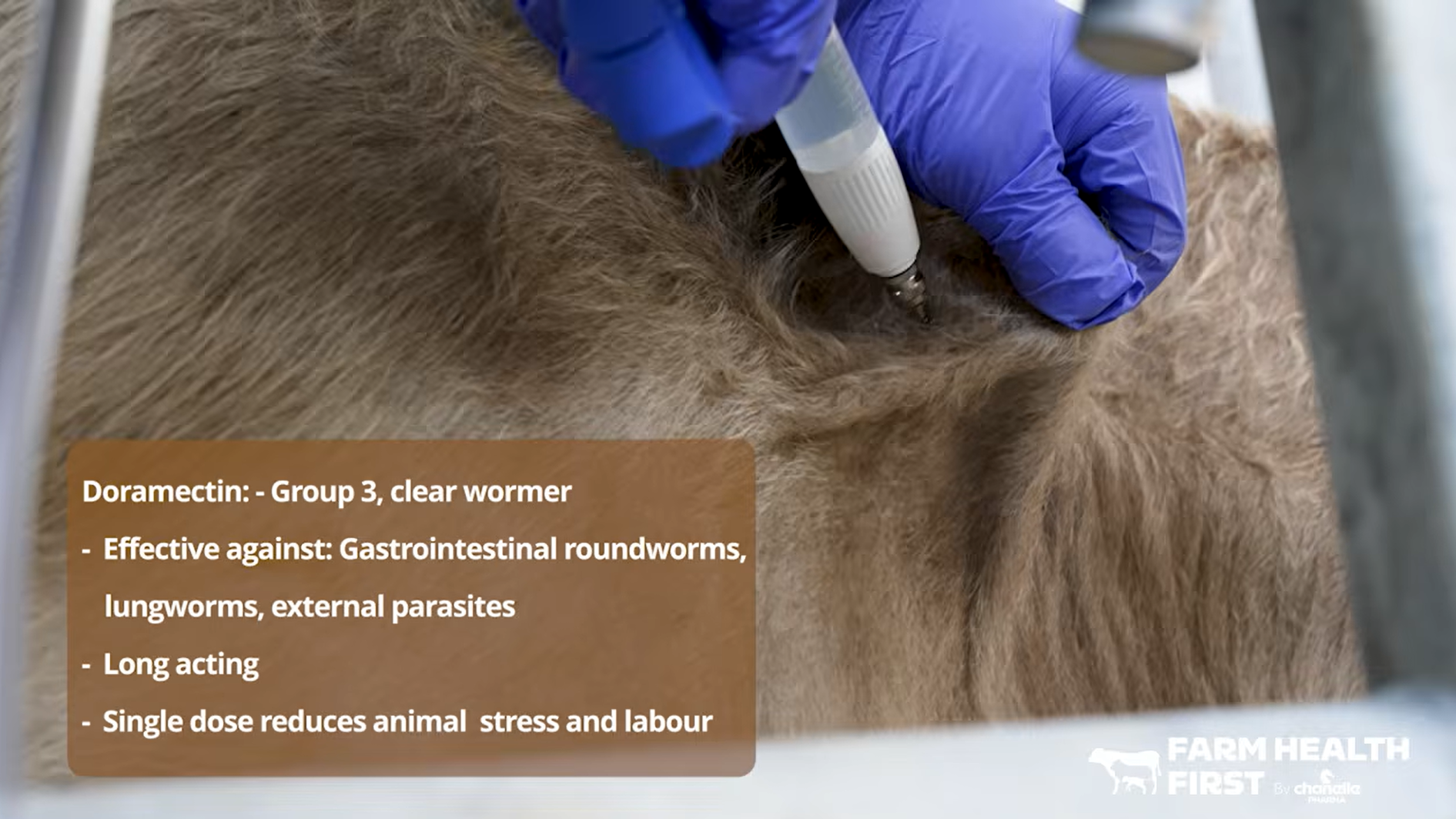
“There are a number of effective doses and doramectin is one of them,” said Cian.
Doramectin is a group 3 (clear) wormer. In sheep it treats and controls gastrointestinal roundworms, including barber pole worm, and nasal bots, and at a higher dose it treats sheep scab. In cattle it also provides persistent protection against certain worms, lungworm and external parasites.

Avoid blanket dosing. Target treat your flock.
Blanket dosing is no longer sustainable as anthelmintic resistance rises. Protecting product efficacy requires targeted selective treatment - dosing only compromised animals to preserve drug-sensitive parasites in ‘refugia’ and keep pasture burdens under control.
“Targeted dosing is done where you dose the sheep that are actually infected and not just the whole flock," said Cian.
Moving freshly dosed sheep straight onto clean grazing used to be common advice, but it can speed up resistance. Any worms that survive the dose are the only ones left to seed that pasture. Talk to your vet about the best grazing plan after dosing.
Combating resistance
Eliminating guesswork is essential for long-term parasite control. Routine post-dosing faecal tests are the only way to confirm treatments are clearing burdens, protecting clean pasture and ensuring wormers remain effective on your farm.
“The only way to confirm resistance is by dosing and testing. Within two weeks of dosing, you take a faecal sample and test.
“You should have almost 100% clearance of eggs. If you don’t, you have an issue with resistance. The only way to find that out is by faecal sampling,” said Cian.
Click here to learn more about barber pole worm.
In recent years, flocks in Ireland have been experiencing challenges with parasites they might not have previously encountered. One of these parasites is Haemonchus contortus, more commonly known as the barber pole worm.
Barber pole worms can produce thousands of eggs a day, so pasture contamination can build quickly when conditions are favourable.
Don’t wait for scour. Know the signs.
Unlike typical worms, barber pole worm does not cause scour, making it easy to miss until stock are critically ill. As an aggressive blood feeder, barber pole worm causes severe anaemia, showing up as pale eyes and gums, lethargy, and weakness.
As blood protein drops, fluid accumulates into the characteristic “bottle jaw,” and in heavy burdens, sudden death can occur with little warning in both ewes and lambs.
Chanelle Pharma recently spoke to Cian Ward from Lakeside Veterinary Hospital in Loughrea about his experience with barber pole worm.
He said: “I recently came across a ewe who had pale eyes and a bottle jaw which came on quite suddenly. Straight away I thought it was a case of barber pole worm”, said Cian.
He continued, “this time of year it could have been an acute fluke case. However, given time was of the essence, I gave her a combination wormer.
“I also took a faecal sample to ensure that it wasn’t a fluke issue or also a fluke issue.
“Based off the faecal test results that came back positive for barber pole worm, I decided that the remainder of the flock needed to be dosed for barber pole worm.”
It is important to note that immature fluke will not produce eggs. Therefore, faecal egg sampling is not as useful at this time of year, and other testing options should be considered.
Always test before you treat.
Knowing the correct active ingredient to treat the parasite is most important. However, you must carry out a faecal egg test to know what parasite you are treating,
For example, Cian explains that “Barber pole worm does go under the radar a lot. Some farmers have never heard of it until it’s too late.
“Faecal sampling is the way to go so we know exactly what we’re dealing with and what we should be using to treat it.”
Unfortunately, it is common that a definitive diagnosis is drawn from a postmortem analysis as illness can often occur before the worms have reached egg laying maturity.
Once testing has confirmed the presence of barber pole worm, using an effective anthelmintic is essential to ensure full clear out.
“There are a number of effective doses and doramectin is one of them,” said Cian.
Doramectin is a group 3 (clear) wormer. In sheep it treats and controls gastrointestinal roundworms, including barber pole worm, and nasal bots, and at a higher dose it treats sheep scab. In cattle it also provides persistent protection against certain worms, lungworm and external parasites.
Avoid blanket dosing. Target treat your flock.
Blanket dosing is no longer sustainable as anthelmintic resistance rises. Protecting product efficacy requires targeted selective treatment - dosing only compromised animals to preserve drug-sensitive parasites in ‘refugia’ and keep pasture burdens under control.
“Targeted dosing is done where you dose the sheep that are actually infected and not just the whole flock," said Cian.
Moving freshly dosed sheep straight onto clean grazing used to be common advice, but it can speed up resistance. Any worms that survive the dose are the only ones left to seed that pasture. Talk to your vet about the best grazing plan after dosing.
Combating resistance
Eliminating guesswork is essential for long-term parasite control. Routine post-dosing faecal tests are the only way to confirm treatments are clearing burdens, protecting clean pasture and ensuring wormers remain effective on your farm.
“The only way to confirm resistance is by dosing and testing. Within two weeks of dosing, you take a faecal sample and test.
“You should have almost 100% clearance of eggs. If you don’t, you have an issue with resistance. The only way to find that out is by faecal sampling,” said Cian.
Click here to learn more about barber pole worm.



Newsletter
Products














Blog









































































CPD for SQPs & Vets
Sharpen your knowledge

DOsing Best Practices
Get the dose right every time